How Do Carburetors and Throttle Bodies Fundamentally Shape Engine Performance?
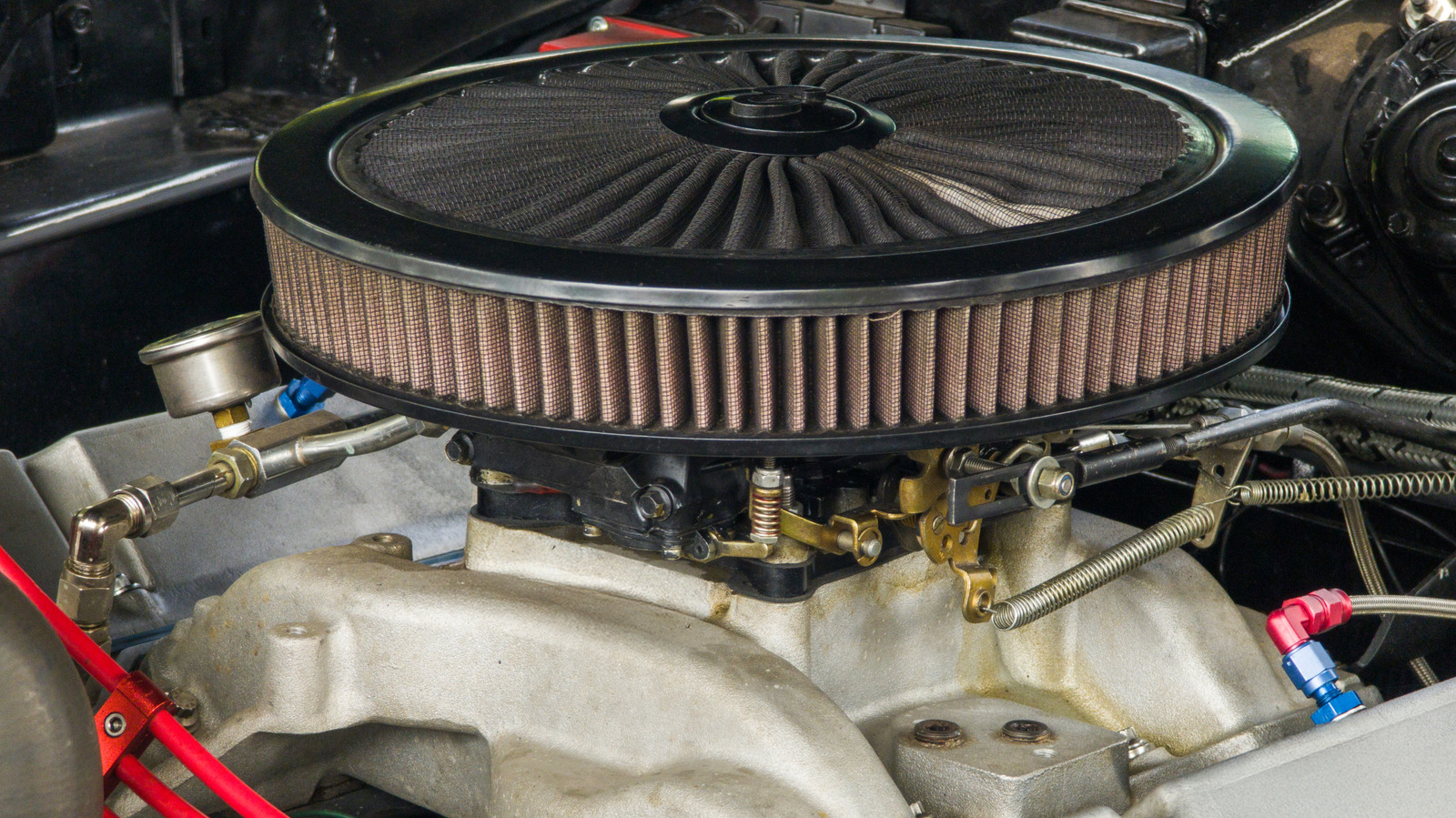
At the heart of internal combustion engine design lies a deceptively simple question: how is air delivered to the cylinders, and what does that delivery mechanism imply for power, efficiency, and control? The distinction between carburetors and throttle bodies—while superficially a matter of mechanical arrangement—reveals deeper currents in automotive engineering philosophy. Both systems regulate airflow, but the carburetor integrates fuel mixing within its architecture, whereas the throttle body, in modern contexts, is typically a component of electronic fuel injection systems, delegating fuel metering to separate injectors. This bifurcation is not merely technical; it marks a transition from analog, vacuum-driven modulation to digitally governed precision.
Why Does the Integration of Fuel Mixing and Airflow Control Matter?
The carburetor’s conflation of air and fuel management, once the industry standard, imposes inherent constraints. Because it relies on pressure differentials and mechanical linkages, a carburetor’s responsiveness to rapid changes in engine load or ambient conditions is, by design, less precise than electronically controlled systems. Throttle bodies, in contrast, decouple the act of opening the air path from the calculation of fuel delivery, allowing for real-time adjustments based on sensor feedback. This separation enables finer control over combustion parameters, which, under laboratory conditions, translates to improved emissions, smoother idle, and more consistent power delivery. However, such claims warrant caution: the practical benefits depend on the calibration of the entire engine management system, and poorly tuned electronic injection can underperform a well-sorted carburetor in specific scenarios.
Who Benefits—and Who Loses—From the Shift to Throttle Bodies?
The migration from carburetors to throttle bodies is often framed as a universal advance, but this narrative obscures the uneven distribution of gains. For regulators and manufacturers, throttle bodies facilitate compliance with tightening emissions standards and enable features such as drive-by-wire, adaptive cruise control, and variable valve timing. Enthusiasts and mechanics, however, may encounter trade-offs: while throttle bodies reduce the frequency of manual adjustments, they introduce layers of software and electronics that complicate diagnosis and repair. In regions where diagnostic tools or replacement parts are scarce, the simplicity and field-serviceability of carburetors retain significant practical value. Thus, the shift is not merely technological but socio-economic, privileging certain user groups and geographies over others.
What Are the Structural Blind Spots in Mainstream Interpretations?
Prevailing discourse tends to valorize technological progress without interrogating its underlying assumptions. The superiority of throttle bodies is often asserted on the basis of laboratory emissions data and manufacturer claims, yet these metrics are context-dependent. For example, the marginal gains in fuel efficiency or emissions may be negligible in real-world driving, particularly in older vehicles retrofitted with throttle bodies but lacking comprehensive engine management upgrades. Furthermore, the environmental cost of manufacturing and disposing of electronic components is rarely factored into lifecycle analyses. There is also a tendency to overlook the cultural and experiential dimensions: the tactile feedback and mechanical transparency of carbureted systems foster a different relationship between driver and machine, one that is not easily replicated by digital interfaces.
What Should an Informed Reader Conclude About the Carburetor-Throttle Body Divide?
The evidence suggests that, under most regulatory and performance criteria, throttle bodies represent a more adaptable and controllable solution for modern engines. Yet, this judgment is contingent on context—vehicle age, local infrastructure, user expertise, and regulatory environment all mediate the practical significance of the distinction. The debate is less about which system is categorically superior and more about which trade-offs are acceptable or desirable for a given application. For stakeholders invested in reliability, repairability, or mechanical engagement, the carburetor’s virtues remain salient. For those prioritizing emissions compliance, integration with advanced electronics, or mass-market scalability, throttle bodies offer compelling advantages. Ultimately, the choice reflects not just engineering priorities but broader values about technology, agency, and the future of mobility.