How Do Regulatory Frameworks Shape the Boundaries of Aerobatic Flight?
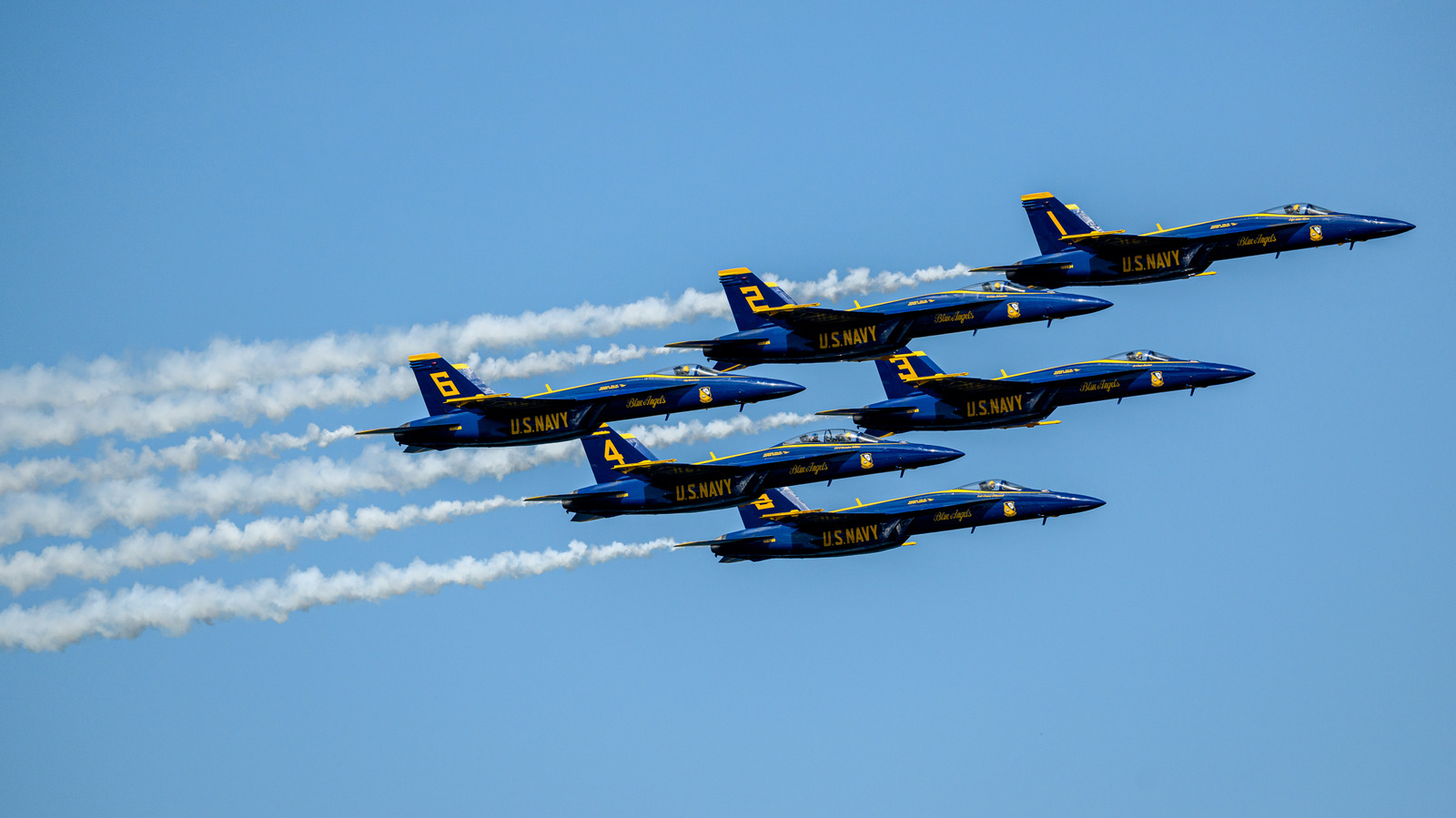
The spectacle of military aerobatics, while often celebrated for its technical prowess and visceral thrill, operates within a lattice of regulatory constraints designed to safeguard both participants and bystanders. The Federal Aviation Administration (FAA) maintains explicit altitude minimums and operational parameters for civilian and military aircraft alike, with deviations from these standards typically requiring formal waivers or mission-specific justification. In the case of the recent low-altitude flyover by a Navy pilot, the available evidence strongly suggests a breach of these established protocols. Yet, the mere invocation of regulatory violation does not exhaust the interpretive stakes. Rather, it foregrounds a deeper tension between institutional discipline and the performative demands of military spectacle—a tension that, if left unresolved, risks normalizing exceptionalism under the guise of tradition or morale-building.
What Are the Latent Risks and Unseen Stakeholders in Low-Altitude Military Flyovers?
While the immediate hazards of low-altitude flight—collision with terrain, loss of control, or inadvertent harm to civilians—are well documented, the broader risk landscape is more diffuse. Civilians on the ground, often unbriefed and unprotected, become involuntary participants in a demonstration whose safety calculus may not fully account for their vulnerability. The psychological impact, particularly in communities with fraught histories of military engagement or aviation accidents, is rarely quantified yet potentially significant. Moreover, the chain of command within the military apparatus is implicated: unauthorized maneuvers can erode institutional trust, complicate liability, and set precedents that subordinate collective safety to individual bravado. These second-order effects, though less visible than the dramatic footage that circulates online, may ultimately prove more consequential for both civil-military relations and internal governance.
Why Do Such Incidents Persist Despite Clear Regulatory Prohibitions?
The persistence of unauthorized low-level flight maneuvers, despite the clarity of regulatory prohibitions, invites scrutiny of both enforcement mechanisms and cultural incentives. On one hand, the deterrent effect of post-hoc disciplinary action is inherently limited; the spectacle, once performed and disseminated, cannot be undone. On the other hand, the institutional valorization of risk-taking—especially within elite military units—can tacitly reward boundary-pushing behavior, even as official doctrine condemns it. The resulting ambiguity undermines both the letter and spirit of safety regulations. While some argue that such displays serve recruitment or public relations objectives, the empirical basis for these claims remains contested, with little robust evidence that the marginal gains in public enthusiasm outweigh the attendant risks.
What Should Informed Observers Conclude About the Broader Implications?
For those seeking to move beyond surface-level fascination with aerial spectacle, the incident in question serves as a case study in the structural limits of rule-based safety regimes when confronted by charismatic exception. The evidence indicates that regulatory frameworks, while necessary, are insufficient in the absence of a culture that internalizes their rationale. Stakeholders—including policymakers, military leadership, and civilian oversight bodies—must therefore interrogate not only the specific violation but the broader ecosystem of incentives and accountability. The informed reader, then, should resist the seduction of spectacle and instead demand transparency, procedural rigor, and a recalibration of risk that privileges collective safety over individual display. Only through such critical engagement can the latent costs of exceptionalism be rendered visible—and, perhaps, mitigated.