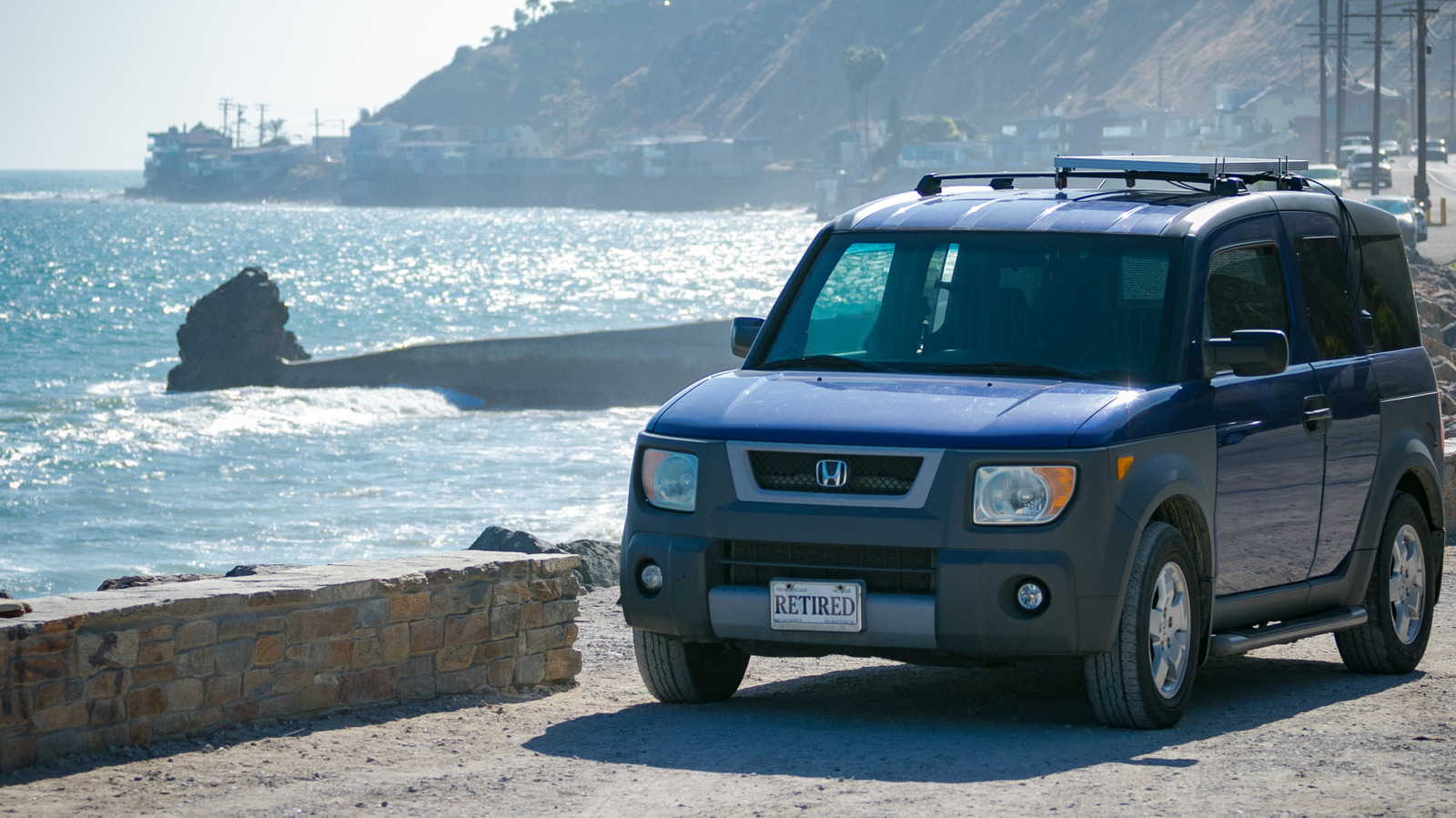
What Drives the Enduring Appeal of Beach Cars?
The persistent fascination with so-called “beach cars”—vehicles optimized for sand, surf, and sun—reveals more than a penchant for leisure. At its core, the appeal is rooted in a paradox: these vehicles, often stripped of superfluous technology and design flourishes, embody both freedom and constraint. Their open-air construction and utilitarian simplicity evoke a nostalgia for unmediated experience, yet their very existence is circumscribed by geography, climate, and social context. The evidence suggests that beach cars function as status symbols not through ostentation, but through their implicit declaration of access—to coastlines, to time off, to a lifestyle unburdened by urban necessity. This dynamic, however, is not universal; it is sharply delimited by regional economies and the uneven distribution of recreational space.
How Do Practicality and Oddity Coexist in Consumer Preferences?
A closer inspection of consumer choices in the beach car segment uncovers a tension between pragmatism and eccentricity. On one hand, the most popular models tend to be those that offer reliability, ease of maintenance, and adaptability to shifting terrain—qualities that, under most circumstances, would signal a rational calculus. Yet, anomalies persist. Certain models, despite their impracticality or mechanical quirks, achieve cult status. This pattern suggests that for a subset of enthusiasts, the value of a beach car is not reducible to utility. Instead, it is the very oddity—the deviation from automotive norms—that confers distinction. The mainstream narrative, which frames these choices as whimsical or irrational, fails to account for the social capital accrued through the display of idiosyncratic taste. The methodological challenge lies in disentangling genuine preference from performative selection, a task complicated by the lack of granular demographic data.
Who Benefits and Who Is Excluded from the Beach Car Phenomenon?
While the imagery of beach cars conjures inclusivity and communal enjoyment, the reality is more exclusive. Ownership presupposes not only disposable income but also proximity to suitable environments. The evidence, though fragmentary, indicates that the demographic profile of beach car owners skews toward the affluent and geographically advantaged. This pattern is not incidental. Structural barriers—ranging from zoning restrictions to insurance premiums—reinforce the association between beach cars and privilege. Those outside this nexus, whether due to economic constraints or urban residency, remain largely spectators. The broader implication is that the cultural cachet of beach cars is maintained through a process of selective access, a point often elided in celebratory accounts.
What Are the Overlooked Consequences of the Beach Car Obsession?
Beyond the surface-level celebration of leisure and lifestyle, the proliferation of beach cars carries second-order effects that merit scrutiny. Environmental impact, for instance, is frequently minimized in popular discourse. Under specific conditions—such as fragile dune ecosystems or congested coastal roads—the cumulative footprint of these vehicles can be significant. Moreover, the normalization of beach car ownership may reinforce patterns of spatial inequality, as municipalities cater to recreational motorists at the expense of broader public access. The evidence here is mixed, with some localities implementing robust regulatory frameworks, while others succumb to market pressures. The interpretive challenge is to weigh the symbolic value of beach cars against their material consequences, a calculus that resists easy resolution.
What Should the Informed Reader Conclude?
For the analytically minded observer, the phenomenon of beach cars is less a testament to automotive ingenuity than a window into the interplay of aspiration, exclusion, and environmental negotiation. The evidence does not support a monolithic interpretation; rather, it points to a contested terrain where practicality and peculiarity, access and exclusion, celebration and critique coexist in uneasy tension. An informed reader, alert to these complexities, would do well to interrogate not only the vehicles themselves but the broader systems—economic, social, ecological—that shape their meaning and impact.