How Do Japanese Kei Trucks Challenge Conventional Notions of Utility in Extreme Climates?
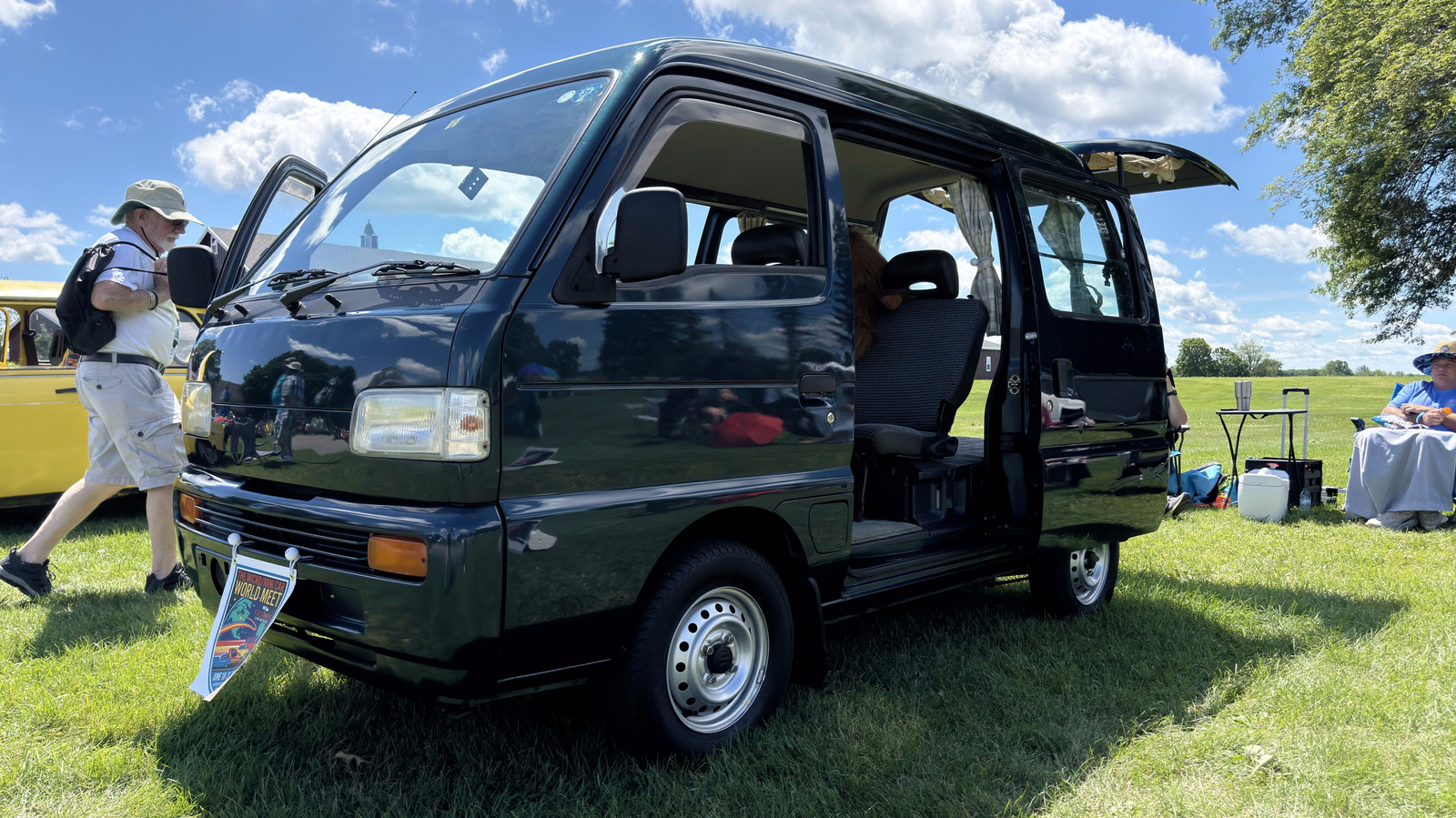
The Japanese kei truck, a compact and utilitarian vehicle originally engineered for the dense urban landscapes and narrow byways of Japan, presents an intriguing paradox when transposed to the vast, frigid expanses of Alaska. On the surface, its diminutive size and modest powertrain might seem ill-suited for the region’s notorious winters and rugged terrain. Yet, anecdotal evidence and emerging patterns in local vehicle registrations suggest a growing subculture of Alaskan drivers who prize these trucks for their adaptability and surprising comfort in cold weather. This phenomenon invites a reassessment of what constitutes “suitability” in automotive design for extreme climates. The kei truck’s enclosed cab, efficient heating, and mechanical simplicity may, under specific conditions, offer a more practical daily driving experience than the exposed discomfort of a motorcycle or the overkill of a full-sized pickup.
To be clear, the kei truck is unlikely to supplant larger, four-wheel-drive vehicles for cross-state journeys or heavy hauling. Its appeal lies elsewhere: in the micro-geographies of Alaskan towns, where short commutes, limited parking, and the need for reliable cold starts outweigh the demands of long-distance travel. The evidence, while still largely anecdotal and lacking in large-scale quantitative studies, points to a nuanced trade-off between comfort, efficiency, and context-specific utility. The mainstream automotive narrative, which often equates bigger with better in harsh environments, appears increasingly incomplete in light of these developments.
What Underappreciated Social and Economic Factors Drive the Adoption of Kei Trucks in Alaska?
Beyond mechanical considerations, the adoption of kei trucks in Alaska reflects a subtle interplay of economic pragmatism and cultural adaptation. For residents facing high fuel costs, limited vehicle import options, and the logistical challenges of maintaining complex machinery in remote areas, the kei truck represents a form of rational minimalism. Its low purchase price, ease of repair, and frugal fuel consumption align with the economic realities of many Alaskan communities. Moreover, the vehicle’s novelty and distinct aesthetic have fostered a sense of local identity and ingenuity, as owners retrofit and customize their trucks to meet the unique demands of their environment.
This trend, however, is not without its detractors. Some critics argue that kei trucks, originally designed for milder Japanese winters and lighter loads, may not withstand prolonged exposure to Alaskan extremes. The absence of robust crash safety features and limited parts availability remain legitimate concerns. Yet, the persistence of these vehicles on Alaskan roads suggests that, for a subset of drivers, the benefits outweigh the risks—at least for now. The debate underscores a broader tension between regulatory frameworks, consumer autonomy, and the lived realities of rural transportation.
In What Ways Might the Kei Truck Phenomenon Signal Broader Shifts in Automotive Culture and Policy?
The growing visibility of kei trucks in Alaska may presage a more fundamental shift in how utility and appropriateness are defined in North American automotive culture. As climate change, economic volatility, and urbanization reshape transportation needs, the appeal of smaller, more adaptable vehicles could intensify. Policymakers and manufacturers, often slow to recognize such grassroots innovations, may find themselves compelled to reconsider import restrictions, safety standards, and incentives for alternative vehicle types.
Yet, caution is warranted. The kei truck’s current popularity is tightly bound to specific local conditions—climate, infrastructure, and regulatory loopholes among them. Extrapolating its success to other contexts risks overlooking the structural limitations and potential unintended consequences, such as increased regulatory scrutiny or market saturation. For the informed reader, the lesson is less about the universal applicability of kei trucks and more about the value of context-sensitive solutions that challenge one-size-fits-all assumptions in mobility.
Ultimately, the kei truck’s Alaskan journey is less a story of technological triumph than of adaptive improvisation—a reminder that, under the right circumstances, even the most unlikely vehicles can find a niche far from their original design brief.