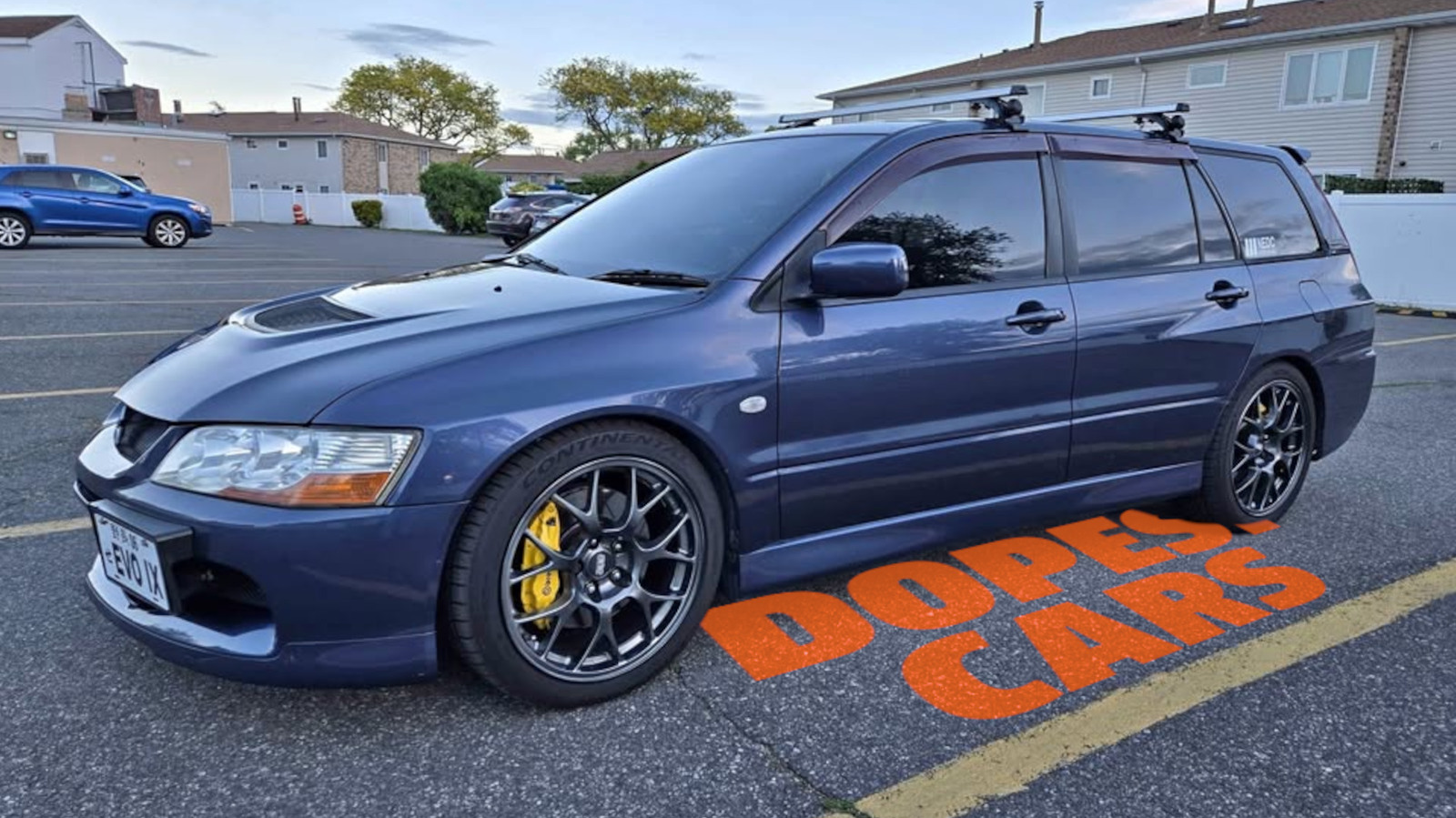
What Drives the Allure of Unconventional Vehicles in the Modern Market?
The persistent fascination with rare or idiosyncratic vehicles—those that defy the conventions of mainstream automotive design—suggests a deeper cultural and psychological mechanism at work than mere novelty-seeking. While the surface-level appeal of such cars may appear to rest on their scarcity or visual eccentricity, a more nuanced interpretation points to their role as status symbols within niche communities, as well as their capacity to embody alternative narratives of mobility and identity. The evidence, drawn from both market behavior and the rhetoric of enthusiast circles, indicates that these vehicles function as both personal statements and acts of resistance against the homogeneity of mass-market transportation. However, this interpretation is not without its detractors: some analysts argue that the market for such vehicles is artificially inflated by speculative investment rather than genuine appreciation. The available data, while limited by the opacity of private sales and the volatility of online marketplaces, nonetheless supports the thesis that the core mechanism is less about financial gain and more about the pursuit of distinction and experiential richness.
How Do Economic and Social Barriers Shape Access to Automotive Rarity?
The invitation to “bring your checkbook” is more than a casual nod to the costs involved; it foregrounds the structural exclusivity that defines this market segment. The intersection of disposable income, discretionary time, and specialized knowledge creates a filter through which only a select demographic can participate meaningfully. This dynamic is further complicated by the performative aspect of ownership: possessing such a vehicle is not merely about utility, but about signaling one’s membership in a community that values the arcane and the extraordinary. Under these conditions, the market for unconventional vehicles becomes a microcosm of broader socioeconomic stratification, where access is mediated by both material resources and cultural capital. Yet, this exclusivity is not absolute. Online platforms and globalized logistics have, to some extent, democratized access, enabling enthusiasts from less traditional backgrounds to compete—albeit still at a disadvantage. The practical significance of this shift remains contested, as the underlying inequalities persist even as the surface-level diversity of participants increases.
Why Does the Act of Driving Retain Symbolic Power Amid Technological Change?
The explicit mention of “a driver’s seat” in the context of these vehicle offerings gestures toward a persistent tension in the automotive world: the enduring symbolic power of manual control in an era increasingly defined by automation and passive consumption. For a subset of enthusiasts, the act of driving—particularly in a vehicle that demands attention, skill, or adaptation—serves as a counterpoint to the frictionless, algorithmically optimized experiences promised by contemporary mobility solutions. This is not merely nostalgia; it is a form of embodied agency, a way of asserting human presence in a technological landscape that often seeks to render the driver invisible. The mainstream narrative, which tends to valorize convenience and safety, overlooks the affective and existential dimensions of driving as a practice. The evidence suggests that, for these individuals, the value of a vehicle is inseparable from the experience it enables—a value that resists easy quantification and complicates standard economic models of consumer preference.
What Are the Unseen Consequences of the Enthusiast Market’s Growth?
While the proliferation of online marketplaces and enthusiast forums has undeniably expanded the visibility and liquidity of the rare vehicle market, this growth is not without its second-order effects. Increased demand can drive up prices, rendering once-accessible vehicles unattainable for younger or less affluent enthusiasts, thereby accelerating generational and class divides within the community. Moreover, the speculative fervor that sometimes accompanies these markets can distort the relationship between intrinsic value and market price, leading to cycles of boom and bust that destabilize both individual collectors and the broader ecosystem of restoration, parts supply, and cultural preservation. These dynamics are rarely acknowledged in celebratory accounts of the market’s vibrancy, yet they pose real risks to the sustainability and inclusiveness of the enthusiast community.
What Should the Informed Reader Conclude About Participation and Value?
Given these complexities, the most prudent stance for a prospective participant is one of reflective engagement. To approach the market for unconventional vehicles solely as an investment opportunity is to misunderstand its core logic; to romanticize it as a pure expression of individuality is equally reductive. The evidence points to a hybrid reality, where economic, cultural, and affective motivations intersect, sometimes harmoniously, often contentiously. An informed reader would do well to recognize both the pleasures and the pitfalls of this world, to weigh the symbolic and experiential rewards against the structural barriers and market distortions, and to approach participation with both imagination and clear-eyed skepticism.