How Do Shifting Consumer Preferences Explain the Divergence in Mazda 3 Sedan and Hatchback Sales?
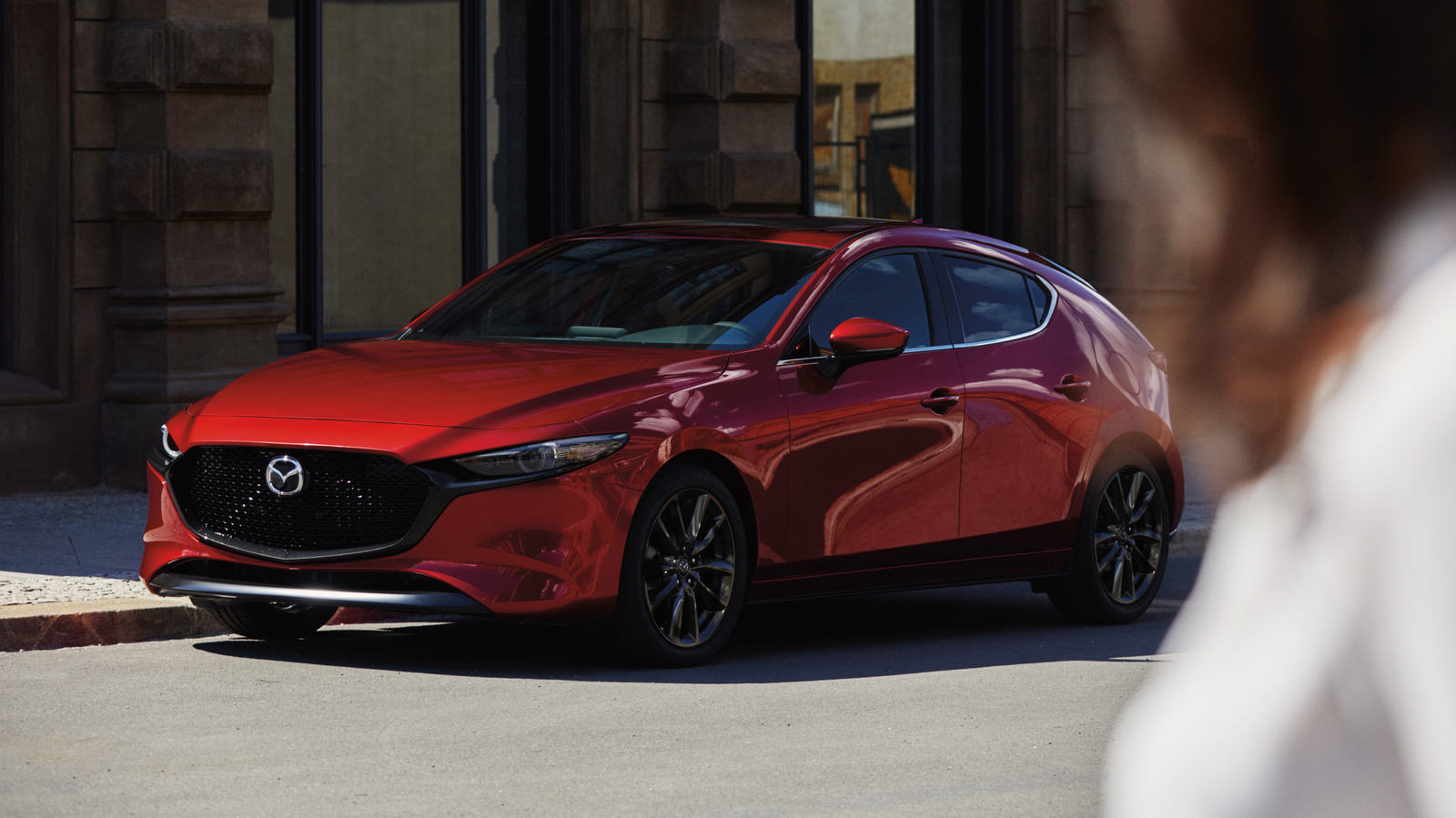
The recent surge in Mazda 3 sedan sales—an increase of 91.8% year-over-year—contrasts sharply with the 77.4% growth observed in the hatchback variant. At first glance, both figures suggest robust demand, yet the sedan’s outperformance invites closer scrutiny. The evidence suggests that price sensitivity remains a decisive factor in this segment. Although the hatchback offers marginally more utility and a sportier image, its slightly higher price point may be enough to tip cost-conscious buyers toward the sedan, especially in an economic climate where inflation and interest rates exert downward pressure on discretionary spending.
However, this interpretation risks oversimplification. The sedan’s resurgence may also reflect a subtle recalibration of consumer priorities: a renewed appreciation for traditional three-box styling, perceived as more formal or status-enhancing in certain demographic cohorts. Notably, younger urban professionals—often assumed to prefer hatchbacks for their practicality—may be gravitating toward sedans as a marker of upward mobility, a hypothesis that complicates the conventional wisdom about generational taste. The available sales data, while compelling, does not disaggregate by age or geography, limiting the precision of any causal claims.
To What Extent Are Rising Fuel Prices Driving This Trend?
The timing of the sales spike coincides with a period of escalating fuel prices, a correlation that tempts easy causal inference. Yet, the Mazda 3 sedan and hatchback share powertrains and achieve nearly identical fuel economy ratings. This undermines the notion that fuel efficiency alone is steering buyers toward the sedan. Instead, the data may reflect a broader behavioral shift: when fuel costs rise, buyers often reconsider not just the efficiency of their vehicles, but the total cost of ownership, including purchase price, insurance, and depreciation. The sedan’s lower base price becomes more salient under these conditions, amplifying its appeal.
Still, the methodological boundaries of this analysis are clear. Without granular transaction data—such as average transaction prices, financing terms, or regional breakdowns—one cannot definitively attribute the sedan’s outsized growth to fuel price anxiety. It is plausible, for example, that dealer incentives or inventory constraints in the hatchback variant have played a non-trivial role, a possibility that remains underexplored in most mainstream reporting.
What Are the Broader Implications for the Compact Car Segment?
The Mazda 3’s sales trajectory, particularly the sedan’s, signals a potential rebalancing within the compact car market. For years, industry consensus held that crossovers and SUVs would steadily erode the market share of traditional sedans and hatchbacks. These results complicate that narrative. Under specific economic and social conditions—rising living costs, shifting status markers, and renewed attention to value—compact sedans can mount a credible comeback.
Yet, the durability of this trend is uncertain. Should fuel prices stabilize or consumer confidence rebound, the current preference for sedans may prove ephemeral. Moreover, automakers’ allocation of marketing resources and dealer incentives could artificially inflate short-term sales, masking underlying demand elasticity. The evidence, while suggestive, stops short of confirming a structural shift in consumer behavior.
What Should Stakeholders Infer from These Patterns?
For industry strategists, the lesson is not merely that sedans are enjoying a momentary renaissance, but that consumer preferences remain more contingent and context-sensitive than prevailing narratives suggest. Dealers and manufacturers who treat hatchbacks as a niche or afterthought may be misreading the market’s latent volatility. Conversely, overcommitting to sedan production on the basis of a single year’s data risks misallocation should macroeconomic conditions shift.
For buyers, the practical significance is subtler. The current sales momentum may yield more competitive pricing or incentives on hatchback models, as dealers seek to balance inventory. For policymakers and analysts, the episode underscores the need for more granular, real-time data to parse the interplay between macroeconomic forces and automotive demand—a relationship that remains, for now, more complex than any single sales figure can capture.