What Happens When Airlines Leave Passengers Behind at the Gate?
You’d think that showing up on time would be enough. You’ve checked your bag, cleared security, and made it to the gate before boarding closes. But sometimes, even that isn’t a guarantee. While lost luggage is a running joke among frequent flyers, being left behind at the gate—especially when you’re right there—is a whole different level of frustration.
Why Do Passengers Get Left Behind Even When They’re On Time?
It sounds like a rare mishap, but it happens more than most airlines care to admit. Sometimes, it’s a breakdown in communication between gate agents and flight crews. Other times, it’s a matter of tight schedules and strict departure windows. In a few cases, passengers with disabilities or special needs are the ones most at risk of being overlooked, even when they’ve followed every rule to the letter.
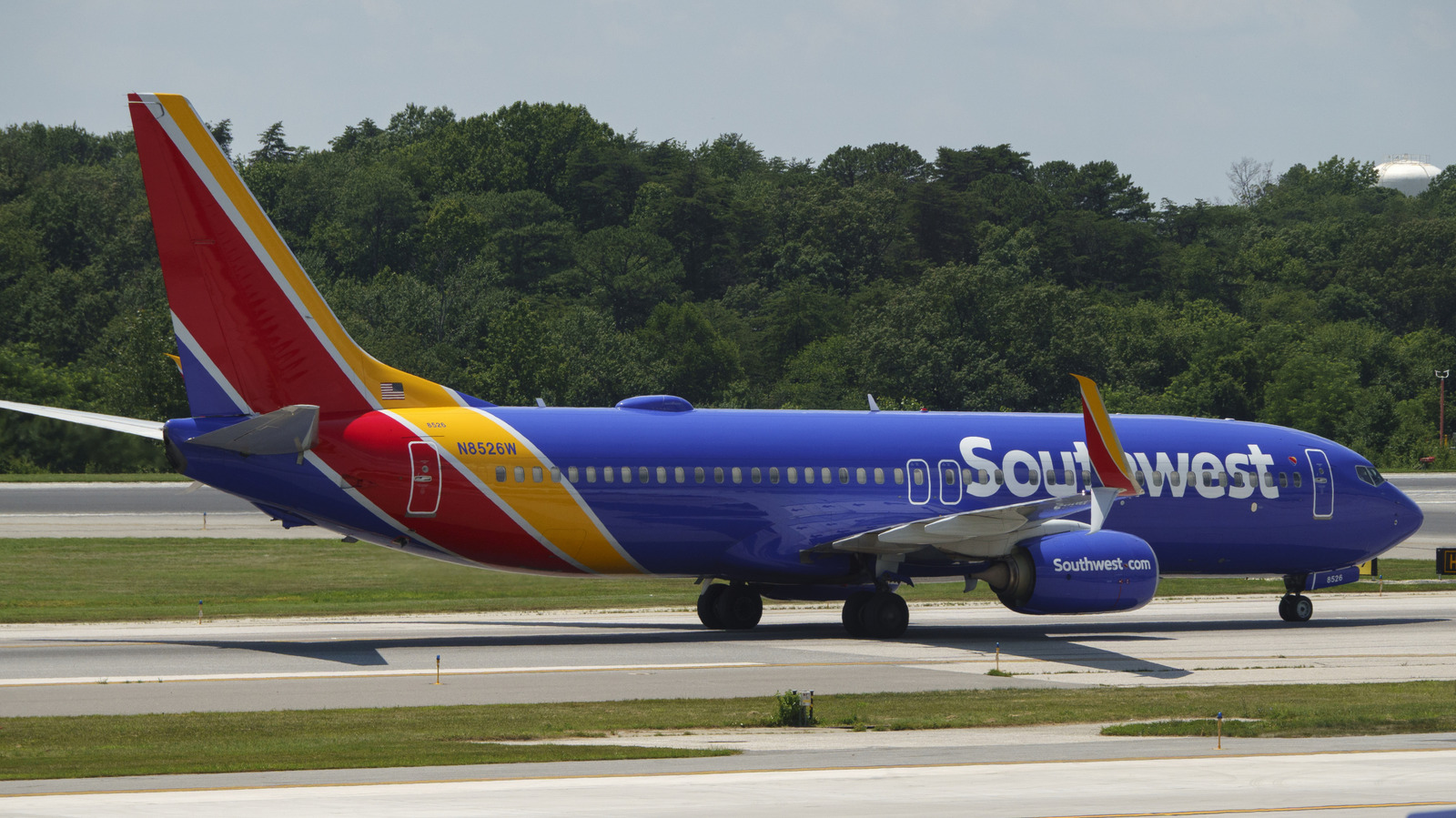
Take, for example, the recent incident involving two blind passengers who were left behind at the gate by a major airline. They’d arrived on time and were waiting for pre-boarding assistance, but the plane left without them. The airline later apologized, but the damage was done—trust was broken, and the passengers were left scrambling for alternatives.
How Do Airlines Typically Handle These Situations?
Airlines are quick to issue apologies and offer travel vouchers or meal credits when they’re at fault. But for the passengers affected, these gestures often feel hollow. According to the U.S. Department of Transportation, complaints about boarding and accessibility have been on the rise, with over 30% more reports filed in 2023 compared to the previous year. The numbers suggest a systemic issue rather than isolated mistakes.
Airlines are required by law to provide reasonable accommodations for passengers with disabilities, but enforcement can be spotty. The Air Carrier Access Act sets clear guidelines, yet stories of passengers being left behind or denied assistance continue to surface. In many cases, it’s up to the individual gate agent or crew member to ensure everyone boards safely—a process that can break down under pressure.
What Can Passengers Do to Protect Themselves?
While you can’t control every variable, there are a few steps you can take to reduce your risk. If you require assistance, notify the airline in advance and confirm your request at check-in and again at the gate. Don’t be shy about speaking up—sometimes, a gentle reminder is all it takes to keep you on the crew’s radar.
If you’re traveling alone and have specific needs, consider calling the airline’s customer service line the day before your flight. Document your interactions, and if something goes wrong, file a formal complaint with both the airline and the Department of Transportation. Realistically, these steps won’t guarantee perfection, but they do increase your chances of a smooth experience.
Are There Any Signs That Things Are Improving?
There’s some good news on the horizon. Several airlines have started investing in better training for their staff, focusing on accessibility and customer service. A 2024 report from the National Disability Rights Network found that airlines implementing these programs saw a 15% drop in complaints related to boarding assistance. It’s not a cure-all, but it’s a step in the right direction.
Technology is also playing a role. Some airports now use digital tracking systems to monitor passengers who need extra help, reducing the odds that someone gets left behind. And advocacy groups are pushing for stricter penalties when airlines fail to meet accessibility standards.
What Should You Do If You’re Left Behind?
First, don’t panic. Head straight to the nearest customer service desk and explain what happened. Request written confirmation of the incident and ask for immediate rebooking. If you have a connecting flight or urgent plans, let them know—airlines are more likely to prioritize your case if you’re clear about your needs.
Next, document everything. Names, times, what was said—these details matter if you need to escalate your complaint. And don’t hesitate to reach out to advocacy organizations if you feel your rights were violated. Sometimes, a little outside pressure can make all the difference.
The big takeaway? Air travel isn’t about perfection—it’s about smarter adjustments. Start with one change this week, and you’ll likely spot the difference by month’s end. Whether it’s double-checking your assistance request or simply speaking up at the gate, a proactive approach can turn a stressful situation into a manageable one. Safe travels, and may your next boarding experience be smooth sailing.