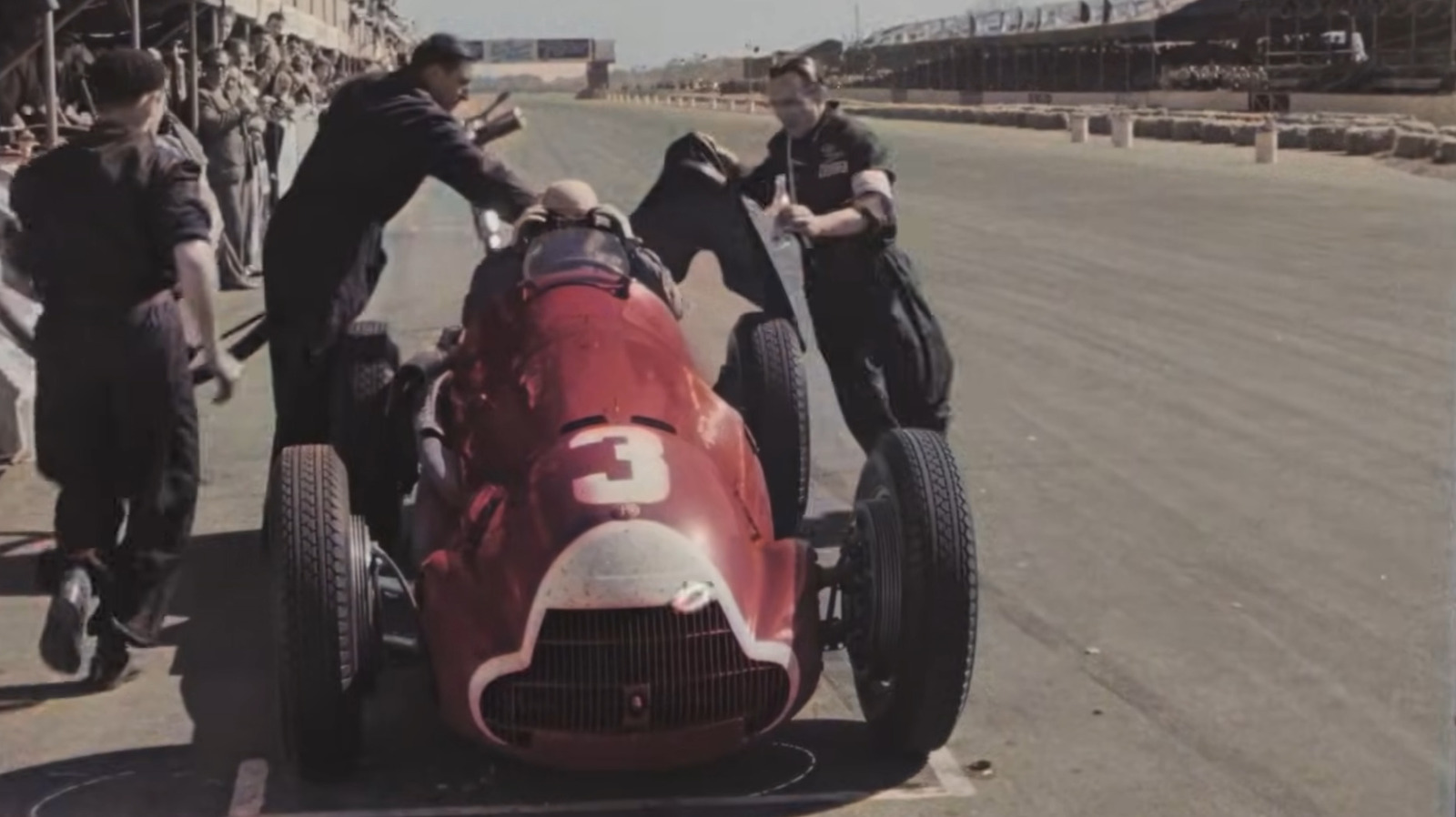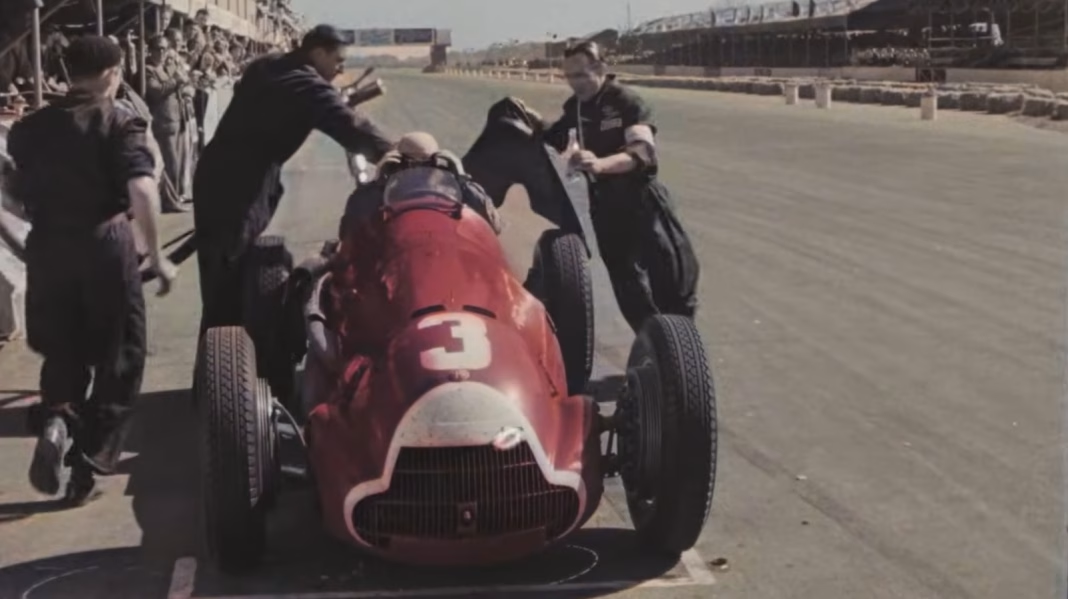
In the world of motorsport, few stories are as captivating as the rise of Alfa Romeo in the inaugural season of Formula 1. Picture this: it’s 1950, and the air is thick with excitement as the first championship races unfold. While the Indy 500 saw no European entrants, every other championship race that year was dominated by Alfa Romeo. This was a time when racing was raw, and the machines were as much a part of the spectacle as the drivers themselves.
How Did Alfa Romeo Achieve Such Dominance?
Alfa Romeo’s success in 1950 wasn’t just a stroke of luck; it was the result of meticulous engineering, strategic planning, and a deep understanding of racing dynamics. The team brought to the track the Alfa Romeo 158, a car that combined a lightweight chassis with a powerful supercharged engine. This combination allowed the drivers to achieve remarkable speeds and cornering capabilities, setting them apart from their competitors.
The drivers themselves were legends in the making. With talents like Giuseppe Farina and Juan Manuel Fangio behind the wheel, Alfa Romeo had a formidable lineup. Farina clinched the first-ever World Championship title, while Fangio, who would later become a five-time world champion, showcased his incredible skill and tenacity. Their synergy with the car and the team’s strategic decisions made for a winning formula that was hard to beat.
What Were the Challenges of Early Formula 1 Racing?
While Alfa Romeo basked in glory, the early days of Formula 1 were not without challenges. The sport was still finding its identity, and teams faced numerous hurdles, from mechanical failures to the evolving safety standards that were yet to be fully established. The tracks were often treacherous, and the cars, though groundbreaking, were still in their infancy regarding safety features.
Moreover, the competition was fierce. Teams like Ferrari and Maserati were not far behind, constantly pushing the envelope in terms of technology and driver skill. The rivalry among these teams added an exciting layer to the races, making each event a nail-biting spectacle.
What Can Modern Fans Learn from 1950?
For today’s motorsport enthusiasts, the story of Alfa Romeo in 1950 serves as a reminder of the sport’s roots. It highlights the importance of innovation, teamwork, and the relentless pursuit of excellence. Modern fans often focus on the latest technology and data analytics, but the essence of racing remains the same: it’s about the thrill of competition and the passion for speed.
Additionally, the early days of Formula 1 teach us about resilience. Teams had to adapt quickly to challenges, whether it was mechanical issues or fierce competition. This adaptability is just as crucial in today’s fast-paced world, whether in motorsport or any other field.
What’s the Big Takeaway?
The story of Alfa Romeo’s dominance in 1950 isn’t just a nostalgic look back at racing history; it’s a testament to the power of innovation, teamwork, and resilience. While the machines have evolved and the stakes have grown higher, the core values of racing remain unchanged. The big takeaway? Success isn’t about perfection—it’s about smarter adjustments. So, whether you’re a racing fan or just someone looking to improve in your own pursuits, remember: start with one change this week, and you’ll likely spot the difference by month’s end.