If you don’t drive often, you might think your tires are safe from the wear and tear that comes with regular use. But here’s the kicker: tires can actually expire before they’ve even begun to wear down. So how do you know if your tires are still good to go, or if they’re past their prime? Let’s dive into the details.
What Causes Tires to Expire?
Tires are made from rubber and other materials that degrade over time, regardless of how much tread is left. Factors like UV exposure, temperature fluctuations, and even humidity can contribute to this deterioration. Essentially, tires age even when they’re sitting still in your garage. Most manufacturers recommend replacing tires every six to ten years, even if they look fine.
How to Check the Age of Your Tires
Wondering how to find out how old your tires are? It’s pretty straightforward. Look for the DOT code on the sidewall of the tire. This code includes a four-digit number that indicates the week and year the tire was manufactured. For example, if the code reads “2319,” that means the tire was made in the 23rd week of 2019. If your tires are approaching or past the six-year mark, it’s time to start considering a replacement, even if they seem to have plenty of tread left.
Signs Your Tires Might Be Expired
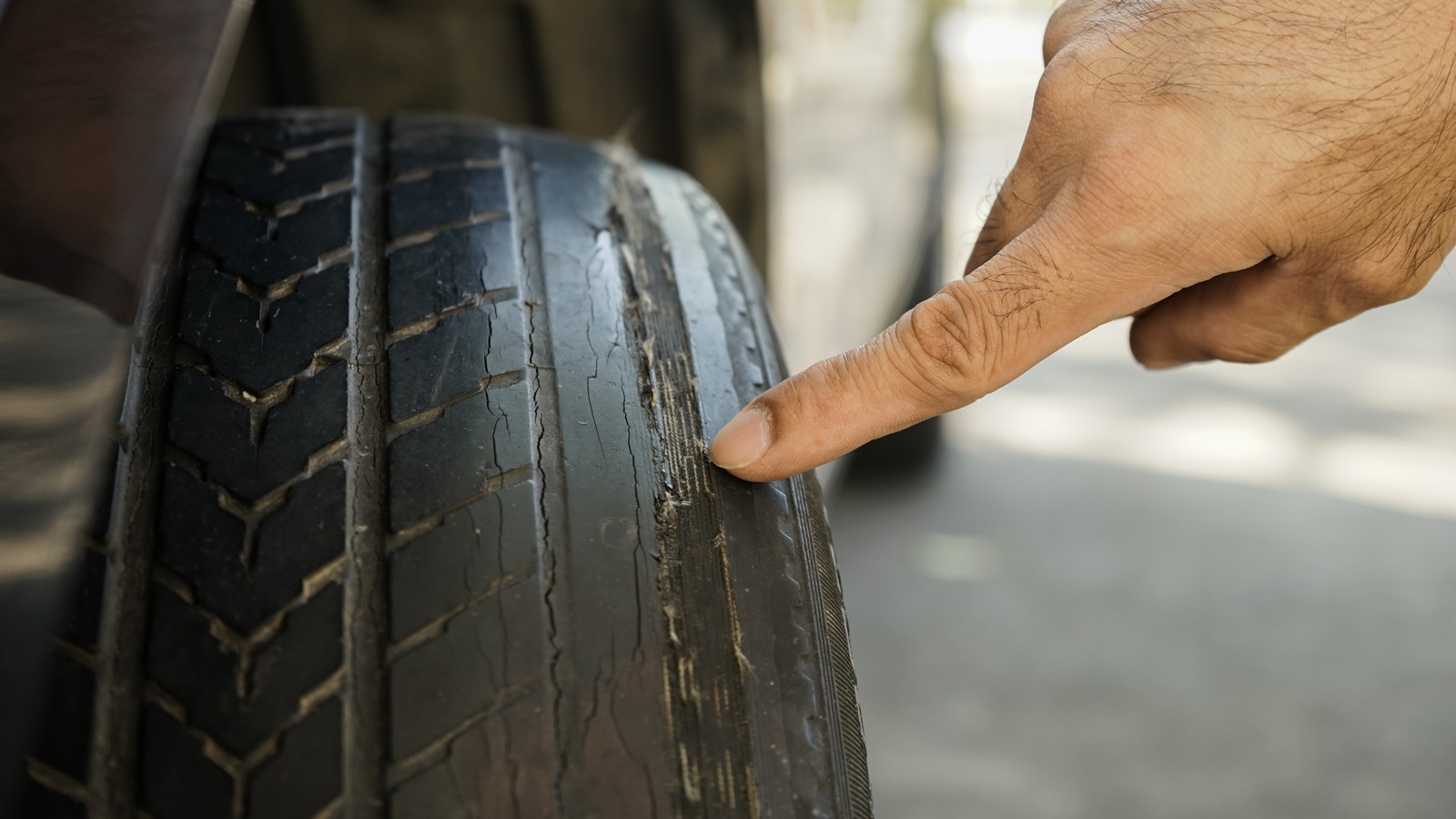
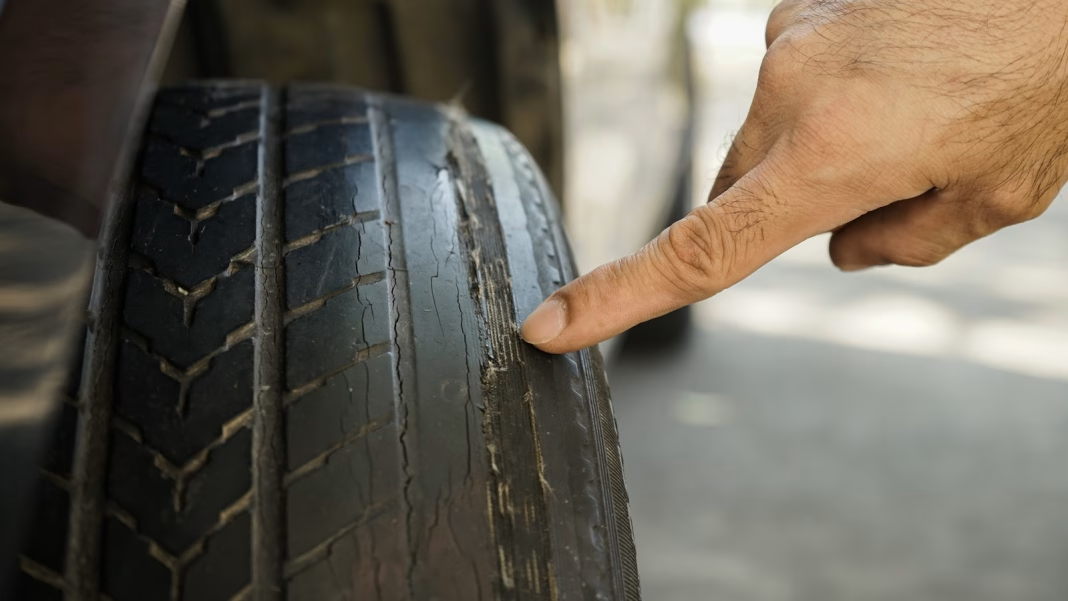
Besides checking the age, there are a few telltale signs that your tires might be on their last legs. Cracks or cuts in the sidewalls are major red flags. If you notice any bulges or blisters, that’s another sign that the structural integrity of the tire is compromised. And don’t forget about the tread depth. If your tires are worn down to 2/32 of an inch or less, they’re legally considered bald and should be replaced immediately.
The Importance of Regular Inspections
Even if you’re not driving much, it’s wise to inspect your tires regularly. A quick visual check can help you catch any issues early on. Look for uneven wear patterns, which could indicate alignment problems or other issues with your vehicle. And don’t skip the pressure check! Under-inflated tires can lead to blowouts, while over-inflated ones can wear out faster.
What to Do If Your Tires Are Expired
If you find that your tires are indeed expired, don’t panic. It’s a common issue, and the solution is simple: replace them. When shopping for new tires, consider factors like your driving habits, climate, and the type of vehicle you have. There are plenty of options out there, from all-season tires to performance tires, so you can find the perfect fit for your needs.
The Big Takeaway? Tires aren’t just about tread depth; they have a shelf life too. If you’re not driving much, keep an eye on the age and condition of your tires. Make it a habit to check them regularly, and don’t hesitate to replace them when necessary. Start with one small adjustment this week—like checking that DOT code—and you’ll likely spot the difference in your peace of mind by the end of the month.