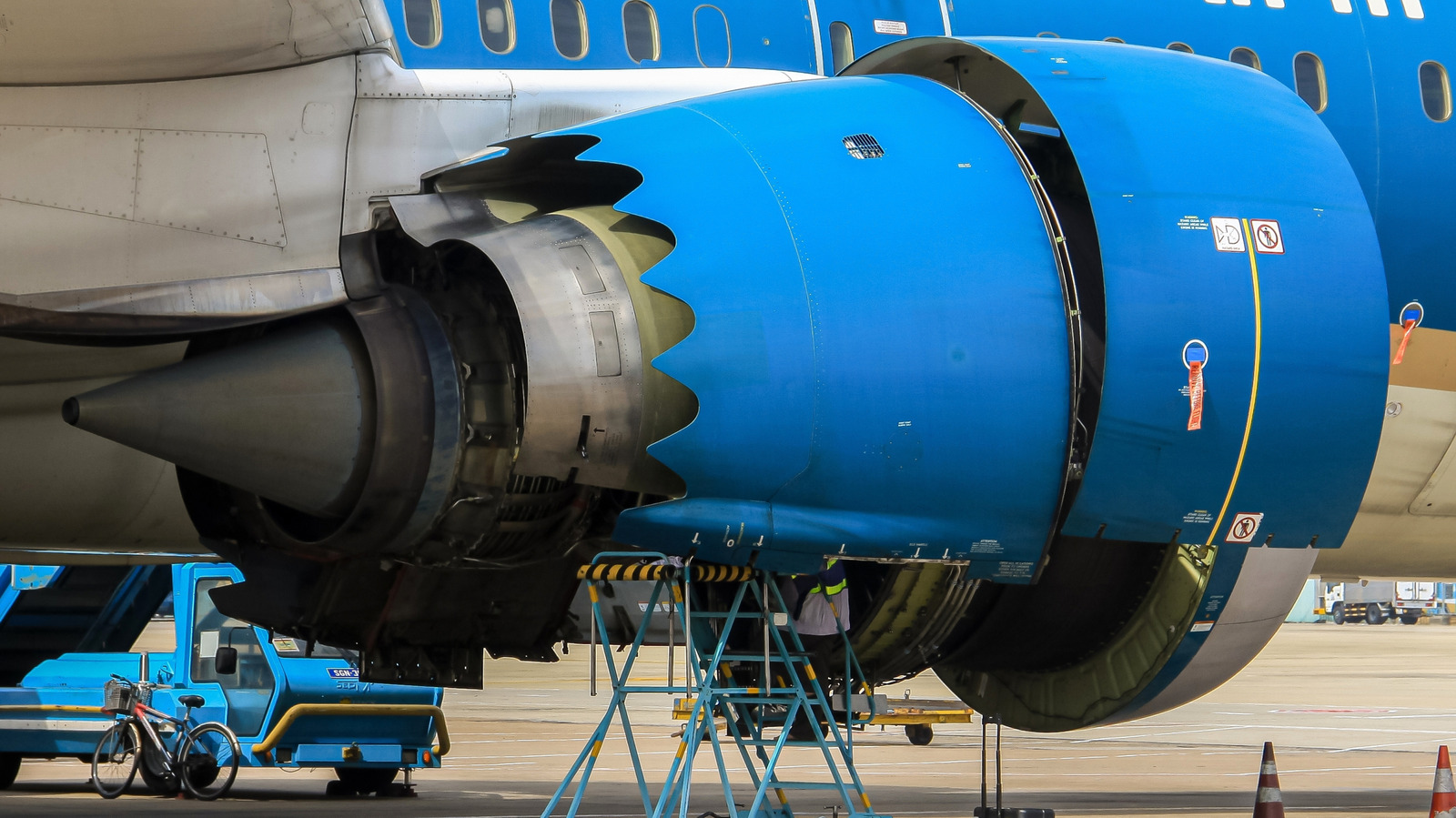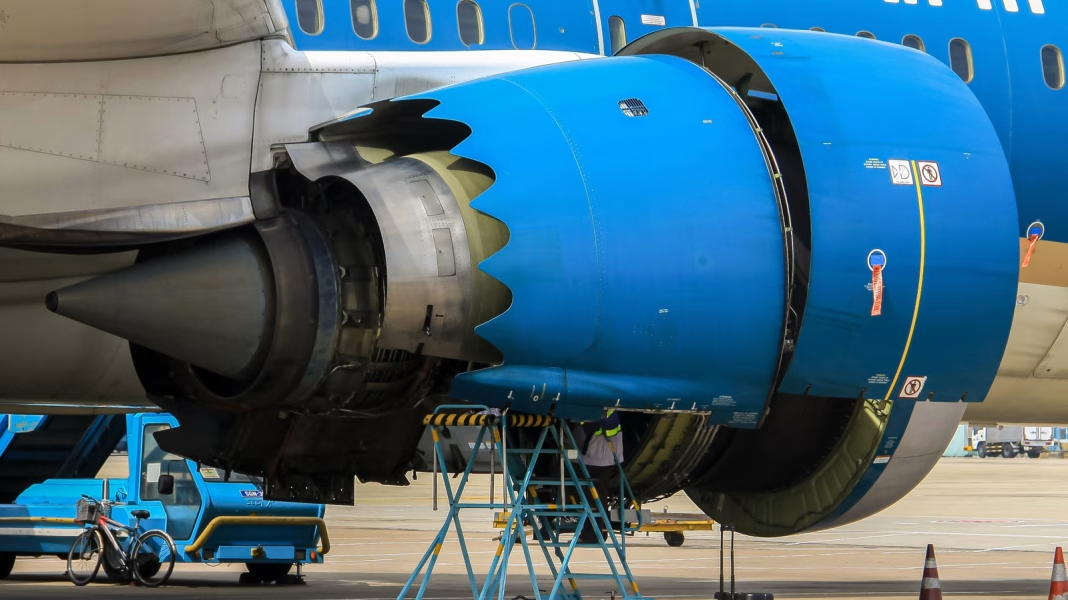
Have you ever noticed those distinctive chevrons on the engines of many commercial jets? They’re not just for show; they play a crucial role in reducing noise and improving fuel efficiency. However, when it comes to Boeing’s latest marvel, the 777X, you won’t find those chevrons gracing its engines. So, what’s the story behind this design choice, and why does it matter?
Understanding Engine Chevrons
First off, let’s dive into what chevrons actually do. These unique shapes, often seen on the nacelles of jet engines, help manage the airflow around the engine. By smoothing out the turbulent air that can create noise, chevrons significantly reduce the sound produced during takeoff and landing. This is particularly important for airports located near residential areas, where noise pollution can be a major concern.
In addition to noise reduction, chevrons can also enhance fuel efficiency. By improving the aerodynamics of the engine, they help the aircraft consume less fuel, which is a win-win for airlines looking to cut costs and reduce their environmental footprint.
Why the 777X Takes a Different Route
So, why has Boeing decided to forgo this feature on the 777X? The answer lies in the engine technology itself. The 777X is equipped with the GE9X engines, which utilize a different design philosophy. Instead of relying on chevrons, these engines incorporate advanced materials and technologies that achieve similar goals without the need for those distinctive shapes.
For instance, the GE9X engines feature a larger fan diameter and a higher bypass ratio, which means they can produce more thrust while operating at lower noise levels. This innovative design allows Boeing to meet stringent noise regulations without the traditional chevron design.
Real-World Implications
The decision not to include chevrons on the 777X could have broader implications for the aviation industry. As airlines continue to prioritize sustainability and efficiency, the development of new engine technologies that eliminate the need for traditional noise-reduction features could pave the way for future aircraft designs.
Moreover, the 777X is set to be a game-changer in terms of passenger comfort. With its larger windows, quieter cabin, and improved air quality, travelers can expect a more enjoyable flying experience. This focus on passenger experience, combined with cutting-edge technology, positions the 777X as a leader in the next generation of commercial aviation.
Looking Ahead
As the aviation industry evolves, it’s fascinating to see how design choices reflect broader trends in technology and environmental responsibility. While chevrons have been a staple in aircraft design for years, the 777X shows that innovation can lead to new solutions that meet the same goals—if not better.
The big takeaway? The absence of chevrons on the 777X isn’t a step backward; it’s a leap forward into a new era of aviation technology. Keep an eye on this aircraft as it takes to the skies, because it’s not just about flying; it’s about flying smarter.