What Was Boeing’s First Airplane, and Why Don’t More People Know About It?
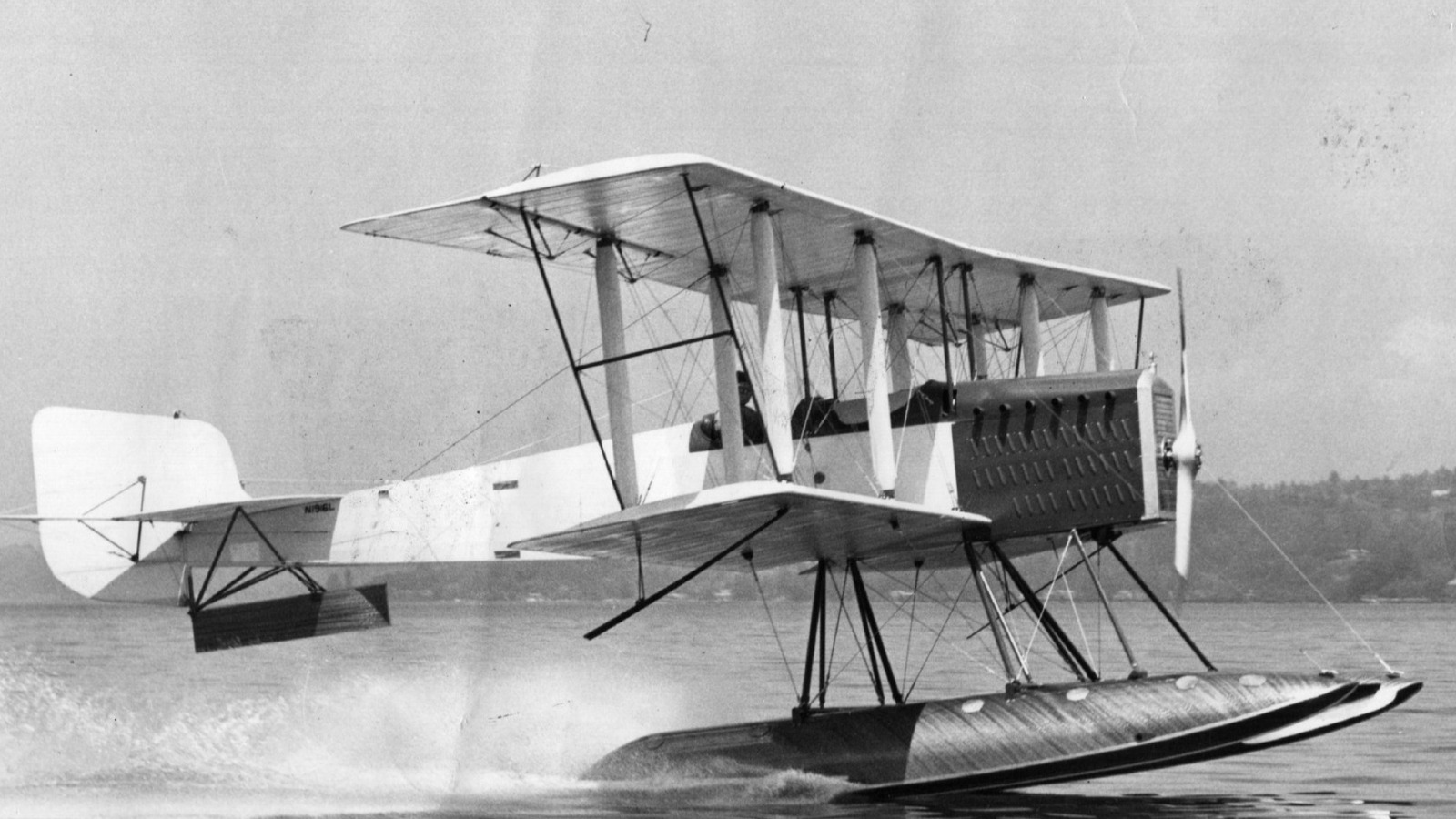
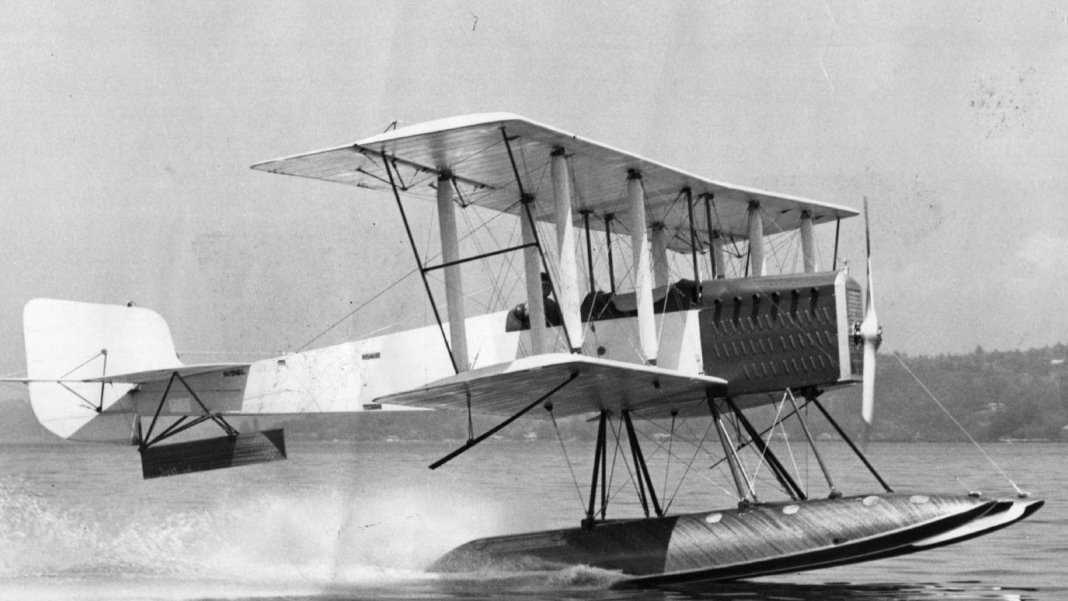
When you think of Boeing, images of massive jets like the 747 or the sleek 787 Dreamliner probably spring to mind. But rewind to the very beginning, and you’ll find a story that’s far less about global aviation dominance and more about a handful of dreamers tinkering with wood and fabric. Boeing’s first-ever airplane wasn’t a behemoth at all—it was a modest little seaplane called the B&W, and its story is as fascinating as it is mysterious.
How Did the B&W Seaplane Come to Be?
Back in 1916, William Boeing and his friend George Conrad Westervelt, a Navy engineer, set out to build something entirely new. The result was the B&W, named after their initials. This was no luxury liner of the skies. The B&W was a tiny, single-engine biplane designed to take off and land on water. It was built in a boathouse on the edge of Lake Union in Seattle, using spruce wood and linen fabric—materials that would seem laughably fragile by today’s standards.
The B&W wasn’t just a technical experiment. It was a leap of faith. At the time, aviation was still in its infancy, and the idea of flying over water was downright daring. Yet, in June 1916, the B&W took its first flight, marking the birth of what would become one of the world’s most influential aerospace companies.
What Happened to the Original B&W Seaplane?
Here’s where things get a bit murky. Unlike the carefully preserved prototypes you’ll find in museums today, the original B&W’s fate is shrouded in mystery. After its early test flights, Boeing sold the plane to the New Zealand Flying School, where it was used to train pilots. For a while, it played a small but significant role in the development of aviation in the Southern Hemisphere.
But after a few years, the trail goes cold. There are no confirmed records of what happened to the B&W after its time in New Zealand. Some speculate it was dismantled for parts, others think it might have been lost to the elements. Either way, the world’s first Boeing airplane has vanished—leaving behind only a handful of grainy photos and a legacy that’s hard to overstate.
Why Does the B&W Matter in Today’s Aviation World?
It’s easy to dismiss the B&W as a footnote in Boeing’s history, but that little seaplane set the tone for everything that followed. The B&W’s design was innovative for its time, featuring a lightweight frame and a powerful Hall-Scott engine. More importantly, it proved that a small team with big ideas could make a real impact.
Fast forward to today, and you’ll see echoes of that same spirit in Boeing’s latest projects. Whether it’s developing sustainable aviation fuels or pushing the boundaries of autonomous flight, the company’s willingness to experiment traces straight back to that first seaplane. According to the Smithsonian National Air and Space Museum, early aviation pioneers like Boeing laid the groundwork for the modern aerospace industry by taking risks and learning from failure—a lesson that still resonates.
Are There Any Surviving Pieces or Replicas of the B&W?
If you’re hoping to see the original B&W in a museum, you’re out of luck. However, Boeing has built detailed replicas for display, most notably at the Museum of Flight in Seattle. These replicas aren’t just for show—they’re a tangible reminder of how far aviation has come. Standing next to one, you can’t help but marvel at how a company that started with a single, hand-built seaplane now helps connect continents.
What Can Modern Innovators Learn from Boeing’s Humble Beginnings?
There’s a reason stories like the B&W’s stick with us. They remind us that innovation rarely starts with a bang. More often, it’s a series of small, sometimes clumsy steps—each one building on the last. Boeing’s journey from a lakeside boathouse to a global powerhouse is proof that you don’t need perfect conditions or unlimited resources to make history. You just need the guts to try.
The big takeaway? Chasing big dreams isn’t about perfection—it’s about smarter adjustments. Start with one change this week, and you’ll likely spot the difference by month’s end.