Why Do Boeing and Airbus Cockpits Feel So Different?
If you’ve ever wondered why pilots can’t just hop from a Boeing to an Airbus (or vice versa) without extra training, you’re not alone. On the surface, both companies build jets that do the same job: get people safely from point A to point B. But step inside the cockpit, and you’ll find two worlds apart. Let’s dig into what makes these control schemes so different—and why it matters.
What’s the Big Deal About Cockpit Controls?
Imagine you’re switching from driving a car with a manual transmission to one with a push-button automatic. Sure, both are cars, but your muscle memory and instincts don’t transfer perfectly. That’s what happens when pilots move between Boeing and Airbus aircraft.
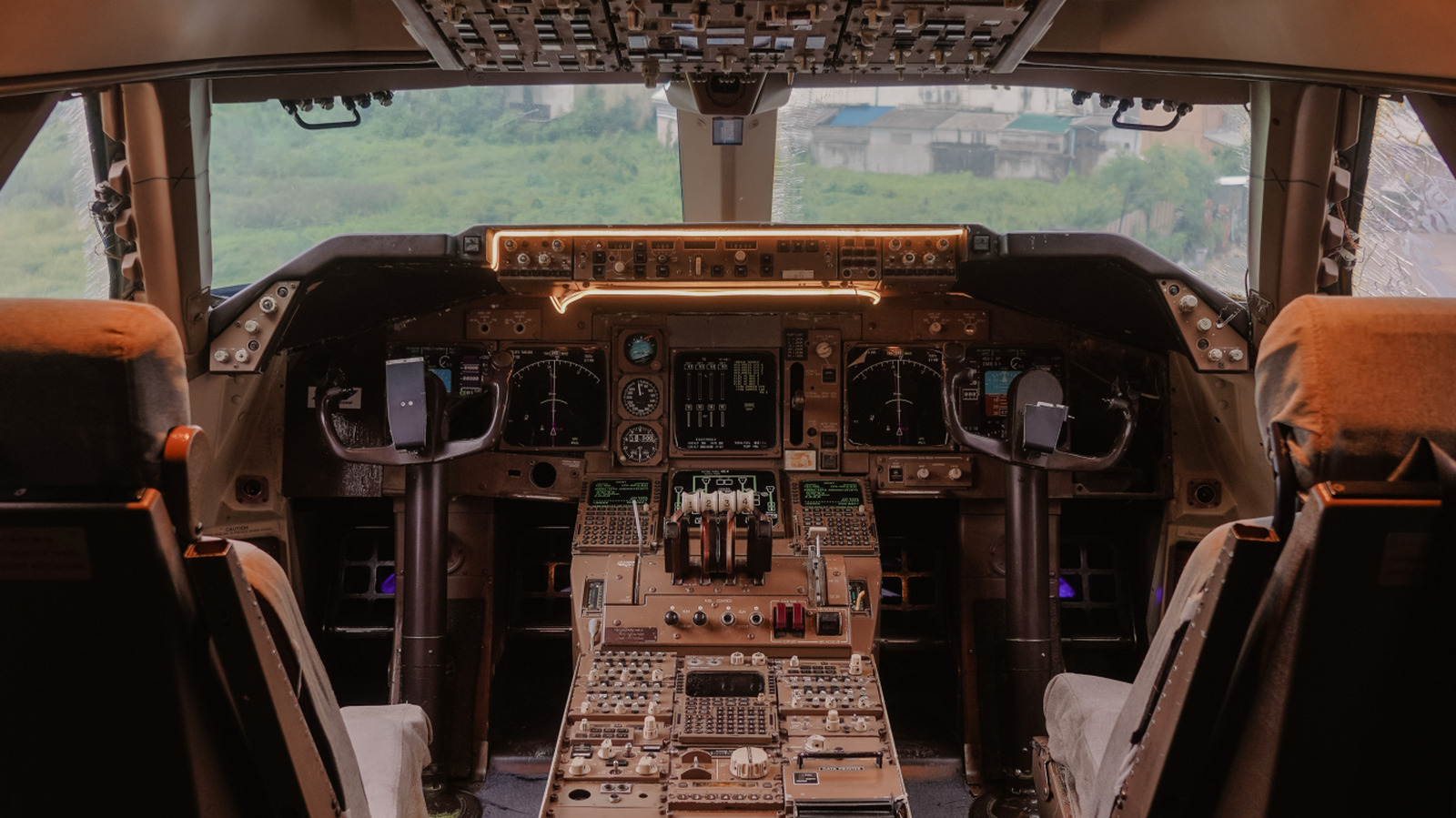
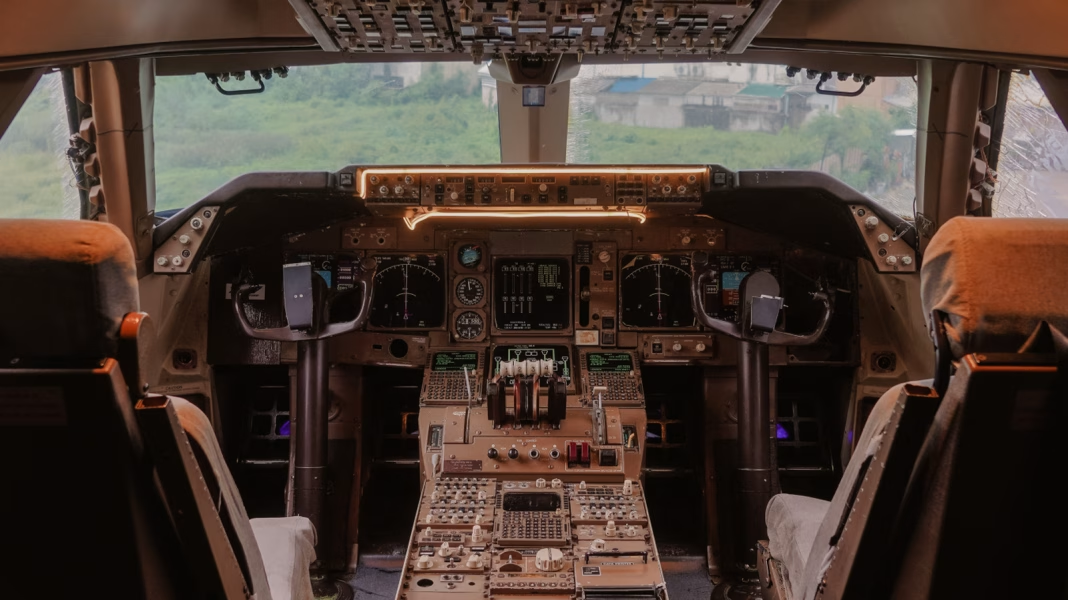
Boeing cockpits are built around the traditional yoke—a steering wheel-like control that’s smack in front of the pilot. It’s tactile, mechanical, and gives direct feedback. Airbus, on the other hand, uses a side-stick controller, which looks more like a joystick and sits off to the side. The difference isn’t just about comfort; it fundamentally changes how pilots interact with the plane.
How Do These Differences Affect Pilot Training?
Switching between these two systems isn’t as simple as learning where the buttons are. Boeing’s yoke is physically connected to the control surfaces, so pilots feel resistance and feedback directly. With Airbus, the side-stick is electronic—fly-by-wire—meaning the pilot’s inputs are interpreted by computers before reaching the plane’s control surfaces.
This means pilots trained on one system can’t just “wing it” on the other. The way you handle emergencies, the cues you rely on, and even the muscle memory for basic maneuvers all shift. According to the Federal Aviation Administration (FAA), pilots must undergo type-specific training and certification before they’re allowed to operate a different aircraft family. It’s not just a bureaucratic hurdle—it’s about safety.
What’s It Like for Pilots Making the Switch?
Ask any pilot who’s transitioned between Boeing and Airbus, and you’ll hear stories of awkward moments and relearning habits. For example, in a Boeing, both pilots’ yokes move together, so you can see and feel what your co-pilot is doing. In an Airbus, the side-sticks are independent—one pilot can be pulling back while the other pushes forward, and unless you’re watching the instruments, you might not notice.
This difference has real-world implications. In 2009, the crash of Air France Flight 447 highlighted how confusion over side-stick inputs contributed to disaster. Since then, airlines and regulators have doubled down on the importance of thorough retraining.
Why Did Boeing and Airbus Choose Such Different Designs?
It’s not just a matter of corporate stubbornness. Boeing’s philosophy has always leaned toward giving pilots more direct control and feedback. Their systems are designed to keep the pilot “in the loop,” with automation as a helpful assistant rather than a boss.
Airbus, meanwhile, embraced automation early. Their fly-by-wire system is designed to prevent pilots from making certain mistakes, like exceeding safe flight limits. The side-stick and computer mediation mean the aircraft can override dangerous inputs. Some pilots love this, seeing it as a safety net. Others feel it takes too much control away.
Are There Any Moves Toward Standardization?
You might think the industry would want to standardize controls for safety and simplicity. But so far, both Boeing and Airbus are sticking to their guns. Each has decades of design philosophy and pilot training invested in their systems. Plus, airlines often commit to one manufacturer for their entire fleet, so cross-training isn’t always a daily concern.
That said, there’s growing interest in making cockpit interfaces more intuitive, especially as pilot shortages loom and airlines look to streamline operations. Some regional jet makers have tried hybrid approaches, but for now, the big two remain distinct.
What Does This Mean for Passengers?
For most travelers, these differences are invisible. But behind the scenes, they shape everything from pilot schedules to safety protocols. Airlines spend millions every year on simulator time and retraining to ensure their crews are ready for whichever jet they’re assigned. It’s a big investment, but it pays off in the form of safer skies.
The big takeaway? Mastering Boeing or Airbus isn’t about perfection—it’s about smarter adjustments. Start with one change this week, and you’ll likely spot the difference by month’s end. For pilots, that might mean a new checklist or a few extra hours in the simulator. For passengers, it’s a reminder that the folks up front are trained to handle whatever cockpit they’re in—even if it means learning a whole new way to fly.