Why Did Boeing and the U.S. Air Force Consider an Airborne Aircraft Carrier in 1973?
Picture this: the early 1970s, a time when Cold War tensions were running high and military innovation was moving at breakneck speed. In 1973, Boeing and the U.S. Air Force seriously explored a bold idea—transforming a massive airplane into a flying aircraft carrier. The concept? Launch and recover smaller fighter jets midair, far from any vulnerable ground base. It sounds like something straight out of a science fiction novel, but the motivation was very real.
The U.S. military was always looking for ways to project power globally, especially in regions where building or defending traditional airbases was risky or impossible. An airborne carrier could, in theory, keep fighter jets on station for longer, deploy them closer to contested airspace, and make it much harder for adversaries to predict or strike at American air power. The idea wasn’t entirely new—similar concepts had been floated as far back as the 1930s with airships like the USS Akron and USS Macon, which carried small biplanes in their bellies. But by the 1970s, jet technology and aerial refueling had advanced enough that the dream seemed almost within reach.
What Would an Airborne Aircraft Carrier Actually Look Like?
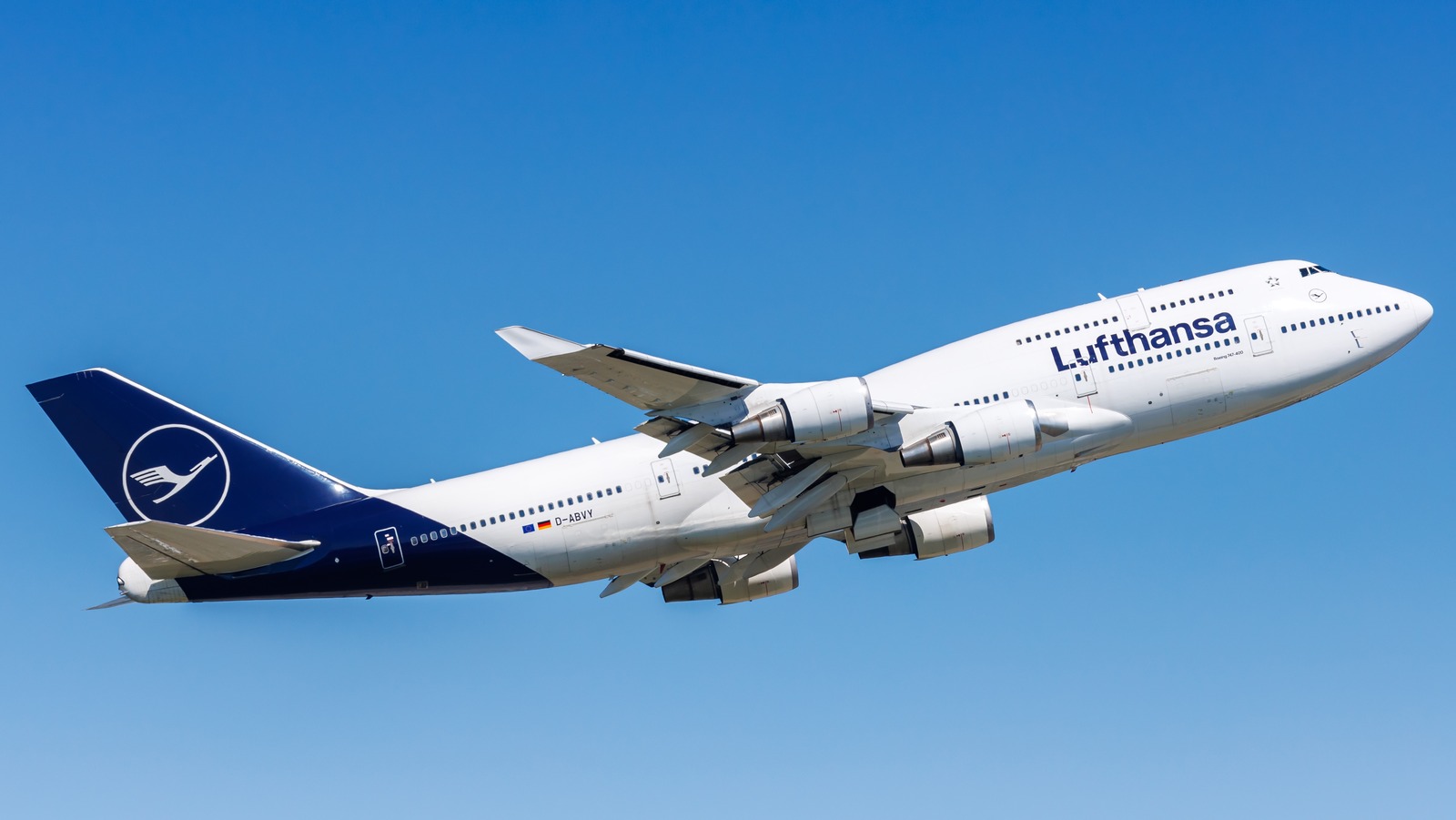
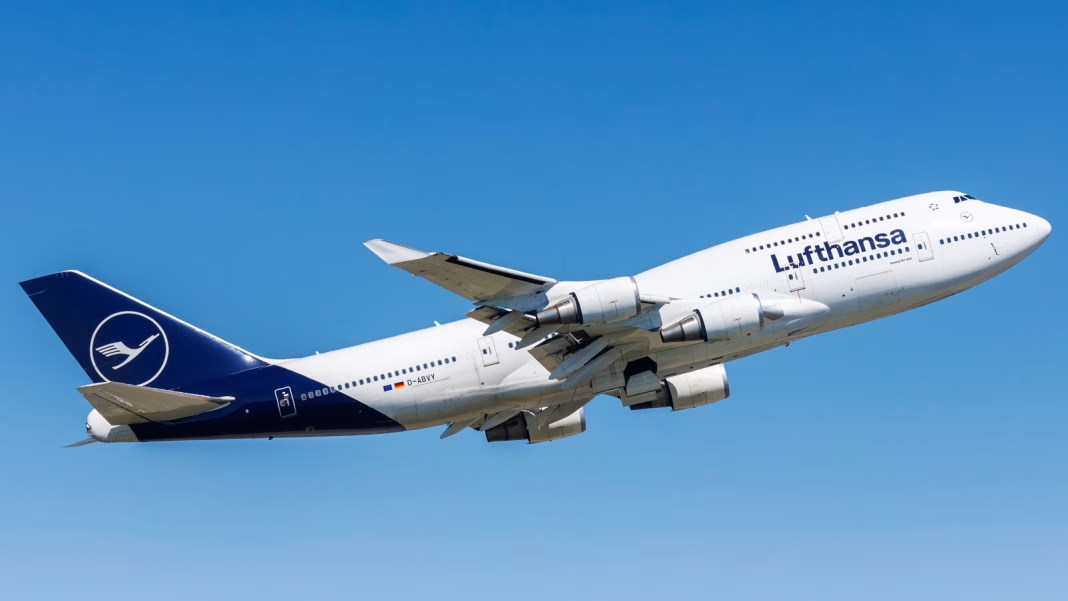
Let’s break down the vision. Boeing’s plan centered around a heavily modified Boeing 747, one of the largest commercial jets of its era. The idea was to gut the passenger cabin and fill it with launch and recovery systems for a handful of microfighters—compact, lightweight jets designed specifically for this airborne mothership. These microfighters would be able to launch from the 747 while it cruised at high altitude, complete their missions, and then dock back with the carrier for refueling and redeployment.
The engineering challenges were immense. Imagine the precision required for a jet to hook back onto a moving 747 in turbulent skies. The launch mechanisms had to be robust yet compact, and the microfighters themselves needed to be agile, powerful, and small enough to fit inside the carrier. It was a logistical puzzle with hundreds of moving pieces, each one critical to the success of the whole operation.
Why Didn’t the Airborne Aircraft Carrier Become Reality?
So, if the idea was so promising, why didn’t it take off—literally? The answer comes down to a mix of technical hurdles, cost, and changing military priorities. First, the docking and recovery of jets in midair proved to be a nightmare. Even with today’s technology, aerial refueling is tricky; safely capturing a jet at speed, in all weather conditions, was a leap too far for the 1970s.
Then there was the issue of vulnerability. A 747-sized airborne carrier would be a massive, slow-moving target for enemy missiles. Unlike a traditional aircraft carrier at sea, which can maneuver and deploy countermeasures, a plane in the sky has limited options for defense. The cost of developing, building, and maintaining such a complex system also ballooned quickly, especially when compared to more conventional solutions like aerial refueling tankers and forward-deployed bases.
Finally, the U.S. military’s needs evolved. Advances in stealth technology, long-range bombers, and satellite reconnaissance shifted the focus away from airborne carriers. By the late 1970s, the project had quietly faded into the background, joining a long list of ambitious military ideas that never quite made it off the drawing board.
Have There Been Other Attempts at Flying Aircraft Carriers?
Absolutely. The fascination with airborne motherships goes back nearly a century. In the 1930s, the U.S. Navy’s airships carried tiny Sparrowhawk biplanes, which could be launched and retrieved using a trapeze system. During the Cold War, the U.S. experimented with the XF-85 Goblin, a “parasite” fighter designed to be carried inside the bomb bay of a B-36 bomber. The Goblin could launch in flight, but docking proved so dangerous and difficult that the project was scrapped after just a handful of test flights.
More recently, the concept has resurfaced in a new form: drone motherships. In 2016, DARPA (the Defense Advanced Research Projects Agency) began exploring the idea of launching and recovering swarms of drones from larger aircraft. These modern efforts leverage advances in automation, miniaturization, and artificial intelligence, sidestepping some of the human factors that doomed earlier projects.
Could We See Airborne Aircraft Carriers in the Future?
Never say never. While the classic vision of a 747 packed with fighter jets may be a relic of the past, the underlying logic—projecting air power flexibly and unpredictably—remains as relevant as ever. With the rapid pace of drone development, it’s not hard to imagine future motherships launching and recovering autonomous aircraft for reconnaissance, electronic warfare, or even combat missions.
The U.S. Air Force and DARPA are already testing systems where cargo planes like the C-130 can deploy and retrieve drones midair. These efforts are still in their infancy, but they point to a future where the airborne carrier concept could return in a new, more practical form.
What’s the Big Takeaway from Boeing’s Airborne Aircraft Carrier Plan?
The big takeaway? Innovation in military aviation isn’t about perfection—it’s about smarter adjustments. The airborne aircraft carrier may not have made it into the skies, but the lessons learned continue to shape how we think about projecting power and staying one step ahead. Start with one bold idea this week, and you’ll likely spot the difference by month’s end.