What Was Boeing’s Supersonic Jet, and Why Did It Matter?
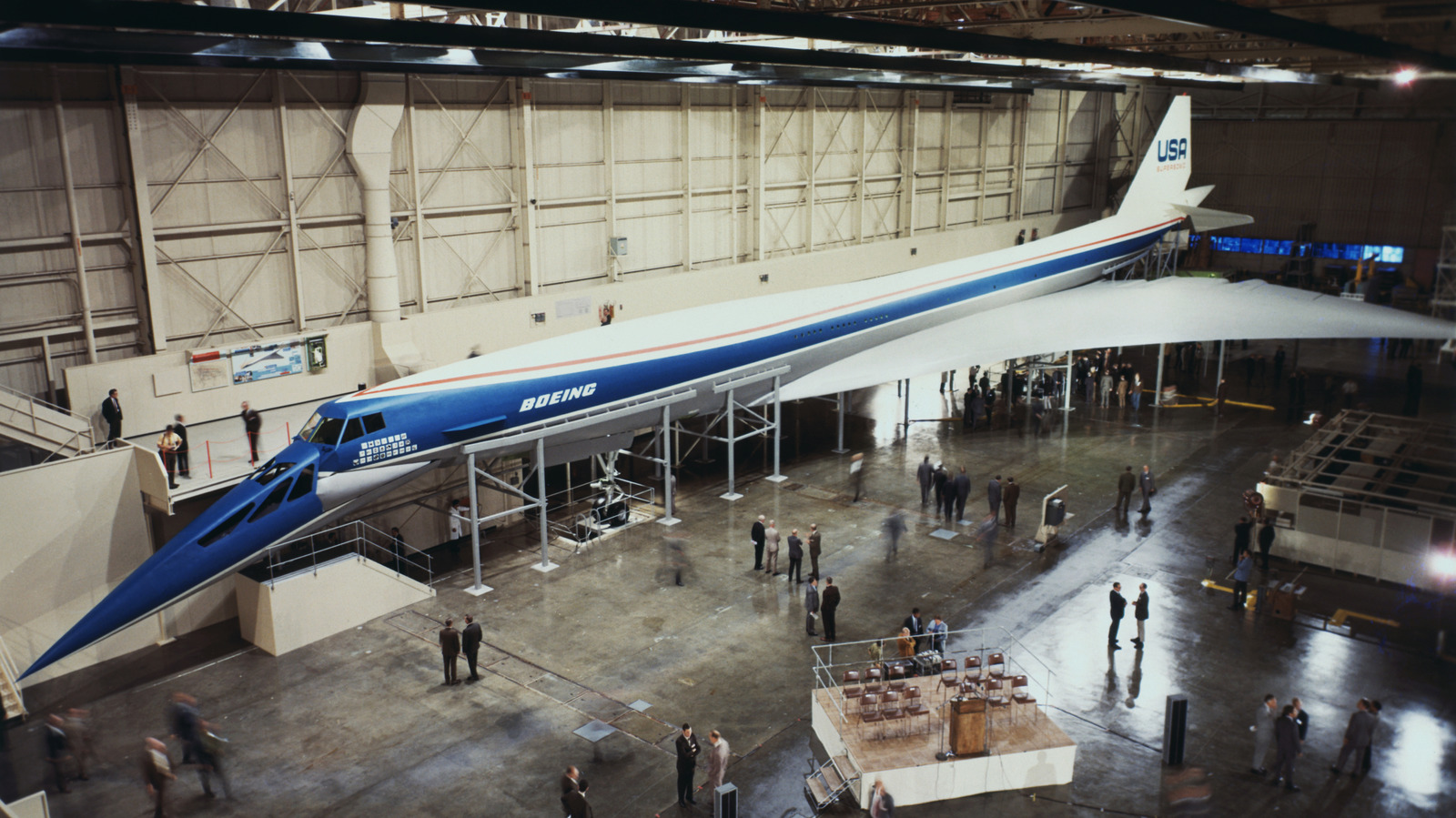
Back in the late 1960s and early 1970s, the world was gripped by the race to build the next big thing in aviation: a supersonic passenger jet. Boeing’s entry, known as the 2707, was America’s ambitious answer to the Concorde. The idea? A plane that could whisk travelers from New York to Los Angeles in just over two hours, flying at speeds topping Mach 2.7. That’s nearly three times faster than today’s commercial jets.
But this wasn’t just about speed. The 2707 symbolized American innovation at its boldest—an era when the sky really did seem like the limit. Billions of dollars and countless engineering hours were poured into the project. The stakes were high, and so was the excitement. Yet, despite the fanfare, the 2707 never made it off the ground. So, what happened?
How Did a Dream Jet End Up in a Florida Swamp?
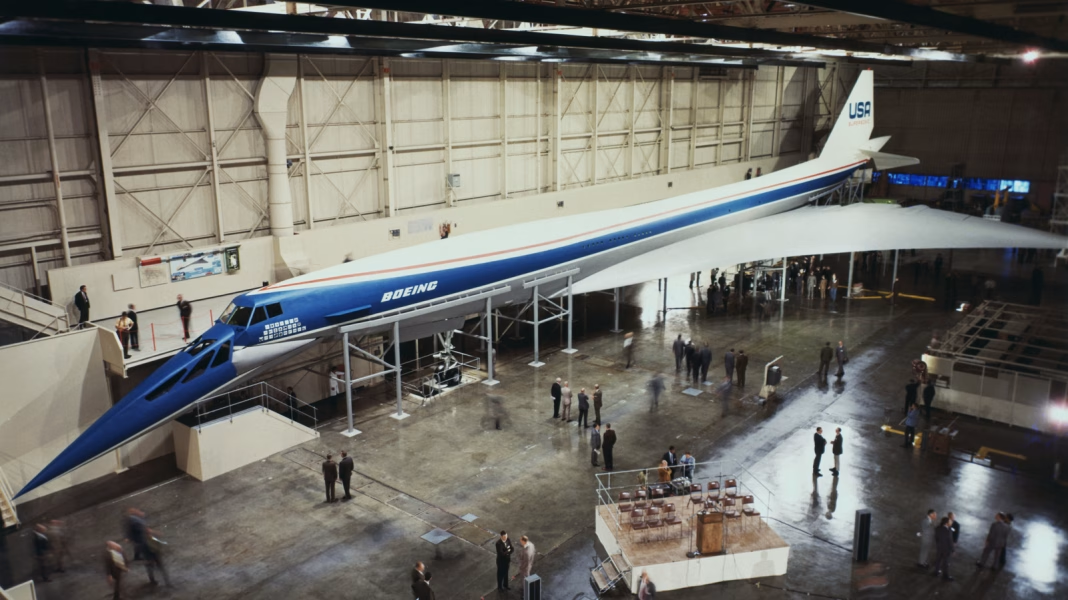
Here’s where the story takes a wild turn. After the project was canceled in 1971—mainly due to ballooning costs, environmental concerns, and shifting political winds—Boeing was left with a full-scale wooden mockup of the jet. This wasn’t just a model airplane; it was a massive, intricate prototype, built to test everything from cabin layout to aerodynamics.
With no clear future, the mockup was shipped across the country and ended up in an unlikely spot: a Florida swamp. Specifically, it found a home at the Florida Air Museum in Lakeland, where it sat for years, exposed to the elements. Imagine a cutting-edge piece of aviation history, slowly being reclaimed by nature—moss creeping up the landing gear, humidity warping the wood. It’s almost poetic, in a bittersweet way.
What Challenges Do Supersonic Jets Face Even Today?
The 2707’s fate wasn’t just about bad luck. Supersonic travel, then and now, faces a laundry list of hurdles. First, there’s the infamous sonic boom—a thunderous noise created when breaking the sound barrier. Communities under flight paths weren’t thrilled about the idea of windows rattling every time a jet zipped overhead.
Then there’s fuel consumption. Supersonic jets burn through fuel at a staggering rate, making them expensive to operate and not exactly eco-friendly. According to a 2022 report from the International Council on Clean Transportation, supersonic passenger jets could emit up to seven times more greenhouse gases per passenger than subsonic planes. That’s a tough sell in an era of climate consciousness.
And let’s not forget the economics. Building and maintaining a fleet of supersonic jets is eye-wateringly expensive. Even Concorde, the only commercial supersonic jet to ever fly, struggled to turn a profit before its retirement in 2003.
Why Did the 2707 Get Shipped Across the U.S.—Twice?
After its stint in Florida, the Boeing mockup wasn’t done traveling. Aviation enthusiasts and historians recognized its value, not just as a relic, but as a symbol of what might have been. So, it was carefully disassembled and shipped back to Seattle, Boeing’s hometown, for preservation.
This cross-country odyssey speaks volumes about the passion of the aviation community. They weren’t content to let this piece of history rot away. Instead, they rallied to save it, raising funds and awareness. Today, the mockup is a centerpiece at Seattle’s Museum of Flight, where visitors can walk through its cavernous interior and imagine what supersonic travel might have felt like.
What Lessons Can We Learn from Boeing’s Supersonic Saga?
The story of the 2707 is more than just a tale of a jet that never flew. It’s a reminder that innovation is messy, unpredictable, and often humbling. Sometimes, the most ambitious projects don’t pan out—not because the vision was wrong, but because the world wasn’t quite ready.
Yet, the dream of supersonic travel hasn’t died. Companies like Boom Supersonic and NASA are still chasing it, armed with better technology and a sharper focus on sustainability. They’re learning from the past—designing quieter, more efficient jets and working closely with regulators to address environmental concerns.
The big takeaway? Supersonic flight isn’t about perfection—it’s about smarter adjustments. Start with one change this week, and you’ll likely spot the difference by month’s end. The next breakthrough might just be waiting in the wings.