So you’ve decided to take the plunge and upgrade your car with a cat-back exhaust system. That’s exciting! Not only can it enhance your vehicle’s performance, but it can also give it a more aggressive sound that turns heads. But here’s the burning question: will it work without a tune? Let’s dive into the details.
What is a Cat-Back Exhaust System Anyway?
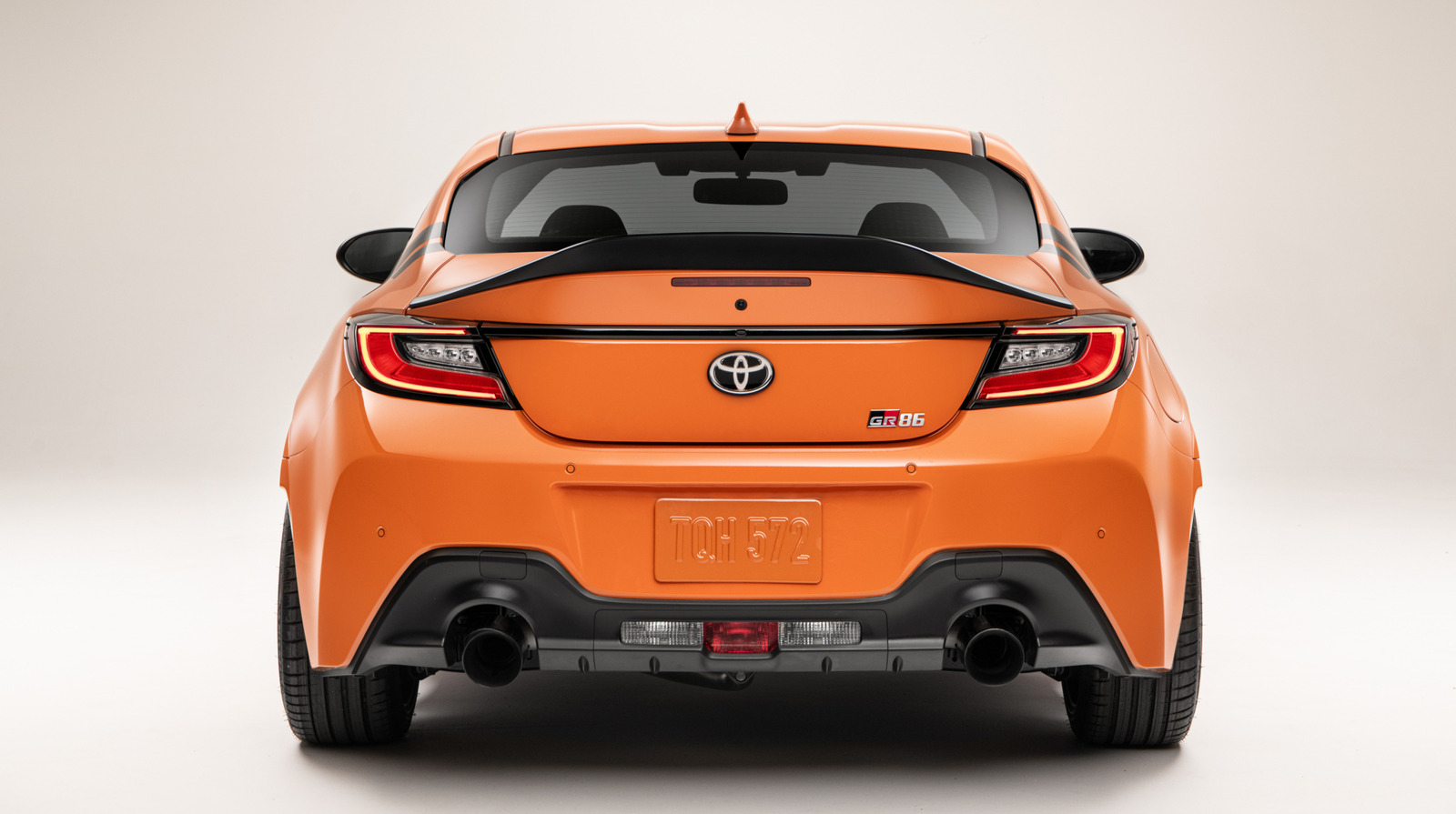
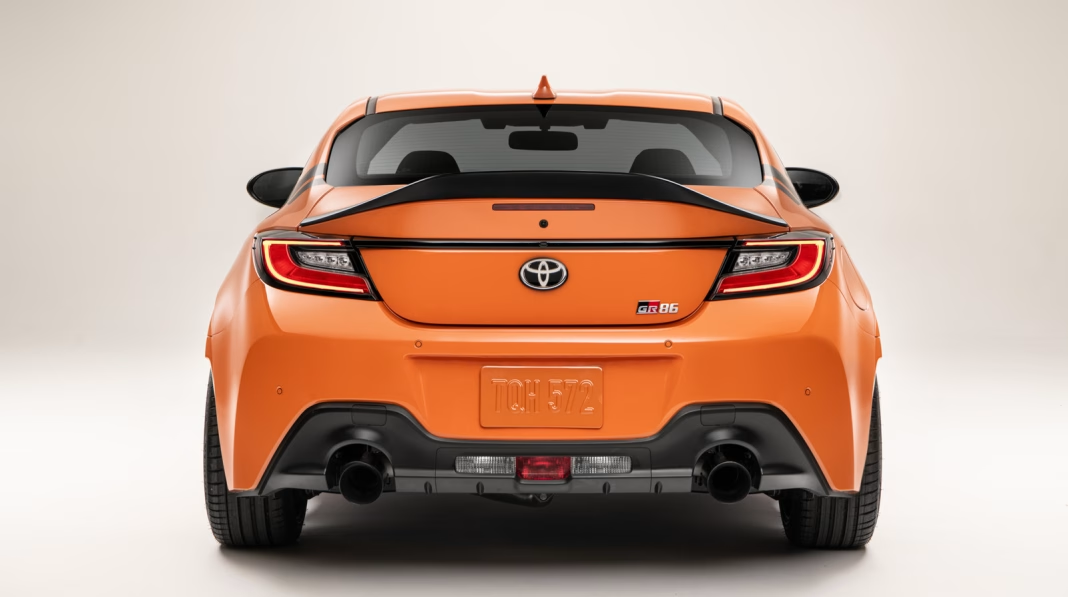
First off, let’s clarify what a cat-back exhaust system actually is. Essentially, it’s the section of the exhaust system that runs from the catalytic converter to the rear of the vehicle. This upgrade typically includes a new muffler, piping, and sometimes tips, all designed to improve exhaust flow. The result? Better performance, a sportier sound, and potentially an increase in horsepower.
Does It Need a Tune?
Now, onto the big question: do you need to tune your car after installing a cat-back exhaust? The short answer is: it depends. Many enthusiasts have successfully installed a cat-back system without a tune and noticed improvements in sound and performance. However, the extent of those improvements can vary based on several factors.
When you install a cat-back exhaust, you’re changing the way exhaust gases exit your vehicle. This can lead to a slight increase in horsepower and torque, especially if your car is naturally aspirated. However, without a tune, your engine management system may not fully optimize these changes. It might not adjust fuel maps or ignition timing to take full advantage of the new exhaust flow.
What Happens If You Don’t Tune?
If you skip the tune, you might still enjoy some benefits, but you could also run into a few issues. For instance, your car might run slightly lean, which can lead to engine knocking or reduced performance over time. Additionally, if your vehicle has a turbocharger or supercharger, the need for a tune becomes even more critical. These systems rely heavily on precise air-fuel ratios, and without a tune, you could risk damaging your engine.
Real-World Examples
Let’s look at a couple of real-world scenarios. Take a Honda Civic, for example. Many owners have reported noticeable improvements in throttle response and sound after installing a cat-back exhaust without a tune. They enjoy the enhanced driving experience and often feel it’s worth the investment. However, those who push their Civics to the limit on the track often opt for a tune to maximize performance gains.
On the other hand, if you’re driving a turbocharged vehicle like a Subaru WRX, skipping the tune after a cat-back exhaust installation is generally not recommended. The factory settings are optimized for specific exhaust flow, and changing that without recalibrating can lead to performance issues.
What Should You Do?
If you’re considering a cat-back exhaust, think about your goals. If you’re looking for a simple sound upgrade and a bit of performance boost, you might be fine without a tune. But if you want to maximize your car’s potential, especially if it’s turbocharged or supercharged, investing in a tune is a smart move.
Many tuners can adjust your vehicle’s settings to work harmoniously with the new exhaust system, ensuring you get the most out of your upgrade. Plus, it can help prevent any long-term damage to your engine.
The big takeaway? Upgrading to a cat-back exhaust isn’t just about the sound or a few extra horsepower—it’s about making sure your car runs smoothly and efficiently. If you’re serious about performance, consider pairing that exhaust with a tune. Start with one change this week, and you’ll likely spot the difference by month’s end.