
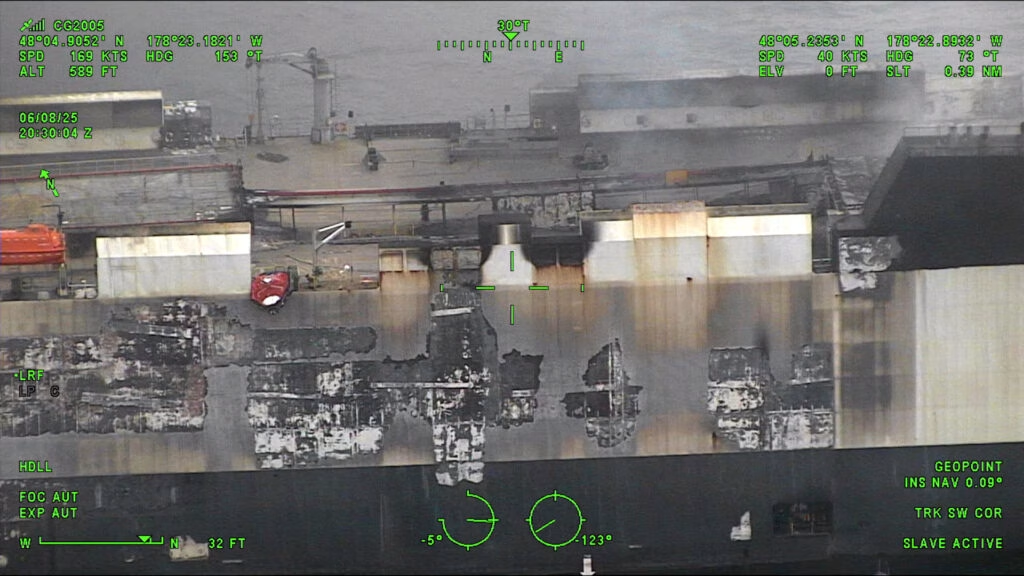
A cargo ship named Morning Midas is currently making headlines for all the wrong reasons. Abandoned after catching fire in the Pacific Ocean, this vessel was carrying over 3,000 cars, including a significant number of electric vehicles. The incident has raised questions about the safety of transporting electric cars and the challenges of managing fires at sea.
What Happened to the Morning Midas?
The Morning Midas, a 600-foot Liberian-flagged cargo ship, caught fire approximately 300 miles south of Adak, Alaska, just eight days into its journey from China to Mexico. The fire reportedly started near the stern and quickly spread, engulfing multiple decks. Despite the crew’s efforts to extinguish the flames using onboard fire-suppression systems, they were ultimately forced to abandon ship when it became clear that the situation was beyond control. Fortunately, all 22 crew members were rescued by a nearby merchant vessel, but the fate of the cars onboard remains uncertain.
Why Are Electric Vehicles a Concern?
Among the 3,048 vehicles on the Morning Midas, 70 were fully electric, and 681 were hybrid-electric. This incident highlights a growing concern in the shipping industry regarding the transport of electric vehicles. Fires involving lithium-ion batteries, which power most electric cars, can be particularly challenging to extinguish and can reignite even after being seemingly put out. This has led some shipping companies to reconsider their policies on carrying electric vehicles altogether.
The Risks of Transporting Electric Vehicles
The Morning Midas isn’t the first vessel to face such a crisis. In a similar incident three years ago, another cargo ship loaded with luxury cars, including Porsches and Lamborghinis, caught fire and ultimately sank after burning for two weeks. The insurance costs for that incident were staggering, with estimates reaching $155 million to replace the lost vehicles. As electric vehicles become more prevalent, the shipping industry must grapple with the unique risks they pose.
What’s Being Done to Address the Situation?
Salvage operations for the Morning Midas are underway, with the tug Gretchen Dunlap on the scene to assess the damage. The U.S. Coast Guard is closely monitoring the situation, emphasizing the importance of public safety and environmental protection. Rear Admiral Megan Dean has stated that they are working with Zodiac Maritime, the ship’s manager, to develop a safe and effective plan to manage the fire and its aftermath.
The Bigger Picture: What Does This Mean for the Future of Shipping?
As electric vehicles continue to gain traction in the automotive market, the shipping industry will need to adapt. While the Morning Midas incident is alarming, it serves as a wake-up call for stakeholders to develop better safety protocols and fire suppression systems for transporting electric vehicles. The reality is that as more electric cars hit the roads, they will also need to be shipped across oceans, and finding a balance between safety and efficiency will be crucial.
The big takeaway? The shipping of electric vehicles isn’t about perfection—it’s about smarter adjustments. Start with one change this week, and you’ll likely spot the difference by month’s end.