
Ever notice how your focus starts to fade after a couple of hours of work? You stare at the screen, tasks drag on, and even the simplest things feel harder than they should. Many people reach for coffee, but sometimes the real fix is a short, refreshing break—and a quick game might do the trick.
Casual games, played in short bursts, can sharpen your mind, lower stress, and reset your focus. Unlike endless scrolling on social media, which often leaves you drained, games actively engage your brain. A few minutes of light challenge can be just what you need to return to work with sharper concentration.
The Science of Short Gaming Breaks
Research in cognitive psychology shows that our brains are wired for deep focus in blocks of about 90 minutes. After that, performance drops unless we take a pause. Short breaks of 5 to 15 minutes are proven to restore energy and attention.
Casual games fit this perfectly because they:
-
Boost problem-solving – even simple puzzles increase cognitive flexibility.
-
Relieve stress – play triggers dopamine, lifting your mood.
-
Sharpen reflexes and memory – quick challenges keep the brain agile.
Unlike passive scrolling, games are interactive. They provide a light mental workout that leaves you refreshed instead of fatigued.
Best Games for a Quick Reset
The best games are short, fun, and have natural stopping points so you don’t get lost in them. Here are a few types:
-
Browser puzzles: 2048, Solitaire, or Tetris-style challenges.
-
Word and number games: Wordle, Sudoku, or other quick daily puzzles.
-
Brain-training apps: Short exercises on apps like Lumosity or Peak.
The key is to pick games you can play and stop easily—something that refreshes, not consumes, your break.
How to Play Without Getting Distracted
To keep gaming a productivity tool instead of a time-waster:
-
Set a timer for 5–10 minutes.
-
Choose games with clear endings (levels, puzzles, or daily limits).
-
Use them as rewards for completing a task.
-
Stay mindful—if you find yourself losing track of time, switch to stretching or walking instead.
Think of it as mental stretching, not an escape from work.
Why These Games Feel So Addictive
Casual games have a magic formula:
-
They’re easy to start but hard to master.
-
They offer instant rewards with scores or levels.
-
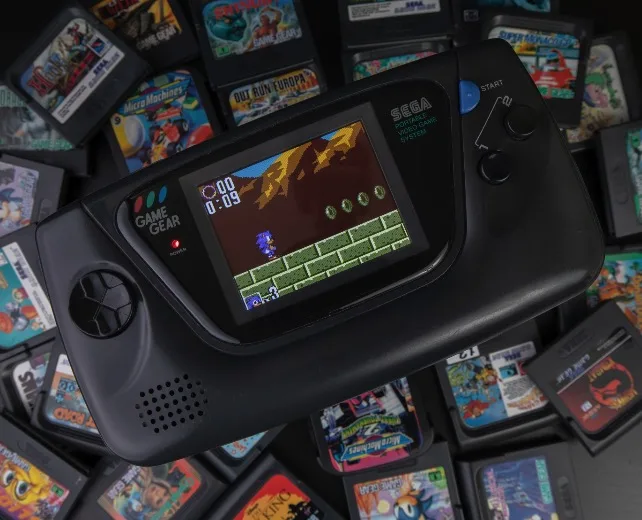
They carry a nostalgia factor, connecting us to simple joys from childhood.
That combination makes them a perfect “snack” for your brain—small, satisfying, and energizing.
Work doesn’t have to mean hours of nonstop effort. Taking short breaks is good for both your productivity and your mental health. And casual games, when used wisely, are one of the most effective ways to recharge.
So next time your focus slips, instead of scrolling aimlessly, try a quick puzzle or a short brain teaser. Five minutes of play may be all you need to return to your tasks sharper, calmer, and ready to perform at your best.