UK Built Nissan Leaf Set to Gain Big from New Electric Car Grant Boosting...
 Sunderland-built crossover is set to benefit from new incentive – but UK boss denies rules were written for Nissan
The boss of Nissan has said the new, Sunderland-built Leaf is in "a very strong position" to benefit from the maximum £3750 Electric Car Grant (ECG) – and that the government was right to draw up rules that reward British manufacturing.
The ECG will be available on EVs that cost £37,000 or less and meet science-based targets for emissions, both from its maker and the country in which it is manufactured.
The grants will be banded at £1500 or £3750, depending on how closely a model meets those targets.
That means the new Leaf, with both the chassis and battery manufactured in Sunderland, is almost certain to be one of the only models to secure the maximum £3750 grant – prompting an insider at a rival firm to question whether the rules were drawn up by the government specifically to reward Nissan.
Asked about the grants, Nissan UK boss James Taylor told Autocar that the CO2 formula "should in theory put Leaf in a very strong position, because it's built in Sunderland".
Asked about suggestions the rules were written for Nissan, Taylor responded: "That's going a little bit far."
However, he added: “The ECG has echoes of the French grant scheme [which uses similar CO2-based emissions to determine eligibility a subsidy of up to €7000 (£6200)], which works very well in terms of that mechanism.

"Our battery plant is being built in Sunderland, and when full-scale production starts there next year, we will have British-assembled and -built batteries going into British-assembled and -built cars.
"Personally, I've always been a big believer in supporting 'UK PLC' to benefit the overall economy, business and jobs. And obviously in terms of these [ECG] rules, that is rewarding the low CO2 base you get if you produce both battery and car in the UK. So from that point of view, it's very welcome."
More broadly, Taylor said that the introduction of the ECG was "very welcome as an industry", adding that "we've been calling for support for some time, particularly for private motorists".
He added that early data showed that interest in EVs had "gone up four or five points in terms of share of interest, and any support to give a nudge to consumers to consider electric is going to be welcome, given you've got the zero-emission vehicle mandate, which is effectively a supply-based target, and today's demand isn't keeping track with the growth in what the supply mandate is".

Why Mid Ohio Sports Car Course Breeds America’s Fastest Racers

Why Bold Grilles Still Matter The Enduring Power of Car Faces in Automotive Design
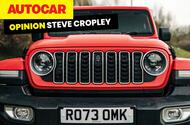 Massive grilles are not just a modern trend - and if done right they can give a car real personality
I think it was the Americans who started it. When I was a little kid, the Detroiters were heavily into indulging themselves with some of the most massive, chrome-laden, over-the-top front grilles in history, and I loved them all, even though I usually only saw them in pictures.
At the time, an elaborate grille usually went with a chest-high set of tin tailfins overhanging the bootlid of practically every full-sized American car (and quite a few British and mainland European offerings too), but I never cared as much about them as I did the grilles: they didn’t have the same high purpose.
Distinctive frontal façades did two things for me – and still do. First, they did a perfect job of defining a car’s make. A Chevy was very different from a Ford, despite equal ironmongery.
Second, they spelled out the prevailing mood of the society from which they sprang. Back in the ‘chrome grin’ era, the pervading mood was optimism and anticipated prosperity: the end of war, a gradual freedom from austerity, the beginning of a baby boom, an increase in personal ambition and very little concern about economy or efficiency.
Now it’s very different. I love the way that grilles have changed through the ages, keeping their role as a guide to the times. Compare the joyous exuberance of an early Cadillac Eldorado with the efficiency-driven restraint of 2020’s Volkswagen ID 3, for example.
It’s amazing to me that while absorbing such seismic design shifts, grilles can still maintain a marque’s historical connections.
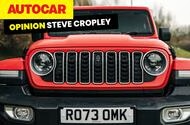
Today, I get special pleasure from the seven-slat grille of a Jeep Wrangler, re-expressed over many years by hundreds of designers intent on maintaining a connection to the ubiquitous wartime 1940s Jeep – whose original radiator shroud simply had a few casually cut vent slots.
I’m also intrigued by how the grille designer’s challenge gets ever greater. Today’s electric cars don’t strictly need grilles at all, but car companies that want to be successful still see a vital need for them.
Witness Jaguar’s new Type 00 concept, which keeps a long nose and a carefully designed frontal facade, even though it doesn’t strictly need either.
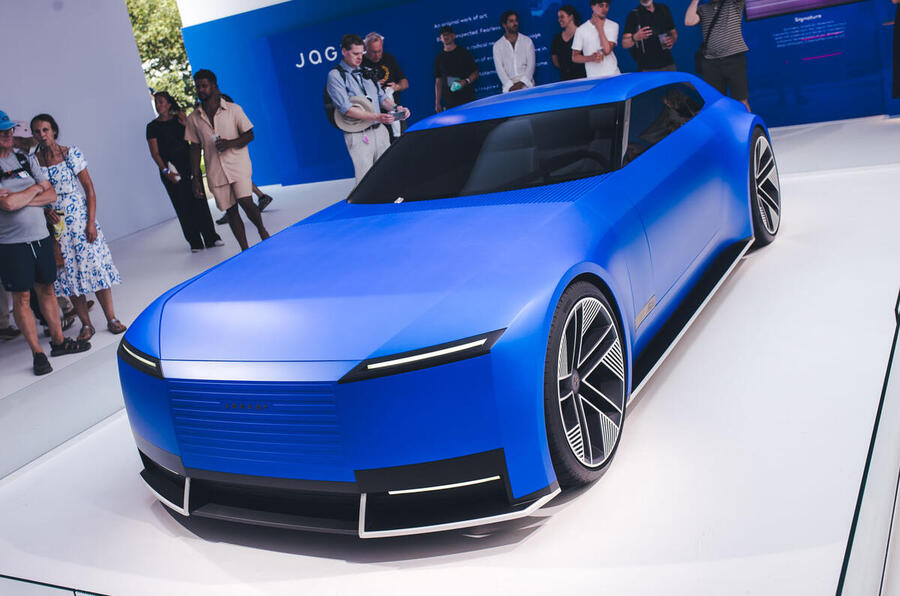
The fascination of the future will be seeing how things proceed, given that more and more car models crowd the world market.
Great surfaces, harmonious shapes, ideal proportions and a perfect stance are all fine, but providing 2040’s cars with distinctive faces looks like posing a whole new problem.

American Airlines Flight Evacuated in Denver After Landing Gear Scare

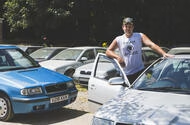
Meet the Man Saving Skoda’s Forgotten Classics for Future Generations

Mark’s Skodas live barn-find style in assorted farm buildingsThink this year's Festival of the Unexceptional winner knows about Skodas? Mark is the real Skoda oracle
Mark Torok says his love affair with Skodas has, at times, got a little out of hand.
“There was a stage in my life when I was buying Skodas like other people buy groceries,” he admits.
The Skoda enthusiast has amassed a collection of more than 70 cars for what he calls his ‘Skoda orphanage’, many of them dating from the company’s transition period in the 1990s.
The oldest is a 1973 S110 DeLuxe that Mark rescued from a scrapyard in the Czech Republic. The newest is a 2006 Skoda Superb V6 that he saved from re-export to eastern Europe. His favourite is an original ‘stretched Passat’ Superb of 2002.

Mark says: “In the UK, people’s interest in Skodas stops at the Estelle and starts again with the Skoda Fabia and Skoda Octavia of the 2000s. Sadly, the Favorit and Felicia in between are trapped in that no man’s land of obscurity. That’s where I come in.”
Mark’s Skodas live barn-find style in assorted farm buildings but his aim is to get them together under one roof. For the time being, the main thing is that they are safely hidden away from the scrapyard.
Remarkably, most of them require just basic recommissioning and a good wash. Skoda can trace its origins to 1895 when it was founded as Laurin & Klement. It made its first car in 1905 and was renamed Skoda in the 1920s. A succession of well-regarded models followed until progress was interrupted by World War II. The firm barely recovered under communism and, by the 1980s, ‘Skoda’ was a byword for unreliability.

With the fall of communism and the arrival of new partner Volkswagen, things began to improve and a succession of impressive new models including the Favorit, Felicia and Skoda Fabia helped prepare the ground for the brand’s revival.
“My grandfather was the biggest Skoda fan going and got me hooked on the company,” says Mark. “It’s been fascinating seeing the firm develop and grow. I often wonder what he would make of it all now.” He says the UK scraps and wastes cars far too quickly and believes there’s never been a more important time to secure vehicles such as his Skodas for preservation: “People say I am wasting my time but my girlfriend Victoria says they are not thinking in the fourth dimension, as Doc Brown does in Back to the Future. She says I am creating a treasure trove that will delight future fans of the Skoda marque.
“The doors to my orphanage will always be open to any unwanted Skoda. I will be to Skoda what the Schlumpf brothers were to Bugatti!”
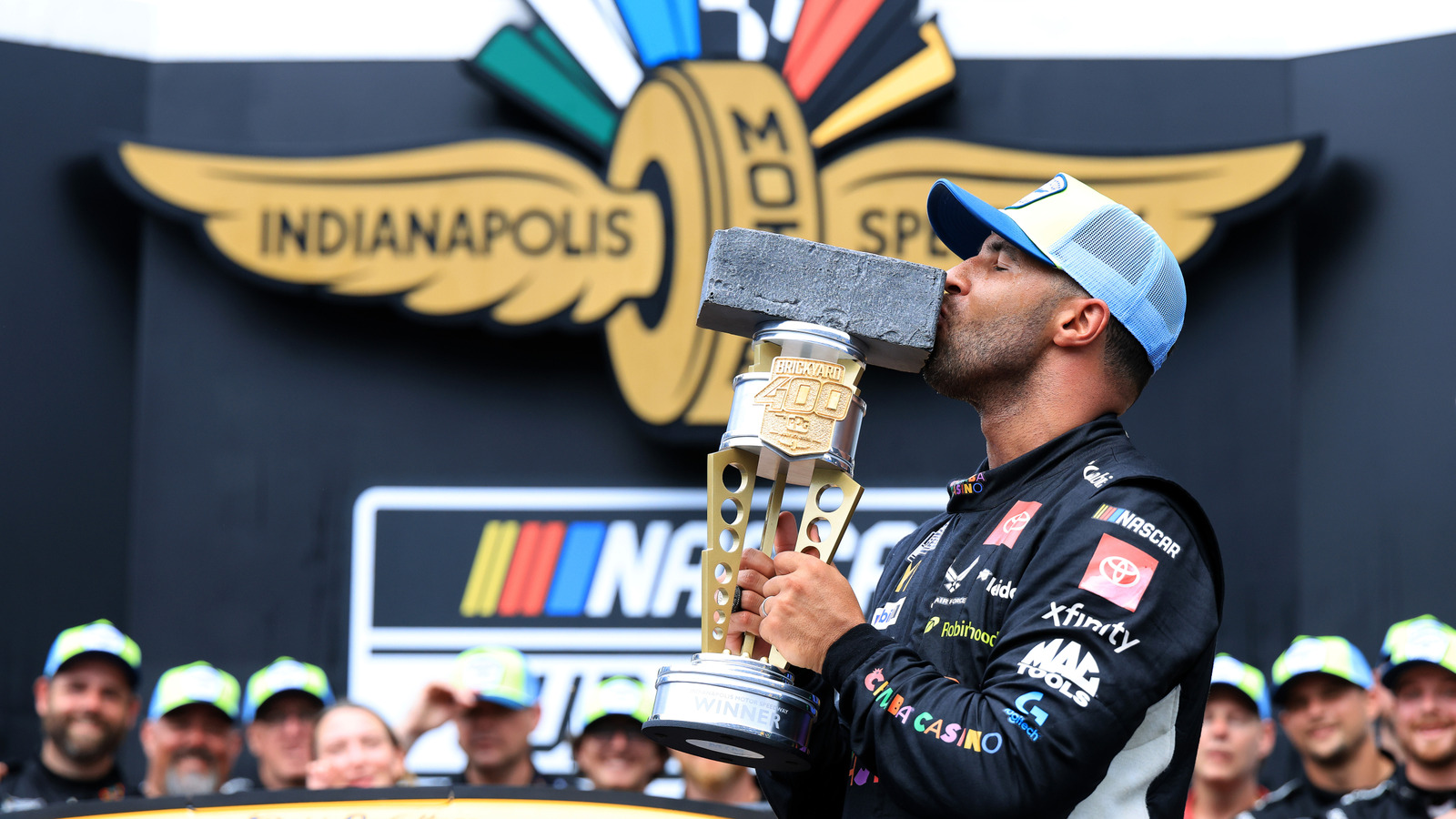
Bubba Wallace Makes History with Landmark Victory at Indianapolis
Petrol and Pride Unites UK Car Enthusiasts in a Vibrant Celebration of Diversity and...
 LGBTQ + petrolheads congregated for a new car show at Gaydon
Britain has a new car show, guaranteed to be more colourful and diverse than any so far listed in the UK’s busy calendar.
The first-ever Petrol & Pride meeting, aimed at combining the car passions of members of the LBGTQ+ community with those of their allies in the British automotive industry and anywhere else, was held on Friday at the British Motor Museum in Gaydon, the mammoth motoring complex that’s also home to JLR and Aston Martin.
The idea sprang up earlier this year when an annual list of LGBTQ+ ‘trailblazers’ was published by Attitude magazine. Publisher Darren Styles and editor Cliff Joannou noted a rising number of car companies in their list and wondered whether their input could make a car show.
Bentley comms director Wayne Bruce grabbed that idea and came up with a plan to stage the event at the BMM, an easily found venue with plenty of parking and its own obvious attractions. He obtained the necessary permissions, co-opted Bentley’s events team Goose (organisers the Silverstone Classic) into his gang and scheduled Petrol & Pride to be held for the first time on a sunny Friday afternoon in July.
Attitude and others publicised the event and word also spread widely via social media. Even so, no one really knew how this thing would play out. True, around 180 cars had been pre-registered, but how many would actually show?
The answer was that they all did. The sheer success of the thing took the organisers by surprise. Cars of all kinds, prices, ages and pedigrees – and especially of all colours – started streaming through the Gaydon gates shortly before mid-day, the appointed opening time.
By early afternoon, the allotted 200-car parking space was filled, with more needed on surrounding grass. The front row was reserved for a rainbow array of colourful 21 cars (three each of the spectrum’s constituent colours), with the last space reserved for a bronze-orange Bentley Continental GT (the official colour is Orange Flame) driven in by Bentley’s CEO, Frank-Steffen Walliser – one of various car company bigwigs lending support.
Bentley also brought along an extravagantly decorated Flying Spur to mark the inauguration of this new event, while Lister boss Lawrence Whittaker (who also runs Warrantywise) arrived in a magnificently wrapped Jaguar LFT-666 coupé for the occasion.
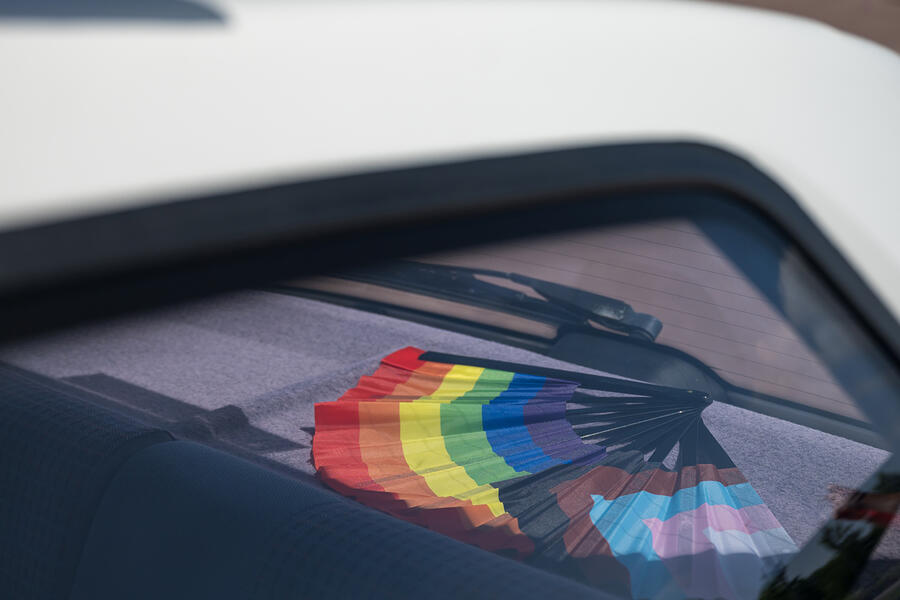
Colourful decor and bold signwriting was everywhere, matching the cars and the apparel of attendees, and the warmth of the sun matched that of the happy crowd – who were all invited to visit the museum’s 400-car collection as part of their attendance.
A count-up of attending car-company models showed that the event had won support from Alpine, Aston Martin, Bentley, Dacia, Genesis, Jaguar, Land Rover, McLaren, Peugeot, Renault, Rolls-Royce, Volkswagen and more – all of them keen to stress the importance of diversity and inclusiveness both to the success of their businesses and the satisfaction of their employees and customers.
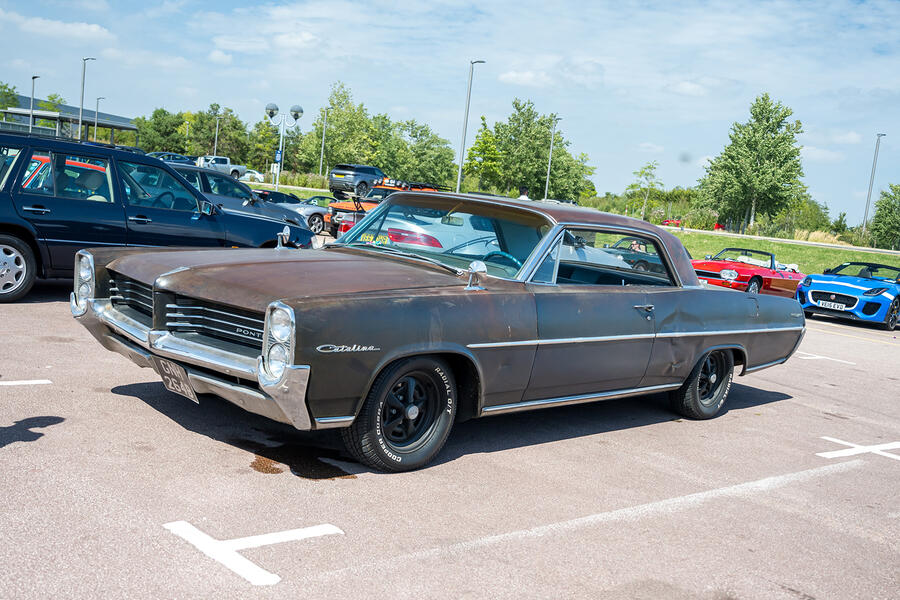
There were several prize winners: the butchest car was a 991 Porsche 911 GT3 (with a satanic-looking matt-grey Pontiac Catalina as runner-up) and the gayest car was a Mk3.5 Volkswagen Golf Cabrio in an almost overwhelmingly bright shade of Futura Yellow (with a tiny Lotus Europa as runner up).
But the programme-ending best story award was grabbed by a pair of blokes who had just finished rescuing and reviving an old Vauxhall Frontera from a local garden – on grounds that it didn’t deserve to die – and had given it a vivid set of orange wheels to celebrate its new lease on life.
They had only just managed to squeeze it through the MOT test in time for the event and took the big prize to warm applause. Like so many tales on that sunny afternoon, it was an inspiring story of car love and optimism.
What Would You Choose as Your Ultimate Dream Car If Anything Was Possible

Electric Car Prices Plunge as Manufacturers Race to Outdo New UK Grant
 The new ECG was announced last month and will yield a discount on qualifying EVs of either £1500 or £3750
Car makers from Hyundai to Volvo are offering up to £3750 off new electric cars as they wait for the arrival of the UK government’s new Electric Car Grant (ECG).
Announced earlier this month, the ECG has been introduced as a way of stimulating EV sales in the UK, following a period of stagnation since the previous government’s Plug-in Car Grant (PiCG) was pulled in 2022.
The new ECG, backed by £650 million of government funding, will yield a discount for qualifying cars of either £1500 or £3750, depending on their environmental impact.
To qualify, car manufacturers themselves must meet science-backed emissions targets, while the individual model lines must start at below £37,000 in entry-level trim.
Which discount a model receives is determined by how much CO2 is emitted in an EV's production, assessing the energy used in vehicle assembly as well as battery manufacturing. Threshold levels have yet to be made public.
While any manufacturer can apply for their car to be included in the scheme, it's thought that, due to this criteria, cars produced in Asian countries, such as China, South Korea and Japan, will not be eligible for the ECG.
This would include cars from Hyundai, MG and GMW – all three of which have already launched their own equivalent discounts, likely pre-empting that their cars will be denied access to the ECG.
Below are the discounts already being offered by car makers as they await the results of the ECG applications.
Alfa Romeo
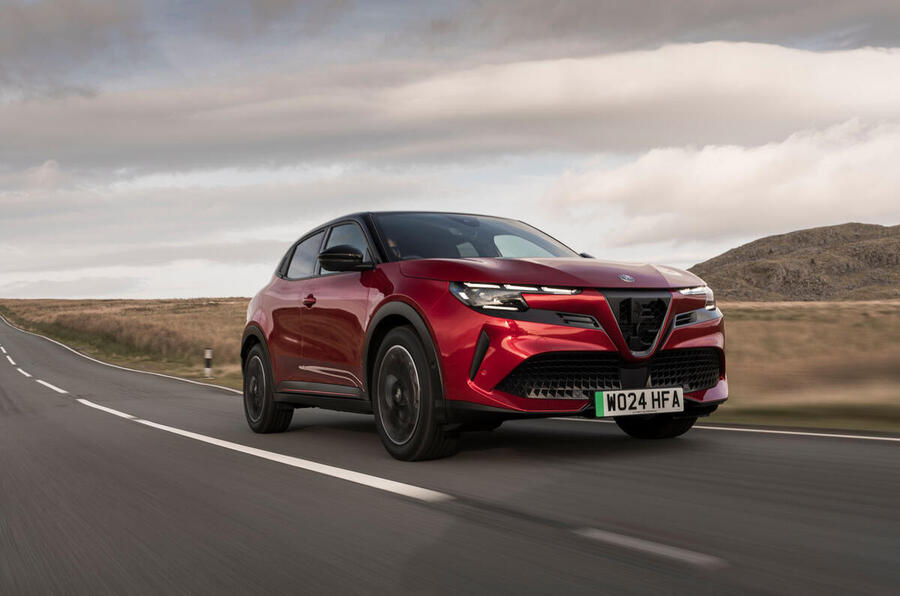
The Alfa Romeo Junior Elettrica – the Italian marque’s first EV – can now be had with £1500 off its list price. This leaves the Polish-made compact crossover retailing for £32,405.
GWM
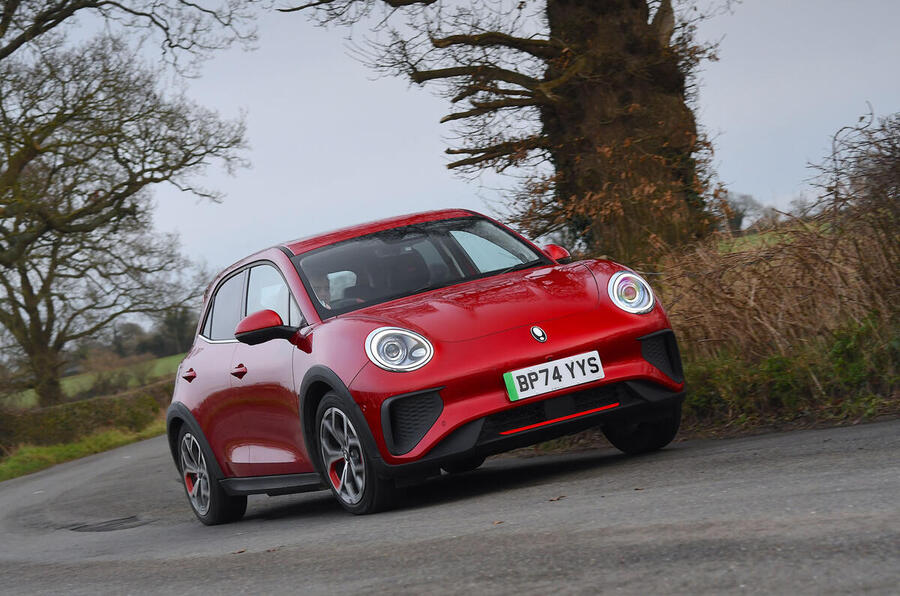
Chinese firm Great Wall Motor has launched a £3750 grant for the Ora 03 hatchback. The MG 4 EV rival, which was previously named the Funky Cat, now costs just £21,245.
Hyundai
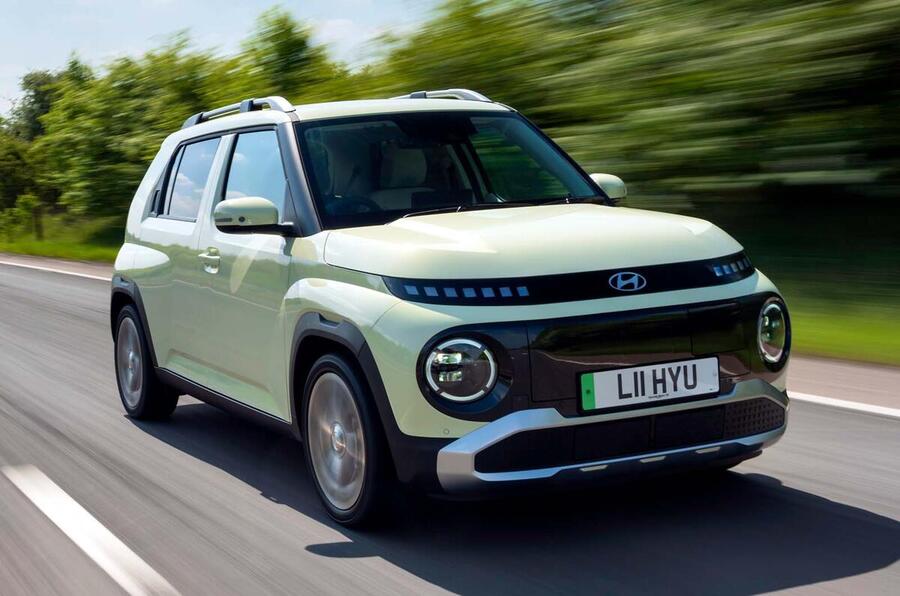
Hyundai is matching the government's incoming ECG by offering a discount of £3750 on its new Inster hatchback, bringing it down in price to £19,755. The prices of all its other EVs – such as the Ioniq 5, Ioniq 6 and Kona Electric – have been slashed by £1500.
MG
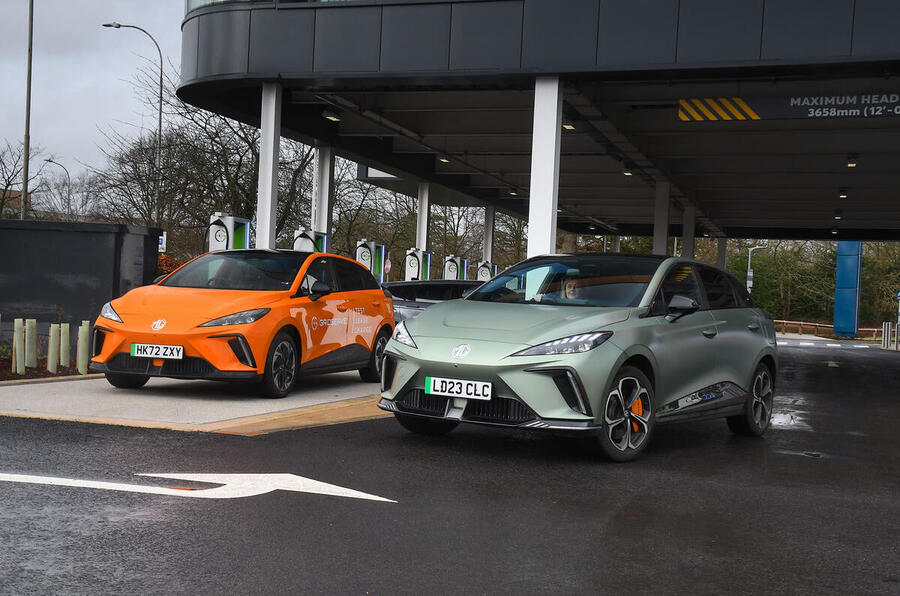
Geely-owned Chinese brand MG has launched a discount of £1500 on its 4 EV hatchback and new S5 EV crossover. This brings down the price of the pair to £25,495 and £26,995 respectively.
Leapmotor
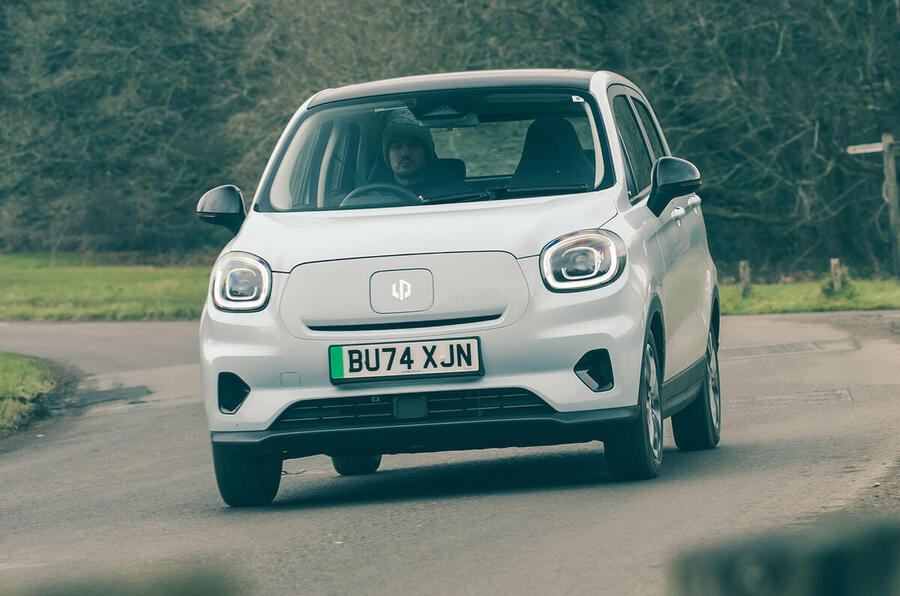
Stellantis brand Leapmotor has mirrored the government’s grant with two separate discounts. The Dacia Spring-rivalling T03 city car receives £1500 off, leaving it at £14,495, and the C10 SUV is discounted by £3750 to £32,750.
Skywell
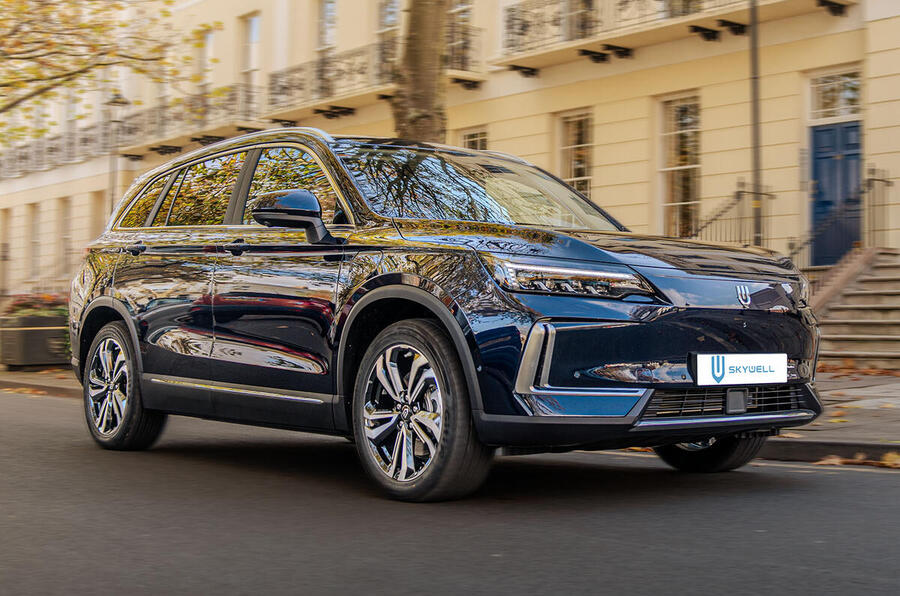
One of the biggest discounts comes from the UK importer of Chinese brand Skywell. It's offering £3750 off its BE11 – the only car it sells in the UK – on top of a £6000 dealer contribution, meaning the £36,995 SUV can be driven away at £27,245.
Volvo
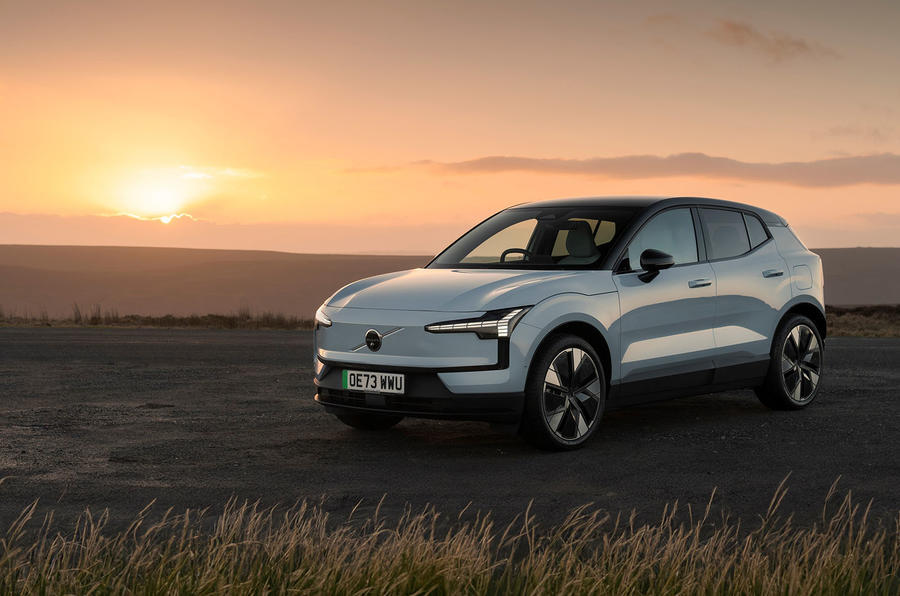
Volvo has lopped £1500 off the price of its EX30, EX40 and EC40 EVs. With that discount, the EX30 starts from £31,560, the EX40 from £44,760 and the EC40 from £50,410. No discounts are offered on the EX90 or ES90, though.
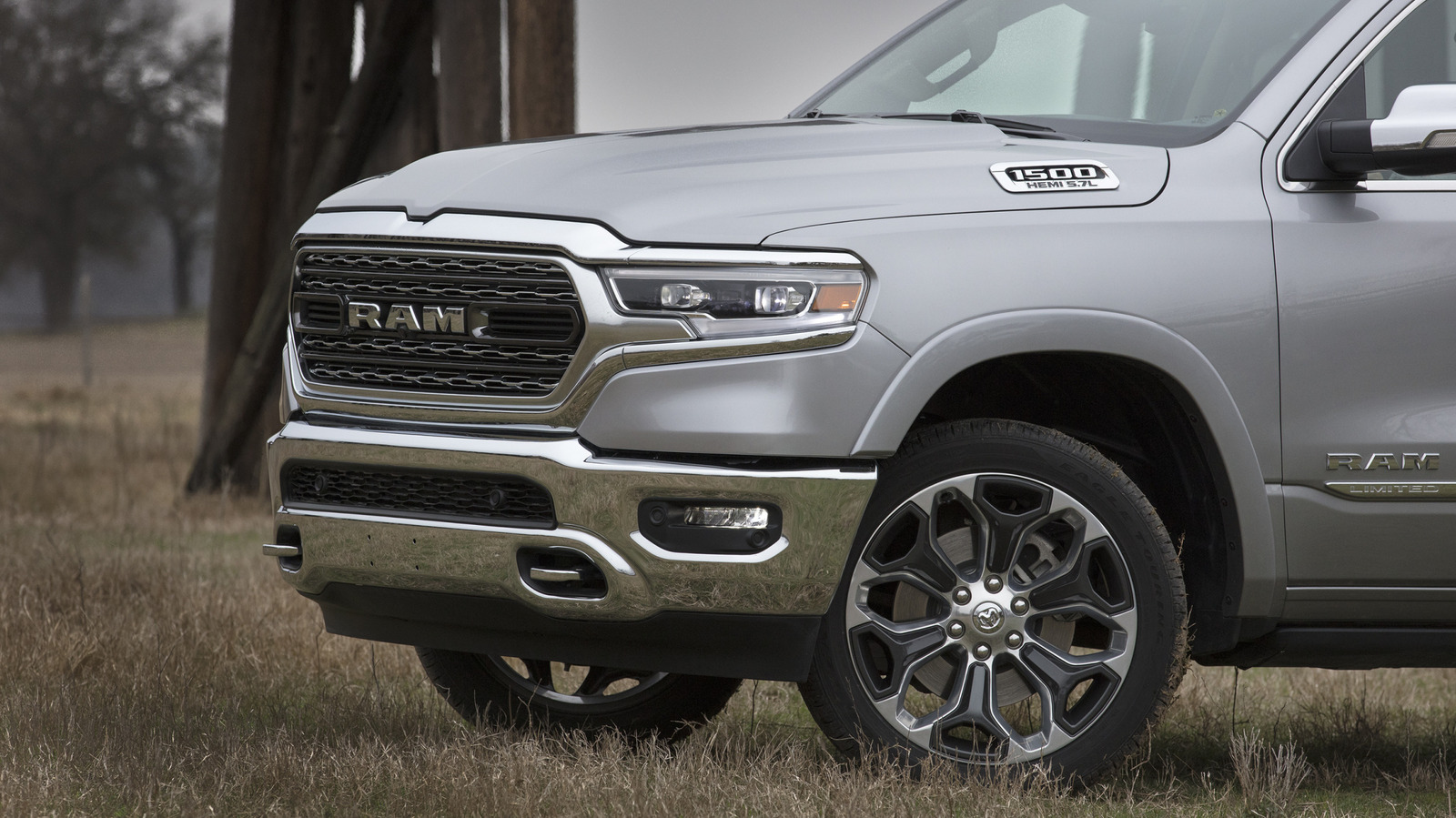
Are Ram 1500’s Plastic Control Arms Really a Problem? Here’s the Truth