
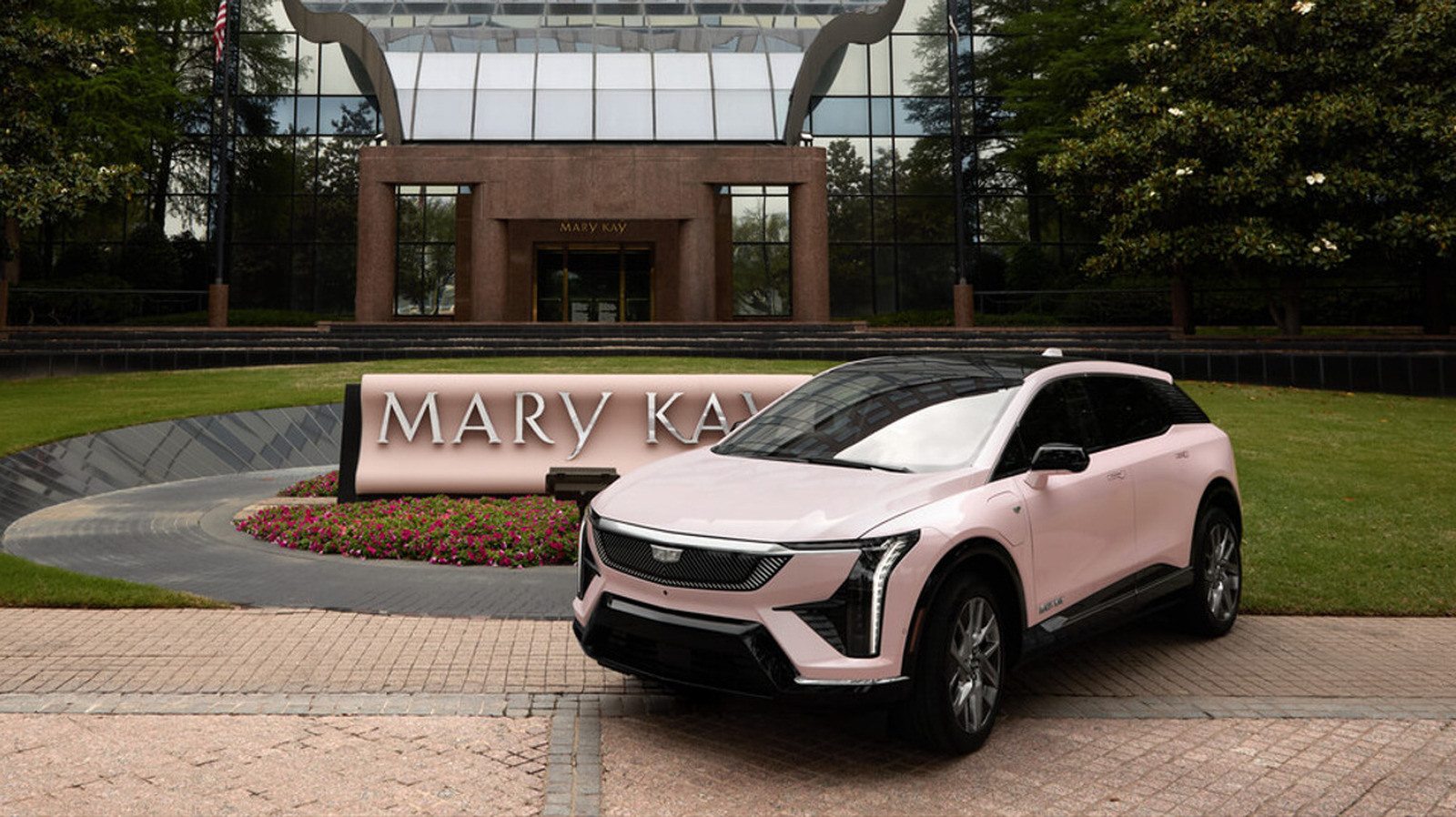
Mary Kay Embraces the Future with Electric Pink Cadillacs for Top Sellers

Top 10 Luxury Cars Redefining Comfort Performance and Prestige
 Luxury cars offer great ride quality, the latest technology and enviable prestige – and these are the 10 best
The luxury car sector has often centred around two stalwart models: the BMW 7 Series and the Mercedes-Benz S Class.
While these plush saloons are still considered by many to be the peak of automotive decadence, the definition of a luxury car has evolved significantly over the past few years.
Saloons do remain reasonably popular in the rich man’s world, but the increasing prevalence of SUVs means that the traditional view of what constitutes a luxury vehicle has shifted dramatically.
Regardless of whether it's a saloon or an SUV, a luxury car is a premium model that excels in performance, technology and comfort for all occupants. These vehicles boast lavish interiors, offer a quiet ride and demonstrate impressive noise reduction compared with other model types.
For many, they also serve as status symbols, powered by diverse powertrains ranging from large-capacity diesel engines and V8s to electric and plug-in hybrid systems.
To help you choose, we've put together a list of the top 10 best luxury cars out there right now.
Despite the rise of SUVs, our top pick is the BMW i7, the electric version of the latest 7 Series. It's super comfortable, great to drive and seriously practical.
It's worth noting that some prominent luxury brands may not appear on this list. For even pricier models, including those from Rolls-Royce, Bentley, and Mercedes-Maybach, we have a separate list of the top 10 best super-luxury cars.
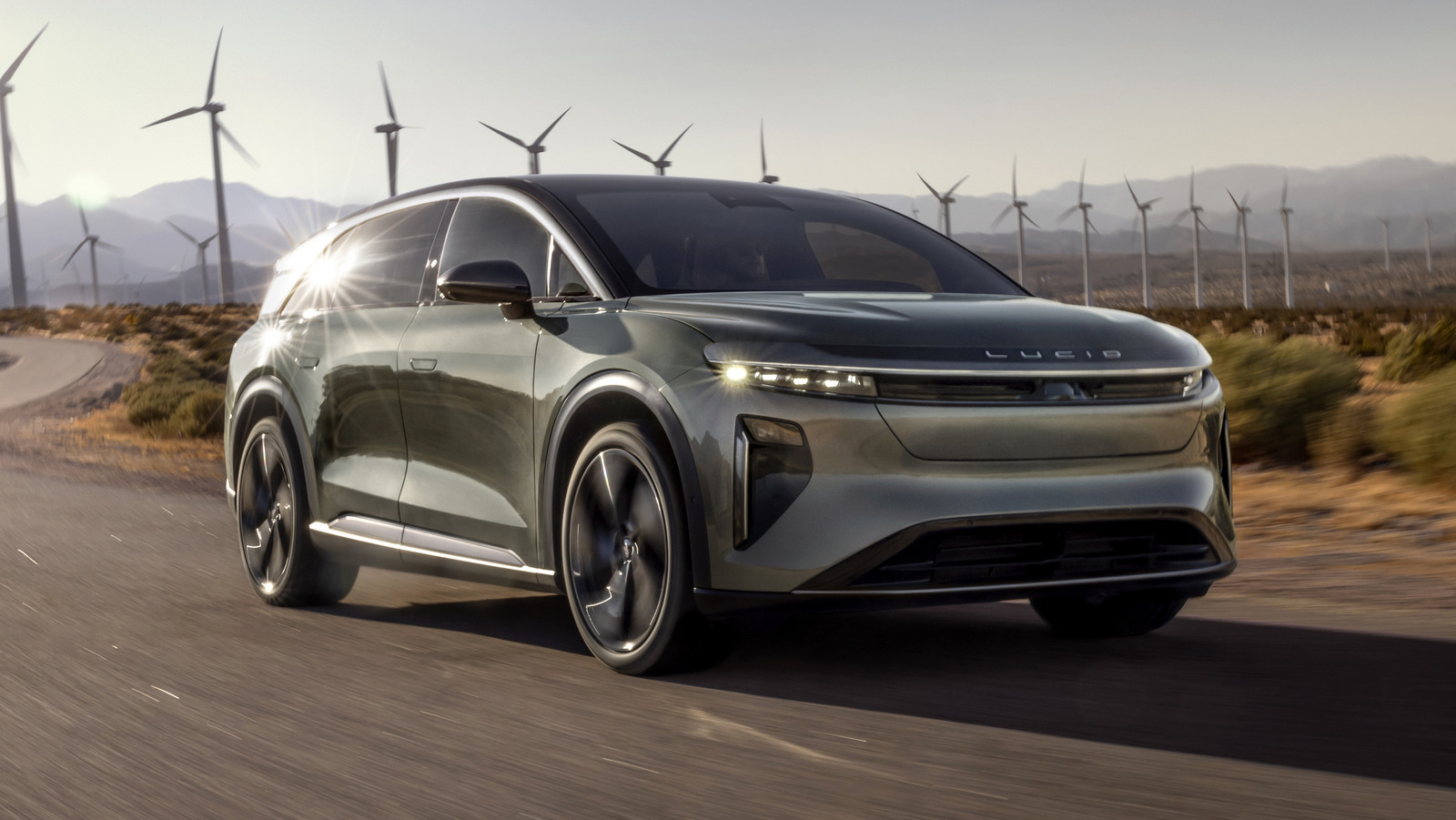
Lucid Gravity Dream Edition Delivers Blazing Speed and Family-Friendly Power
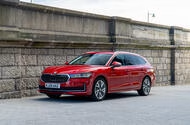
Why the New Superb Sets the Standard for Spacious, Efficient, and Luxurious Family Cars
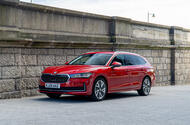 The outstanding Superb impresses with its roomy, pleasant interior, frugal engines and great driving manners
Some things in life are hard to achieve. Hitting a hole in one? A fantasy for most. Even getting a toddler dressed and out the door on time is a challenge. And getting a five-star review from Autocar? That’s seriously tough. So it’s no small feat that the new Skoda Superb has managed to bag that elusive top-tier verdict.
Such an accolade is a recognition of the ingenuity and dedication of the people tasked with developing the new Superb, a car that is designed to be comfortable, easy to live with and efficient – exactly what customers demand of a large hatchback and estate car. Skoda has really listened to what buyers of such cars want. And that’s why it’s so highly regarded by the Autocar editorial team. Here are five standout features that earned the Superb a five-star rating.
Learn more about the Skoda Superb
#1 Vast cabin space
Talk about a legacy to live up to. Ever since the first modern-era Superb was launched in 2001, the car’s USP has been enormous cabin space, an attribute given even more precedence when the Superb Estate was released in 2009. Big shoes to fill, but the new Superb doesn’t just match the achievements of its predecessors, it expands on them.
To that end, the latest Superb is truly vast. It’s the sort of car that would make dignitaries feel special, and if a company sent a chauffeur in a Superb to pick you up, you’d feel like they really valued your business. As Autocar writes: “By our measurements, typical rear leg room has increased by 65mm over the outgoing model – already a very spacious car. The flat estate roofline means that head room is generous, too.”
Better still, the new Superb truly feels every bit as roomy as its dimensions suggest, as Autocar notes: “The cabin space combines with large side windows to make for a real sense of space, as well as outstanding visibility.”
The new Superb also majors on luggage space. The hatchback model offers an enormous load area of 645 litres when all five seats are in use, and 1195 litres when the rear seats are folded flat. Meanwhile, the Superb Estate offers 695 litres with the rear seats raised, and 1145 litres when they’re folded down.
Autocar continues: “As befits a Skoda, the boot has plenty of pop-out hooks and bins, and there are two levers to fold the rear seats down.” In other words, ease of use has been placed front and centre in the new Skoda Superb.
#2 Excellent ride and handling
It’s tough to have a truly broad appeal when it comes to the way a car drives, because everyone wants something slightly different. And the risk a car runs in trying to appeal to everyone is that it comes across as being neither one thing nor the other.
Not the Skoda Superb, which manages to have real driver appeal at the same time as being truly comfortable. As Autocar states: “The new Superb is neither overtly sporty nor exquisitely comfortable, but it lives in the crowd-pleasing middle ground,” before adding: “It has gained a dash of driver appeal.”
The car’s suspension manages to isolate occupants from deteriorating road surfaces while keeping the body under complete control. During performance testing, Autocar noted: “A few laps of the Millbrook Hill Route showed the Superb to remain composed even at higher speed, staying unaffected by the severe compressions.”
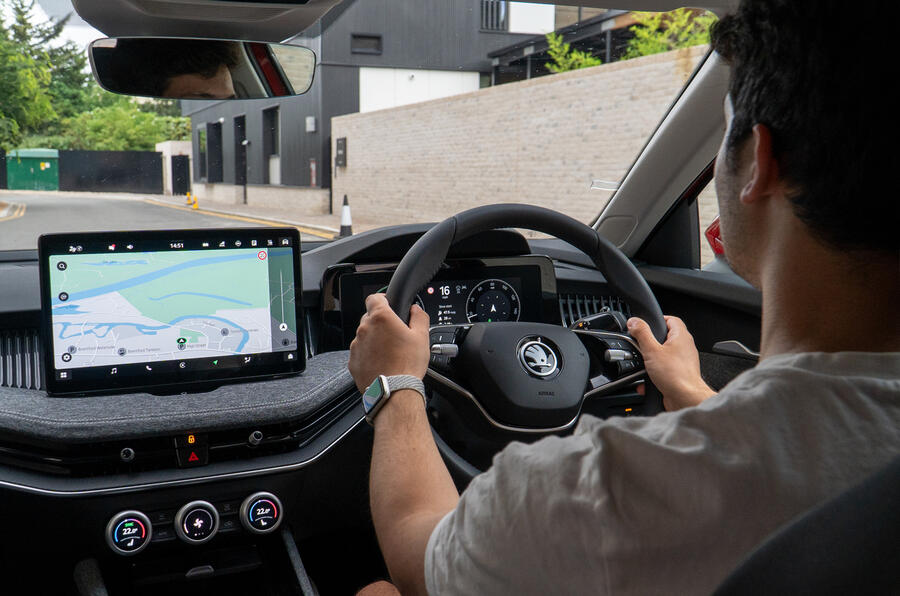
Your connection with any car is fundamentally through the steering wheel, and here the new Superb comes up trumps, because it has a steering system that’s “intuitively geared and gradually builds weight as you load up the suspension in a corner, giving you plenty of confidence in the car’s road-holding.” High praise indeed.
And the Superb is equally adept in built-up areas, with Autocar commenting on how easy it is to manoeuvre, saying: “The steering’s strong self-centring effect and the impeccably round wheel help, too.”
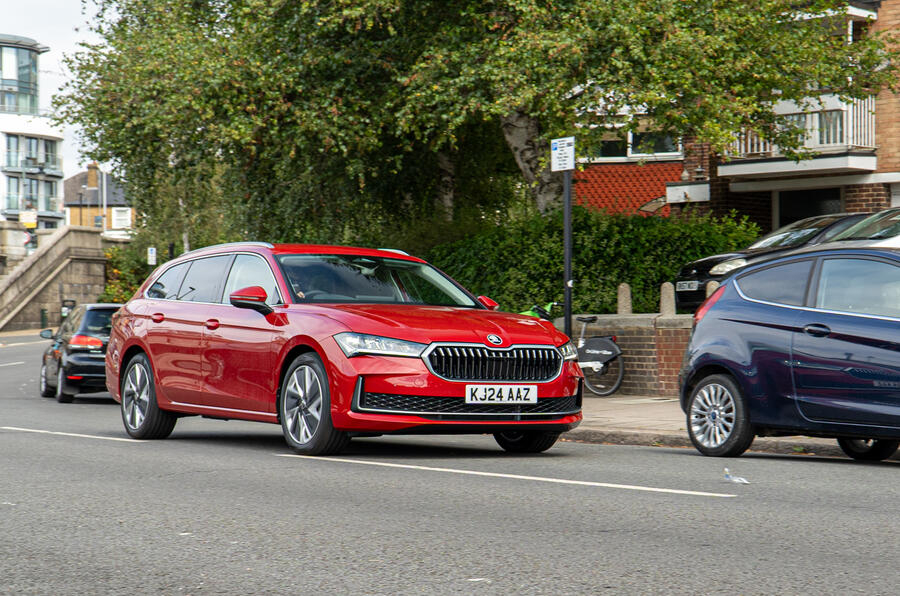
#3 Attractive running costs
The Skoda Superb engine range truly has something for everyone. It starts with a 150PS 1.5-litre TSI petrol engine that emits just 117g/km of CO2, and which manages a WLTP combined average of 56.5mpg in the hatchback version. The next petrol engine in the hatchback range is the 204PS 2.0 TSI, which achieves a CO2 output of 151g/km and can do 40.4mpg. The top petrol engine in the range is the 265PS 2.0 TSI, which is linked to Skoda’s four-wheel-drive system as standard, and which emits 175g/km and still manages an amazing 35.3mpg – all while having the sort of performance that allows the Superb hatchback to accelerate from 0-62mph in 5.6 seconds and hit a top speed of 155mph.
Skoda also knows that there is still a place for diesel in the world today, so offers the Superb with a 2.0-litre turbodiesel engine in two states of tune, with 150PS or 193PS. The former emits as little as 127g/km and can do an official 56.5mpg in the hatch, or 153g/km and 47.1mpg in the four-wheel-drive estate version.
Autocar was deeply impressed with the Superb’s economy, stating: “Our entry-level 2.0 diesel’s real-world fuel economy was excellent. Over the course of our test, including the performance testing, it averaged 52.7mpg, and in regular use 60mpg was easily achievable.”
And finally, the 1.5 TSI iV plug-in hybrid model offers a fully electric range of 83 miles, and emissions of 7g/km, which places the car in the super-low 6% band of Benefit-in-Kind taxation – perfect for business drivers.
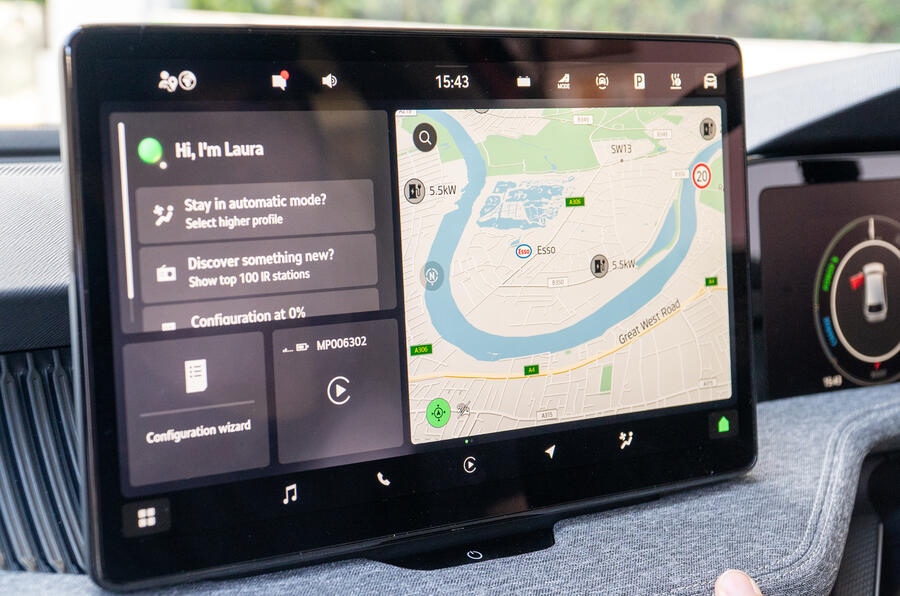
#4 Clever, intuitive infotainment
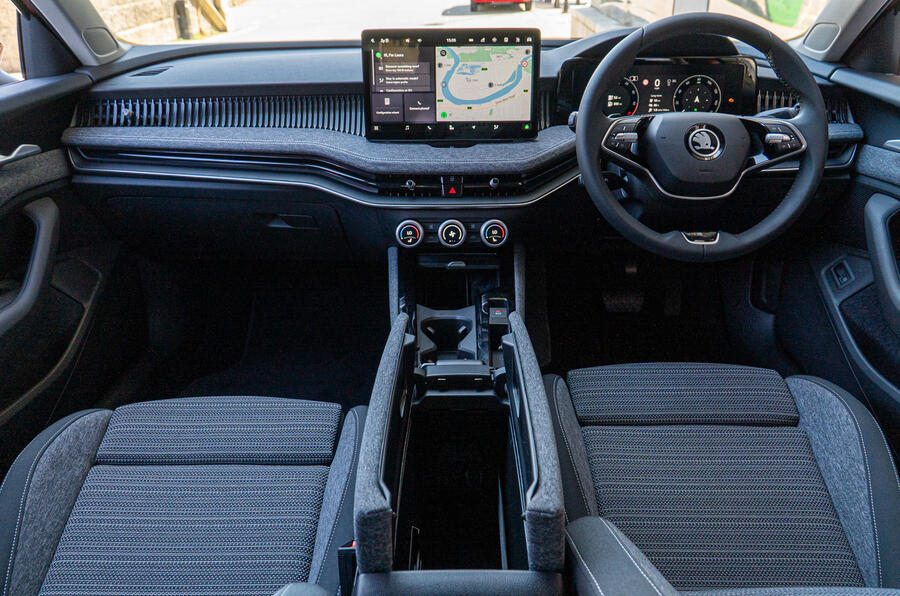
There’s a large 13in touchscreen front and centre in every Superb, through which you are easily able to control a vast array of the car’s systems, including audio functions, mobile phone mirroring, and satellite-navigation, which includes traffic reports. Autocar’s testers are fans, saying: “The home screen has customisable tiles that let you keep the navigation and the media on screen at all times. At the top of the screen is a bar of configurable shortcuts that gives you direct access to functions like the start-stop system and the auto hold. It works quickly and logically.”
Indeed, the system perfectly complements the 10.25in virtual cockpit that comes as standard on every Superb, and which has three different layouts depending on your preference. And if you have a SportLine-spec Superb, it also seamlessly integrates with the head-up display.
Skoda has also been truly innovative by developing three clever Smart Dials on the dashboard. The pair of outside dials allow you to control various aspects of the cabin ventilation system, including temperature and airflow direction, plus the heated seats. The centre dial, meanwhile, allows you to control functions such as the car’s driving modes, audio volume, and even zoom in on the satellite-navigation system’s map.
Autocar was full of praise, saying: “It’s a brilliantly simple, yet tactile and intuitive system."
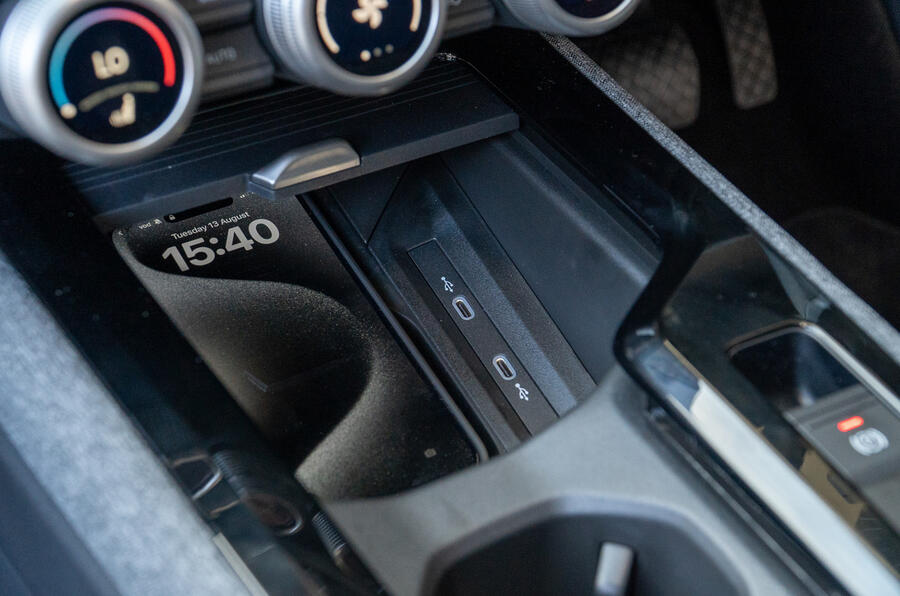
#5 Luxury equipment
As we said earlier, the new Skoda Superb is the sort of car that would make anyone, including dignitaries, feel special. It does this not only through being luxuriously spacious, but also by having a high-end ambience, which is partially achieved by the comprehensive standard equipment it features.
For example, the SE Technology entry point to the range comes with heated and massaging front seats, wireless smartphone charging, LED lights front and rear, parking sensors at both ends, a rearview camera, adaptive cruise control and self-dimming interior and driver’s side mirrors. As Autocar says: “You needn’t spend more to get a fully featured family car.”
But if you do, the next trim level up, SE L, adds matrix LED headlights, electric memory seats, keyless entry, leather seats and an electrically operated tailgate with kick-to-open function, while SportLine trim adds niceties such as Progressive dynamic steering and Dynamic chassis control plus, as well as sports seats with massaging function and a self-parking system.
The top-spec Laurin & Klement models feature unique interior trims, and seats with an Advanced Massage Function.
Verdict
Autocar perfectly sums up the Skoda Superb when it says: “By sticking to the essentials – space, efficiency, ease of use and intuitive driving characteristics – and doing those well, Skoda has produced a car that is outstandingly fit for purpose, makes the case for the estate car like few current rivals and does it at a price that significantly undercuts its competition.”
It’s a car that has been designed to make living with it easy, but also to make owners feel more than a little special about their choice. Sounds simple, but it’s remarkably difficult to do. And it’s something that Skoda has undoubtedly managed with a car that is simply superb.

Fisherman Detained After Dispute Over Lake Champlain Border with Coast Guard


Mercedes AMG Unleashes V8-Powered GT Track Monster to Challenge Porsche 911 GT3 RS
 New flagship, previewed by V8-engined concept, will be based on the second-generation AMG GT launched in 2023
Mercedes-AMG is readying a V8-powered, track-honed rival to the Porsche 911 GT3 RS, created to set new record lap times.
It will be previewed by the new Concept AMG GT Track Sport, based on the second-generation AMG GT that was launched in 2023.
While work is under way on creating the first electric AMG GT for launch in 2027 ( previewed by the recent 1341bhp Concept GT XX), Friday’s announcement confirms that AMG isn't yet done with combustion power.
The new flagship GT is likely to be a successor to the AMG GT Black Series of 2022, which produced a staggering 730bhp from a highly modified version of AMG’s twin-turbocharged 4.0-litre V8.
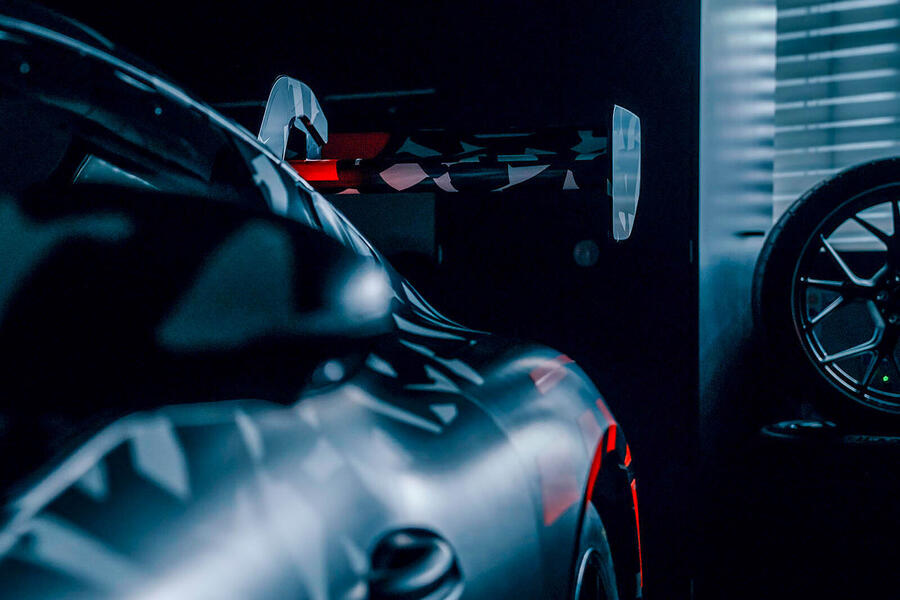
In the short announcement, AMG didn’t provide any technical details of the new concept but confirmed it previewed an “expansion of the GT series” that would be powered by a V8.
Given the GT Black Series was the most powerful series-production V8 ever, expect the production version of this concept to push beyond it and claim that title.
The most powerful variant of the second-generation GT range at present is the 603bhp track-focused Pro.
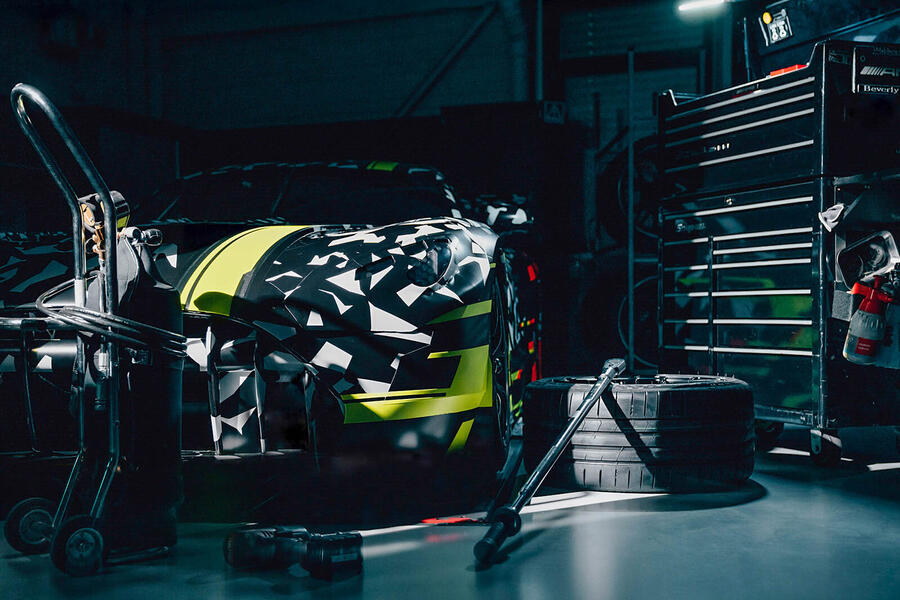
Preview images shown of the new concept reveal its track-bred pedigree. It has a huge GT3-esque wing, a chunky front diffusor and wide front and rear tracks.
Given these are the first images we’ve seen of the concept, it's likely that a full unveiling will take place at September’s Munich motor show.
Tariff Turmoil Shakes Up European Automakers as Kia Seizes New Opportunities

China Accelerates the Path to Self Driving Cars with Advanced AI and ADAS Innovations
 ADAS features are gradually increasing in sophistication in the slow move to self-driving
Autonomous driving and the technology behind it played a significant part at this year's Shanghai motor show.
For over a decade, the industry has believed that there won’t be a sudden leap from conventional cars to fully automated self-driving cars.
Instead, it has expected ADAS features to gradually increase in sophistication until they become capable of taking over control of the car.
Currently, the focus for car makers and suppliers is the transition from level two to level three, as laid down by the SAE’s six levels of driving automation.
Up to level two (like the latest adaptive cruise control with steering input and lane-keeping), the driver is always ‘driving’ when assistance features are engaged. But at level three, the car is doing the driving unless it asks the driver to take back control.
In reality, the lines are blurred and the industry is talking about level two-plus and level two-plus-plus, which are creeping rather than leaping to level three.
According to Volkswagen, which showed its latest AI-powered ADAS features in Shanghai, level two-plus is expected to be in over 80% of Chinese vehicles by 2030 and level two-plus-plus, which handles urban as well as highway driving, in 75% of new vehicles.
Volkswagen is bringing level two-plus to the road this year and level two-plus-plus with Urban Navigate on Autopilot (NoA) will be launched next year.
ZF has developed several ‘transitional’ level-two features as well. For example, its level-twoplus coDrive has 360deg camera perception to enable hands- and feet-free driving as well as automated lane-changing.
It has already lined up a product called coPilot, which covers level two-plus to level four and includes automated overtaking, all-round sensing of the environment, garage parking and route learning.
Continental showed two solutions, called Luna and Astra. Luna is an entry-level system with ADAS features and parking functions. Astra supports more advanced level two-plus-plus driving functions and can cope with a wide range of scenarios.
It also has NoA, which, says Continental, can cope with China’s complex urban road environment and covers narrow road detour avoidance and left and right turns where there are no traffic lights.
It can also deal with on/off ramps. Behind the tech are its intelligent driving sensors, including sixth-generation radar and cameras. It has a single-radar autonomous emergency braking solution that meets China’s standards and it’s introducing an AI-powered night-vision camera.
Given the popularity of autonomous driving in China, the scale of the market should help speed its development. China sold more new cars in March this year (1.97 million) than the UK did in all of 2024.

Elon Musk’s Bold Robotaxi Vision Faces Growing Skepticism

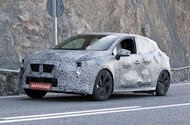
2026 Clio Unveiled With Bold New Design and Hybrid Power for a Greener Future
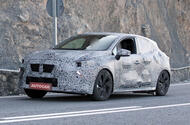
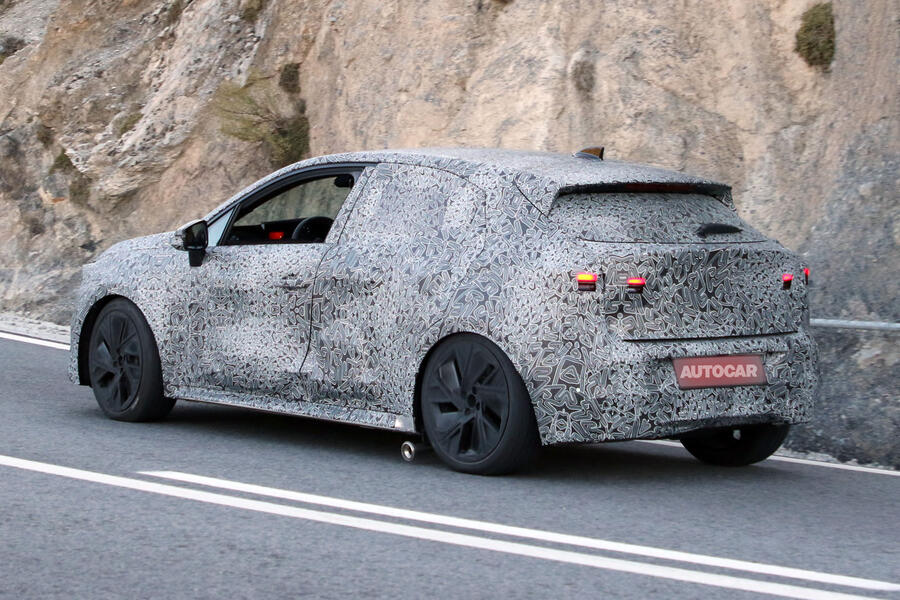
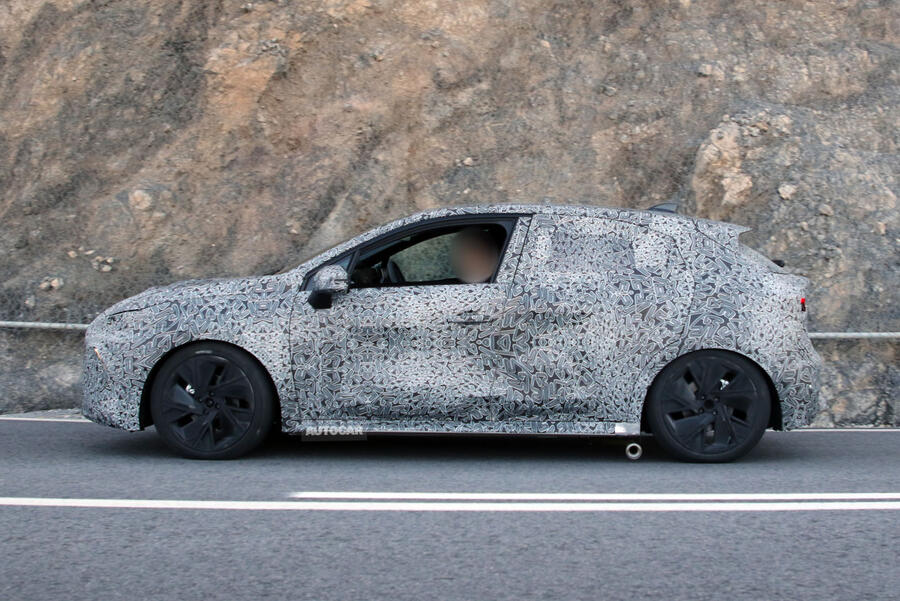
New car is recognisable as a Clio but introduces several new design cues…New supermini will introduce radical new look and is set to offer hybrid power exclusively
Renault has confirmed that the new sixth-generation Renault Clio will be revealed imminently, with September's Munich motor show a likely venue for the supermini's debut.
Currently the best selling car in Europe in its facelifted fifth-generation form, the next Clio is set to go on sale early next year with one of its biggest overhauls in generations.
Renault has not confirmed a precise reveal date, but has announced details of a 'pre-show' unveiling for the new supermini, which would suggest it will be the the French firm's headline unveiling in Munich on 8 September.
Renault has revealed an important new model at every European motor show since the pandemic, including the Renault 5, 4, Twingo, Turbo 3E, Scenic and Mégane E-Tech.

While it will also bring a host of new design cues, such as a more prominent nose and twin-decked lip rear spoilers, the sixth–generation Clio is set to ditch pure-petrol engines and go hybrid-only.
Autocar understands that, under the skin, the next Clio is an all-new car rather than a development of the current model, which was introduced in 2019.
However, it is likely to use an upgraded version of that car's CMF-B platform aimed at improving efficiency and reducing costs.
The new Clio will be powered by an evolution of the existing E-Tech hybrid powertrain, in which an atmospheric four-cylinder engine and two electric motors put out a combined 143bhp and 151lb ft.
This is set to become the sole powertrain option, in part because of stringent fleet emissions targets being rolled out across the European Union. From next year, car manufacturers in the EU will be required to hit an average of 93.6g/km of CO2, down from 95g/km this year.
This incentivises manufacturers to drop powertrains that do not feature electrical assistance, such as the current Clio’s TCe 90 turbocharged three-pot, due to their higher carbon emissions.
For reference, the TCe 90 puts out 120g/km, whereas the E-Tech is rated at 96g/km, a reduction of 20%.
Axing the pure-petrol engine would therefore provide a significant cut to Renault’s fleet average – crucial, given the EU’s fleet emissions targets will only become stricter in the coming years, hitting 49.5g/km in 2030.
Autocar understands that Renault has now decided not to offer the new Clio with a battery-electric powertrain, however.
It is therefore possible that it may not be offered in the UK, due to the new Zero-Emission Vehicle (ZEV) mandate.
This requires brands to sell an increasing proportion of electric cars, starting at 24% of total sales this year and ramping up to 80% in 2030.
Limiting the number of combustion-engined cars that manufacturers can sell means they will prioritise their most profitable models. Renault will most likely limit – and could even end – Clio sales in the UK because the closely related Captur crossover makes more money from an equivalent number of sales.
Complicating the matter is the cachet that the Clio name holds with buyers in the UK. “Clio is a brand in itself,” Renault product performance chief Bruno Vanel told Autocar earlier this year. “In the UK, it is probably as well known as Renault – or even more.”
A decision is unlikely to be made until 2025, given the car is at least a year away from hitting showrooms in Europe.
A spokesperson for Renault declined to comment.
As well as its environmental impact, cost is a key consideration in the development of the new Clio.
Vanel said maintaining the current car’s positioning is crucial as the brand introduces a range of new – and more expensive – electric cars to ensure it does not abandon a significant proportion of its customer base.
“We are not moving directly towards 100% electric,” said Vanel. “We are doing it step by step, to have this transition with hybrid cars so that we remain an affordable brand.”
Renault will lean on monthly payment schemes – such as leasing or PCP finance – to ensure the car is affordable, rather than reducing the overall list price of the car.
“We will try to keep the affordability of the monthly rentals,” Vanel said. “If you compare the rentals in 2018/2019 to last year [2022], with the improvement of residual values and even with some price increases, I think we experienced quite a good performance there, which kept the affordability safe.”