Electric Range Rovers and Supercar Thrills Inside the 150th Episode of My Week In...
 The 150th My Week In Cars is much like the others: Cropley and Prior chatting cars, events, and more
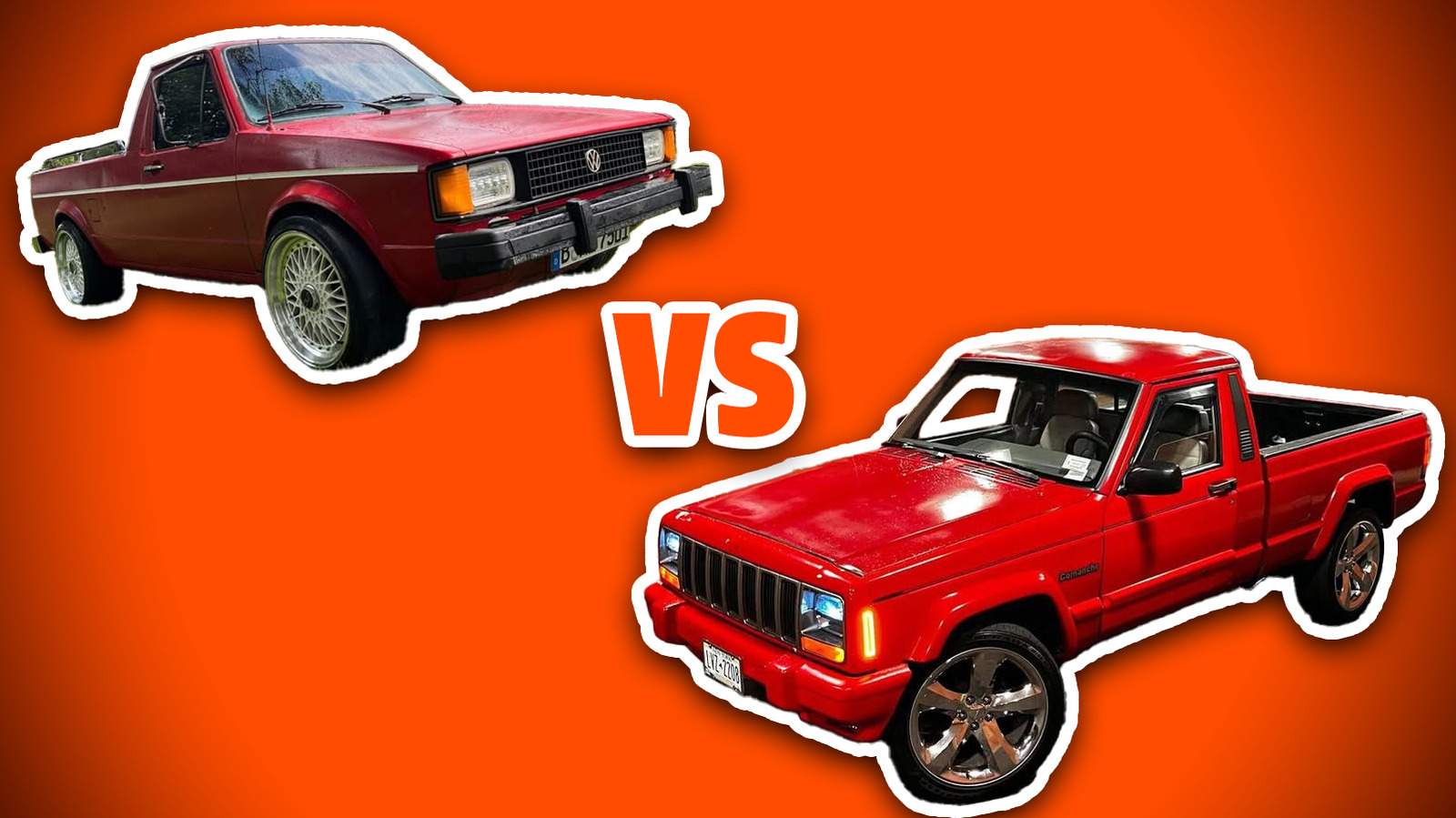
Classic Pickup Showdown: 1981 Volkswagen Caddy vs 1988 Jeep Comanche Eliminator
Renault 5 Electrifies UK Drivers as Affordable Supermini Wins Over New Buyers with Retro...
 Supermini has become most popular EV among private buyers, nudging Renault to second in sales chart
Some 84% of Renault 5 buyers are new to the brand, giving it one of the highest conquest rates of any model the brand has yet launched.
A recent Renault survey of around 1900 5 buyers in the UK revealed that roughly 1600 were switching out of a competitor product: 3.4% part-exchanged a Mini Cooper, 3.8% traded in a Ford Fiesta and 4.4% swapped out of a Fiat 500.
But while Renault UK managing director Adam Wood acknowledged that the most popular part-exchange models were similarly sized superminis, there is “really no trend” to who is buying the electric supermini.
“They're coming from premium SUVs, small cars, all different brands. Some of them are second cars, some of them are primary cars,” he said, citing the car’s retro-futuristic design as a key factor in its appeal.
“The key thing with the 5 is that it comes back to that point of magic. People see the car and, I think whether they remember the original or not, it's just a great piece of design that brings a smile to peoples' faces."
"Emotion is a big part of the buyer's purchase too, and that's why you see such a conquest rate on the 5."

The 5 has been a roaring commercial success in its first few months on sale: some 2400 examples had been delivered in the UK to the end of June and it was the best-selling EV to private buyers in April and May - making Renault the country’s number-two retail EV brand, behind Tesla.
The 5 was instrumental in helping Renault grow its share of the UK car market to 3.7%, with registrations climbing 16% year-on-year in the first half of 2025 - in part because of a 17% hike in private car sales.
Renault's EV sales were up a huge 887% in the first half, with the 5 and Scenic having joined the Mégane in the last year, and Wood anticipates that the arrival of the 4 this autumn will drive further growth, based on the early success of the similarly conceived 5, which has “really has brought electric motoring to the masses in terms of affordability".
Wood cited the 5’s £23k start price and potentially low running costs – assuming the ability to charge on an EV-specific domestic tariff – as giving a “very similar” total cost of ownership to a comparable ICE hatchback but suggested that the supermini’s success wasn't entirely founded on its affordability.
"Accessible pricing is, of course, a factor. But I think often the industry forgets the emotional appeal too. So I think it's that design and fun that is also attracting more and more private individuals who perhaps weren't considering electric.
“In many ways, I think it's like a Trojan Horse to get more people considering electric."

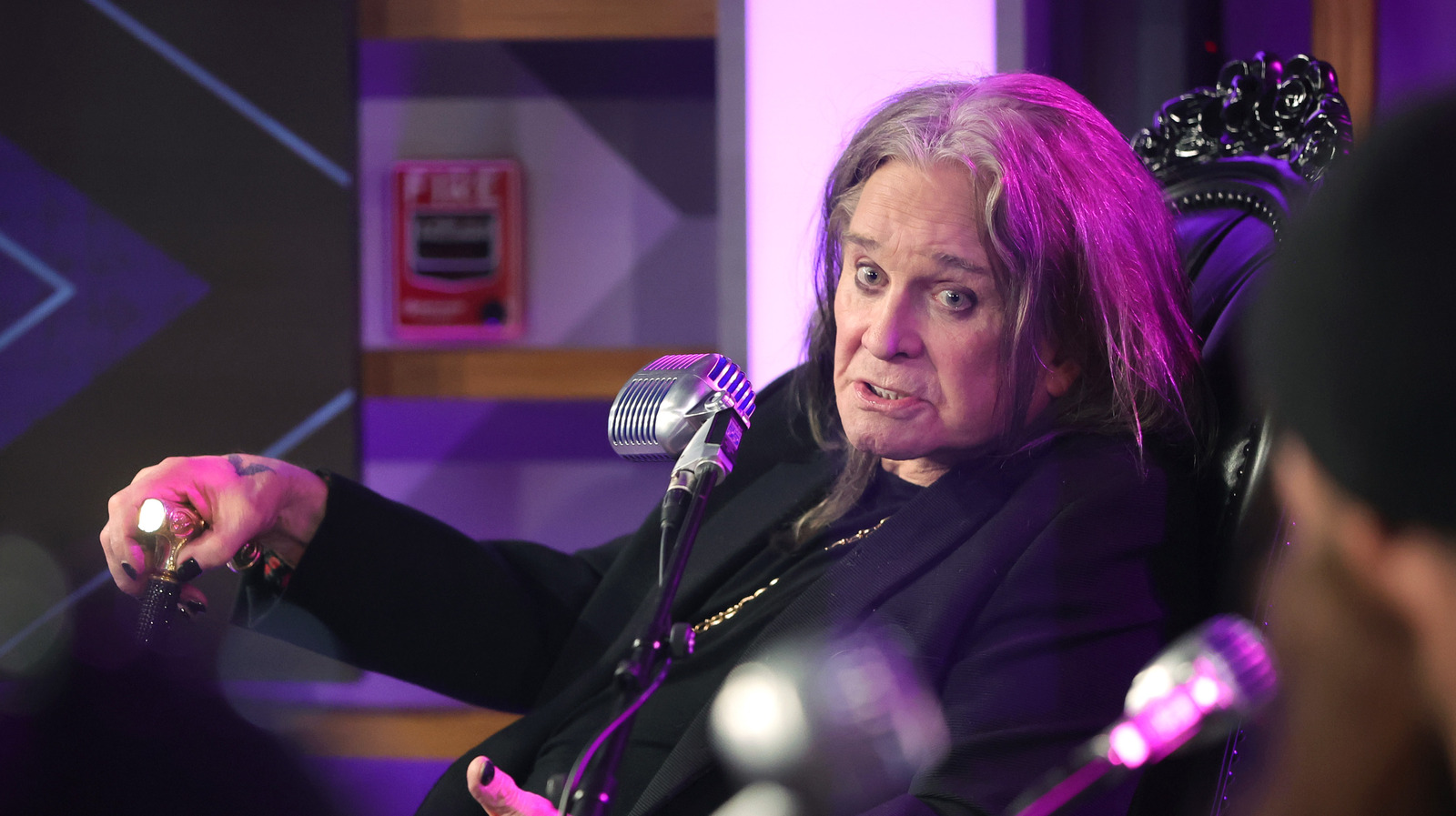
Ozzy Osbourne’s Wild Journey From Rock Legend to Reluctant Driver
Aston Martin Vanquish Volante Review Experience Ultimate Open-Top Power and Luxury
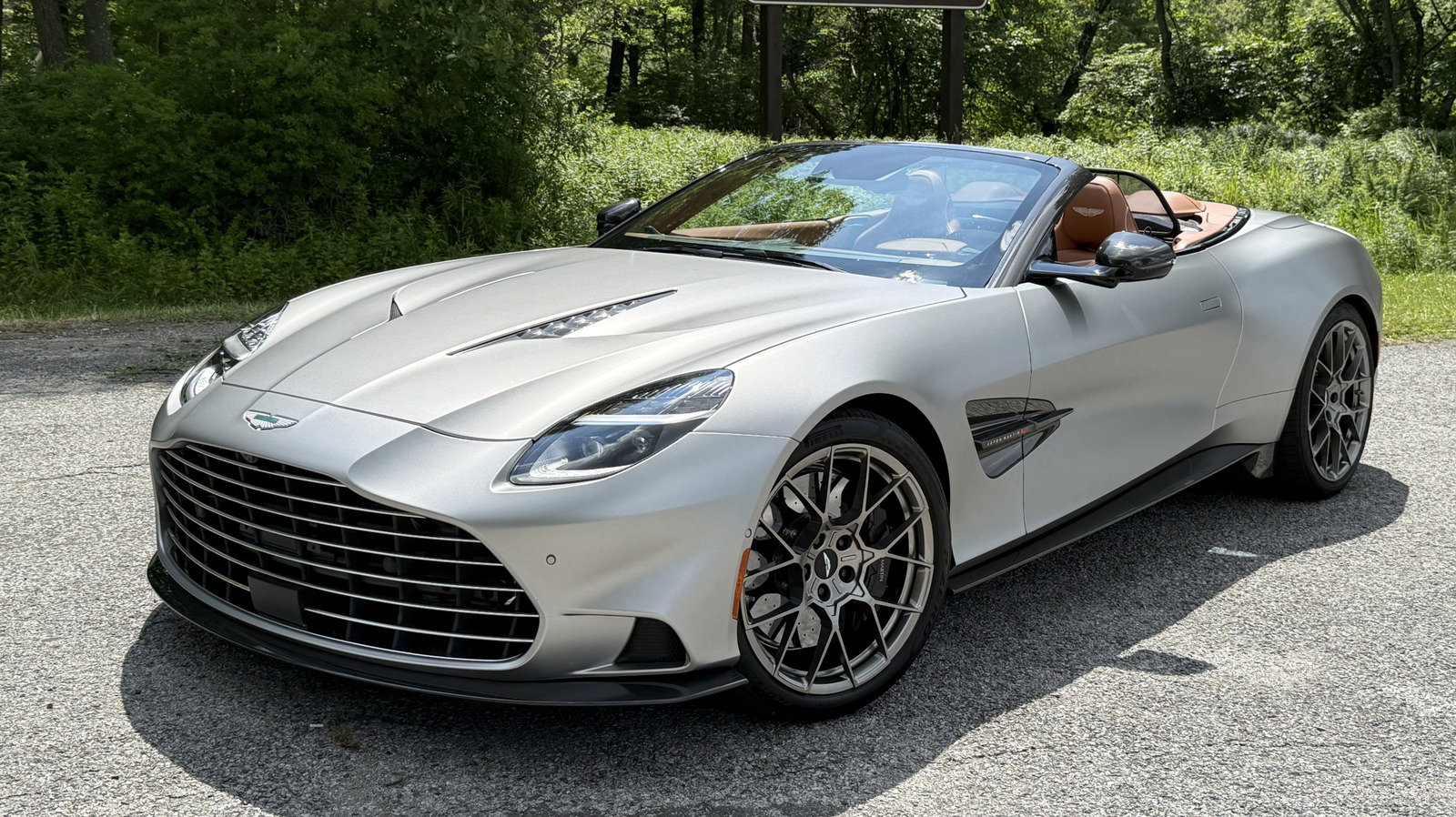
 We (nearly) run out of superlatives to describe Aston’s fastest, most powerful and most expensive open top car It’s 90kg heavier. Anti roll bar stiffness and rear spring rates have been upped by 7%. And the roof goes up and down. There you go. The material differences between the coupe and this Aston Martin Vanquish Volante.Long gone are the days where ripping the roof off ruined the rigidity of a car. The foundational structure, Aston’s chief engineer Simon Newton, reassures me, is basically the same between the regular Aston Martin Vanquish and the Volante. The interior, too, is the same as the regular car, and it continues with that car’s raison d’être. This is a two-tonne bruiser of a super GT-cum-supercar. A 5.2-litre V12-engined £360,000 2.0-metre wide screaming flare that signals “I am doing very well for myself”.
Aston Martin Vanquish Volante Sets the Standard for Beauty and Performance
Vauxhall Mokka GSe Unleashed as High-Performance Electric Crossover with 276bhp Power Surge
 Mokka Electric gets nearly twice as much power as standard, plus a limited-slip 'diff
Vauxhall has reimagined its GSe performance brand with a new version of the Mokka Electric that has nearly double the power of the standard car.
Previewed by the Mokka GSe Rally prototype in May, the crossover’s arrival marks the relaunch of GSe, most recently used for the plug-in hybrid Astra GSe, as a badge for performance-honed fully electric cars. The Mokka is also a more serious proposition than the Astra, with substantially more power and extensive chassis modifications.
Its new motor, which is shared with the Abarth 600e, the Alfa Romeo Junior Elettrica Veloce and the new Peugeot e-208 GTi, puts out 276bhp and 254lb ft. That’s sent to the front wheels through a Torsen limitedslip differential, and it allows the Mokka GSe to hit 62mph from rest in 5.9sec.
To cope with that significant uptick in performance, the GSe’s rear axle has been redesigned to add an anti-roll bar and tauter bushings. Together, these are said to increase the back end’s torsional stiffness by 189% compared with the regular car.
The GSe also gets more heavily weighted steering, 380mm Alcon front brake discs with four-pot calipers and new dampers with hydraulic bump stops. The Mokka GSe rides on new 20in alloy wheels shod with Michelin Pilot Sport EV tyres, and it tips the scales at less than 1600kg.
The brand has yet to disclose a range, but the e-208 GTi, 600e and Junior Elettrica Veloce all return around 200 miles between charges. For reference, the standard Mokka EV has a 247-mile claimed range from the same 54kWh battery used by the GSe.
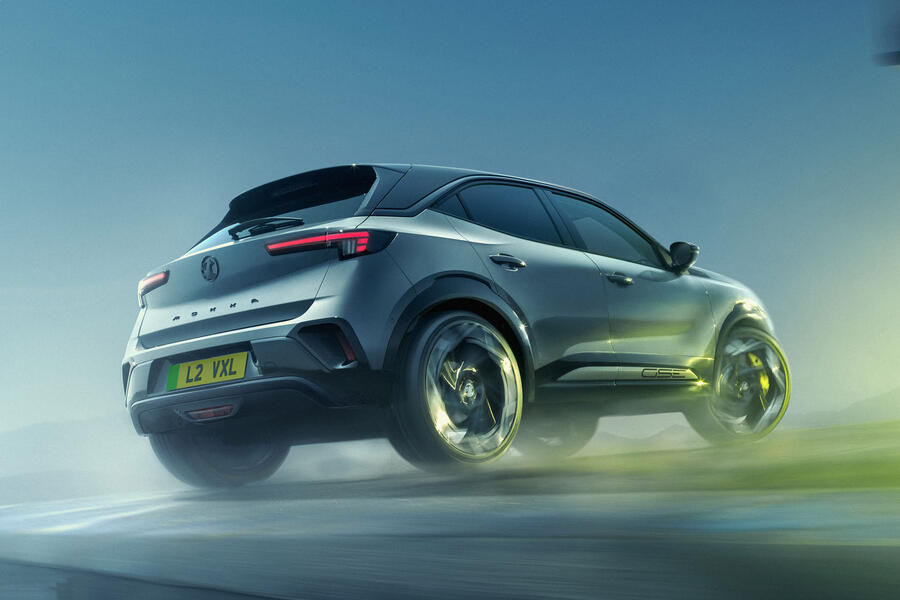
Visually, the new model is marked out by its neon yellow contrasting elements and new gloss black panels on its front and rear bumpers. Inside, it has Alcantara bucket seats and door cards, and the infotainment touchscreen features new displays including a g-force meter.
Prices and delivery dates have yet to be confirmed, but a 600e with the 276bhp motor starts from £39,885, while the Junior Elettrica Veloce is £42,305.
That suggests the Vauxhall could land in the high-£30,000s – possibly just undercutting the UK’s £40,000 luxury car tax threshold.
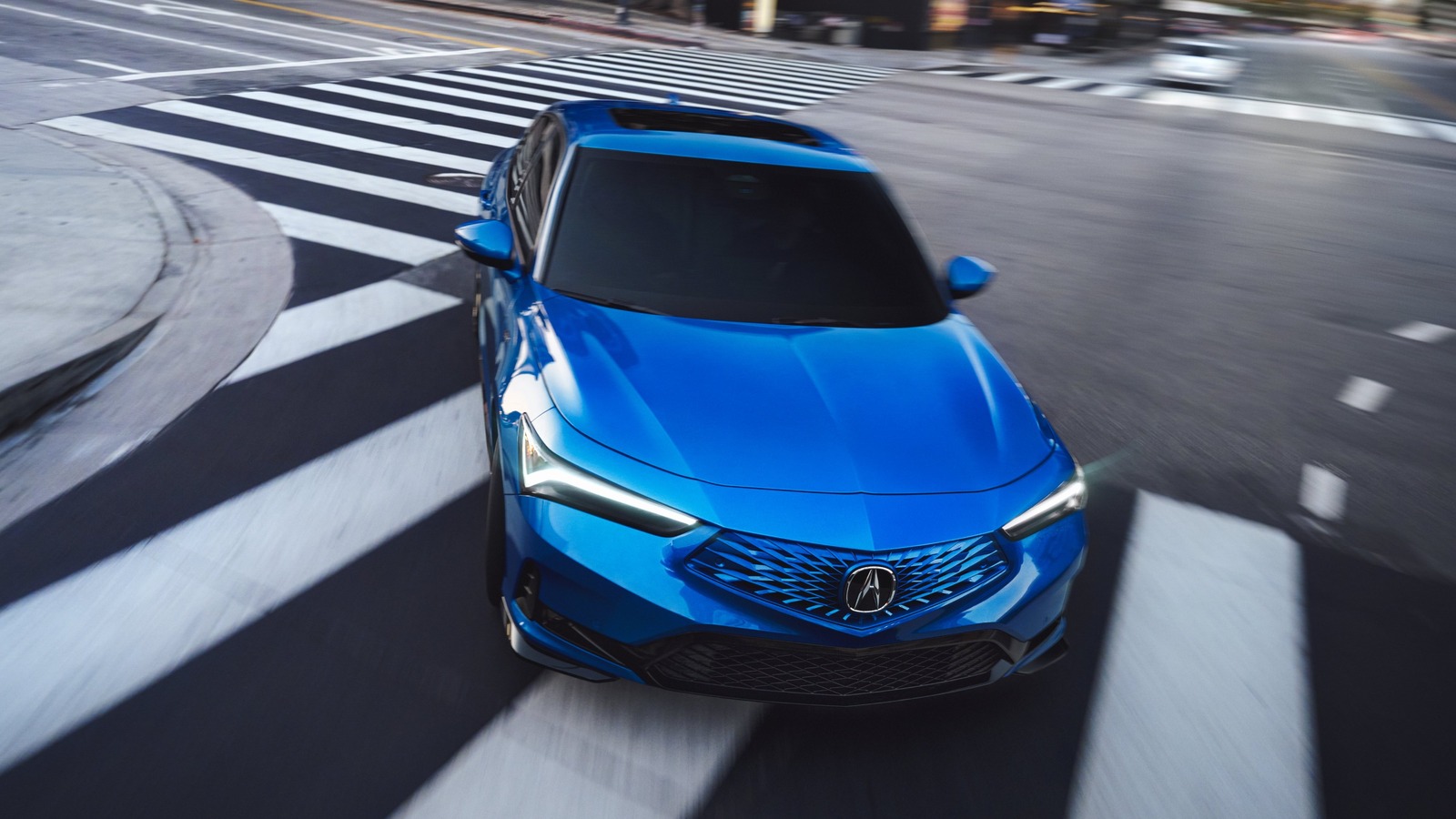
2026 Acura Integra Shines With Fresh Colors, Enhanced Interior, and Upgraded Touchscreen
How a Communist Dictator and Western Car Makers Shaped the Surprising Rise of Dacia
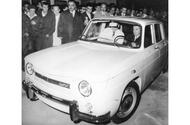
Romanian communist dictator Nicolae Ceausescu drives the first Dacia carThe Renault Group brand has had a rather tumultuous life since it first emerged in the 1960s
As the 1950s dawned, the recently installed communist government of Romania dictated that its population of peasant farmers be sent to work in factories.
The industrialisation of the country was rapid – and a decade later, the ruling party decided to add vehicle manufacturing to their growing collection of heavy industries.
Recognising that Romanians lacked the required knowledge or experience to design and build a car of their own, the party sent a group of specialists abroad to learn how to make automotive electricals and set about buying a production licence for a modern family saloon from a Western manufacturer.
Between 1965 and 1967, six sent representatives to Bucharest for discussions. Britain’s BMC offered its hugely successful Mini, Italy’s Fiat and Alfa Romeo the retiring 1100 and new Giulia, and France’s Renault and Peugeot the 10 and 204, both new.
Meanwhile, America’s Ford proposed a comprehensive 10-year industry-building project.
Romania’s new general secretary, Nicolae Ceausescu, most fancied Renault, after the firm secretly flew out a pre-launch prototype 12 in a guarded crate for him to personally evaluate.
Enjoy full access to the complete Autocar archive at the magazineshop.com
Alfa was particularly miffed about this, because Ceausescu announced his choice in the same week that his foreign affairs minister was visiting Italy to strike a deal for production of Giulias and Alfa buses.
A new firm, named UAP, would build Renaults in Mioveni, near the city of Pitesti, where a wartime IAR aeroplane factory had transitioned to making truck parts. There was a hitch, though: the tooling for the 12 wasn’t yet ready.
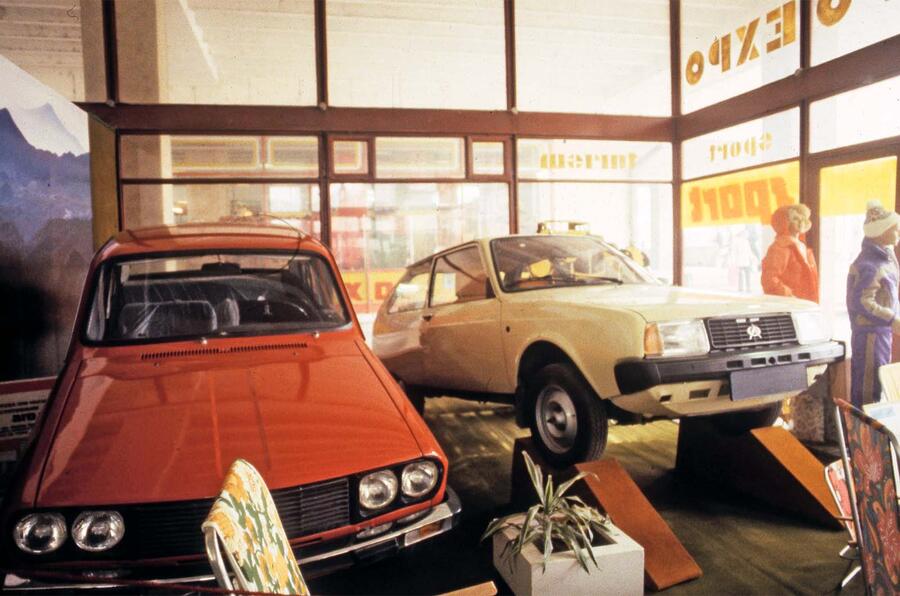
Renault offered the innovative 16 as an alternative, but the party deemed this too pricey. So the factory would have to start off making the older, rear-engined 8.
It was renamed the Dacia 1100 (Dacia was the name of Romania in antiquity), and efforts would be made to localise its supply chain.
The very first 1100 was driven off the line by Ceausescu in August 1968, and a year later it was joined by a rebadged 12, the Dacia 1300 – and Mioveni also started making parts for Renault.
From around 30% initially, local content would rise to 100% through the 1970s. Production totalled about 20,000 cars annually, many of them exported to France.
Such was Dacia’s success that in 1973 the party asked Renault about adding a smaller, more frugal car (the new 5, we would imagine) – but the answer was no. So instead it partnered Citroën, creating the Oltcit brand.
A new factory was built in Craiova, opening in 1981 with production of the new Visa and Club superminis – the latter developed from an old proposal for a 2CV successor and sold abroad as the Axel.
None of this was reported by Autocar when it happened, due to the obfuscation of the Iron Curtain and the lack of relevance to British drivers.
That changed in 1981 with an announcement by Yorkshire company Tudor Vehicle Imports. TVI had begun life two years prior importing 4x4s and commercial vehicles made by Romania’s ARO and TV firms, and now it was adding the Dacia 1300 saloon/estate to its dealerships.
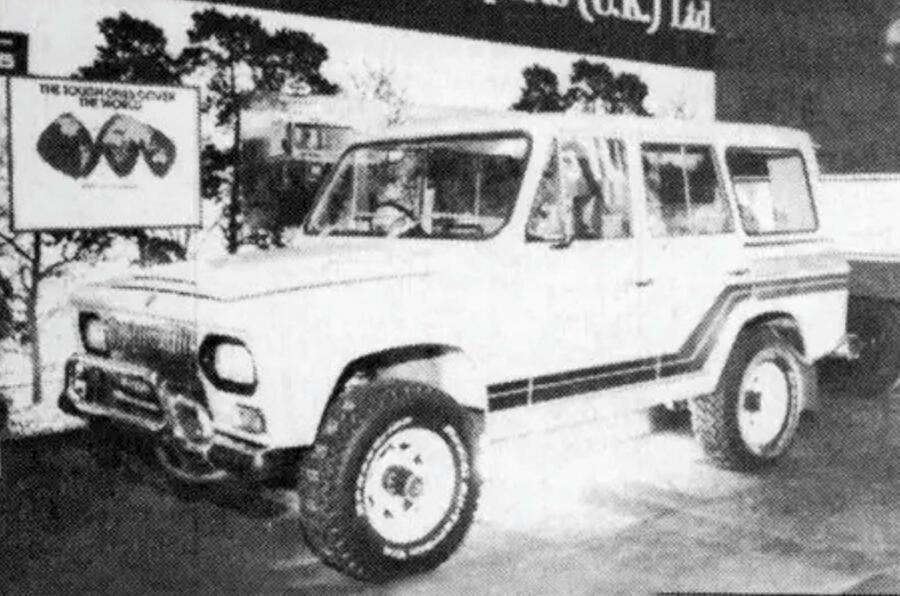
“It is an ideal vehicle for the family man,” said TVI’s marketing director. “It compares favourably in size, power and fuel consumption with the Morris Ital but will be much more competitively priced.”
This was part of a £10 million expansion plan, backed by the Romanian government taking a 75% share in TVI and providing a cash injection. A new factory was to be built in Brighouse to build Dacias from knocked-down kits, creating 400 jobs – and so many applied that the company was “unable to cope”.
So it was disastrous when, merely months later, the party “suddenly seemed to lose their enthusiasm” and backed out of the plan, forcing TVI into receivership. It took legal action, but the result is unclear.
A Hampshire firm soon stepped in to import the 1300, renamed the Denem, to the great annoyance of embittered TVI boss Jack Wade – but the Dacia Car Co also slumped into receivership two years and 200 sales later.
Presumably the Denem wasn’t “very acceptable”, after all. But guess what? Our story doesn’t end there. Yet another firm fancied a crack, this one from Wiltshire.
And so in 1985, Autocar was able to conduct its first-ever Dacia road test (even if this Dacia was actually a rebadged ARO).
It was a rough-and-ready 4x4, and it was called the Duster.

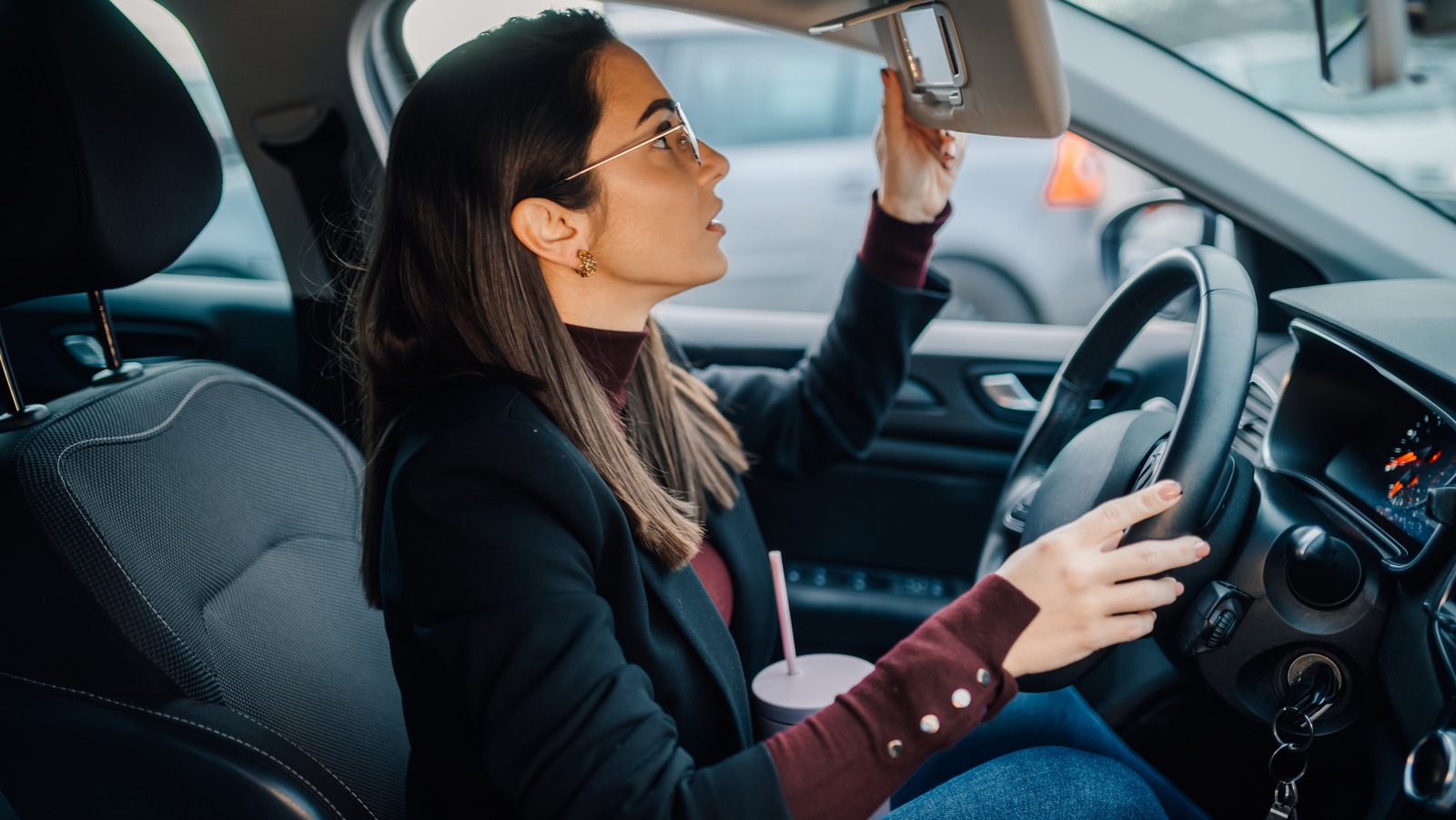
How Close Should You Really Sit to Your Steering Wheel?