Skoda Enyaq vRS 2025 Review Is This Electric SUV’s Power Boost and Lower Price...
 One of our favourite electric SUVs has been lit up – but don’t expect fireworks There isn’t much ‘victory Rally Sport’ about a 2.2-tonne electric crossover, but Skoda has never been precious about its sporty vRS badge, and if anything this has been to its advantage.The initials have been applied to subjects as diverse as diesel superminis and plug-in hybrid estates, but we’ve always known what they stand for: a sensible injection of performance and a measured stab of handling intent, plus a lightly racy interior trim and high equipment levels.Those ingredients work with almost any model in the range, and without inviting overbearing expectation from the fanbase. Witness how Volkswagen has so far not dared to bestow GTI status on its EVs or crossovers, lest a PR disaster unfold. But an Enyaq vRS? Sure, why not?Skoda launched the Enyaq vRS – its most powerful and expensive model – in 2022 with 295bhp and 338lb ft and a Lamborghini-like, acid-green ‘hero’ colour. Three years later there’s a new version, which has 335bhp and 402lb ft but costing £1500 or so less. This not only busts inflation but also goes counter to the newer car’s better equipment and bigger battery (claimed range is now 344 miles, up from 296 miles, while the rapid-charging speed has risen from 135kW to 185kW). Talk about swimming against the tide. At £51,660, the vRS sits just above the regular Skoda Enyaq Sportline.Alongside a performance bump, it comes with highly adjustable DCC dampers as standard, along with electric massage seats for both front occupants and, of course, the sharp-but-subtle vRS styling. Rivals include quicker variants of the Ford Mustang Mach-E, Volkswagen ID 4, Kia EV6 and Tesla Model Y – some, but not all, of which the Skoda undercuts on price.
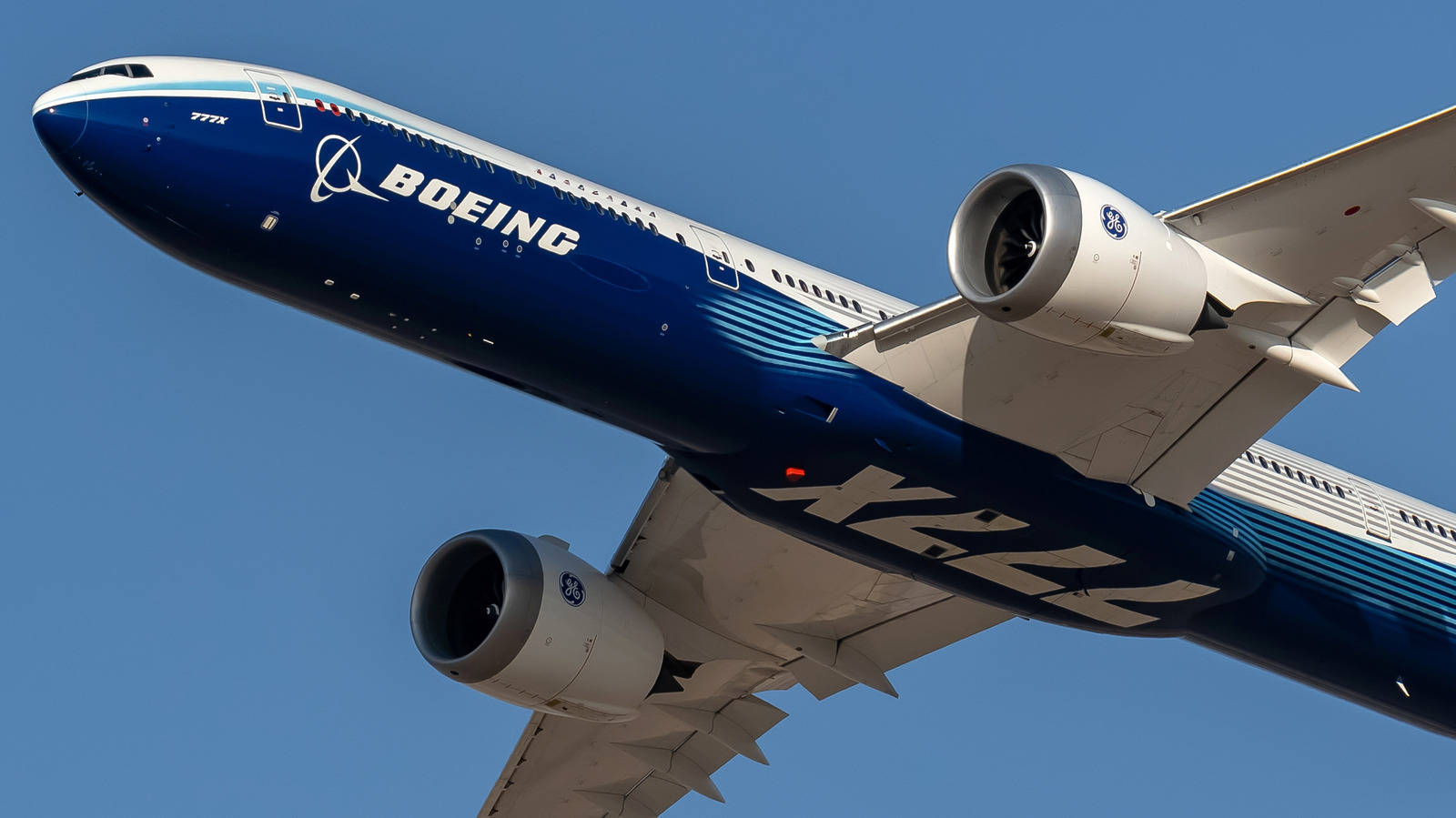
Who Powers Boeing and Airbus Jets? Inside the Makers of Modern Aircraft Engines
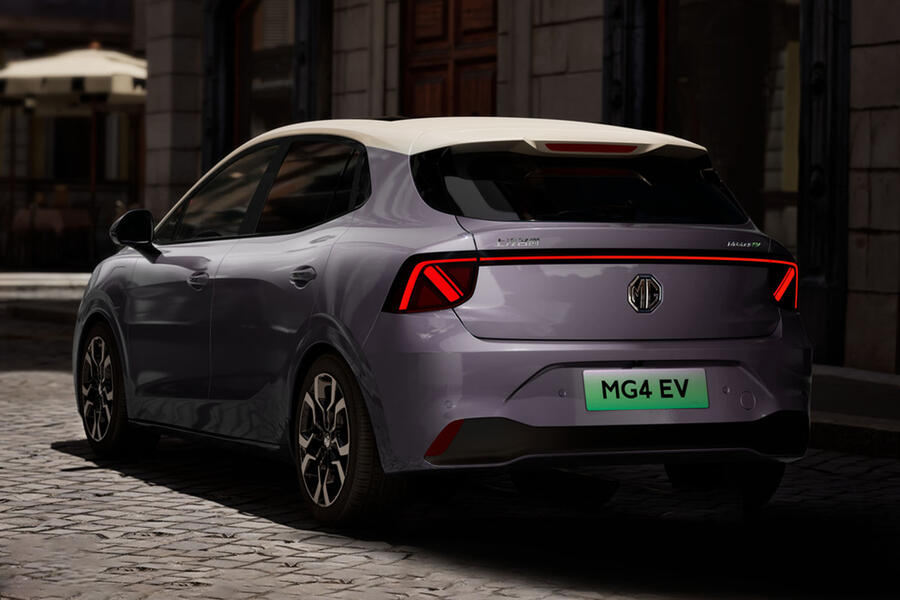
Sleek New MG 4 Electric Hatchback Set to Redefine European Roads with Bold Design...
Second-generation MG 4 was recently revealed in ChinaSecond-generation EV already on sale in China, but design now filed with European legislators
MG is expected to bring the new 4 to Europe imminently after its design was registered with European legislators.
The second-generation hatchback went on sale in China in March, and it is markedly different from the car it replaces: it is bigger, sports a new, Cyberster-inspired design and gets a new cabin which mirrors that of the new and technically related S5 EV crossover.
When the 4 launched, UK boss David Allison said whether it would come here or not was still being decided. The UK model was instead updated with some of the new iteration's upgrades, including an extensive interior refresh with high-quality materials.
Now with the designs registered in Europe (pictured below), its arrival on the continent is all but confirmed – and with the UK being MG's biggest market, it will inevitably come here too.
Given that the 4 is already one of the brand's best sellers here, and that production of the first-generation car – which is built alongside its successor – will soon end, Autocar understands the new model's arrival is expected soon.
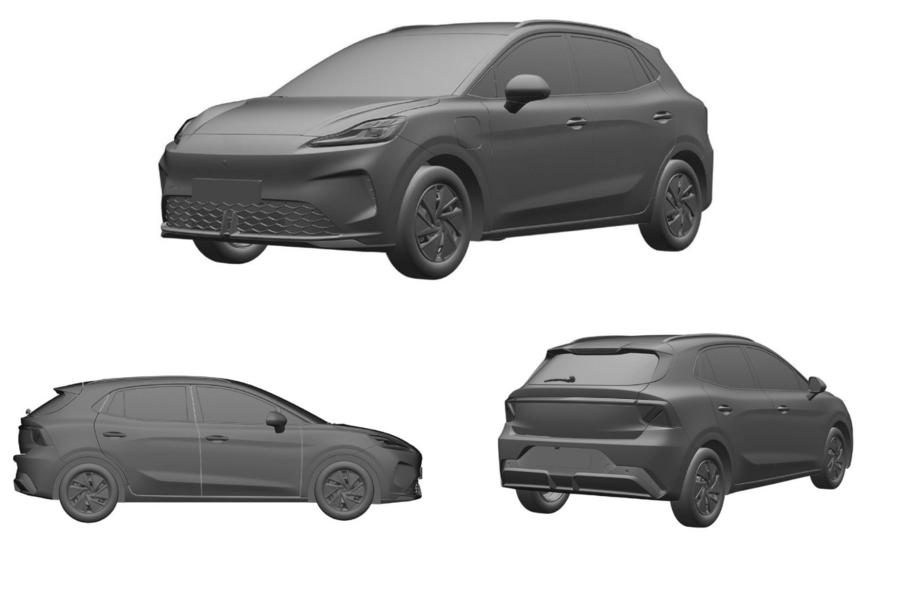
However, when that will be is yet to be determined. While MG confirmed the patent application was official, it told Autocar in a statement that “it is too early to say whether this design will be offered in the UK”.
Compared with the current 4, the second-generation EV has grown in size to bridge the gap between the existing 4 and the S5. It's 4.4m long, compared with 4.3m long for the first-generation model, and the wheelbase has grown by 45mm to 2.75m.
The new 4’s styling draws heavily on that of the Cyberster convertible, the smaller MG 3 hatchback and the S5 EV, with thin headlights up front and arrow-shaped brake lights at the rear.
Filings with Chinese authorities state it has a single electric motor with 161bhp, which is down from 168bhp, but it weighs in at 1485kg – a marked reduction from the current 49kWh car’s 1620kg.
Power is drawn from a lithium-iron-phosphate battery of undisclosed capacity, which is likely to give a range comparable with the 218 miles offered by the existing entry-level 4.
Are Chinese Car Sales Really Booming or Just Clever Hype?
Renault Scenic E-Tech Long-Term Review Is This Electric Hatchback Still a Standout in a...
 In the EV world, you’re never on top for long. Was this car the exception?
Being a Car of the Year juror has its perks. Superb access to the industry’s top executives. The earliest chance to drive the very latest new cars. World-leading expertise in mid-size electric crossovers.
The last of those felt like a key part of the brief in the 2023 testing cycle to decide the 2024 Car of the Year, because every launch that year seemed to be a 4.5m-long, five-seat electric car from a mainstream European manufacturer.
Such is the launch cycle of new cars and, as a result, the all-new cars tested for Car of the Year, and the convergence of industry trends. A year later and smaller cars made up the bulk of testing.
The Renault Scenic emerged as the very best of the breed in the class of 2024, according to the 60-strong pan-European jury, beating the likes of the Peugeot 3008 and Volvo EX30. There was a sense of surprise even from those within Renault that the Scenic had won given that its major EV push was to come a year later with the Renault 5.
But that’s no slight on the Scenic or its achievement. Car of the Year is only ever a reflection of the cars launched that year (if they’re all mid-size electric crossovers, then that’s the way it is) and cars can only beat what’s put in front of them.
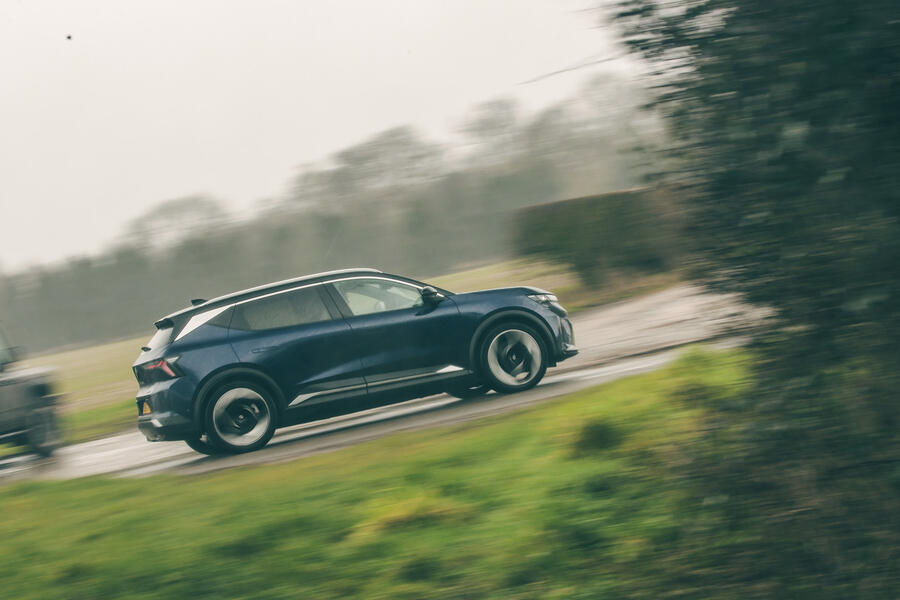
The Scenic did just that and stood out from its peers for both rational and emotional qualities, such as its impressive kerb appeal. This new Scenic is quite different from models that wore the badge before.
It has morphed from a versatile MPV into a mainstream large five-seat hatch, effectively a longer and taller Megane to free up more interior space. So big is the departure from the original Scenic to this new one that you wonder if the Scenic badge is an apt one, yet we’ll leave such conclusions for the miles and months to come.
Today’s Scenic is an EV with two battery options: 60kWh for 260 miles of range and 87kWh for 379 miles in its most efficient trim level. The lower-range Scenic has a front-mounted electric motor with 168bhp and the bigger-battery model is powered by a 215bhp motor.
Charging speeds also increase with the battery capacity, from a standard 130kW to 150kW. Our test car has the bigger battery and is in Iconic trim (Techno and Esprit Alpine are also offered), which tops the range and, on the subject of range, has 10 miles shaved off the entry Techno model’s mostly due to the larger, 20in alloys that come with this trim.
Still, on the spec sheet, the Scenic is one of the rangiest electric cars of its type. A Techno-spec Scenic starts from £37,495 with the smaller battery. The bigger battery in Techno trim is another £3500, pushing it past the £40,000 luxury car tax threshold that kicks in for EVs next month.

The Esprit Alpine and Iconic trims are available with the larger battery only, the former starting from £43,495 and the latter from £45,495. The standard equipment on all Scenics is impressive and includes the excellent Google infotainment/ operating system that runs off a 12in portrait screen in the middle of the dashboard.
On top of that, your £4500 to move from Techno to Iconic with a big battery adds those larger wheels, a panoramic sunroof, a 360deg camera, a ‘hands-free parking’ function, a Harman Kardon sound system, lighter interior trim and a lightly massaging driver’s seat.
There are no factory-fit options listed in the brochure, only some dealer ones. The sole choice you have – or chance to pay more – is for paint, such as the £1250 metallic Midnight Blue of our test car. I recall from COTY testing that the smaller wheels of the Techno Scenic made for a sweeter and more fluent car to drive overall.
So what that extra kit does to its everyday appeal versus a nicer drive on smaller wheels is another one for the watchlist in this long-term test. The Scenic is a car I got to know reasonably well in the COTY judging process and I’m looking forward to getting reacquainted with it again.
I admired the styling from the off, not only on the outside but on the inside too, where it had a fresh and modern feel. Time hasn’t diminished its kerb appeal.
While a plethora of new rivals have been launched even in the year since the Scenic emerged into such a congested segment, it still looks among the best of the electric family hatches.
Hatchbacks of its size and type are never going to win beauty contests because of how proportions are affected by the packaging needs of the battery, yet I like the Scenic’s techy approach, as opposed to the Tesla-aping homogenised blob look that so many new entrants seem to adopt.
It also avoids the weirdness that many EVs have, where they try to look different almost for the sake of it, and all grace and refinement goes out the window.
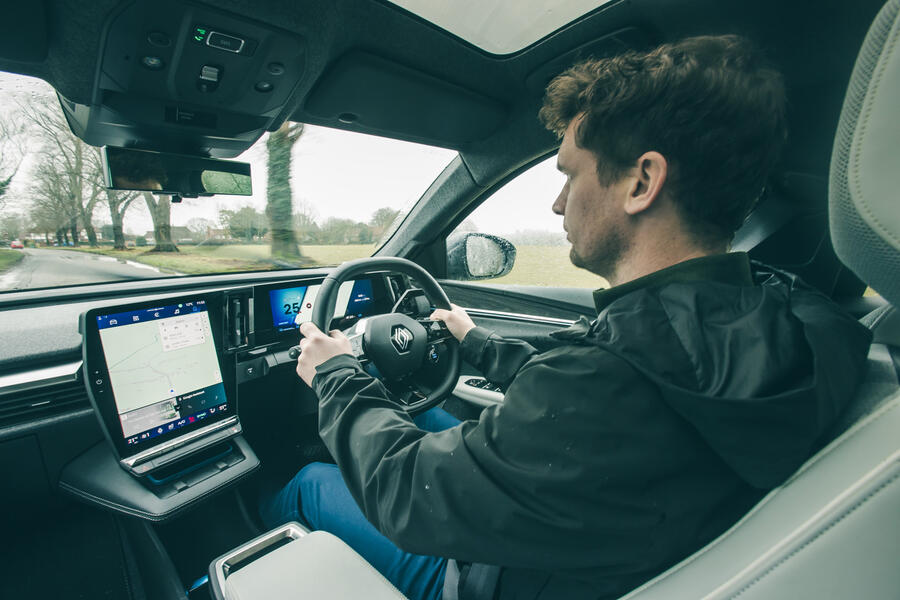
Good morning, Volkswagen ID 4. On first impressions on the road, the driveline refinement stands out as an instant star quality. This is a smooth, easy-going car to pilot. The ride is lumpier than I recall, though. That could well be those 20in wheels.
The Google system inside the car is another happy memory: it’s simple and easy to use. ‘Simple and easy to use’ feels like a mantra that could follow the Scenic around.
It has a lot of bases covered and feels like a car in which you can rack up the miles in a fussfree way, a kind of car you can enjoy driving and using and yet not feel guilty about leaving a crisp packet or two in the footwell because it doesn’t carry any airs or graces about it. Let’s find out...
Update 2
An 800-mile round trip made for quite the rst date with the Scenic. Almost as soon as I was handed the keys, it was off to the continent for the final of the 2025 Car of the Year contest.
The final tests and judging were done at the Mettet circuit, near Charleroi in the south of Belgium, before heading north to Brussels for the ceremony itself.
The Scenic felt like fitting transport to take me over to Belgium for the week, given that it was at the time the reigning Car of the Year, having taken the title around this time last year.
It wasn’t my top pick in the voting, but I had still been a fan of it – and it quickly rekindled an enjoyment for its ability to just fit in and make mundane journeys pass in comfort.
I thought the only jeopardy on the trip would be dealing with my own nerves: I was the designated chauffeur to take the 2025 Car of the Year trophy over to Brussels.

That proved to be the easy part, the trophy even getting the heated front seat to itself as we headed through the Eurotunnel, for what I thought would be the main photo opportunity away from service stations and charging points.
Yet as 800-mile journeys go, this turned into one of the more eventful ones. Snow hit southern Belgium halfway through the trip, and the country’s roads resembled British ones when there’s a downfall, given the chaos that ensued.
Like Britain, Belgium does not mandate winter tyres, and its drivers can be found spinning and sliding meekly into grass verges and ditches. I crawled through the chaos on my summer tyres at no more than 20mph, tucked behind one of the army of snow ploughs that clears the roads.
The only damage done was to the car’s range, which dropped to around 220 miles in the coldest weather – way down on the claimed 369-mile figure. ’Twas ever thus with electric cars, but our road tests have noted there is a particular issue with Renault’s electric cars around highspeed efficiency when compared with rivals, and the Scenic is no exception.
In milder conditions, I’m still only getting around 245 miles on longer runs. One to watch as the weather improves.
Update 3
"It says.” “It says.” “It says.” This phrase was repeated over and over again by the voice of Siri through the Renault Scenic’s Apple CarPlay when I tried to dictate a text in reply to one it had just read out.
Renault took the car back to try to x the glitch and sent me a Rafale to try for a week for an electric versus hybrid comparison of its family crossovers.
They share the same otherwise excellent Google-based infotainment system, so I checked if they had another thing in common.
Sure enough: “It says.” This points to a wider so ware bug that will no doubt be included in a so ware update if Renault’s engineers are able to replicate it.
The text dictation worked fine on my partner’s phone in both cars, and given that we have a newish Clio with older so ware and both our phones work just fine on that, I can only conclude there’s a bug in the new Google system somewhere.
A software update was deployed to my Scenic as part of Renault’s attempted fix, and while it didn’t remedy the issue, it has brought an excellent new CarPlay-based feature: Waze mapping for the instrument display, not just the touchscreen.
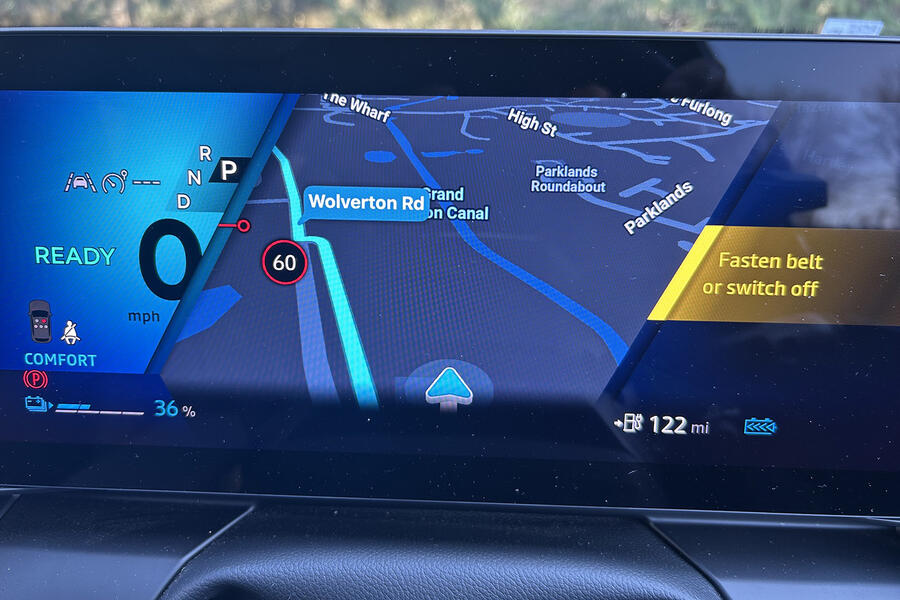
Waze is my sat-nav of choice for its ability to actively and reliably reroute around traffic and also steer clear of ‘sat-nav roads’ – the kind that look like roads on a map but when you get on them are likely to make you the butt of a joke on a local news website.
To have it even better integrated as part of CarPlay (it’s also a stand-alone app in the Renault system, but I keep forgetting my password) is a real boon in the Scenic.
My time in the Rafale reminded me how well electric power is suited to a car of this type and how the baseline quality for electric powertrains is much higher. The Rafale’s hybrid drivetrain was jerky and felt poorly integrated, becoming a bit of a distraction from any wider enjoyment there might be in the car.
An electric drivetrain like the Scenic’s has significantly better performance and refinement and allows you to get off on the right foot with it.
Taking away cost and range considerations for the moment, for a mainstream hatchback from a mainstream brand, electric power feels a better starting point for making a better car.
Update 4
Recently, I got talking to a software engineer whose job it was to pore over the data showing how many features and options customers actually use within their cars.
It won’t surprise you to learn that most people don’t use most things and, beyond an early exploration of some key functions and preference settings, a lot of things stay hidden away undiscovered.
The life of a motoring journalist involves exploration of all these different menus and features, yet even weeks and months into a test like this, things can come as a surprise.
In the Scenic, I went hunting for a creep function for the transmission and came away with a cure for my hay fever. Regarding the former, I had found low-speed manoeuvring, particularly parallel parking, very tricky to do, as the surge of torque jolts you forward and backwards without any finesse.
I thought this was because the car was being held by an auto-hold function, so I went hunting for an off switch, but instead, because the regenerative braking was set to maximum, it held the car in a similar way.
Pulling the steering wheel paddles that control this to turn the regen down at stationary had the car creeping forward in a much more controllable manner. Problem solved.
The Scenic is unusual in keeping the regen setting how you left it when you last got out of the car, rather than resetting, like in Volkswagen Group and Hyundai Group EVs.
To be fair, the Renault way is the more desirable way of doing it, as in those other brands’ cars you typically only notice the absence of regen slowing you down as you approach your first corner.
If an auto hold function was in the system somewhere, I couldn’t find it amid all those menus. Google solved the problem for me anyway, pointing me to a post on the Scenic owners’ page – and at the very top of that was a post about hay fever.
Someone had highlighted the ‘air purifier’ function in the car as the pollen count skyrocketed during the early-April heatwave.
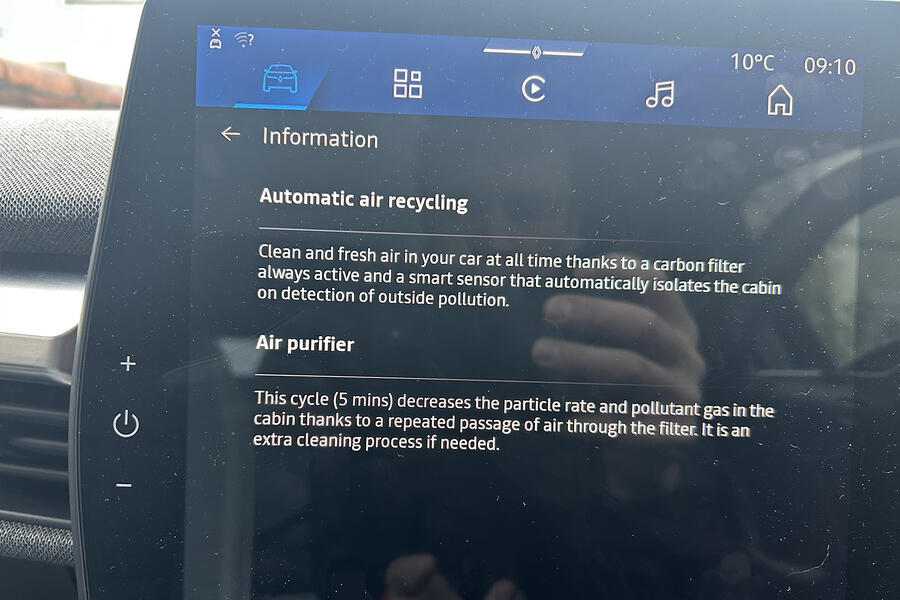
I’d already noticed how surprisingly unaffected I’d been by hay fever at this time in the morning, when it normally ares up. It turned out the Scenic’s cabin air filter is always on, although you can run a five-minute cleaning cycle through one of the menus (‘Air quality’).
It clearly works, because on the mornings when I’ve commuted in other cars, my hay fever has returned.
In the recent one-year service that was done by Renault UK when the Scenic went back home to have its software glitches looked at (the service intervals are one year or 18,000 miles, but our Scenic was registered a year ago and used for other purposes for the first couple of months of its life), the air filter was the only thing to be replaced.
Renault UK serviced the car as it was with them anyway, otherwise my local dealer, Martin’s Renault in Reading, would have got a visit.
They look after the Clio I bought new from there in 2023, and the first service I took it in for in December was as smooth and easy a process as buying the car itself. Friendly, helpful people. I have no reason to believe a visit with the Scenic would have had a different outcome.
Update 5
It’s great, but…” seems to be a prevailing theme of my time in the Renault Scenic. It does so much so well, and then, just at the point of us reaching a blissful equilibrium together, something happens just to set it back a bit.
In this warmer weather I’ve been winding down the window a lot, as you do. Yet when the driver’s window goes down and settles – or rather doesn’t – it then spends the next few seconds making a rattle in the bowels of the door.
It goes away soon enough, but it’s irritating. More so ware bugs have materialised, too. The Apple CarPlay issues reported previously haven’t got any better, and now the traffic sign recognition system has gone permanently blank.
In some ways that’s actually a blessing, because it isn’t the most accurate operator when supposedly in full working order. And another thing… the memory function of the seats has a very selective memory.
Yet I still like so much about this car. The light fabric trim is great at keeping the seats cool in the sunny weather, and it looks so much better than any leather could.
The range has turbocharged itself now, too: I’m getting close to 340 miles on a full charge on mixed roads – a good 100 miles or so more than in the depths of winter.
“It’s great, but…” is how a lot of your correspondence on this car has gone. Reader John Warlow reported CarPlay connectivity issues, a problem with the reversing camera and issues with the driver display freezing when displaying the navigation.
“Yet even with all these issues we love the car,” says John. He likes the range in particular, and says he will definitely be considering another one when the lease expires. David Ellis also offered an excellent summary of his Scenic, although this time with fewer buts’ than John and myself.
His is in white with a black roof: it’s a combination I have yet to see, but it does sound like a good one. David says he’s now “officially a convert” to EVs from diesel; 8p per kWh overnight charging will do that to you with mileages like David’s on journeys rarely longer than 120 miles or so.
He’s a big fan of preconditioning – an electric car boon that makes de-icing redundant – and has adapted his driving style to allow for the extra weight of an EV.
His niggle list is less problems, more suggested improvements: an illuminated charging port and interior door handles to help at night, the adoption of steering wheel buttons for the stereo rather than the archaic steering wheel column-mounted controller and better stability for the My Renault app to control some of the car’s features remotely.
I’m with David on the last point in particular. Ian Briscoe wrote to say he was mostly enjoying his Scenic so far, but he asked me this: “In your normal seating position can you easily see the right-hand indicator light on the instrument panel?” Ian couldn’t, and for the first time he lef an indicator on after overtaking.
He’s right, too. The “it’s great, but…” line could be applied to so many of the Scenic’s rivals. Every brand now has an electric hatchback that’s raised up slightly to allow for a battery pack of around 80kWh, and which is about four and a half metres long and has a range in excess of 300 miles.
They all do some things well and others not so well. This was obvious recently when I tried a Skoda Elroq as part of an early test for 2026 Car of the Year shortlisting (the Scenic, of course, won that crown in 2024).
The Elroq was better to drive than the Scenic. Its drivetrain was smoother and more responsive, the handling balance better and refinement comfortably ahead of the Scenic. It’s great, but… it was a bit dull in other places.
The interior lacks soul or inspiration – things the Scenic has in spades. The drivetrain of the Skoda with the styling inside and out of the Scenic would be a real winner. As it stands, the choice is yours to make.
Final update
From its days as an MPV, to a trendy crossover with big wheels, and now to its current evolution as a large hatchback, there is always more of a story attached to the Renault Scenic and less predictability about it than you would expect from the familiarity of its name.
This fifth-generation Scenic outwardly seemed the least remarkable Scenic yet launched. It is now effectively a bigger version of the Megane hatchback, with five seats and a boot and no interior MPV trickery at all.
Other than being electric, it was hard to pin down what this new Scenic’s ‘thing’ was. And given the volume of new EVs entering the market, being electric is no longer a point of difference.
To succeed without the trickery, this Scenic needed to be a very good car to drive, and to live with, in a very competitive class. Its 2024 Car of the Year title was a good omen.
As one of the COTY jurors, I got to sit through many presentations on it and followed its latter stage of development closely. My first impressions of the car from those early encounters in 2023 have stuck with me and I’d still say the same thing now: it feels like a nice, relaxing car to drive every day, and the interior is a real standout feature.
It feels fresh and modern inside and out, and switching to mass-market appeal seems to have paid off for the Scenic.
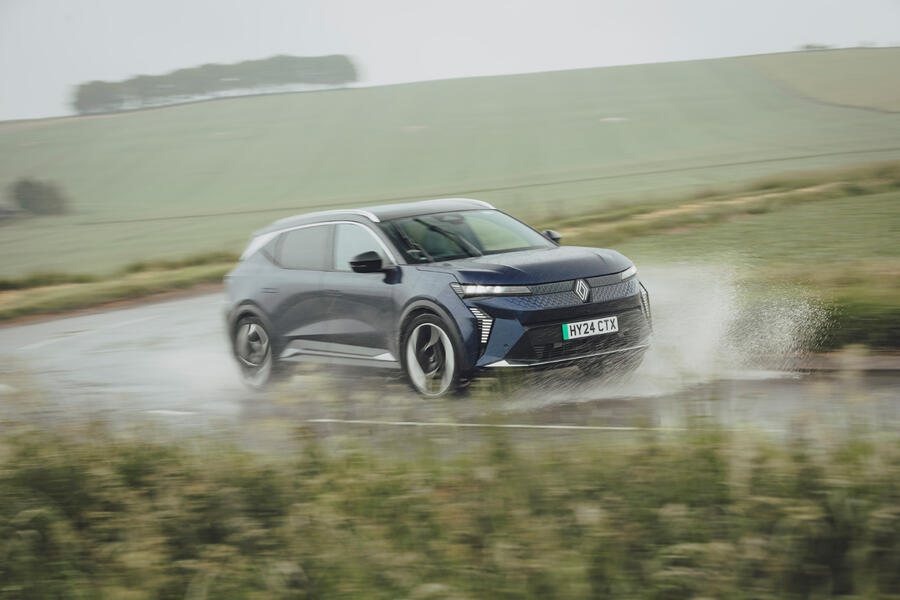
Our version of the Scenic E-Tech no longer exists, the Iconic having morphed into the Iconic Esprit Alpine. This has given the Scenic some sportier trim and a lower list price. Our plush test car was previously the best-specced Scenic not called Esprit Alpine – a standalone trim – and was equipped with the bigger, 87kWh battery (a 60kWh pack is also offered).
It came with bigger 20in wheels than the standard 19in wheels of the entry-level Techno model, and the ride did have a habit of kicking you every now and then. Throughout all our experiences with the Scenic, it has been a quieter, more comfortable and more fluent car to drive on smaller wheels, and up there with the class best in this form.
In our flavour, it is beaten by a Skoda Elroq for driving fluency, yet the Scenic hits back with that interior and greater desirability. We told you it was a competitive class.
The Scenic’s range was hugely varied. It dropped to around 220 miles in the coldest weather but surpassed 350 miles on warm days. Weather and driving conditions do affect the range of electric cars but the gap between best and worst in the Scenic was disconcertingly vast.
Usefully, the car did indicate its maximum and minimum range expectations based on the current charge on the driver display. Charging speeds were reliably up near the 150kW maximum, too, and the car still comfortably conquered some big-mileage trips from its London base, to North Yorkshire in one direction and southern Belgium in the other, without its driver suffering any range or charging anxiety.

The volume of correspondence we receive about a car on our eet shows what people not only like but also care about. A recent report (11 June) covered some reader messages that followed a ‘it’s good, but…’ theme, as that’s how most conversations go about the Scenic.
More emails have since landed suggesting more improvements, all from a position that it is liked and a good car to begin with.
Those ‘buts’ include so ware issues, ranging from problems with the memory seat to the Apple CarPlay voice control not ever working, and glaring omissions: there doesn’t seem to be a warning that the windscreen washer fluid is running low, which I thought might just have been me until reader Ian Briscoe got back in touch to say the same about his Scenic.
The build quality was also a bit iffy in places, the driver’s side window being a rattler. Do I miss the Scenic now that it’s gone, and following an extended period of time running it? Not really, but not because of those gremlins and not because the Scenic is a bad car – it’s far from it.
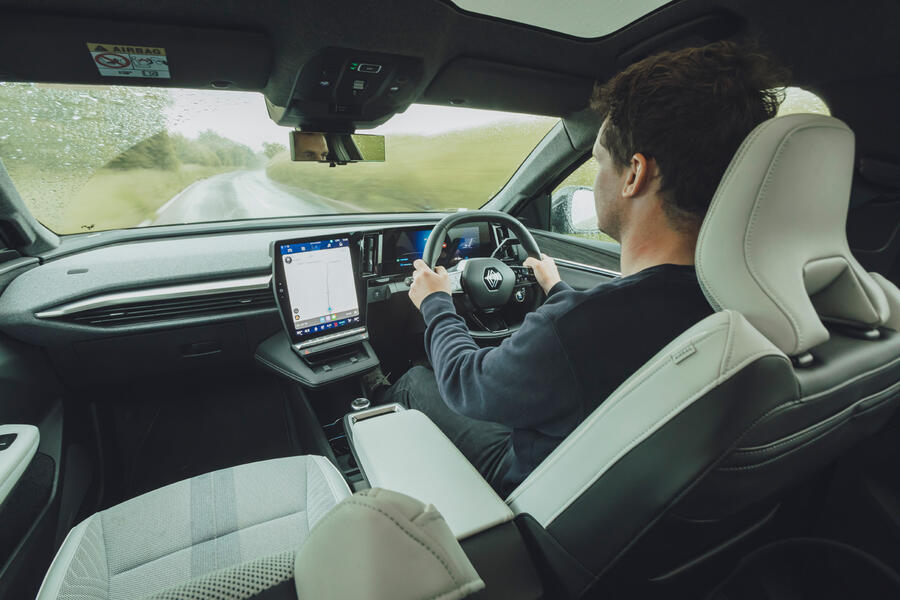
It’s more a reflection of electric car development in general, and how quickly the segment moves. It’s easy to be a magpie in this game and be drawn to the shiniest new thing, even more so when you’re dealing with a class in which every single brand is launching a car of the Scenic’s exact size and type.
Most are competent, too, and a cop-out piece of advice would be to buy one of the class’s strongest contenders (Scenic, Elroq, Kia EV3, Ford Explorer, Hyundai Ioniq 5) you can get the best deal on or from a local dealer you know you can trust.
To the Scenic’s credit, 18 months after launch (a surprisingly long time in the world of mainstream EVs), it still feels a very credible option, and has a real freshness to it. Its styling hasn’t aged at all and the interior remains at the sharp end of the class.
I imagine a faceliftin around 18 months’ time will iron out many of the wrinkles and help the Scenic raise the bar again.
Despite the sheer number of entrants in the mainstream family hatchback EV market, the class still awaits its standout option, but the Scenic remains one of the best of the breed, depending on your preferences.
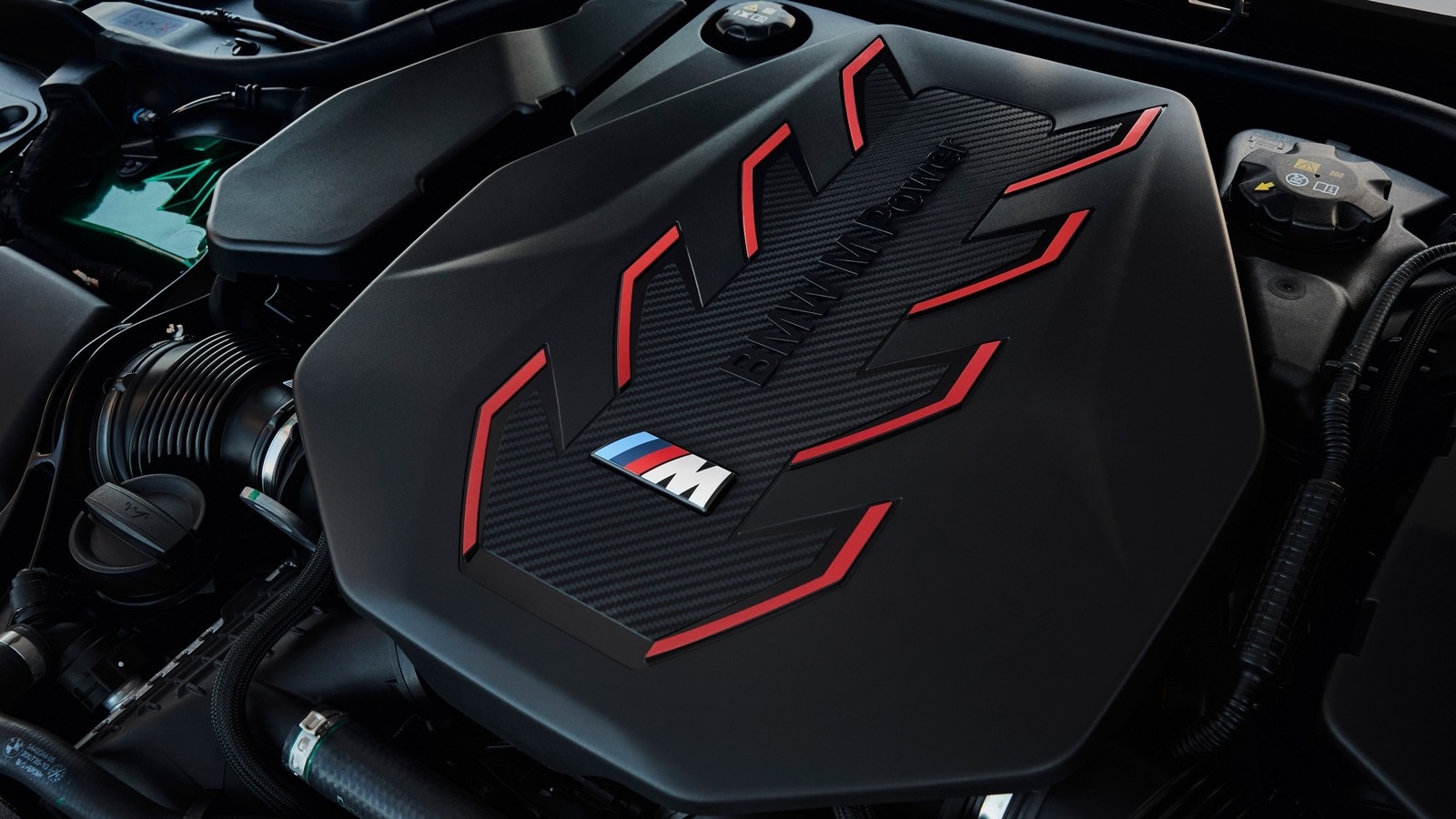
BMW High-Performance Engines Survive New European Emissions Rules
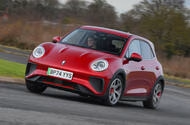
GWM Ora 03 Price Drop Makes It One of the UK’s Most Affordable Electric...
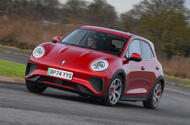
Range-topping Ora 03 GT has dropped from £32,995 to £29,245Chinese brand matches government's new Electric Car Grant, cutting supermini's price to £21k
The GWM Ora 03 has become one of the UK’s cheapest electric cars at £21,245, after the Chinese brand cut the model’s price by £3750 to match the UK government’s new Electric Car Grant.
The ECG, announced last week, will discount new EVs (priced below £37,000) by either £3750 or £1500. These bandings will, however, depend on the cleanliness of the energy grid in the countries both where the EVs are assembled and where their batteries are manufactured. And to qualify for a discount in the first instance, a vehicle’s manufacturer must also be signed up to the Science Based Targets Initiative.
These criteria have been described by industry insiders as a back-door method of excluding Chinese EVs from any grants while propping up those made in the UK and Europe – although the government has yet to publish a list of qualifying models.
In response, some Chinese brands have introduced their own £3750 discounts on their EVs. Leapmotor was first, making its T03 city car the cheapest EV on sale in the UK, and GWM has now followed suit with the Ora 03.
It means the Ora 03 now starts at £21,245, rather than the previous £24,995, undercutting the Citroën ë-C3 (£22,095), Renault 5 (£22,995) and Hyundai Inster (£23,505).
It is possible, however, that those cars will become cheaper than the Ora 03 once the government publishes its list of cars approved for the ECG.
The mid-rung Ora 03 Pro, with a 260-mile range, has been cut to £25,245, while the range-topping Ora 03 GT has dropped to £29,245.
GWM said the discount can also be used as a deposit contribution on a PCP finance deal, requiring a smaller outlay from the buyer to access 0% APR rates.
The move is almost certainly intended to boost sales of the Ora 03, which has struggled to generate much sales traction since its UK launch in late 2022 (as the Ora Funky Cat).
According to the Society of Motor Manufacturers and Traders, GWM sold 193 cars in the UK during the first half of this year, down from 895 over the same period in 2024.
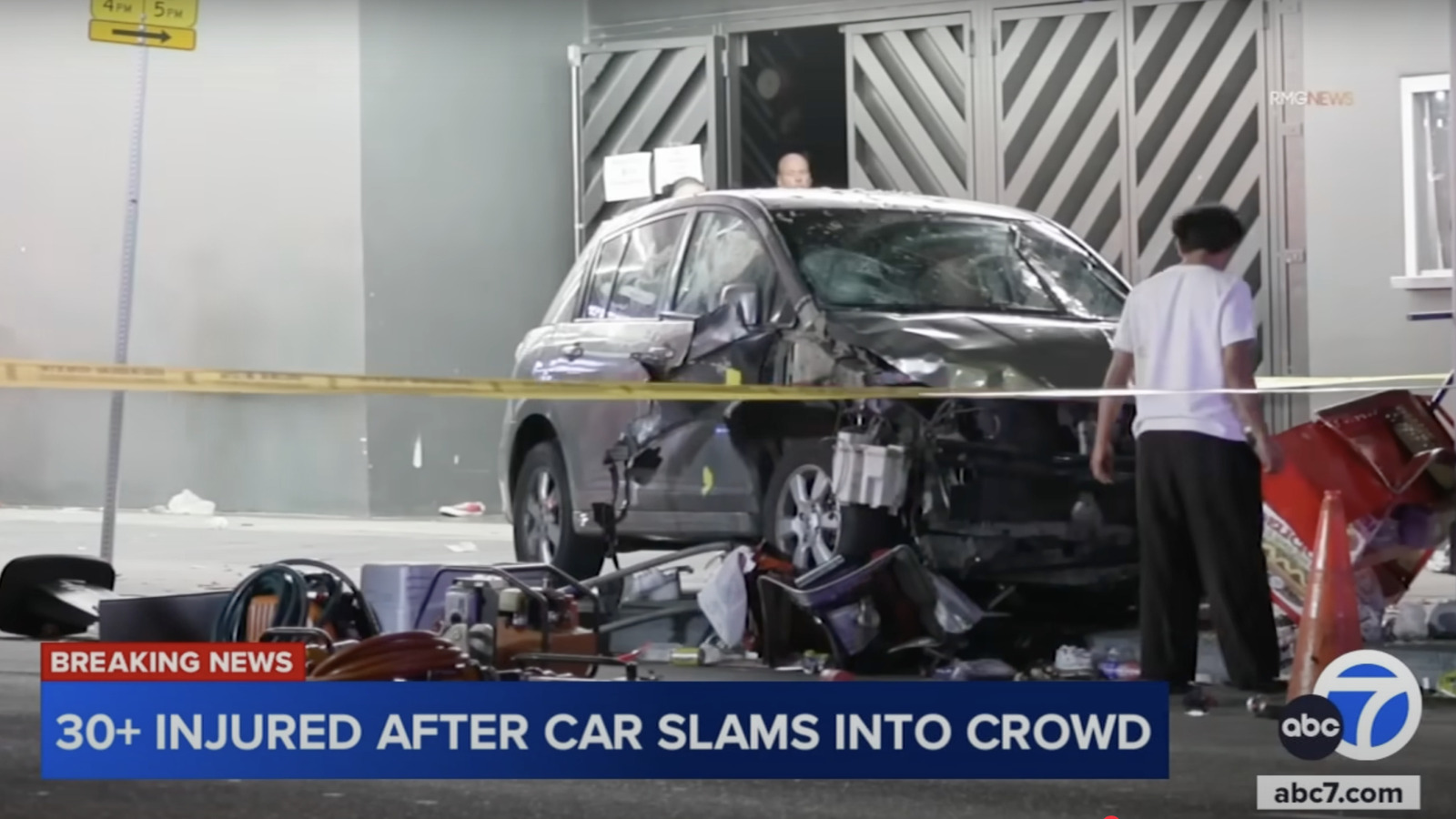
Car Plows Into East LA Crowd Injuring Dozens in Early Morning Chaos
Mercedes Extends A Class Hatchback Production to 2028 Amid Strong Demand and Slow EV...
 Entry-level hatchback faced the axe at the end of 2025 but has now been given three-year extension
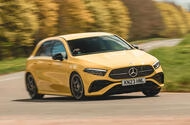
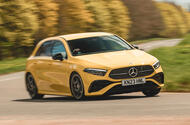
Mercedes-Benz will continue producing the current A-Class hatchback until at least 2028.
The move comes despite repeated statements from CEO Ola Källenius that the popular hatchback, along with the B-Class MPV, would cease production at the end of 2025, bringing to an end two generations of models based on the company’s MFA platform.
Mercedes originally touted a future compact car strategy built around four new models, all based on the new MMA platform: the CLA, CLA Shooting Brake, GLA and GLB - all of which will offer a choice of combustion and electrified drivetrains.
However, Mercedes sources suggest they will now be supported by an upgraded version of today’s A-Class hatchback, of which production is claimed to have been extended by up to three years.
The decision is understood to have been driven by continued demand for the seven-year-old ICE model, in combination with a slower than expected take up of Mercedes' newer electric models.
Production of the A-Class Saloon ended earlier this year. Production of the A-Class hatchback is now expected to continue beyond the introduction of EU7 emissions regulations in late 2026, although it remains unclear whether existing petrol and diesel engines will be adapted to meet the new standards.
Autocar understands that the A35 and A45 AMG hot hatches will be taken off sale because their M139 2.0-litre turbocharged engine does not comply with EU7, although there is not currently a time frame on when this will happen.
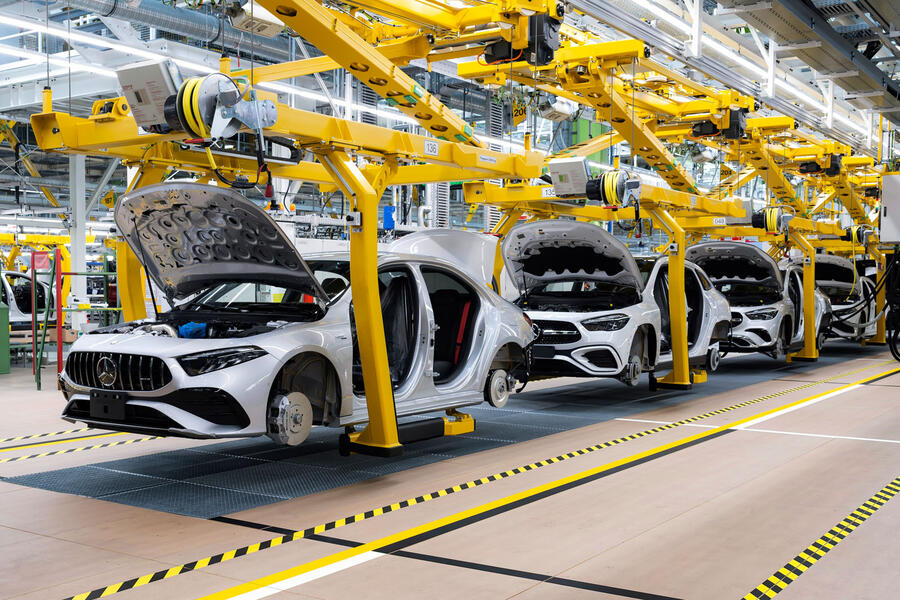
Production is likely to shift to the Kecskemét plant in Hungary, as the Rastatt factory where it is currently produced has been repurposed for production of the new CLA and CLA Shooting Brake.
The future of the B-Class remains uncertain, but Autocar understands Mercedes will stick to its original plan and cease production of the BMW 2 Series Active Tourer rival at the end of 2025.
The extension of the A-Class hatchback’s model cycle coincides with a broader reshuffle of Mercedes' compact car line-up.
Following the launch of the CLA, the CLA Shooting Brake is set to go on sale in the UK before the end of the year. The EQB will also bow out by the end of 2025. A new generation of the GLB, to be sold with the choice of ICE and electric drivetrains, is scheduled to begin production in Hungary in 2026.
The next-generation GLA will follow as the final MMA-based compact model, arriving in late 2026 to replace both the existing GLA and electric EQA.
While no successor to the A-Class is planned on the MMA platform, its prolonged production life reflects Mercedes' need to sustain compact car sales amid a broader shift toward electrification and high-margin luxury segments.
In 2019, the brand’s compact car range peaked at 667,000 global sales. In 2024, that figure had declined to 534,800.
In a statement sent to Autocar, Mercedes-Benz said: "The A-Class continues to enjoy high demand among our customers, and we are currently in the lifecycle of this vehicle. Recently, the series was updated and enhanced with an extensive facelift - making this vehicle even more desirable for our customers. We do not comment on phase-out dates or portfolio decisions."
Brittany Force Sets NHRA Speed Record with Stunning 341 MPH Quarter Mile