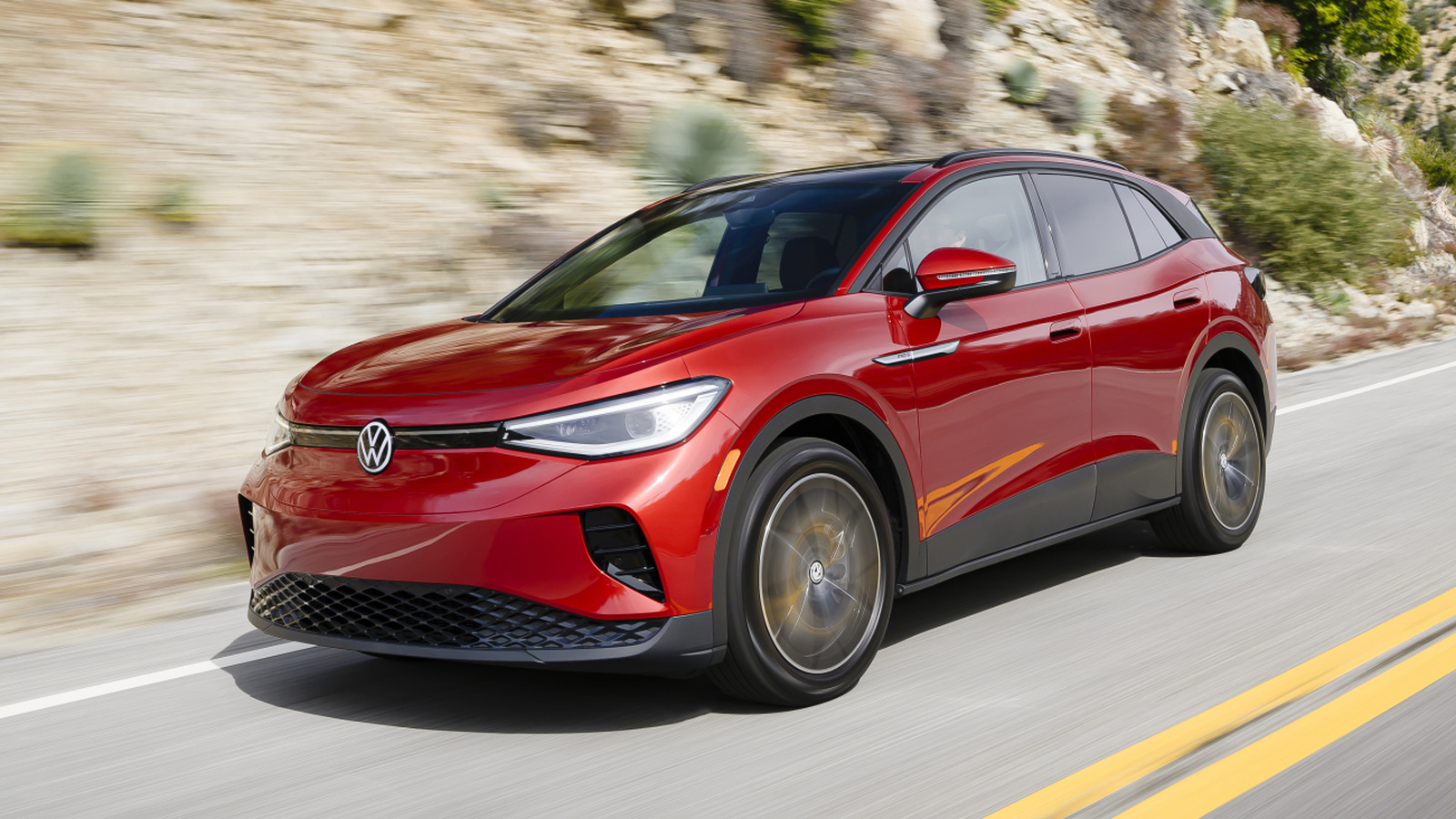
Top New Cars With the Biggest Discounts You Can Get Right Now
Revolutionary Drone Station Restores Wildfire Forests with Rapid Reseeding
Inside the Ultimate Hypercar Experience Personalizing the Aston Martin Valhalla
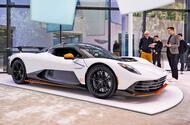
Valhalla on display nearby provides a valuable reference point for speccingOne of the thrills of buying a car like the Valhalla is that you can spec it just how you want
Speccing any car is a joyous thing, but the experience enters an altogether higher plane when it’s an Aston Martin hypercar.
Or so you’d think. But what’s the reality? How does that process pan out in practice for a buyer in the rarefied world of exclusive Aston Martins?
To find out, today I’m speccing a Valhalla – the 1000bhp mid-engined plug-in hybrid hypercar that will be launched later this year. Production is limited to 999 examples and personalisation is an integral part of the package.
You can go to your nearest dealer and spec away there, if you want. Or you can travel to Q New York, Japan’s House of Aoyama or, as I have, Aston’s Gaydon HQ to spend time with a dedicated design team to perfect your car.
“When clients join us at Gaydon, they’ll be met by one of our brand specialists, get a tour of the factory, see the production line, and then come in here and spec their car,” says Tom Barker, Aston product manager.
As I walk through to the Gaydon HQ’s courtyard, two mirror-clad speccing rooms sit glinting in the sun. Inside is a screen that cinephiles and gamers would die for: a 7.5m-by-2.5m 5K-resolution LED display, which takes up an entire wall.
Hidden out of sight is a computer with enough grunt to show the Valhalla’s every line, curve and reflection with near-realistic clarity. You can move the car around to see different angles, instantly change colours, materials and details, and even hop inside in milliseconds.
It’s an impressive production, but who’s it there to impress? “Around 50% of the specs we’ve done are conquest customers,” says Barker, who’ll guide me through the speccing process today. Ferrari and Lamborghini types are curious about Aston’s mid-engined V8 effort.
That’s not the only interesting stat. “In terms of male:female split, it’s still early days,” says Barker. “I think it’s probably about 90:10. We have a few more female customers out in the Asia-Pacific region.”
Valhalla buyers all have more than one car and most of them come from the US or Europe. The UK accounts for about 10% of sales.
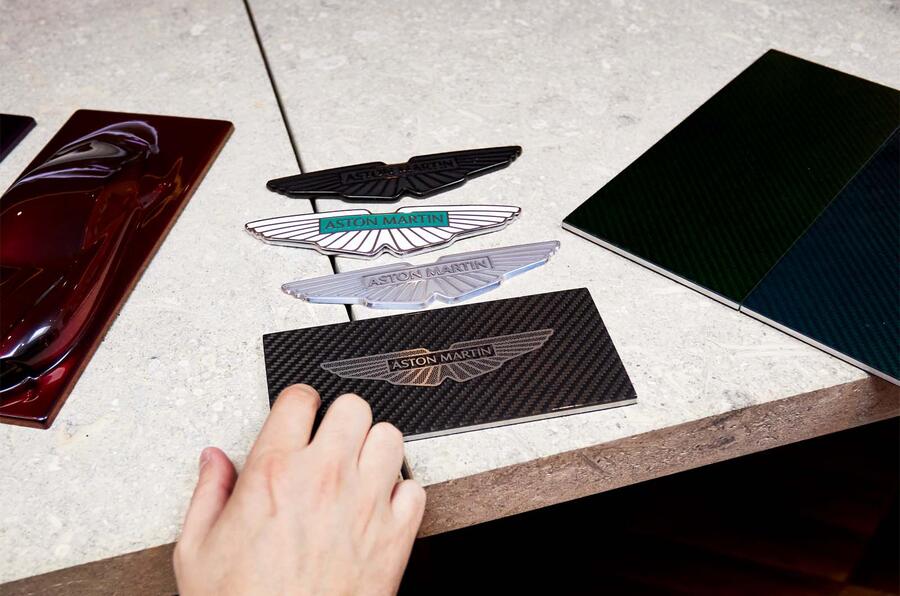
When you’re choosing your spec, the screen is cool, but if you want to see your colour in the real world, a huge bank of paint, leather, carbonfibre and fabric samples sits behind you.
A Storm Purple top layer for the bodywork looks mighty fine on the screen – and even better in hand under natural light.
Seeing the car almost life-size in front of you makes it clear how much of an impact colour can have on something like the Valhalla. Which leads to the question of ‘elaborate’ specs…
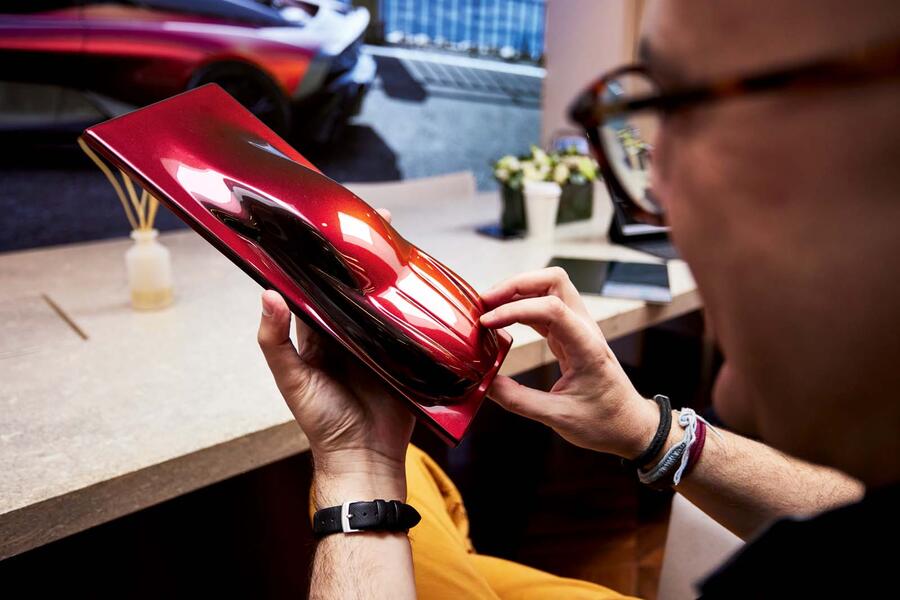
“We’re still Aston Martin,” says Vittorio Gabba, head of personalisation at the company’s ultra-bespoke Q by Aston Martin division, “and we want the car to represent the brand.”
Q has, according to Gabba, played a role in 80% of the Valhallas specced so far. Autocar’s purple beast could have a tinted purple carbon pack on it, custom decals, an off-book paint job or almost anything you can think of, which Q will do its utmost to make happen.
Q is there throughout the process and anything you request as a special order can be rendered separately and sent over for approval.
With the temptation for max luridity (green and purple to terrorise the people of Gotham sure was appealing) resisted, I keep things almost subtle with a black roof, Storm Purple upper and carbon down below.
A carbon grille, with subtle silver decals, and magnesium wheels hiding black brake calipers finish it off nicely.
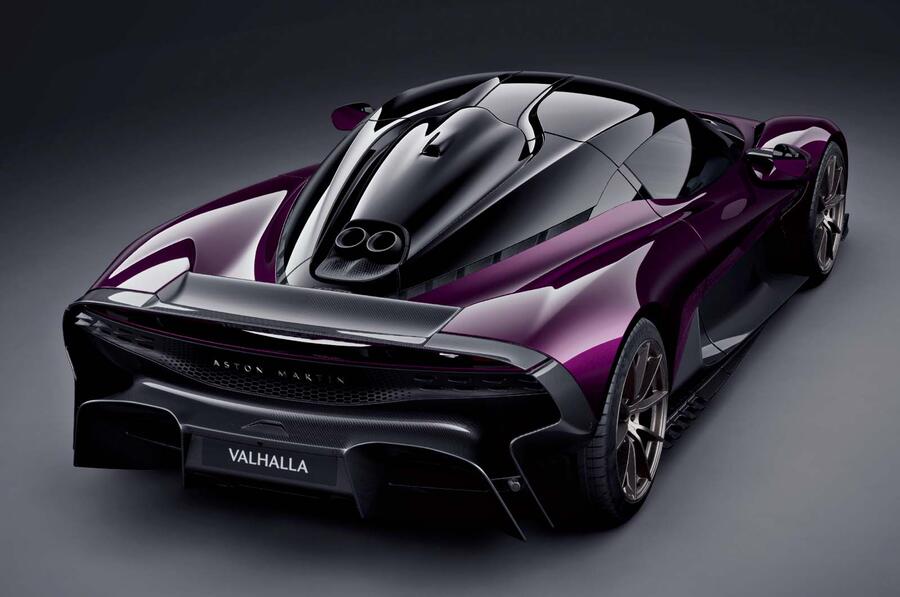
Inside, rather than opt for tan leather and go full Cadbury, I’m advised that a flatter, lighter colour would work best. Glacier white leather with subtle purple stitching fits the bill. In under an hour, it’s possible to go from start to finish. Some take less, and others longer.
Buttons pressed, renders… rendered. Sadly, that’s as far as my experience goes. Perhaps one of the 999 Valhalla owners will go for my choice of purple.
By Alex Goy
Choosing the Right Tire Tread: Symmetrical vs Asymmetrical vs Directional Explained
Subaru’s Bold Electric Future How a Legendary Brand Is Reinventing Performance Without Losing Its...
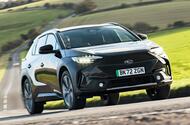
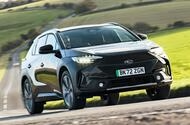
Solterra is rebadged version of the Toyota bZ4X and was Subaru's first electric carSubaru's European boss explains how the brand will develop, while staying true to its heritage
Word association time: what comes to mind when you think of Subaru? Easy: a blue and yellow Impreza flying sideways down a rally stage, somewhere around – or possibly just beyond – the limit.
Here’s something that doesn’t come to mind, though: electric vehicles. With the heavy cost of electrification and an influx of cut-price Chinese manufacturers, these are difficult times for even the largest car makers operating in Europe.
And for the smaller ones struggling for every sale they can get, it’s enough to make you wonder: why go to the trouble?
Subaru Europe boss David Dello Stritto understands why you might ask that. “You could think: ‘Okay, we’re selling around 30,000 cars a year in Europe and we’re doing around 700,000 in the US, so why bother?’” says the Scot. “That would be a fair question.”
Yes, Subaru is far more successful in markets where its utilitarian 4x4s are more in vogue and electrification is less of a hot topic – and its one-time great rallying rival, Mitsubishi, drastically scaled back its efforts in Europe years ago.
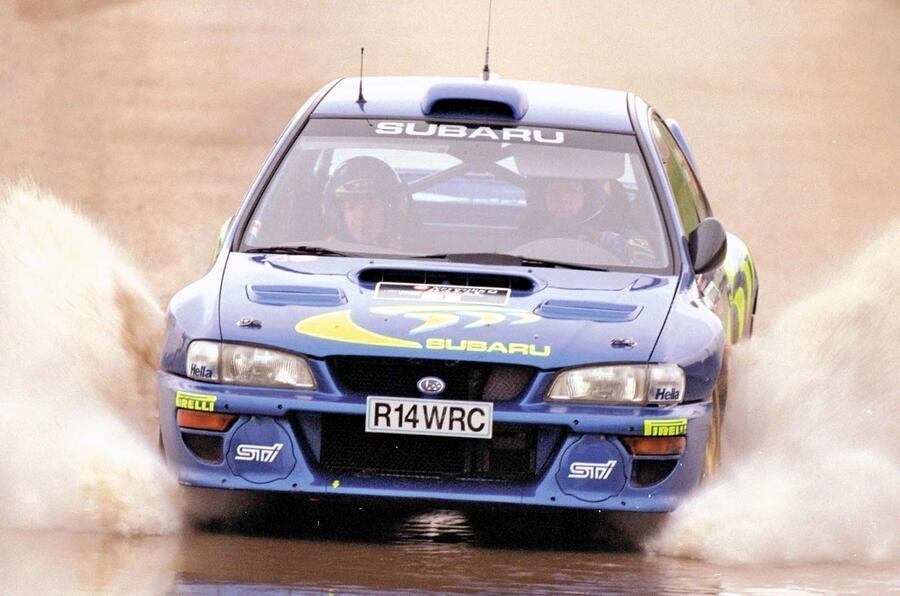
But with all the commitment of Colin McRae on the ragged edge, Dello Stritto says: “I’ll tell you what, Subaru Corporation has said repeatedly they have no intention of leaving Europe. They want to stay in Europe.”
He notes that Subaru couldn’t shift its European sales to the saturated American market – which already accounts for around 75% of the brand’s volume – and it’s struggling in China against domestic firms. But, most importantly, there’s pride at Subaru about being a global company.
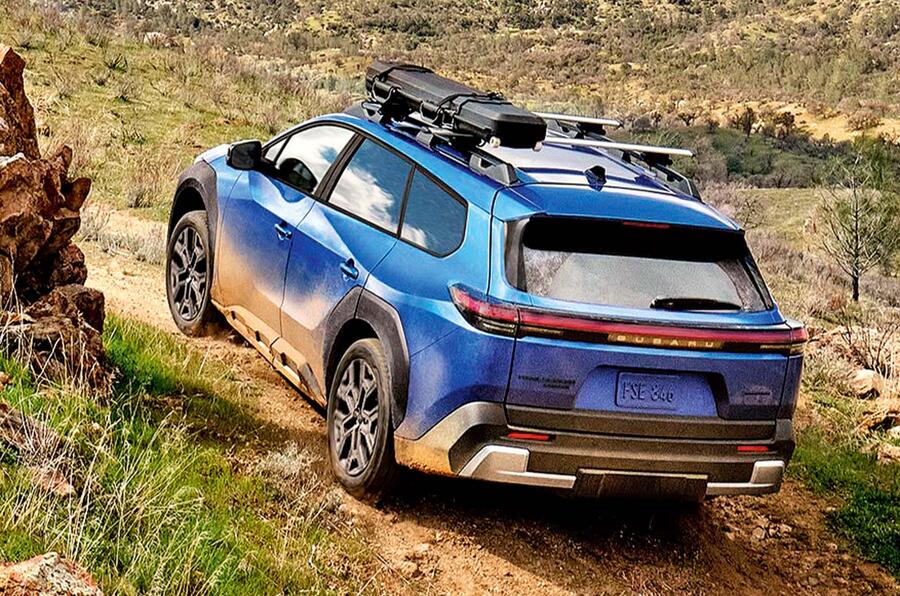
So Subaru wants and needs to be present in Europe – but that creates a challenge. While large manufacturers can now hedge their bets and spread their resources between developing electric and combustion lines, smaller ones such as Subaru can’t. It’s partly why its early EV efforts, the Solterra and forthcoming Trailseeker, have been co-developed with Toyota.
“We have no choice,” says Dello Stritto. “We have to migrate from what we have today to a full battery-electric vehicle line-up in Europe as soon as possible. This is the vision.”
Subaru’s goal is to boost global sales from 976,000 last year to around 1.2 million by 2030, with around half of those cars being electric.
Yes, fully electric: the firm has developed a full-hybrid powertrain (badged e-Boxer), but it isn’t looking at plug-in hybrid or range-extender EV technology. It can’t afford to.
Europe will be important to hitting those EV targets, but uneven growth in EV sales and recent changes to both UK and EU legislation have caused tremendous uncertainty.
Asked how he expects the European EV market to develop in the next year or so, Dello Stritto says: “That’s a tough one, and I haven’t got a crystal ball. But in the case of Subaru, we haven’t got that many options.
We haven’t got the options that, say, Toyota and Hyundai have got. We’ve got one mild-hybrid powertrain at the moment. Subaru is transitioning directly to EV, and the next step is to gradually increase the proportion of full EV we sell in each country.”
Dello Stritto is well aware that doing this will require changing some people’s mindsets. “We need to roll up our sleeves and find a way to transition [to EVs],” he says.
“I have to convince long-standing loyal Subaru buyers that it’s okay not to have a boxer engine any more, and WRX fans are saying ‘thanks but no thanks’. I’m not taking no for an answer. It will take time, but we’re seeing mentalities change a bit.”
It’s worth reflecting on the technologies and vehicles that have long underpinned Subaru’s line-up: longitudinally mounted engines of four horizontally opposed cylinders and permanent all-wheel drive. They led to a line of specific cars that served a specific purpose, helping secure Subaru a small but loyal following.
Of course, in the early 1990s, longitudinally mounted engines and all-wheel drive also proved ideal for top-tier rallying. The road-going Impreza WRX and its successors transformed the image of the brand.
For a period of time, just about the coolest performance car you could buy was a rally-honed Japanese saloon.
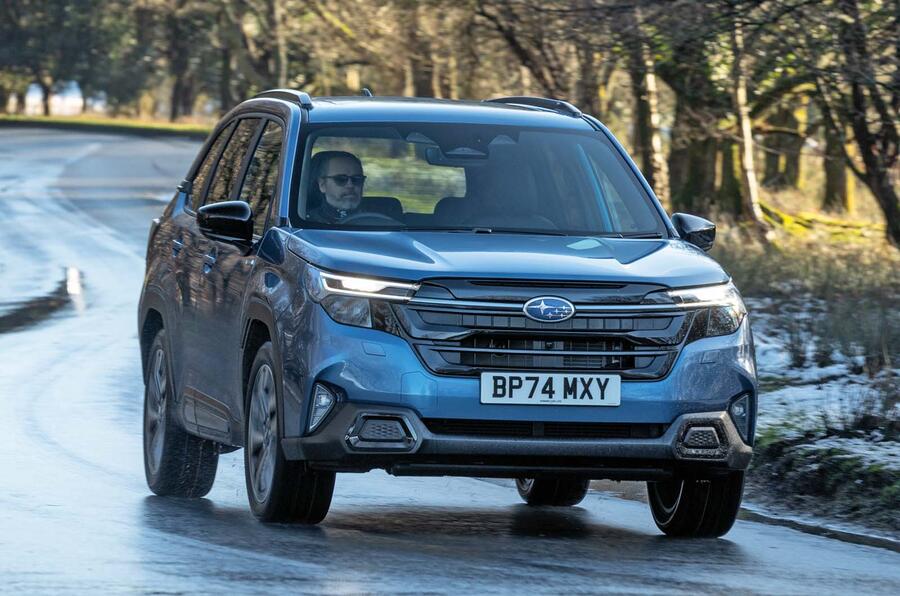
The trouble is that unless you’re really on the hunt for a cost-effective, solid, dependable go-anywhere, all-wheel-drive estate, you probably haven’t thought much about Subaru since those heady days of McRae, Burns and Solberg.
The WRX STI, the successor to those high- performance Impreza road cars, has long since vanished from UK showrooms, and the current line-up – the Crosstrek crossover, Outback estate, Forester SUV and Solterra electric SUV – is big on no-nonsense ruggedness but short on performance heritage and brand prestige.
It’s a range that has netted steady rather than spectacular results in UK showrooms but enough for Subaru to sustain itself with a niche audience. The brand sold 2419 cars in the UK last year – with the Solterra accounting for around a fifth of those – and hit the milestone of 250,000 cars sold since it first came to this country in 1976.
Buyers are loyal: many are on their fifth or sixth example and studies suggest Subaru buyers hold onto their cars far longer than average.
Still, those figures contrast to the US, where 667,725 sales made Subaru the eighth-biggest marque last year, ahead of Volkswagen.
While Subaru of America has invested in motorsport, it’s far less integral to the popular image of the brand as it is here – as the possibly apocryphal tale that many Americans thought Colin McRae was only a video game character suggests. But Dello Stritto doesn’t think the brand’s US success is purely a legacy issue.
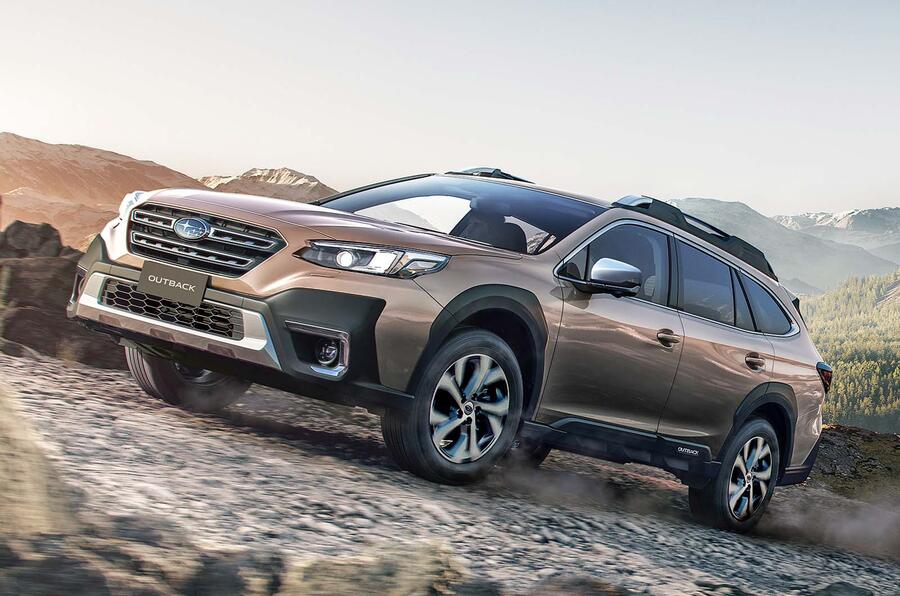
“Subaru hasn’t always been successful in the US,” he says. “They were struggling because their models were too expensive and they couldn’t control their dealer network, who were discounting cars because they couldn’t sell them.
"That doesn’t help the brand. They changed all that, adjusted their pricing and marketing strategy with a real outdoors focus. But it wasn’t just marketing: they were very good at identifying clusters of customers who wanted a car that looked a bit different and did what they needed.”
That’s partly why Subaru is particularly strong in rural states, where its all-wheel-drive tech is useful, and with more liberally minded people.
“They targeted very specific groups, but we don’t have those groups in Europe,” says Dello Stritto. “We had the petrolheads. The success of Subaru in the US is about volume, which we don’t have in Europe. But it depends on the country: in Switzerland, you will find lots of Subarus in the mountains. But in the UK, it’s a struggle for awareness.
“There are people who know Subaru but associate it as a sporty brand, and the models we can give them aren’t as sporty as they used to be. But what we do have – and we’re so lucky – is a very loyal group of customers who will keep on buying our cars for their safety and capability.”
In theory, electrification and the wholesale technology change – farewell, boxer engine – offers an opportunity for Subaru to reset its values. But instead the plan is to use EV technology to double down on them.
The brand’s first EV, the Solterra, was essentially a rebadged bZ4X built by Toyota as part of a wider partnership. But, notably, Subaru offers its version only with a dual-motor, all-wheel-drive powertrain.
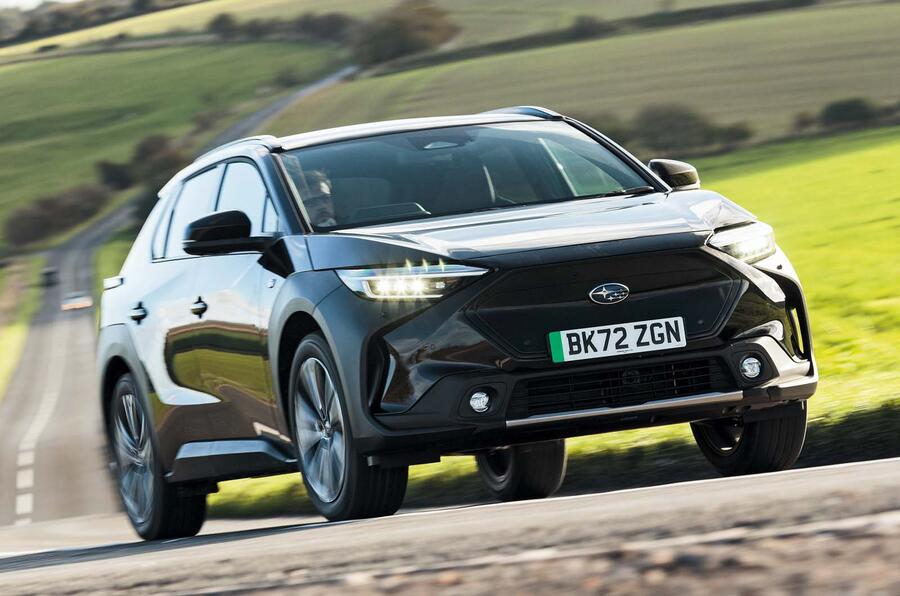
The newly launched Trailseeker sits on the same Toyota-developed platform but features more Subaru parts and technology and will be built by Subaru itself.
Unlike the Solterra, it features identically sized electric motors on each axle – an arrangement developed by Subaru to offer better all-wheel-drive capability.
Subaru has several more EVs in the works too, some developed in partnership with Toyota and some developed entirely in-house. While the US remains the early focus, Dello Stritto says that Europe’s wants are being taken into account in future planning.
Intriguingly, electrification also offers Subaru a way to reconnect with its performance heritage. The brand currently sponsors the World Superbike Championship, with a Solterra being used as the course car. ]
Dello Stritto admits that many bike racing fans “hate electric” but claims they’re being won over slowly. And he is also adamant that Subaru will embrace performance again in the future, potentially with a return of the STI badge for sporty versions of its current models.
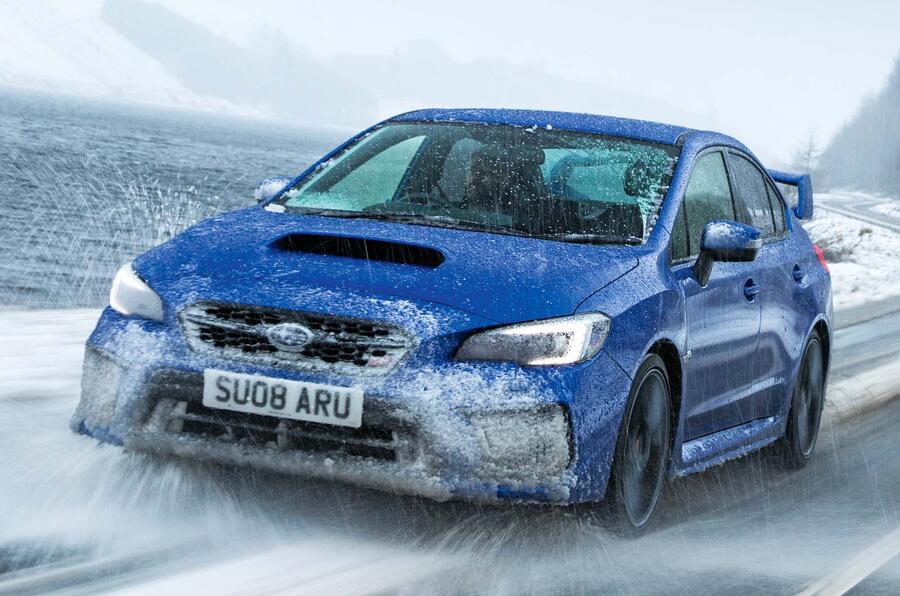
“With an EV, you’ve got the power and performance and you’ve got an all-wheel drive system,” says Dello Stritto.
“We’re working on more sporty models, and electrification allows us to do this. Let’s face it: it’s nice to have that prospect of a future WRX STI – super-fast, gold wheels, blue colour. This is what we want, at the end of the day.”
Electrification is challenging the whole automotive industry, but for smaller car makers that don’t have the luxury of hedging their bets, it’s particularly acute.
To thrive in the future, Subaru will have to reinvent everything it’s known for while still embracing the core values it has long stood for.

Semi-Synthetic vs Full Synthetic Oil Explained: Key Differences Every Driver Should Know

What Is Top Tier Gasoline and How It Protects Your Engine

Why Farmers Are Filling Tractor Tires With Beet Juice

Uncovering the Meaning Behind the G-Wagon Name
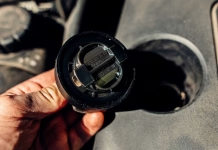
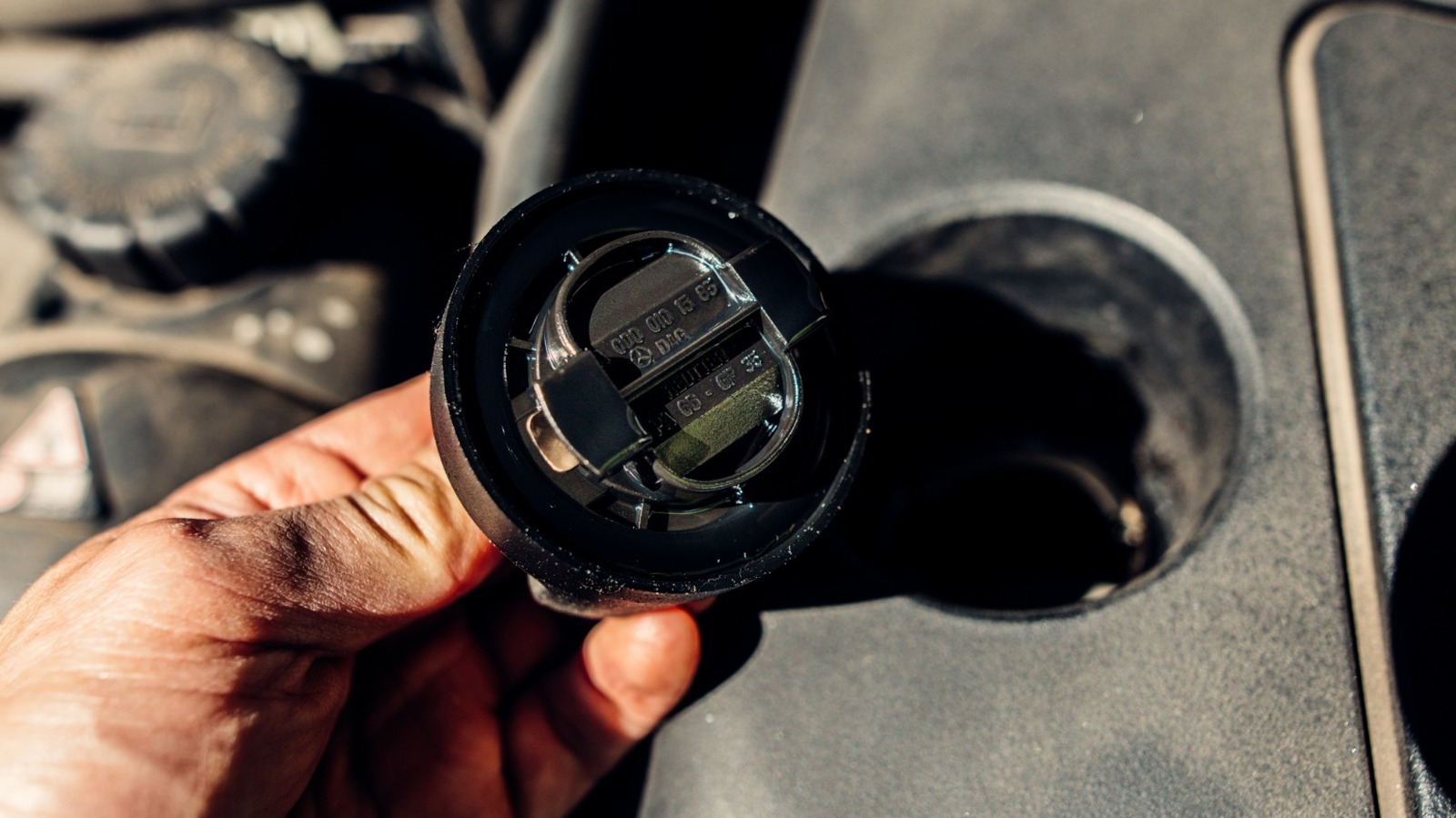
What White Sludge Under Your Oil Cap Really Means for Your Engine