
Honda’s Hybrid Revolution: 13 New Models Set to Transform the Road Ahead

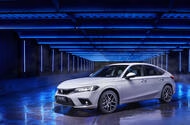
An updated Civic hatchback could use Honda's new super-efficient hybrid systemJapanese brand to launch 13 new hybrid models by 2030 to bridge the gap to electric cars
Honda will launch a wave of new hybrid models powered by what it calls “the world’s most efficient” combustion powertrain in response to lagging EV sales.
At least 13 new Hondas will arrive between 2027 and 2030 in a revised range of hybrids that could kick off with replacements for today’s Civic and Jazz.
The new electrified combustion cars will help the company to navigate the “transition period” until electric cars are suitable for mass-adoption. The move is a response to the speed of changeover to EVs, which has so far been slower than Honda expected.
Announcing the strategic rethink recently, Honda CEO Toshihiro Mibe noted that “demand for hybrid-electric vehicles is growing”, while “the expansion of the EV market has fallen behind the initial projection”.
Mibe suggested the relaxation of CO2 emissions and EV sales targets in the US were to blame for the slower than expected growth of EVs, because these were “the main premise for the widespread adoption of EVs”.
Honda has not said which cars will be first to receive the new powertrain but has confirmed that it will come in 1.5- and 2.0-litre forms. That matches the capacities of the engines in the current Jazz and Civic, which are both due substantial updates in the coming years.
The 1.5-litre version will provide peak torque over a rev range that’s 40% broader than currently to maximise efficiency without compromising grunt. Both variants will deliver the best thermal performance of any combustion engine on the market, claims Honda. Meanwhile, the hybrid system’s electric motor is being slimmed down to reduce weight and improve packaging.
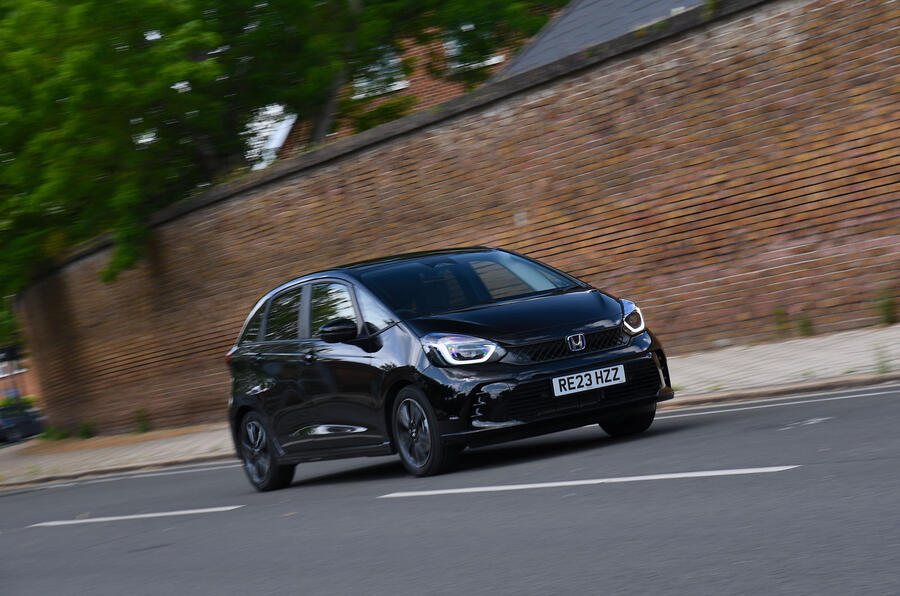
Combined, the new developments will yield a 10% improvement in fuel economy. For reference, the current 1.5-litre Jazz returns 62.8mpg while the 2.0-litre Civic manages 56.5mpg.
The arrival of the two powertrains will coincide with a new platform that promises improvements in driver engagement, comfort and safety. For medium-sized cars, it will be 90kg lighter than the current structure and the bodies applied to the frame will bring a further 10% saving in mass.
Cost-cutting is also a key directive in the development of Honda’s upcoming cars. Models based on the new platform will share at least 60% of their parts, such as the engine bay and rear floor. The new hybrid powertrains, meanwhile, will be 30% cheaper to produce than those launched in 2023.
Despite cutting its planned investment into EVs by £15.4 billion (to £51bn in total) and losing £3bn on them last year, Honda remains committed to EV development. “We would like to see the battery EV business as a pillar of our business from 2030 onward,” CEO Toshihiro Mibe told investors.
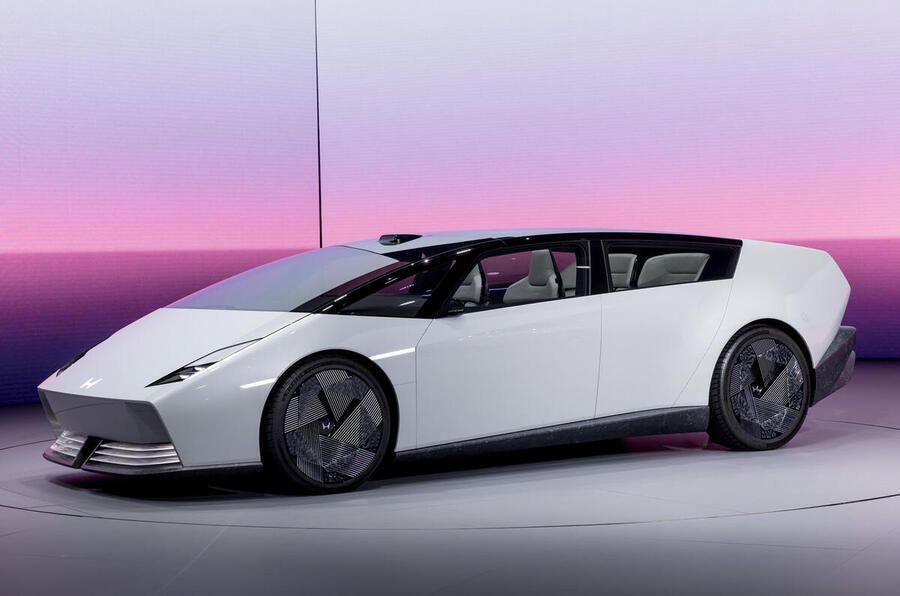
The 0 Series of electric cars due to be launched in the US next year represents an effective reset of the company’s approach to the market, after it suffered setbacks with the E hatchback and e:Ny1 crossover. Honda will start by launching a boxy SUV and a futuristic saloon, followed by a seven-seater, small- and medium-sized crossovers and a saloon to rival the Tesla Model 3.
This range signals the future of the brand. They will usher in a radical design language that will not be shared with the hybrids, though the new Honda emblem that was due to be exclusive to the 0 Series will now be rolled out across the line-up.
Toshinobu Minami, head of Honda’s design centre, told Autocar: “Hybrid and combustion models are going to be different in terms of design but dynamic and simple will be key words for all models in future.”
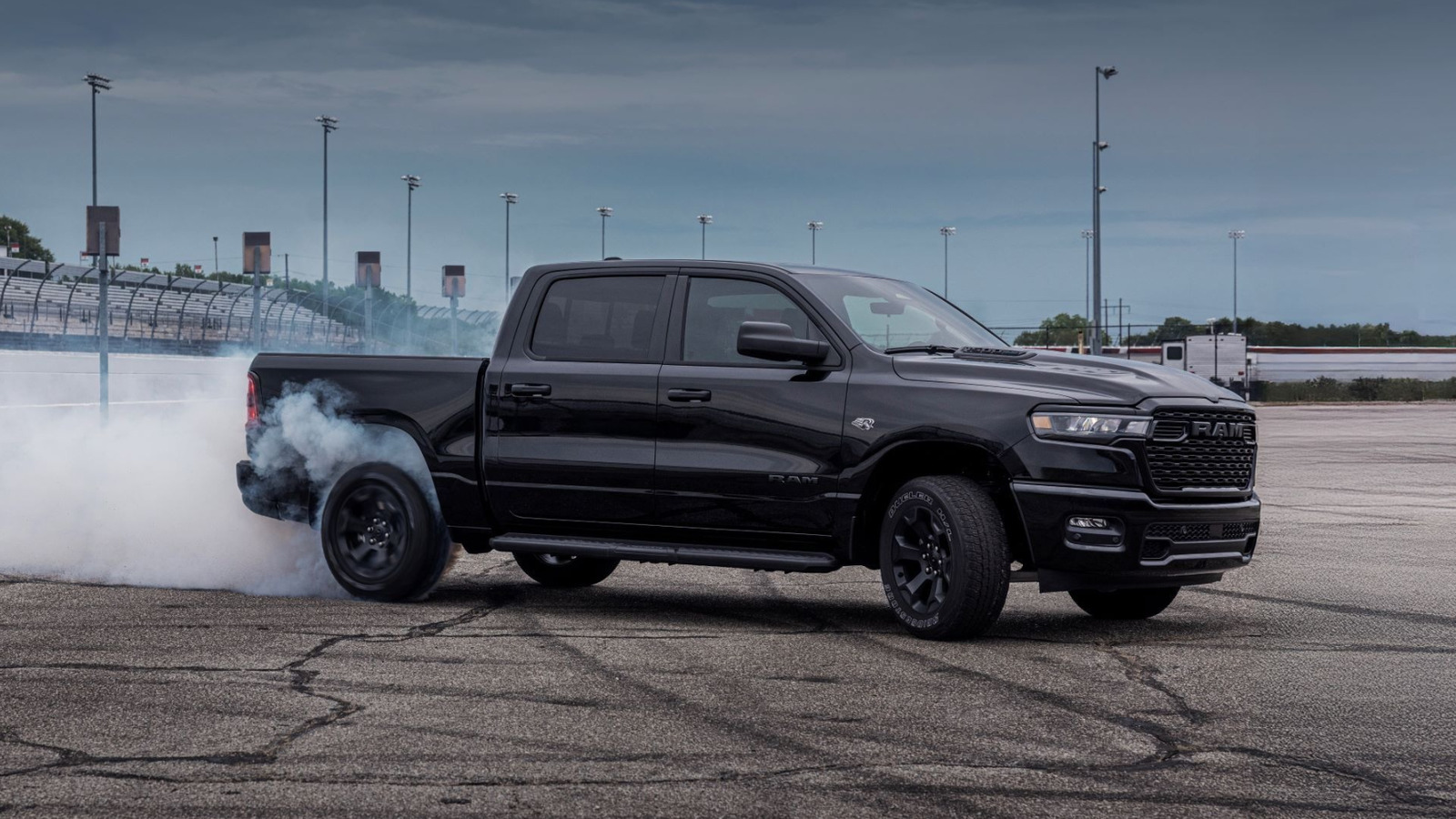
Hemi V8 Returns to Ram 1500: A Victory for Loyal Fans
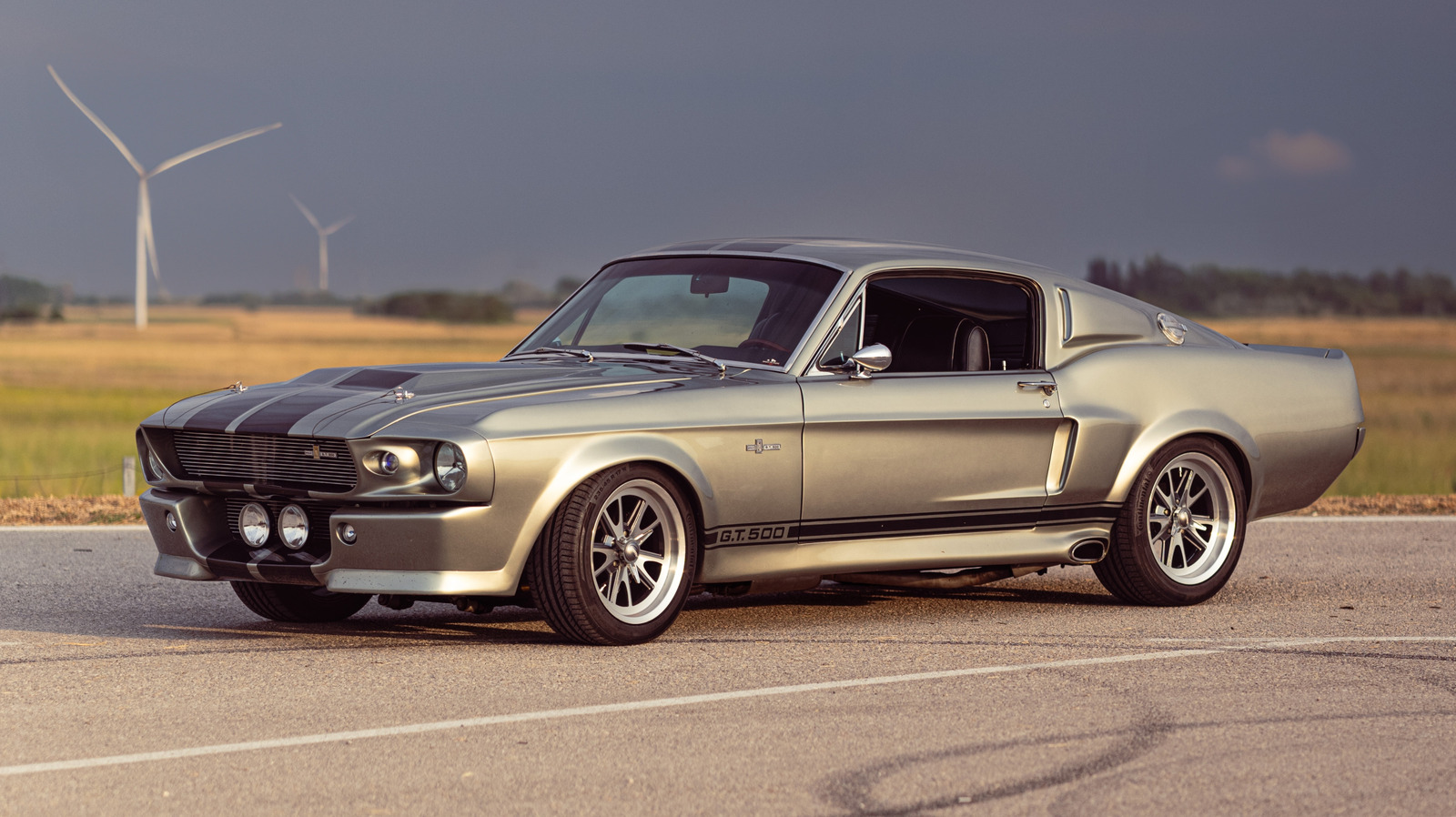
Build Your Own Eleanor? A Cautionary Tale Against Replicas
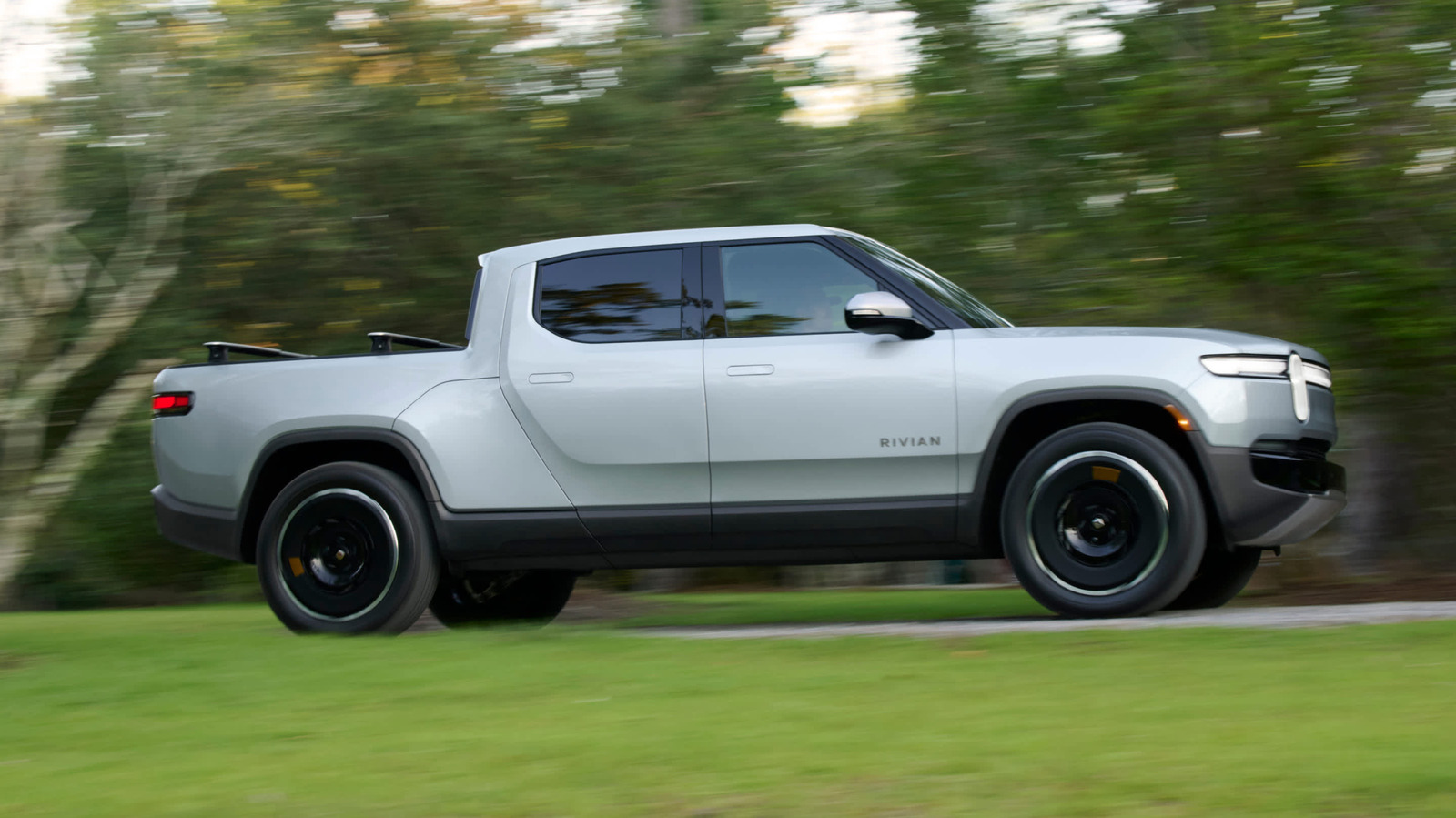
Rivian’s Revenue Challenge: Avoiding Debt and Strategic Sales
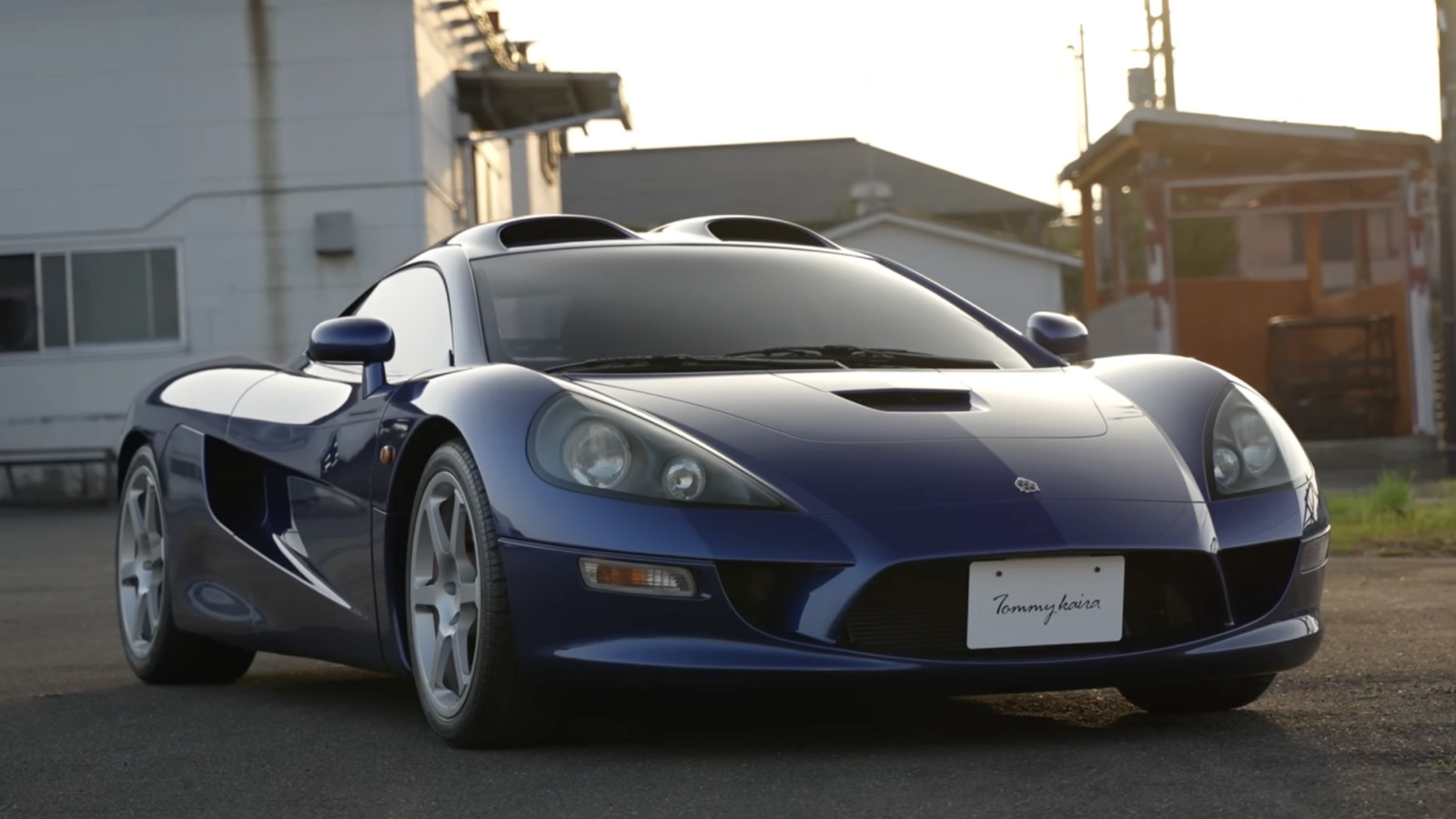
Unleashing the ZZ: A Supercar Built for Le Mans Glory
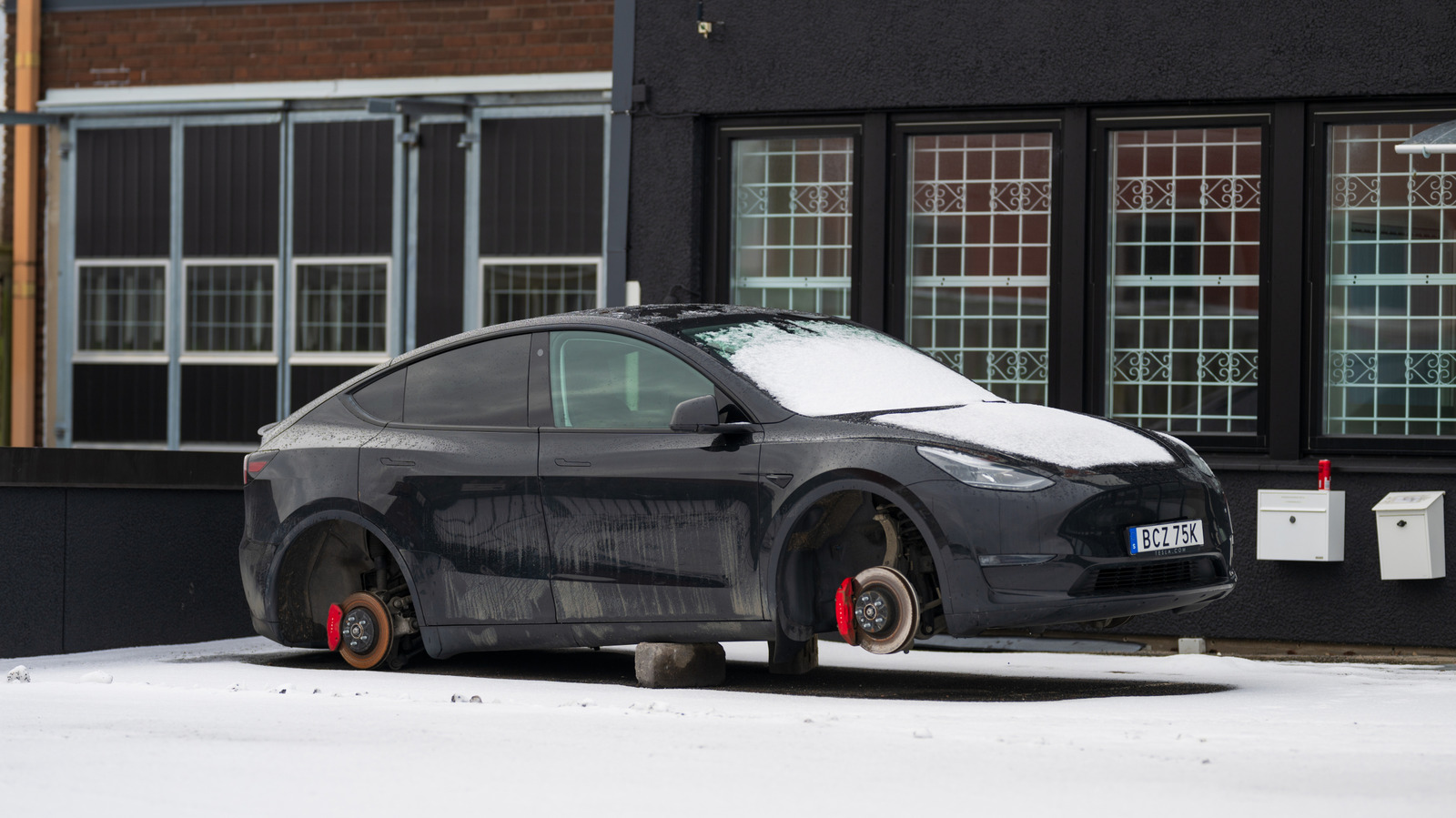
Why Thieves Are Steering Clear of Tesla Cars

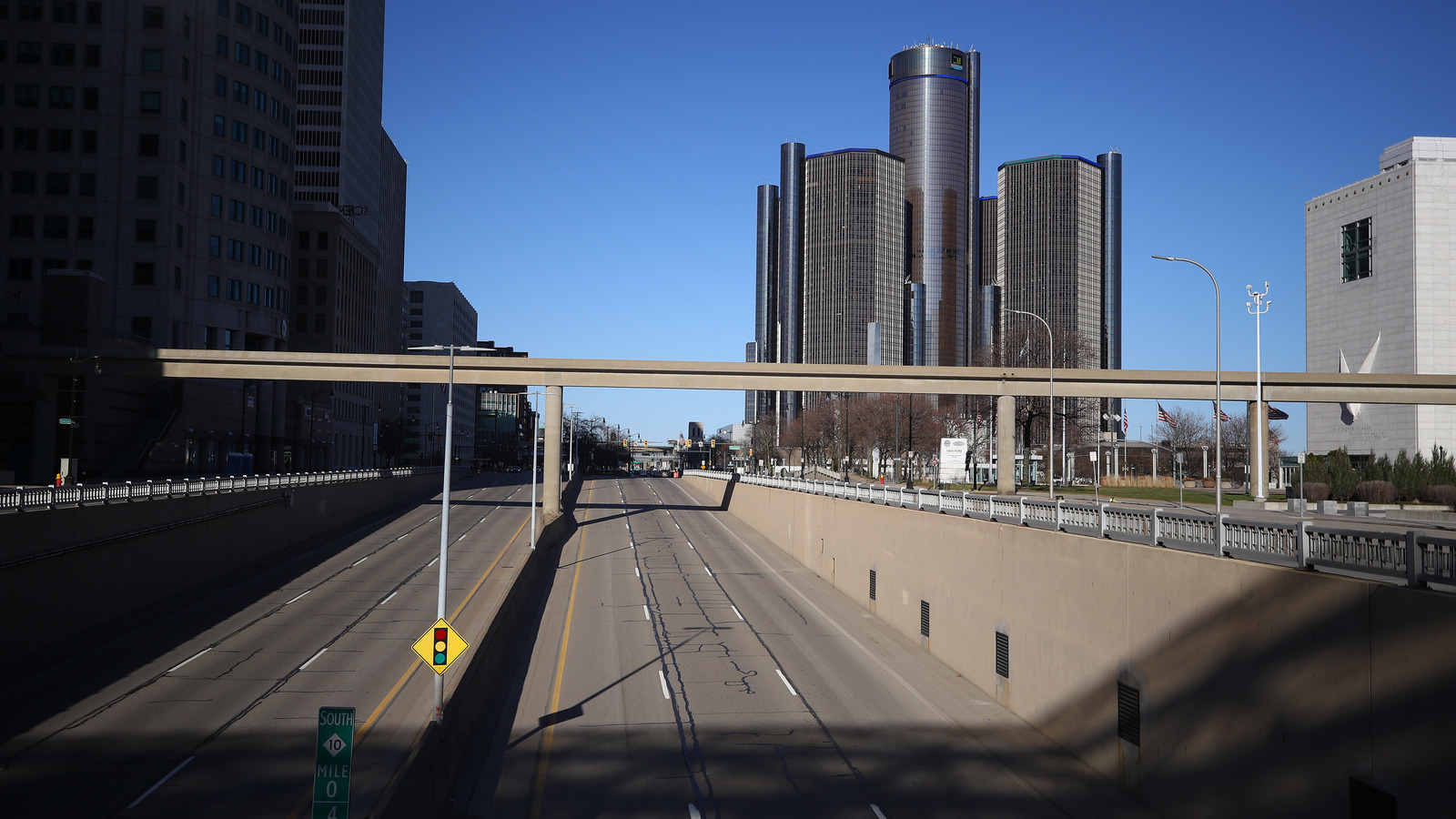
Detroit’s Aging M-10 Freeway: A Speed Trap in a Fast Lane
Lotus Emeya: Reviving the Fast Saloon in a World of SUVs
 Spiritual successor to the iconic Carlton, or just another hugely powerful electric wannabe? The Lotus Emeya is the fourth stage in the masterplan to transform the new, revitalised Lotus from beloved but niche sports car maker to global luxury car manufacturer.The Lotus Emira sports car and Evija hypercar lend the brand credibility, reassuring everyone that the old Lotus hasn’t left the building. The Eletre is to be the relative volume seller because, globally, big SUVs are what luxury car buyers want.Exactly what the Emeya brings to the table is more of a head-scratcher. It appears that for all its bold reinvention plans, Lotus is still governed by a certain European car orthodoxy that dictates a sporting brand must have a super-saloon, even though that particular genre has become far less popular than it once was. For instance, Porsche sells only a fraction as many Panameras as it does Cayennes.The Emeya, of course, is an EV, as most new Lotuses will be, which puts this saloon toe to toe with the Porsche Taycan. The Taycan itself is not quite flying out of showrooms the way Porsche might like it to and is already being markedly outsold by the Macan Electric.It’s unlikely, then, that the Emeya will pull in the big volumes. Instead, it needs to prove to the world – and buyers unconvinced by SUVs – that Lotus can still make a serious fast saloon, regardless of whether it’s powered by petrol or electricity, or made in Hethel or Wuhan.
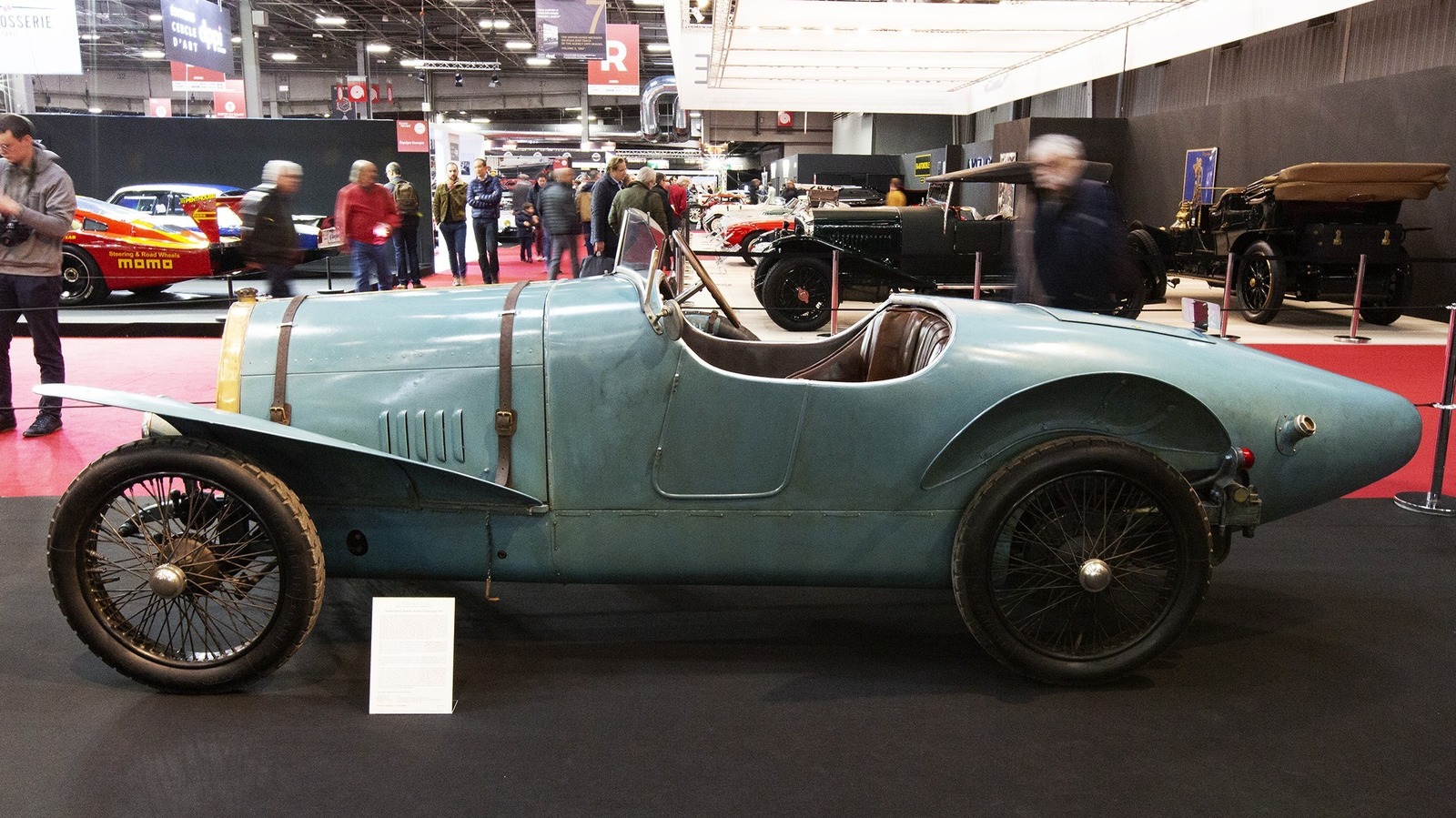
Rétromobile: The Iconic Vintage Car Event Makes Its NYC Debut

Discover the Top 10 Must-Have SUVs for 2025: Comfort, Style, and Versatility Await
 The modern SUV now spans the whole car market and blends a varied mix of qualities. These are our favourites
For the past quarter-century, the sports utility vehicle (SUV) has experienced such remarkable growth that it has fundamentally reshaped automotive design.
While SUVs do have their drawbacks, top models deliver exceptional comfort, practicality, generous space, versatility, and a distinctively robust aesthetic.
The market segments have mushroomed in popularity and continue to grow. Now you will find small SUVs, family SUVs, sports SUVs, luxury SUVs, hybrid SUVs and electric SUVs, and even that isn't an exhaustive list.
But which are the best of the best? This article covers SUVs of all walks of life, making it our most broad SUV top 10. While narrowing the field down to 10 cars is tough, we've done just that.
Our pick for the top spot is the Range Rover Sport, which delivers performance, practicality and driver appeal. Other options include the excellent-value Dacia Duster, the generally brilliant Porsche Macan and the family-friendly Skoda Kodiaq.
You can read our full list of the top 10 best SUVs on sale below.