

Toyota’s Role in Nissan’s Revival: A New Hope for the Auto Giant

Reviving Internal Combustion: How Horse Powertrain Aims to Innovate Beyond Electric Vehicles
 Downsizing and thermal efficiency are key to the engine builder's mission as growth in EV uptake slows
The rush to electric cars has generally coincided with a slowing down if not a complete pause in looking for breakthroughs in internal combustion engine development. Car makers’ pockets typically do not run deep enough to invest so heavily in parallel technologies.
Yet with EVs set to make up only half of all global sales by 2040, what about the other half? In the context of reducing emissions, Horse Powertrain CEO Matias Giannini asks: “Do we accept that 50% of cars being electric is enough?”
Surely, reducing emissions of all kinds every step of the way and at every opportunity is logical – and that’s where Horse comes in: “to continue to improve the other 50%”.
Not even a year old, Horse was spun out of the engine divisions of Geely (including Volvo) and the Renault Group. It is a start-up with a difference: it is a profitable business that’s not looking for extra investment and it has already banked some rather large customers.
Giannini wants to help all car makers with engine design, development and manufacture. That includes everything from more traditional powertrains to compact hybrids that fit in the space of an electric motor in what were thought to be battery-electric-only architectures. Petrol-powered Renault 5, anyone?
Any public opinion issues aside, the industry is stuck on engine development, says Giannini, because profits were ploughed into developing EVs that aren’t selling. The hybrid conversion for EVs in particular excites him and “is the only way OEMs are going to make money” on natively BEV models that have limited global appeal.
Brazilian-born Giannini is a mechanical engineer by trade and a self-confessed car guy. In a near-30- year varied career, he has worked on everything from brakes, suspension, chassis and powertrains across all different disciplines. In his most recent role, he did something similar to Horse at Continental, breaking out its engine operation as a stand-alone entity.
All of these experiences have resulted in what he calls this “mission” being “so appealing”. He says there is “definitely” more to come from ICE, including developments in precombustion, alternative fuels, material use, turbochargers, emissions and exhausts.
Thermal efficiency is another key area and in China in particular “there is a race for thermal efficiency”. He says: “Everybody is talking about it. Can we get to 43%, 45%, 46%? Who is going to have the best? Who knows how far we can get: 48%? Powertrain engineers say 50% is physically impossible, but I think there’s room to improve in that direction.”
It’s easier to list who Horse isn’t speaking to, says Giannini, in partnering car makers that see the value in what he is offering amid “incredible” early progress. Don’t write off ICE just yet.
Toyota RAV4 Surpasses Ford Trucks as America’s Top-Selling Vehicle
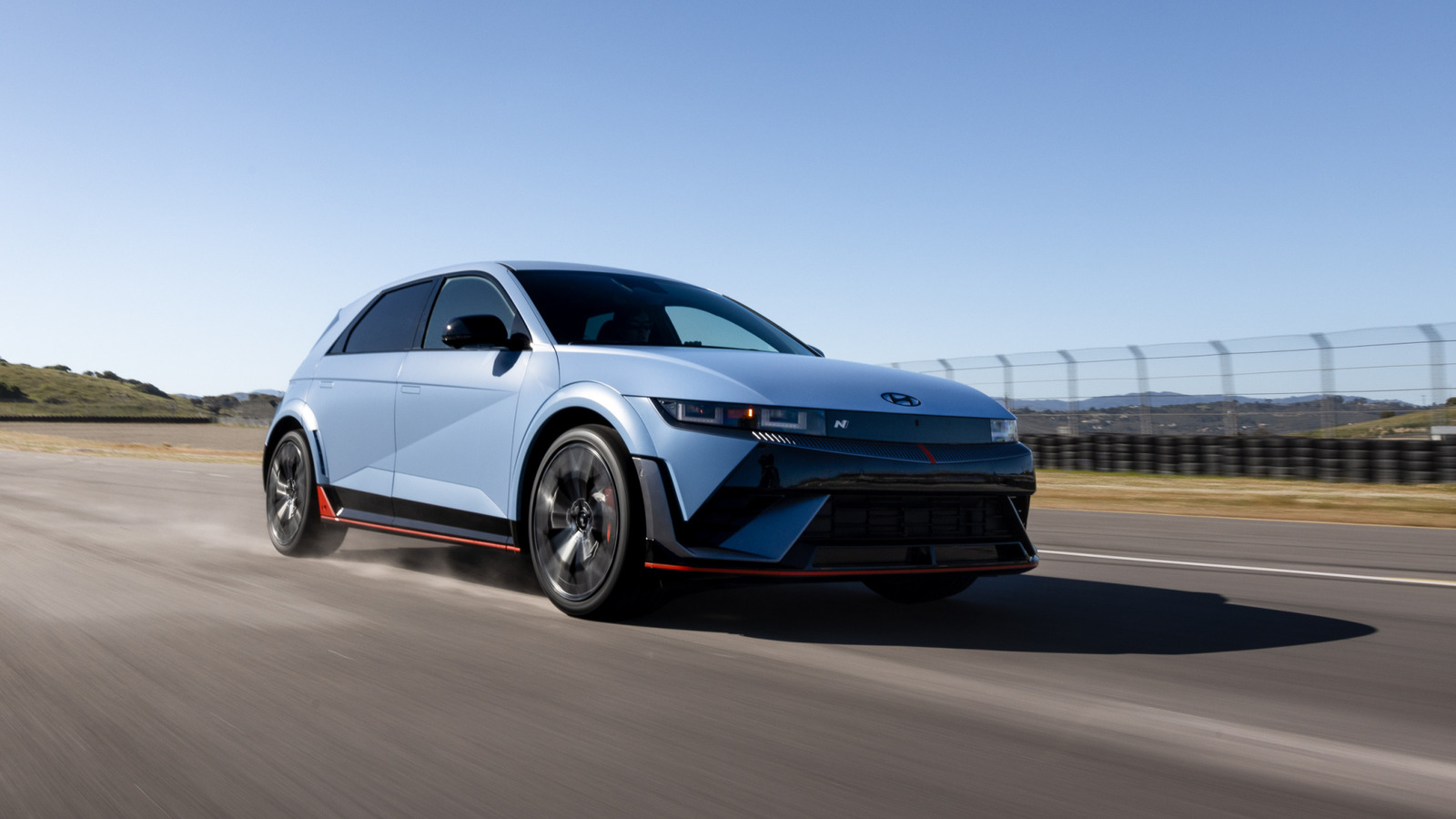
Hyundai Slashes Lease Price on 2025 Ioniq 5 N: Drive the Future for Less
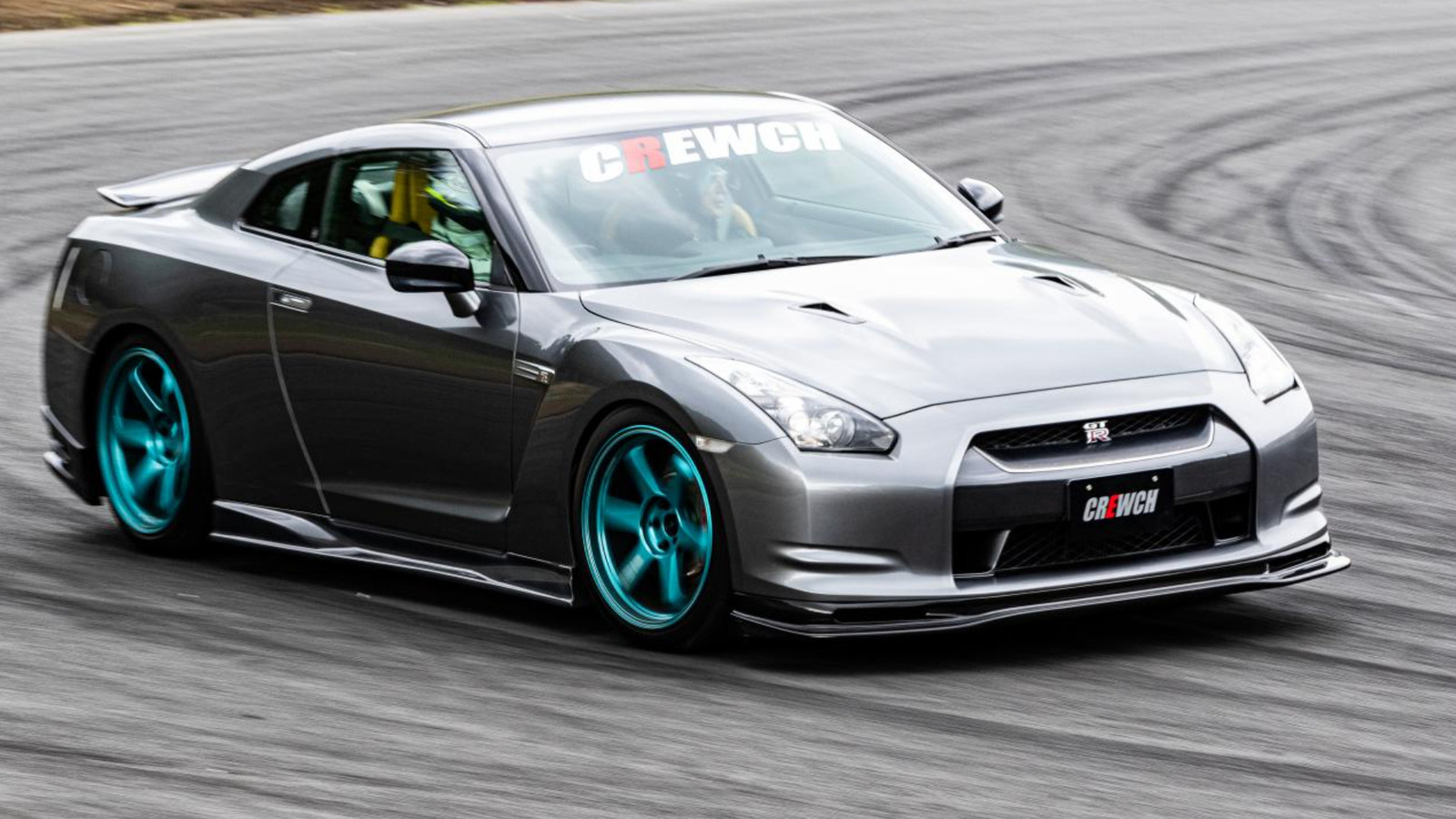
Reviving the R35: A Tuner’s Manual Shift Solution for All-Wheel Drive Enthusiasts
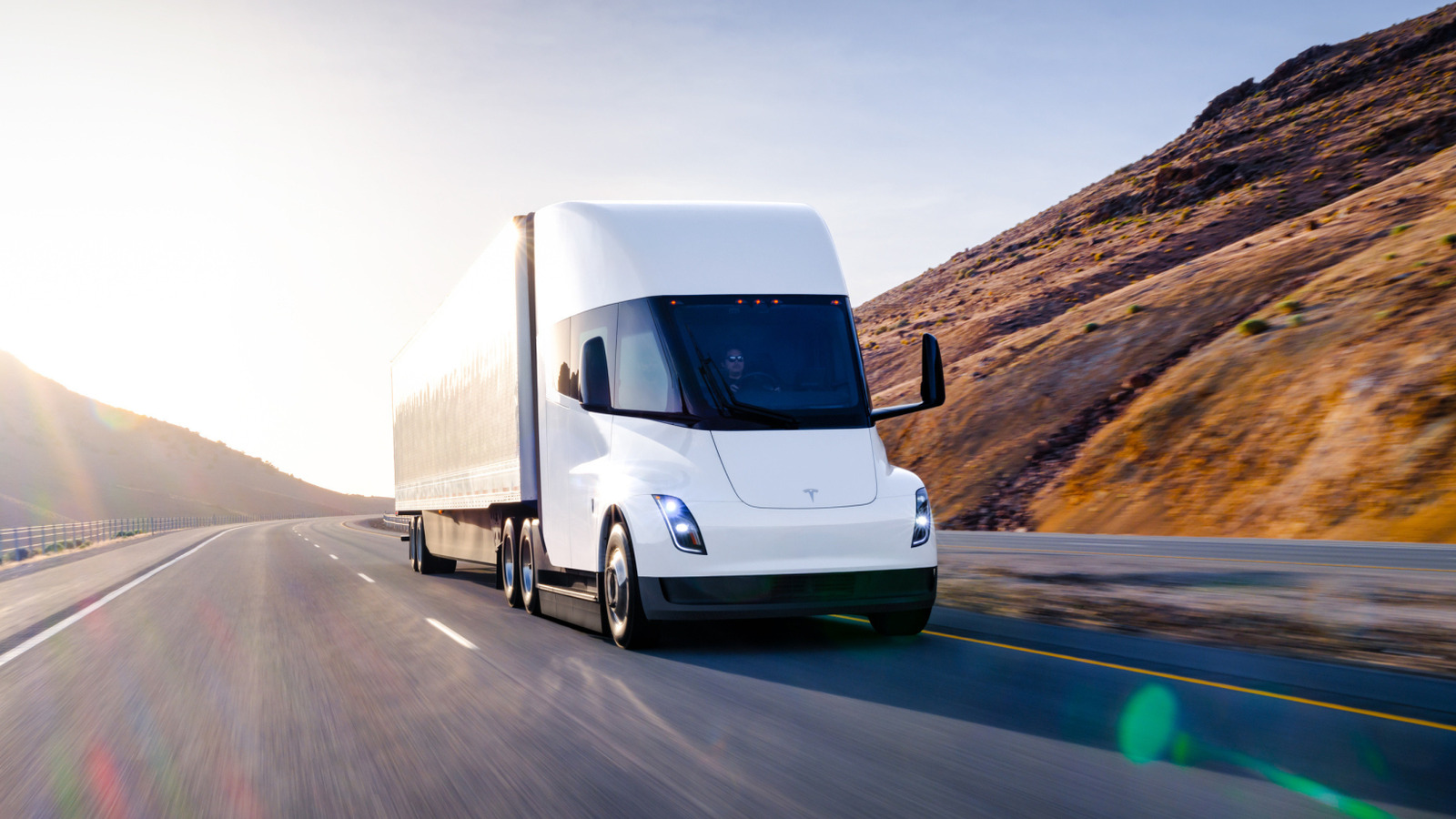
The Unfulfilled Promise of Tesla’s Semi: Delays and Challenges Ahead
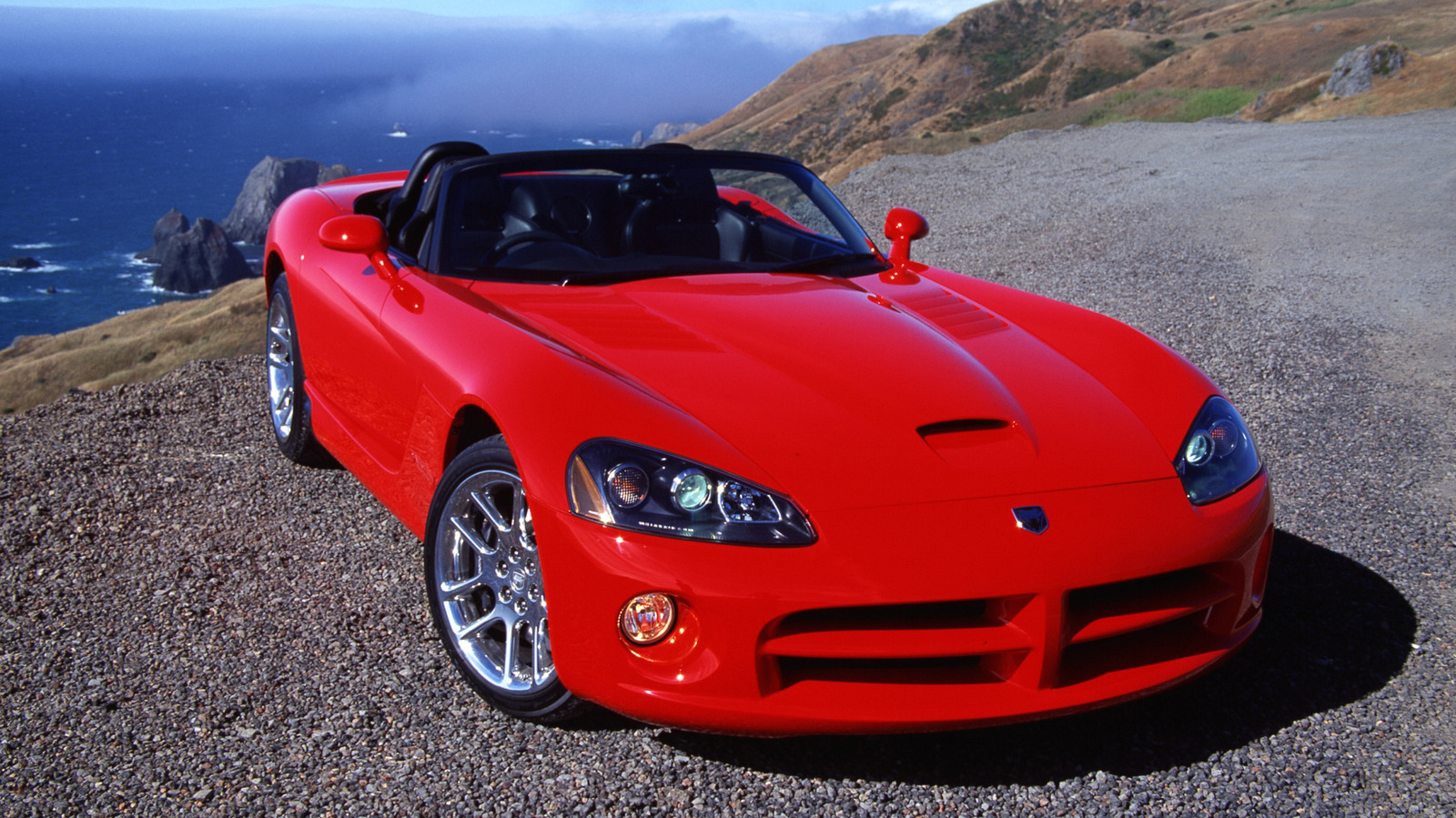
The Viper: A Brutal Beast That Defies Driving Norms

To Warm Up or Not: The Truth About Engine Start-Up in Winter


The Future of AWACS: Understanding the Transition of a Defense Icon

Mercedes-AMG Unleashes 1000bhp Electric Super-SUV to Rival Luxury Giants
 High-riding electric GT will use advanced tech to take on Lotus Eletre and Porsche Cayenne EVs
Mercedes-AMG is ramping up testing of its answer to the Lotus Eletre and Porsche Cayenne Electric as it primes its saloon counterpart for a debut in the coming weeks.
Currently known as the electric GT SUV (a name that could be carried into production), the super-SUV is set to reach UK forecourts in 2027. It's the first SUV that AMG has developed independently of Mercedes-Benz.
The EV will sit on the AMG.EA platform, which will be used first for the four-door production version of the Vision AMG saloon concept in 2026.
The platform will feature 800V electricals and advanced axial-flux electric motors in both twin- and tri-motor powertrains, with outputs well over 1000bhp expected to be offered.
Developed by Yasa, the Oxfordshire-based firm owned by Mercedes-Benz, these motors each develop up to 480bhp and 590lb ft of torque and are seen by AMG as a key performance differentiator for its new SUV.
Among the performance benchmarks for the GT SUV is the 906bhp Lotus Eletre R.
The GT SUV will be heavily focused on road-going performance, but insiders have told Autocar it will offer variable ride height control to improve ground clearance in off-road use.
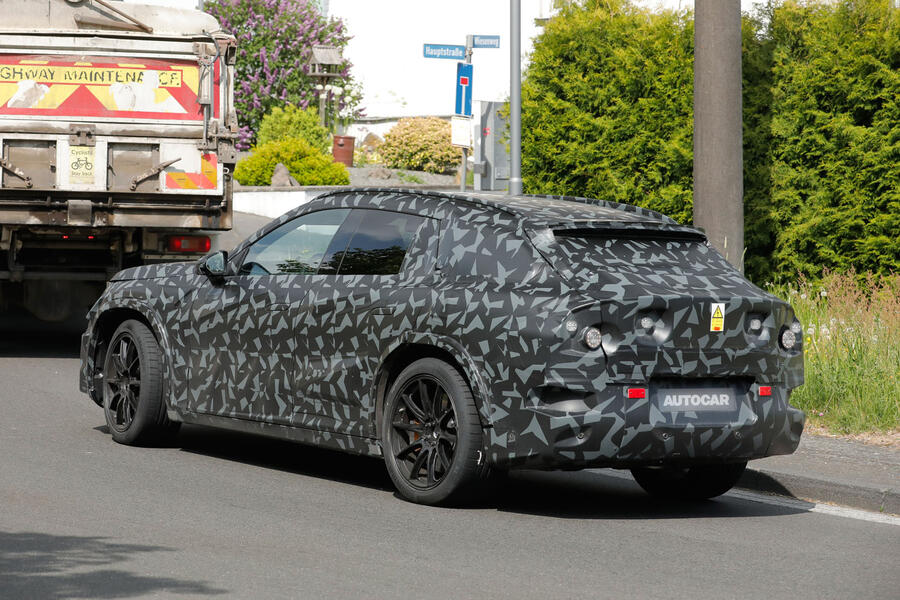
As for its styling, prototypes have revealed that its bold-looking design will incorporate elements that provide clear visual connections with its saloon sibling.
The front end is also set to feature a new interpretation of AMG’s Panamericana grille, together with distinctive headlights that include the three-pointed star graphics.
Flared wheel arches and wide rear haunches dominate the flanks, while retractable door handles – as seen on the EQE SUV and EQS SUV – increase aerodynamic efficiency.
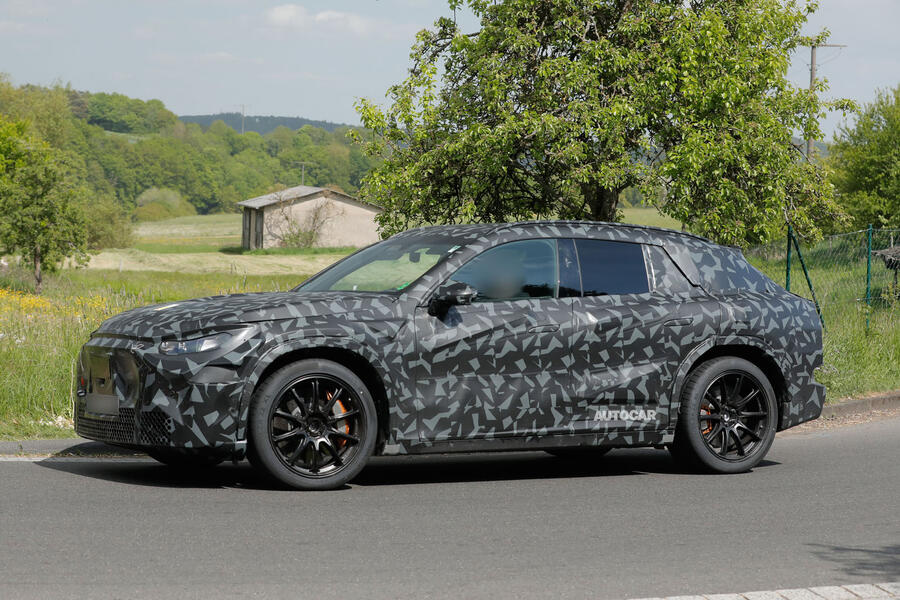
Although AMG’s existing combustion-engined GLE-based models come in both SUV and SUV-coupé bodystyles, the new electric model will be offered solely in SUV form, with a “relatively upright tailgate and angled rear window” providing “the best balance between form and load-carrying space”, insiders have told Autocar.
Dimensionally, the GT SUV sits between the 4863mm-long EQE SUV and 5125mm-long EQS SUV.
Inside, it adopts a unique design for the dashboard and displays, together with new AMG.OS software.
“SUVs have been among our most popular models for many years,” AMG CEO Michael Schiebe previously told Autocar. “We are responding to this by offering customers a high-performance off-roader based on the AMG.EA platform. Our new high-performance architecture follows a clear philosophy: AMG first, EV second.”
AMG is remaining tight-lipped about the battery technology. However, Autocar has been told it will introduce a different chemistry combination to offer greater efficiency and a longer range than the existing nickel-manganese-cobalt battery used by existing electric AMG models.
Extensive development is also being done on heat management, especially around liquid cooling, to support much faster charging rates.
For reference, today’s EQE 53 4Matic+ uses a 90.6kWh (usable) pack that has a claimed maximum range of 321 miles and can support a charging speed of 170kW – good for a top up of 112 miles of range in just 15 minutes.
Additional new software developments and inverter technology developed in partnership with Mercedes’ High Performance Powertrain division in Brixworth are also on the way, Autocar has been told.
The new AMG SUV is underpinned by double-wishbone and multi-link suspension featuring the company’s newly introduced Active Ride Control system – a set-up also being readied for its new electric saloon.
Already incorporated on the current SL, GT and the latest evolution of the 45-year-old G-Class, Active Ride Control features hydraulic pumps for each wheel to help reduce body roll while providing constant self-levelling properties.
Without traditional roll bars connecting the two opposing wheels front and rear, it can also isolate the compression and rebound characteristics at each wheel in a bid to improve the ride over AMG’s earlier suspension developments.
Additionally, this set-up will support an automatic reduction in ride height at higher speeds for added aerodynamic efficiency.
Production of the new SUV will take place alongside the upcoming saloon at Mercedes’ Sindelfingen facility in Germany.