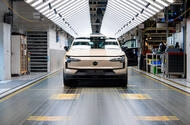
Volvo’s Strategic Shift: Embracing Local Markets for Global Success
 Volvo CEO Håkan Samuelsson says the manufacturer needs to "be a local player" in every key region
Volvo is moving to a more regionalised business model that will help it better adapt to differing market demands and legislation in Europe, the US and China.
Under the stewardship of recently re-appointed CEO Håkan Samuelsson, Volvo Cars will devolve more power to its businesses in China and the US, while "more directly" steering its European operations from its base in Sweden.
The move was detailed by Samuelsson at the Financial Times Future of the Car event, shortly after Volvo announced a drastic global cost-cutting plan in response to a significant drop in sales and a "challenging external environment".
The company earlier confirmed that there would be job cuts globally as part of the £1.4bn savings drive, along with reductions in future investments - but Samuelsson said a shift in global operating strategy is also a crucial part of the turnaround plan.
"We are creating much more empowered regions. And this is not something happening right now which is a big surprise to us; we have seen this trend going on for around a long time. We need to produce closer to our customers, to be more agile, more faster in delivery times and to really be a local player."
He specifically highlighted Volvo's factory in South Carolina – as an opportunity to strengthen the brand's footprint in the US - especially crucial now that any car built abroad is now subject to substantial import tariffs there.
"To be a strong brand in the United States, I think you need to be present industrially. That's why we built a factory last time I was in this job. I'm very glad we did that then, because now it's a strategic asset in the new world."
"The US needs to be seen as a profit-making unit with its own factory, which has to be utilised much more than we are utilising it today."
Volvo also plans to leverage its position as part of the Geely Auto group to more specifically cater its Chinese product offering and production footprint to local demands.
"Let's make China into an empowered, much more autonomous unit, which will have a more regional approach to marketing and sales, but also some local cars which we need to introduce," he said.
Europe will be the third pillar of the brand's global business, and will be steered "more directly" from Gothenburg. Volvo has now begun production of the EX30 for Europe at its factory in Ghent, Belgium, and will open a new factory in Slovakia within the next two years - though Samuelsson refused to say which cars would be built here.
"We need to work more locally and power the people. Really, what we are after is to have faster growth in China and in the US, by giving them more mandate to adapt to local conditions faster."
Volvo will not go so far as to launch a China-specific sub-brand, as the likes of Audi and Volkswagen have done, for example - but "there will be certain models that are specially suited to China". He referenced the new XC70 SUV and EM90 MPV as examples of this approach.
Samuelsson's push for greater localisation also applies to the battery supply chain; he said "in Europe and the US, I think we need to start to build batteries locally. And for that, of course, you need technology partners for the chemistry."
He acknowledged that "China is the biggest in the business" when it comes to battery production, but that there are tariffs in place in the US and Europe which mean "you have to look into how that could be used without violating any other restrictions".
"If you want to build batteries in the West, I think you have to have respect for the Chinese," he added. "Starting from scratch is a long run if you don't have any partners helping you to start up battery production. So I think we need to be pragmatic in that respect."
He did not name any potential battery partners that Volvo could partner with in the US or Europe. Currently, the firm uses packs from China's CATL and South Korea's LG Chem.
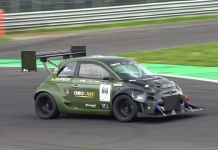
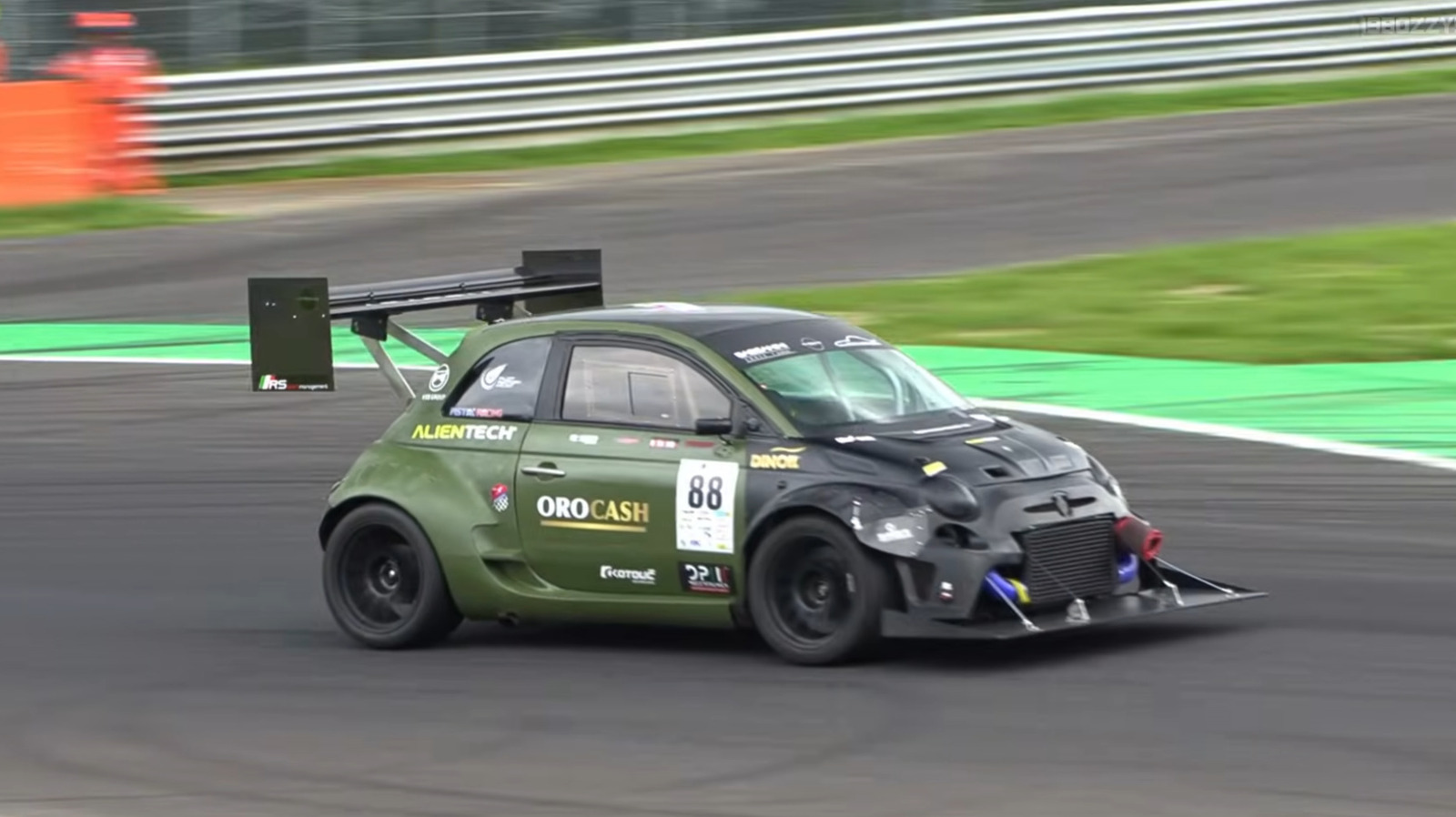
From Tiny to Titan: How Cesare Bassanini Transformed a Fiat into a Speed Demon
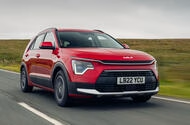
Kia Niro: The Stylish Hybrid Crossover Redefining Electric Driving
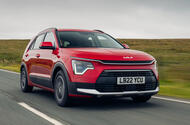 Second generation of electrified compact crossover gains some much-needed style and attitude With the Kia Niro, the Korean company beat most of its rivals to the wildly popular segment of small SUVs – and did so with reasonably priced hybrid options and an electric car with a long range.And that highlights something quite unusual about this car: there has always been a Niro Hybrid, a Niro Plug-in Hybrid and a Kia Niro EV. Accommodating both combustion engines and big battery packs on the same platform can lead to an unhappy compromise, but the original Niro (2016-2022) managed to be both a convincing hybrid and an impressive EV when it came out, and this second-generation model aims to do the same.With this Mk2 Niro, though, Kia has more competition to be worried about, with a whole glut of rivals with all kinds of electrified powertrains. New arrivals in the class seem to arrive every week, and in the case of Kia itself it has since launched another similarly sized electric car to the Niro EV just two years after our test subject was launched in the shape of the Kia EV3. Progress is fast in the compact crossover world. For now, the Niro EV is the biggest seller in the range, with the hybrid close behind it. The PHEV sells in tiny numbers. It’s the two hybrid versions that are the subject of this review.
Delay in the Skies: What’s Behind the Wait for the World’s Largest Aircraft
Experience the Joy of Driving: Living with the Mazda MX-5 as Your Only Car
 How easy is it to have a convertible as your only car?
Culmination is one of those words that can be used in subtly different ways. We will ignore its archaic use (the reaching of the meridian by a celestial body) and delve straight into its two most popular meanings today.
One definition is the highest point of something, especially as attained after a long time. The other is the point at which something ends, having developed until it reaches this point.
Subtle differences, then. It can mean best, it can mean last and it can mean a mixture of the two, as in the example we’re considering here.
Next year, this version of the Mazda MX-5 (the ‘ND’ for Mazda aficionados) will have been on sale for a decade. Ten whole years for one model.
During its lifetime, it has gone through subtle changes and upgrades before culminating in this Homura-spec car. It’s basically all the bells and whistles, and what I think on paper is the best model.
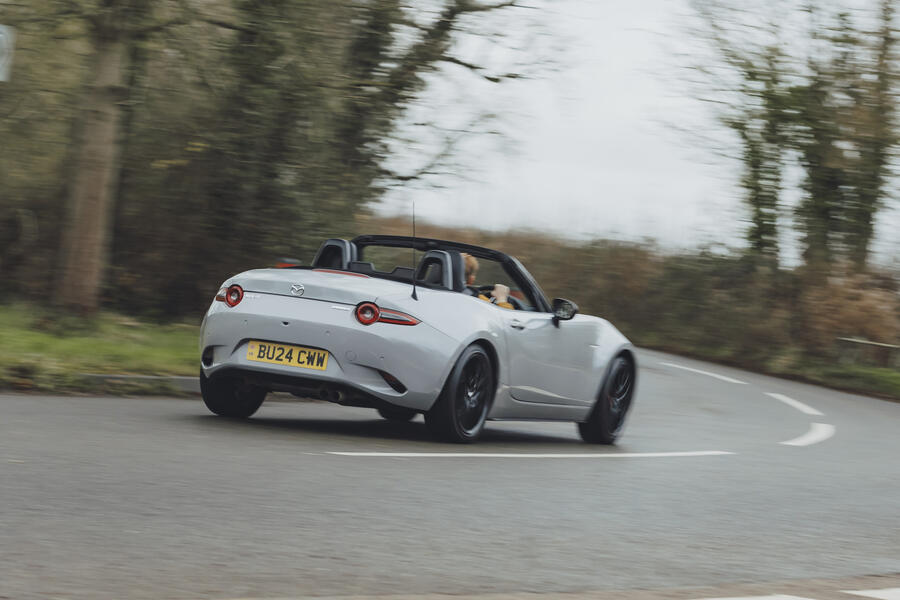
Up front, it gets the 181bhp 2.0-litre engine. Round the back is the simple, lightweight canvas roof – not the heavy and complex metal one you get on the MX-5 RF.
It also has 17in BBS wheels, Recaro seats, a Bose sound system (with speakers in the headrests), Bilstein dampers, a limited-slip differential, Brembo brake calipers and a track mode. That’s the first meaning of culmination well and truly done.
The second alludes to it being the last. Which looks like the case, at least in the pure form we know and love the MX-5. Mazda’s next sports car is set to be a 370bhp hybrid, equipped with a rotary engine that generates power for the electric motors driving the wheels.
Back in 2023, Mazda CEO Masahiro Moro said: “We love the MX-5 and the world loves the MX-5. We are determined in the age of electrification to keep the joy of driving which the MX-5 represents alive.”
‘Represents’ is doing a lot of heavy lifting there. Mazda’s next sports car will not be awfully like an MX-5 to me. And it will most likely not wear the MX-5 badge.
Anyway, enough semantics. The reason I have this MX-5 is to see if I can conceivably run one through winter as my only car.
The hardier among you might consider me to be a soft southerner after reading that sentence. But a few colleagues (admittedly soft southerners themselves) have told me they wouldn’t fancy running something so small, impractical and rear-wheel drive during the winter months.
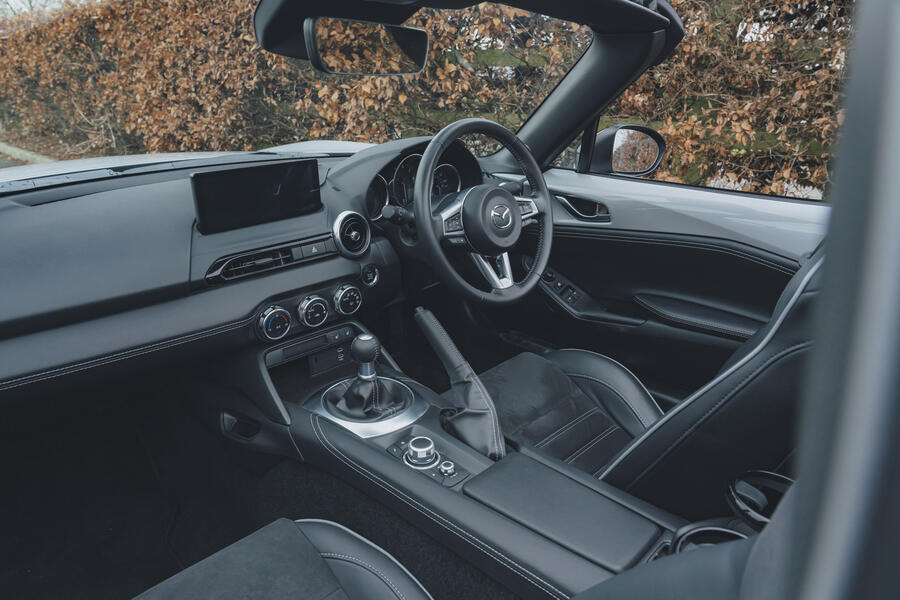
What do I have planned? On these pages, you will read tales of track driving at night, a few comparison tests with pretty abstract rivals and, importantly, the rather less glamorous nitty-gritty of daily use.
Initial thoughts? I’m not a fan of the optional matt grey paint. When Audi started doing matte paint way back in 2013, it was clever in a kind of ironic way. “Look at me, spending all this money to make it look like I’ve got primer.” But since then the concept has grown tired.
Winter is doing the car a huge favour so far. It ’s constantly caked in mud, which hides the paint well. I love filthy cars and will fill these pages in the coming months with the dirtiest MX-5 you may ever see.
Other notes? This car is small. Really small. Shorter than the Mk1 MX-5 even. The first few times I parallel-parked it on my street, I actually had to try again, such was my brain’s inability to measure quite how petite it was.
The boot is pretty deep and useful for a car of this size, but the interior space is virtually non-existent. I recently took it to see my parents and my wife had to stash a lot of our cargo (presents, bags etc) in the front with her. I think she took it remarkably well.
So far I’ve been on only a few other trips in the MX-5, most of them on the motorway. And I’ve been truly dumbfounded by how at home it has felt there. An easy 40-plus MPG in the fast lane for one thing. Sixth gear is pretty long and it ’s only really pulling around 3000rpm. This is especially important to me, as my last long-termer, an Alfa Romeo Giulia Quadrifoglio, averaged 23.5mpg.
It’s the comfort that has surprised me most, though. It really is a pleasant place to be. When you read Bilstein dampers on the spec sheet, you think lowered and racy. But there’s a proper amount of squidge I wasn’t expecting, especially on such thin rubber. It’s not a quiet car at speed, mind you. With the Bose stereo cranked up to a volume where you can actually hear it, your passenger is fully drowned out.
Is this the culmination of 36 years of MX-5 production? If it comes anywhere close, I’m in for a treat – even during the depths of winter.
Update 2
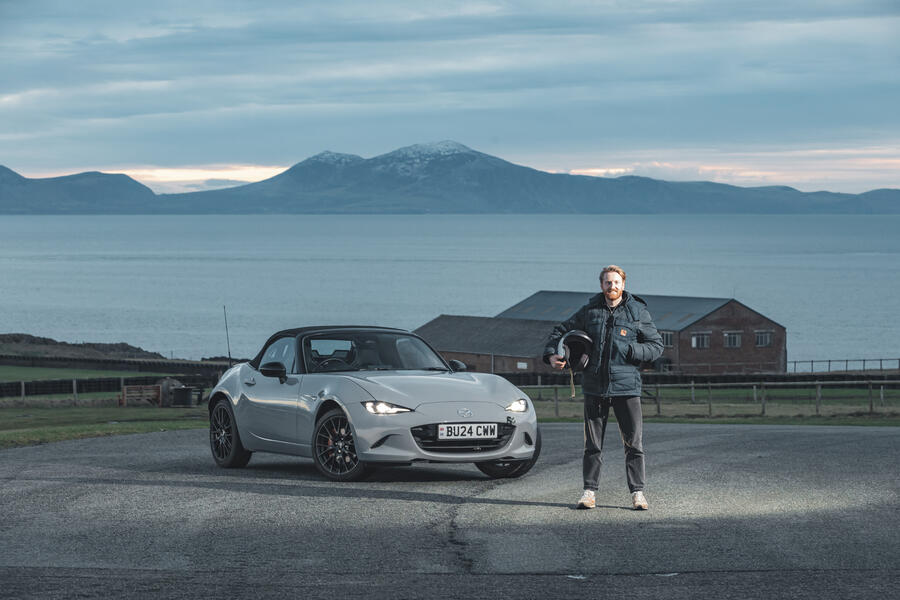
I was invited along by Mazda to the world’s first ‘night-time track day’ in Anglesey. Yep, North Wales, in the winter. At night.
The drop-top Mazda was perfect for the task; I couldn’t think of anything better to do it in. It waltzed me effortlessly from London to Wales in comfort and with surprisingly good 40mpg-plus fuel economy.
And then on track it was an absolute peach, flattering my driving and generally just being extremely good fun, communicative and everything you’d want in a track-day car that you also intend to drive home.
Update 3
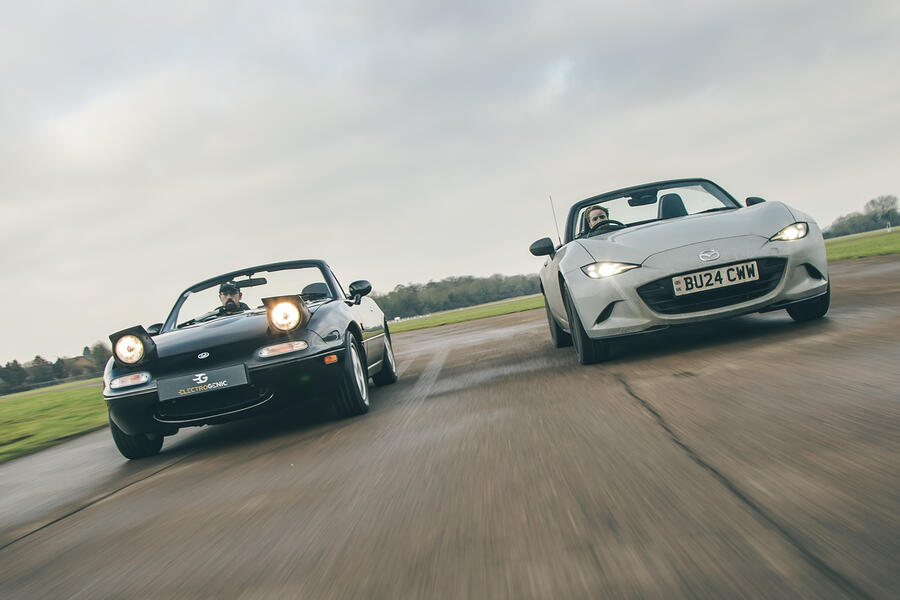
Before I knew it, another invite arrived. This time it was from the electro-modders at Electrogenic, wanting to know if I’d like to drive their new battery-powered Electrogenic Mk1 MX-5.
Yes, please. And it was great: proper fun, with big, laugh-inducing skids, and all wrapped up in the unmistakable first-gen shell.
Update 4
In the office I tend to sit next to our staff writer Charlie Martin and behind Classic & Sports Car’s associate editor, Lizzie Pope.
Since getting my long-term MX-5 they have both bought NDs. Coincidence? Absolutely not. I should be on commission.
In this line of work we’re blessed with driving some of the best cars around. This section of the mag is full of interesting metal week in, week out – and the MX-5 is no exception.
I’ve had a great selection of long-termers in this job. But the MX-5’s mixture of low-speed fun and dependable reliability has made it my favourite. It’s a car that makes the everyday more enjoyable.
Some things about my MX-5 I loved immediately. The seating position and the weighting of the manual gearbox and pedals, for me, are the best in the business.
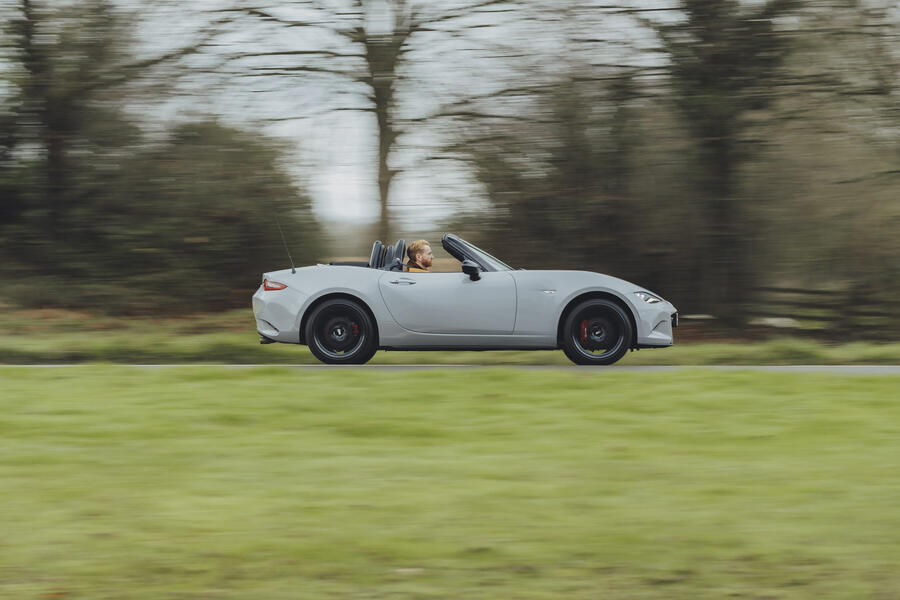
There were other aspects that I grew to love. I thought the steering was a touch light at first, but after a few weeks, and with the benefit of driving a couple of palate cleanser regular cars in between, I realised that light doesn’t have to mean uncommunicative. It just means easy.
Cons are harder to find. I’m not nitpicking here when I write that the infotainment short-circuits my millennial brain: it doesn’t allow me to use the touchscreen while the car is moving (there’s a rotary controller for that).
By the time the neurons in my brain (eventually) engage and the neurotransmitters trigger thoughts about not touching the screen, my greasy little digits are already prodding away. I have been conditioned by 20 years of touchscreen phones, and I suspect many others have.
Admittedly I probably am nitpicking, though, when I complain that the windscreen washer bottle is a touch small at 1.2 litres. Not ideal for hacking around in winter.
Finally, we’ll get round to the question we posed at the start: how easy is it to run a convertible as your only car in the depths of a British winter? Easy. For me. And I’d go as far as saying it would be easy for most childless readers who don’t regularly need to transport anything particularly large.
Bonus question: is this the spec to go for? At the office, we regularly talk specs. And, as you might imagine, we often disagree. A few of us think all electric cars should basically be the least powerful spec possible; others say we’re missing out on all the huge torque. Some of us insist there’s still room for diesel; others remind us that modern petrol hybrids can offer basically the same economy.
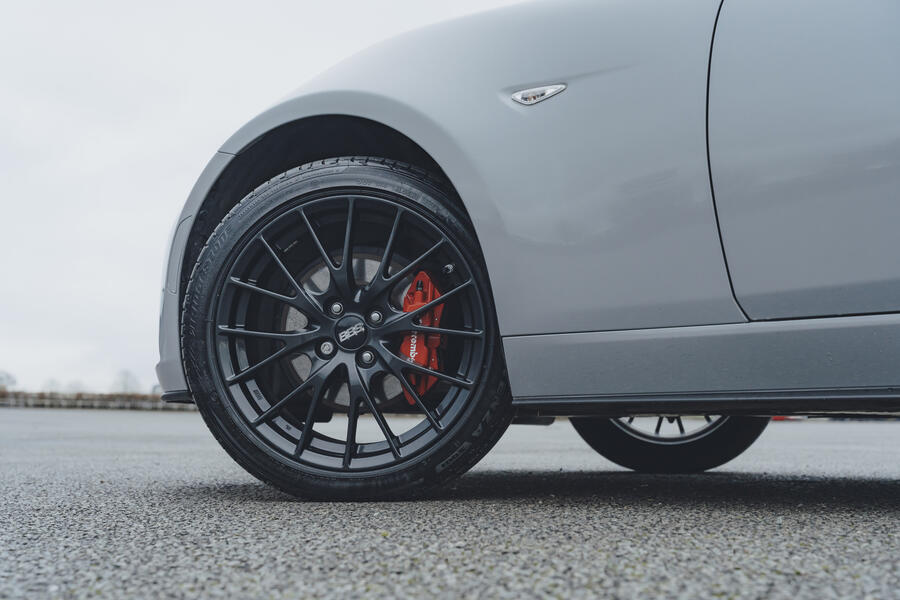
But for the MX-5 top-rung Homura spec just makes sense. Recaro seats? Spot on. Even comfy on long journeys. Track mode? Simple, easy to use, flatters your driving and you can make use of it all the time. BBS wheels? Amazing – nothing else to note.
Yes, it’s £35k – which sounds a lot for an MX-5. But a Mini Cooper convertible is £28,000, or £30k-plus if you actually want anything inside it. A Honda Civic Type R is £50k. At the beginning of this test, I posited that the latest ND was the culmination of 36 years of MX-5 expertise. And it is.
The next generation of Mazda sports car is promised to keep the atmospheric engine/rear-drive formula. But even so, I don’t envy the engineers tasked with besting this ND.
Mazda MX-5 Homura specification
Mileage: At start 6086 At end 8028
Prices: List price new £34,835 Price as tested £35,435
Options: Aero grey paint £600
Fuel consumption and range: Claimed economy 41.5mpg Fuel tank 45 litres Test average 39.1mpg Test best 42.5mpg Test worst 25.8mpg Real-world range 387 miles
Tech highlights: 0-62mph 6.5sec Top speed 136mph Engine 4 cyls in line, 1998cc, petrol Max power 181bhp Max torque 151lb ft Transmission 6-spd manual, RWD Boot capacity 130 litres
Service and running costs: Service costs None Other costs None Fuel costs £306.63 Running costs inc fuel £318.61 Cost per mile 16 pence Faults None
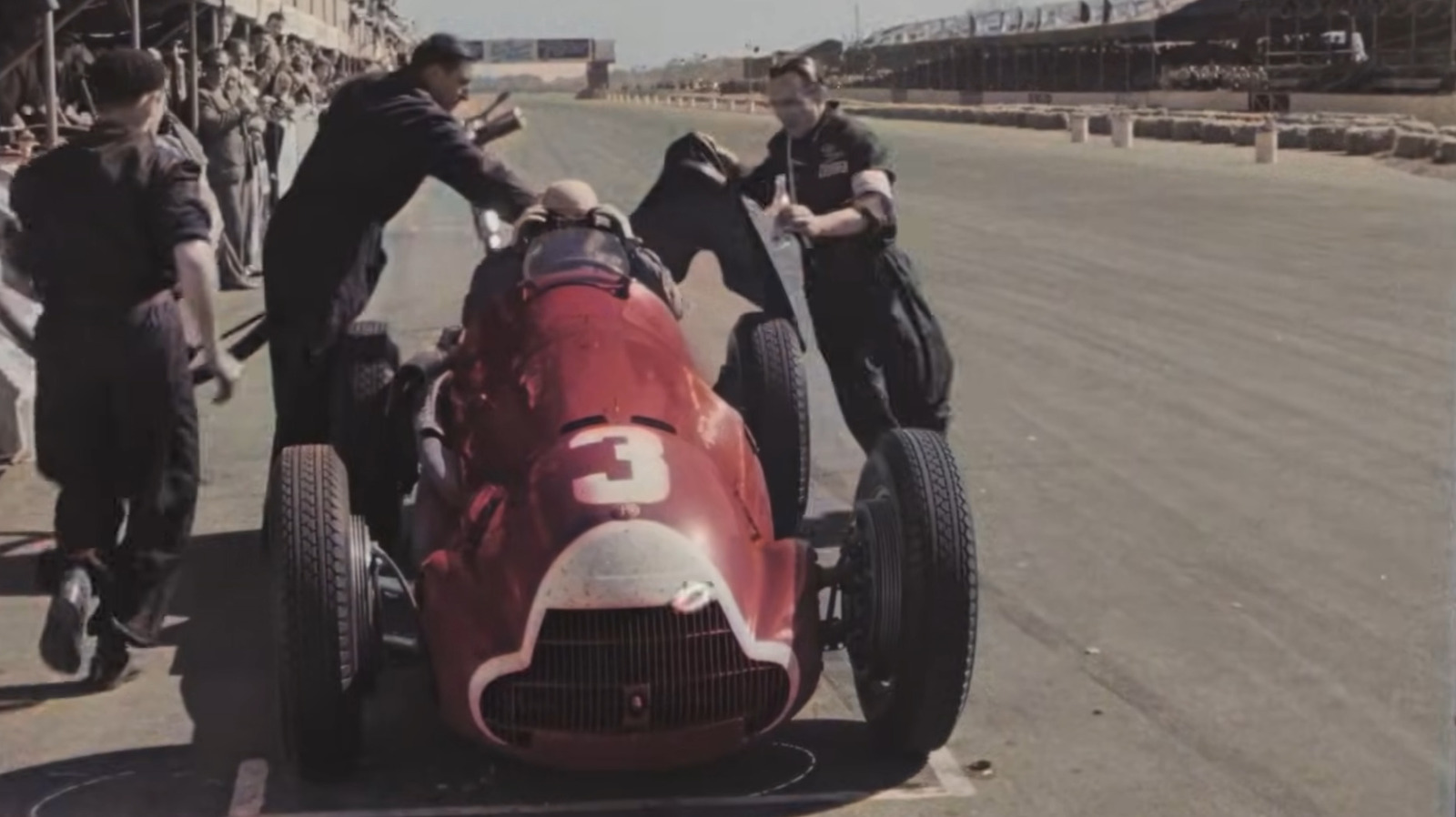
Alfa Romeo’s Dominance: A Look Back at the 1950 Championship Races

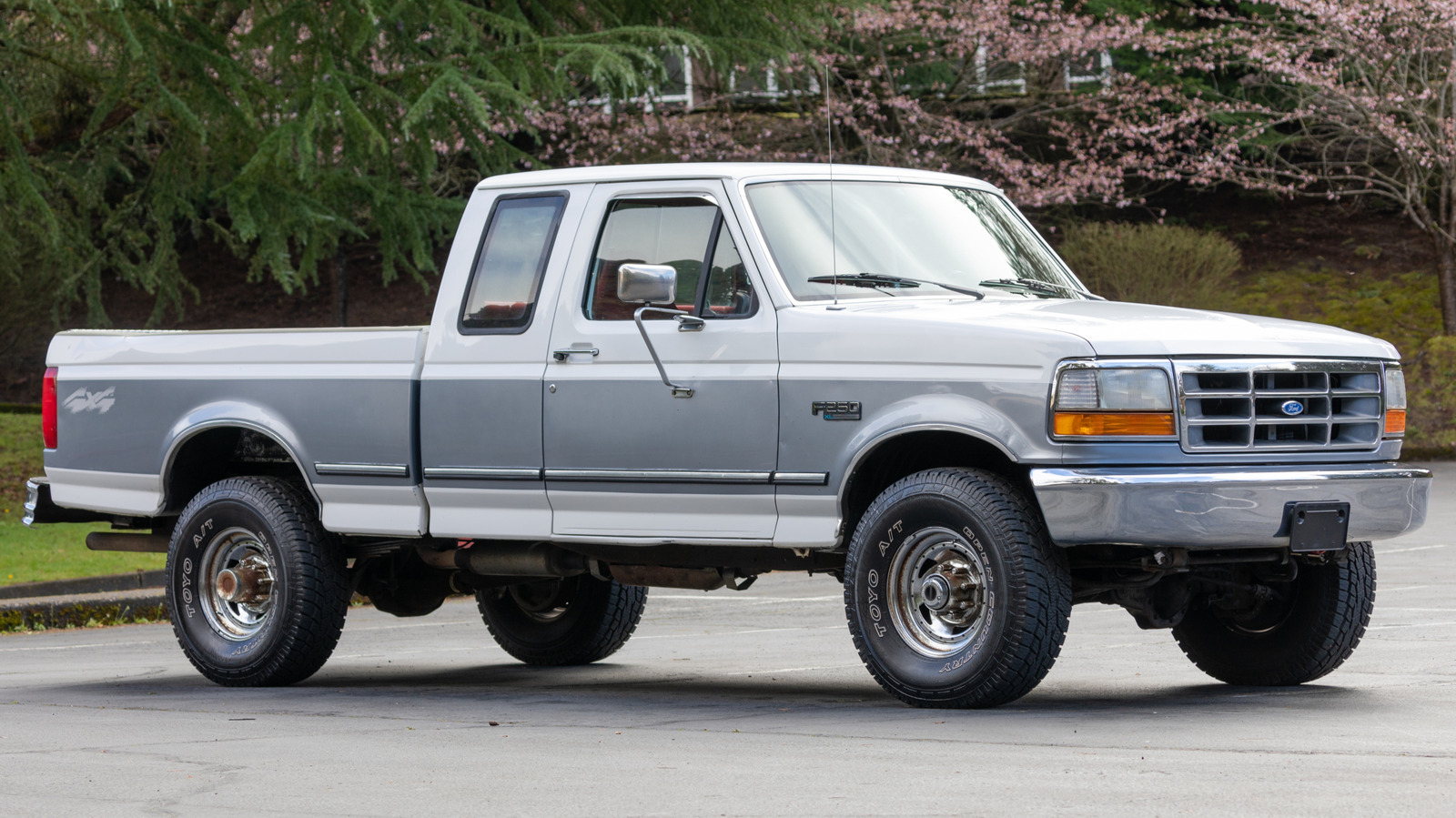
Why Diesel Trucks Need Two Batteries: The Power Behind the Performance

Exploring Cars: From Lotus Legends to Subaru Preferences
 This week Cropley and Prior talk about the Lotus 49 F1 car, American Subaru buyers, the VW ID Buzz and Vauxhall Combo Life
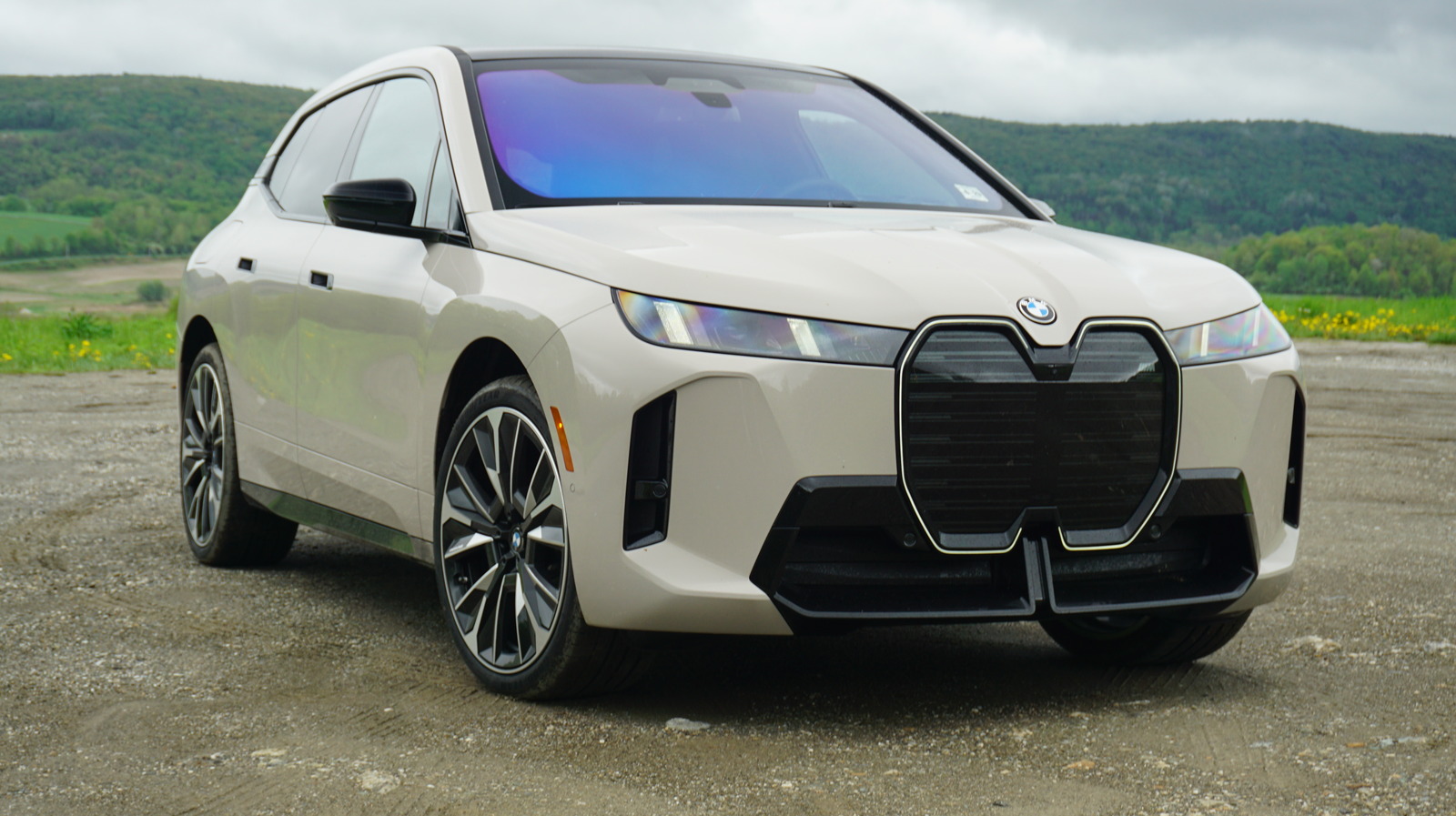
Discover the All-New BMW iX: Where Innovation Meets Driving Pleasure

Roundabout Rampage: Dallas Driver Launches Car into Chaos