
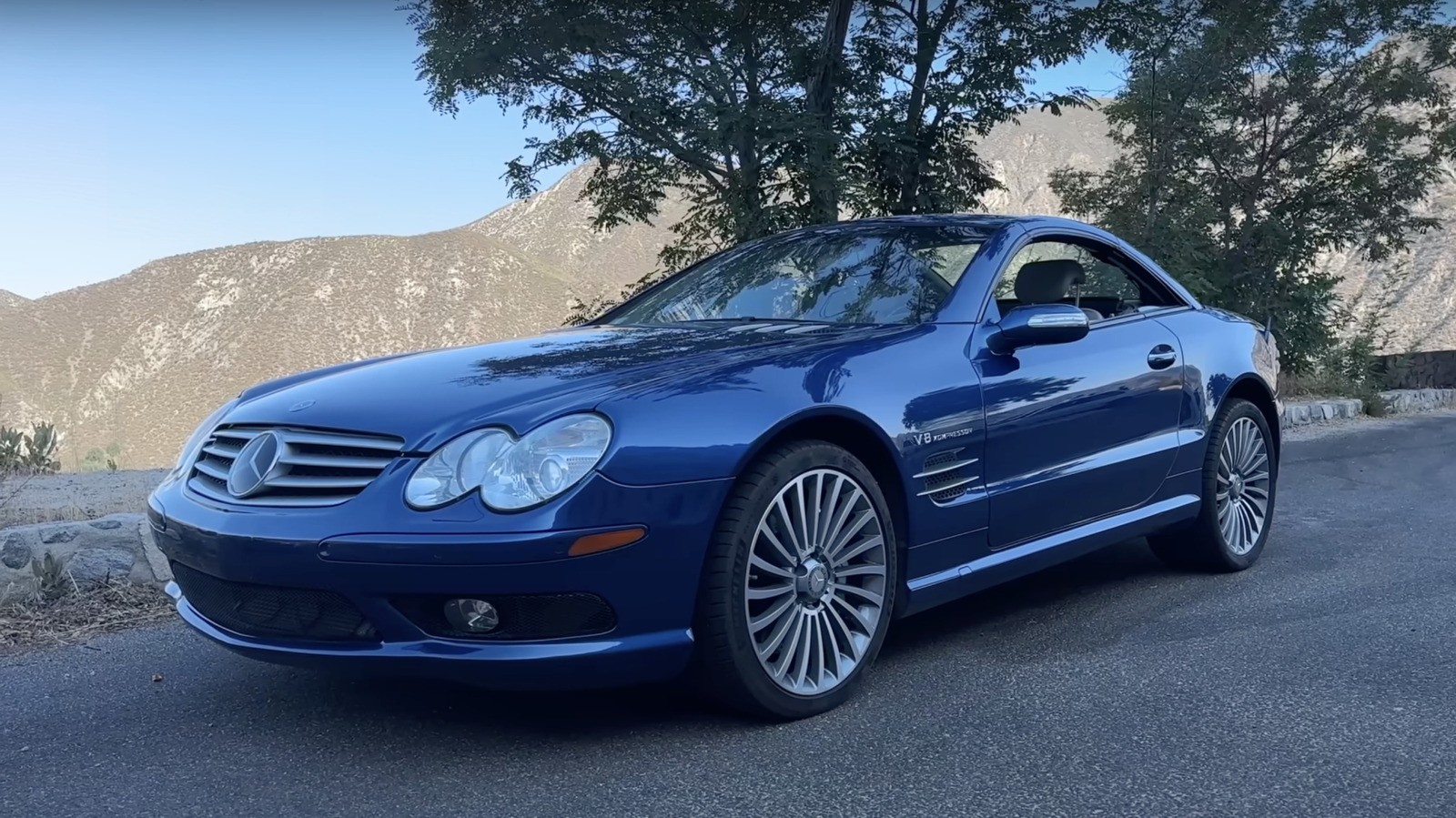
Why This Manual-Swapped Mercedes SL55 AMG Is Worth Every Dollar

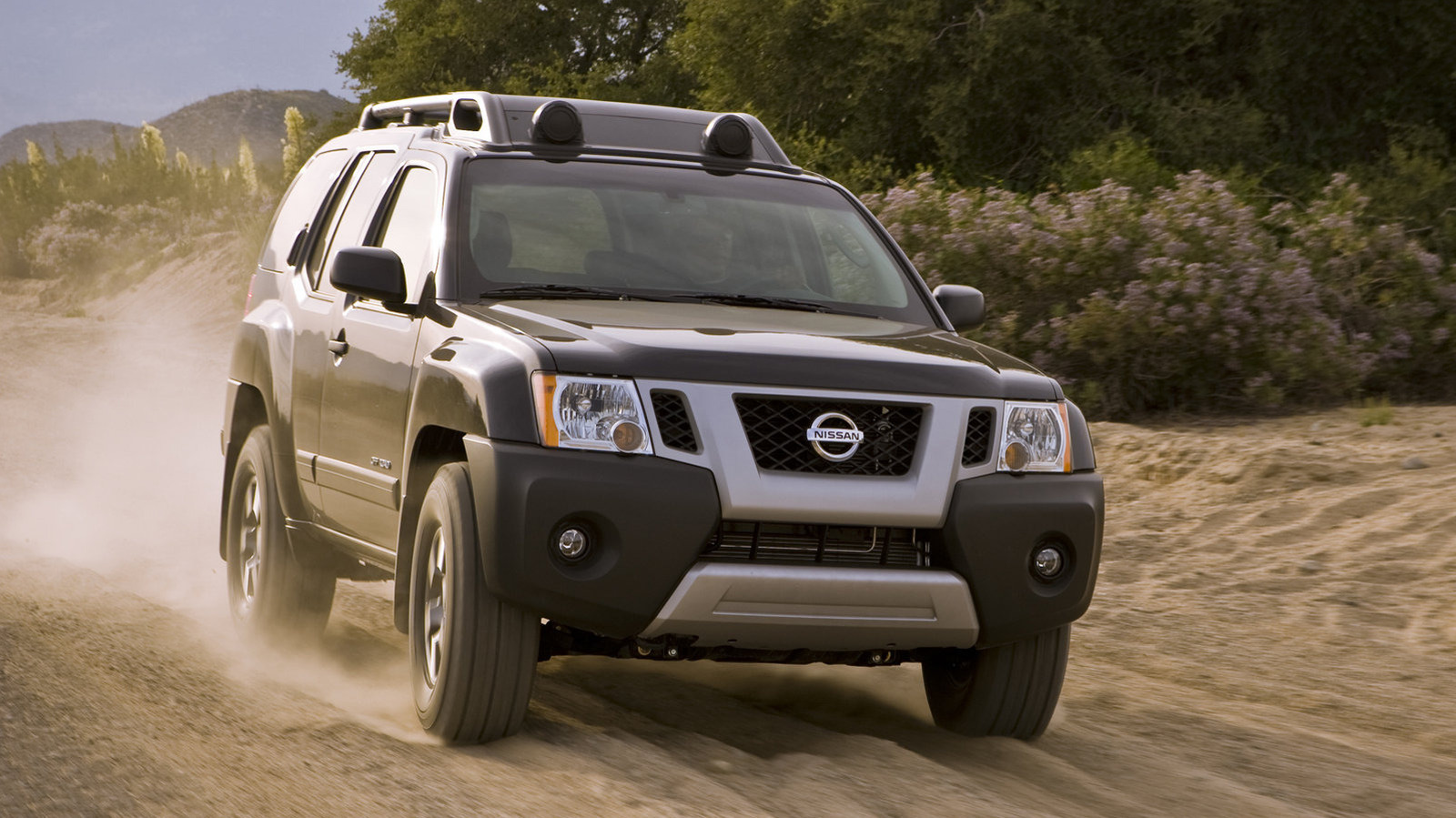
Nissan Xterra Returns in 2028 With Hybrid Power and Impressive Plug-In Range

Automaker Customer Satisfaction Rankings Reveal Surprising Shifts
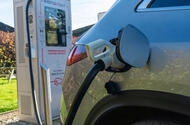
New HMRC Rules Boost Company EV Drivers’ Mileage Claims for Public Charging
 Additional rates, especially for public chargers, aims to avoid drivers being left out of pocket
His Majesty's Revenue and Customs (HMRC) has introduced a new rate for claiming back the cost of using public chargers for drivers who use company-owned EVs.
It follows criticisms that the single-tier system wasn’t matching what they were spending.
From 1 September, drivers will be able to claim 8p per mile for journeys where they charged at home or a higher rate of 12p for using public networks. It’s the first time the Advisory Electric Rate (AER) has differentiated between those two costs.
Both rates will be adjusted every quarter, using the weighted average efficiency for electric company cars over the last three years (currently 3.6mpkWh), domestic energy prices from the Office for National Statistics (27p per kWh) and the Zapmap Price Index for public chargers at 50kW or less (51p per kWh).
The AER’s simplistic approach to charging expenses has been controversial since it was introduced in 2018. HMRC’s single 4p-per-mile rate didn’t change until December 2021, when energy prices began to rise, and only introduced quarterly adjustments in December 2022.
This compares to the much more granular system of Advisory Fuel Rates (AFRs), which are different for petrol, diesel and liquefied petroleum gas (LPG) vehicles, and each fuel has three rates based on engine size. Those rates also apply to hybrids, including plug-in hybrids.
However, EVs’ efficiency can be just as variable as their combustion-engined counterparts.
For example, the new Mercedes-Benz CLA – one of the most efficient EVs available in the UK, at 5.0mpkWh – would cost 10p per mile on a public charger, based on the same Zapmap data used by HMRC, compared with 18p per mile for the least efficient version of its stablemate, the EQS SUV (2.8mpkWh).
The public charging AER also doesn’t account for the higher price for using ‘ultra-rapid’ chargers (with an output of more than 50kW), which are now increasingly common at motorway service areas.
Zapmap’s latest Price Index suggests an average cost of 76p per kWh for using ultra-rapid chargers. That’s almost 50% higher than the AER and equates to 15p per mile for an efficient EV like the CLA so wouldn’t cover the driver’s costs.
Fleets can pay higher mileage rates, adjusted to match what they’re really spending on fuel and charging, but must be able to prove it’s accurate to HMRC. Otherwise the excess can be taxed as additional income.
Paul Hollick, chair of the Association of Fleet Professionals (AFP), welcomed the announcement, saying: “This is very good news for fleets.
"We’ve been working alongside the BVRLA [British Vehicle Rental and Leasing Association] for some time to promote the idea of split public and private charging AER rates and, while it has been a long, long process, we’re delighted that HMRC has listened.”

Pilots Navigate Close Encounter with Powerful Ocean Storm
Top German Cars Voted as Fan Favorites

What Car Would You Really Drive Every Day If Money Was No Object

Porsche Macan Electric Review Does the Iconic SUV Keep Its Thrill in the EV...
 Can the highly popular SUV retain traditional Porsche qualities as it enters the age of EVs? The new Porsche Macan Electric has an unambiguous task ahead of it: to become a worthy successor of the celebrated Porsche Macan, only powered by electricity.If only this was as simple as it sounds. For many, the existing, combustion version of Porsche's junior SUV represents a class-dominating spider chart of performance, space, long-distance road manners and just enough fun to ensure you don't regret passing up that Cayman build slot.And excellent as many electric cars now are, there can still exist some compromises in terms of range or weight and, perhaps most conspicuously here, for dynamic handling appeal compared with their combustion-engined peers.Which means the Macan EV's biggest challenge may not be in defeating the Polestar 4 or the new Hyundai Ioniq 5 N but simply matching for broad appeal the petrol Macan, which will continue to grace showrooms for a while longer.So how has Porsche gone about evolving this model for the electric world? We've had a few occasions to find out so far, having now tested all four versions of the car (the base Macan, Macan 4, Macan 4S and Porsche Macan Turbo Electric) on European roads and a Macan 4, plus an almost entirely un-optioned Macan RWD, in more depth in the UK.We've covered the Turbo in a full instrumented road test, which you can read here. On this page, our numbers refer to the basic car.
When Great Cars Lose Their Way The Biggest Stumbles in Automotive History
Audi RS3 Bids Farewell with Track-Ready Five Cylinder Powerhouse Before Emissions Rules Change the...
 EU emissions regs will force an end to the RS3 as we have known it; new variant to get track-focused package
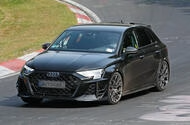
Audi is priming a track-focused special edition of the RS3 as it celebrates the hot hatch’s signature five-cylinder engine, with the unit under threat from forthcoming EU emissions regulations.
The new variant has been spotted testing on the Nürburgring Nordschleife for the first time ahead of its launch, expected to take place early next year.
It sports several racing-inspired modifications, including a more aggressive front splitter, new canards and a chunkier rear spoiler, intended to maximise its pace on circuit.
The RS3 prototype also wears a new set of brake calipers, painted blue rather than the standard black, hinting at extra stopping power and the potential of a special colour scheme or livery.
The new car is also likely to bring a significant uplift in power and torque from the 401bhp and 369lb ft of the previous RS3 Performance Edition, the punchiest version of the hot hatch yet offered.
Sebastian Grams, former managing director of Audi Sport, told Autocar in 2023 that “there's still a way to go” with the five-cylinder engine compared with the RS3 Performance Edition.
Dutch sports car maker Donkervoort previously boosted the 2.5-litre turbocharged unit to 493bhp for its F22 open-wheeler.
It remains to be seen whether Audi will push it that far, but a tangible improvement in output could make the RS3 the most powerful petrol hot hatch on sale, outdoing the 416bhp Mercedes-AMG A45 S.
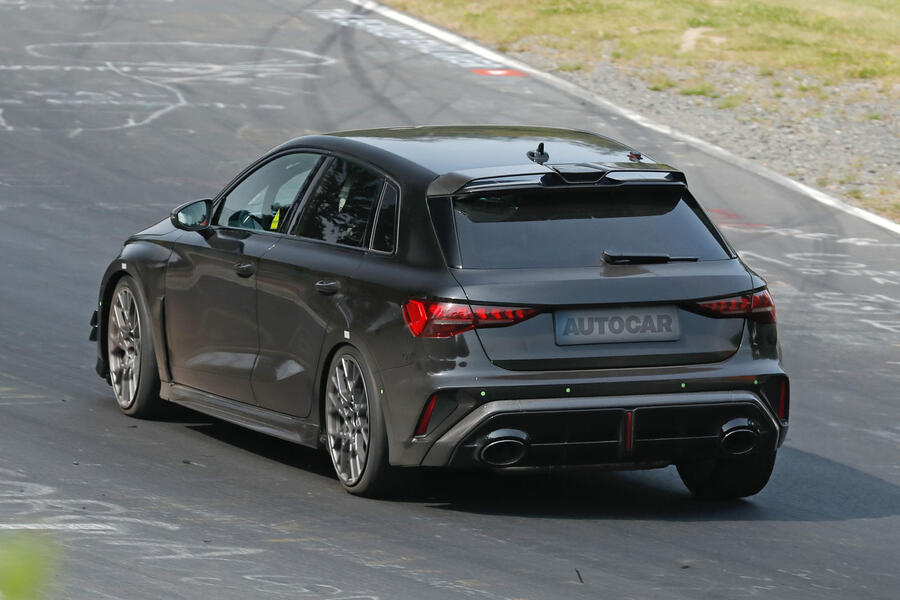
It's likely that the new RS3 variant will represent one last hurrah for the car and its engine, in similar fashion to 2022’s Audi TT RS Iconic Edition.
The five-cylinder unit has been the RS3’s unique selling point since its arrival in 2011, but Audi previously said the powerplant's production would end when the current iteration of the hot hatch comes off sale.
It is possible that it could be reworked to meet the rules, be it through redevelopment or by way of electrification, however.