
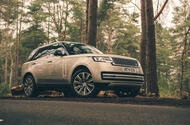
Tata Tightens Control as JLR Faces EV Challenges and Shifting Global Markets
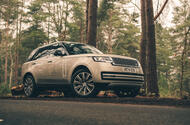 Tata's PB Balaji's appointment as CEO reflects the Indian firm's desire to keep a tighter leash on its British concern
Tata Motors has pretty much allowed JLR to operate at arms’ length since buying the company in 2008. That changed suddenly on 4 August, when the Indian company announced that its own chief financial officer, PB Balaji, would take over as CEO of JLR from November, replacing Adrian Mardell.
“It’s a harbinger of tighter Tata financial control as the firm enters choppy waters amid the shift to EVs, Trump tariffs etc,” said David Bailey, professor of business economics at the Birmingham Business School.
By picking Balaji (known universally by his surname only), Tata has put in place an executive pivotal to the entire organisation, with board seats on Air India, Tata Consumer Products and battery company Agratas.
Balaji joined Tata in 2017 from consumer goods company Unilever, making Tata his first and only automotive berth. However, the Indian is clearly respected in the role, as his ringmaster position in the company’s quarterly earnings calls shows. He fields the submitted questions from analysts deftly, swiftly dismissing repeats and assigning the better ones to relevant division heads, whether for JLR, Tata Motors Commercial Vehicles or Tata Motors Passenger Vehicles.
From one point of view, Balaji is a safe choice. In times of turmoil, as the automotive industry is currently facing, companies often turn to CFOs for leadership to ensure the finances are storm-proof. Mardell’s three years of profitable JLR leadership after he was promoted from the JLR CFO role proves that you don’t need engineering-born ‘car guys’ to be successful at the top.
“Balaji, like Adrian, is a very highly regarded finance guy within the Tata Group and was already on the board of Tata Motors and JLR so is oven-ready, so to speak,” said Charles Tennant, former director Tata Motors and former chief engineer at Land Rover. “Obviously they didn’t think there was a natural in-house candidate at JLR.”
However, the appointment of an executive from the Tata inner sanctum with no direct knowledge of the delicately balanced luxury car world JLR operates in suggests a change in strategy following the death in October last year of Tata Group chairman Ratan Tata, the man who was instrumental in the purchase of JLR and its biggest champion within the company.
His replacement, Natarajan Chandrasekaran, said in a statement that a search for a replacement for Mardell, who was coming up for retirement, was undertaken in the “past few months” before Balaji was picked.
Balaji will understand well the problems facing JLR. After 10 straight quarters of profit and a 10-year-high annual profit before tax of £2.5 billion in the financial year ending this March (not far off the record £2.6bn in 2015), the company has warned that this year will be different.
Last year’s profit margin of 8.5% will fall to between 5 and 7% this year, partly because of tariffs, JLR CFO Richard Molyneux told analysts at the company investor day in June. “The scale and speed of the challenges that we face, particularly the speed, means there will be a dip,” he said.
The company is facing other headwinds too, including falling Chinese demand, down 15% to the end of June. With Chery essentially taking over the joint-venture plant for the new Freelander brand from which JLR receives a licensing fee, the company is now relying on its imported models in China.
Perhaps Balaji’s biggest task is overseeing the shift to electric power, with EV model programmes including Range Rover Velar replacement and the Defender Sport reportedly delayed.
For now, JLR’s slow EV roll-out has been a benefit as it focuses on the higher-margin combustion-engined Range Rover and Defender models that the luxury market still demands.
“The way the market is developing, we're not going to rush these [electric] cars out,” Molyneux said. “We will focus on making them absolutely perfect.”
However, regulations, particularly in Europe, will eventual demand that JLR complies and expands its EV range from zero models currently.
Balaji must also think strategically – not always a CFO strong suit. Chandrasekaran said in the statement that, under Balaji, JLR will continue with its Reimagine strategy, first formulated by Mardell’s predecessor, Thierry Bolloré.
But the world has changed since Reimagine was first announced in 2021, with the plan to elevate Jaguar to an all-electric luxury brand beset by a new and pernicious anti-EV, anti-progressive sentiment in its core target market of the US.
US president Donald Trump was still referencing Jaguar’s colourful 2024 marketing trailer as late as last week, slamming it as "stupid and seriously woke" and erroneously blaming it for Mardell’s departure.
Of all the options open to Balaji for Jaguar – persist, cancel, hybridise or delay – delay seems the most likely. “They are so committed to the Jaguar relaunch strategy that it is hard to see him cancelling that,” Tennant said.
Tata Motors also has another focus after announcing in August that it would buy Italian commercial vehicle maker Iveco for €3.8bn (£3.2bn), all of it financed with debt.
Once finalised, it will be the company’s biggest automotive purchase since buying JLR in 2008 for $2.3bn.
With JLR freshly debt-free after paying off £5.3bn since 2022 and highly profitable, Balaji could decide now is the right time to float or even sell JLR to relieve some financial pressure on the parent company.
But Tennant believes Tata is too committed to JLR to let go now. “There are some serious headwinds ahead, but Tata will just press on and deal with whatever comes their way. That is their style.”
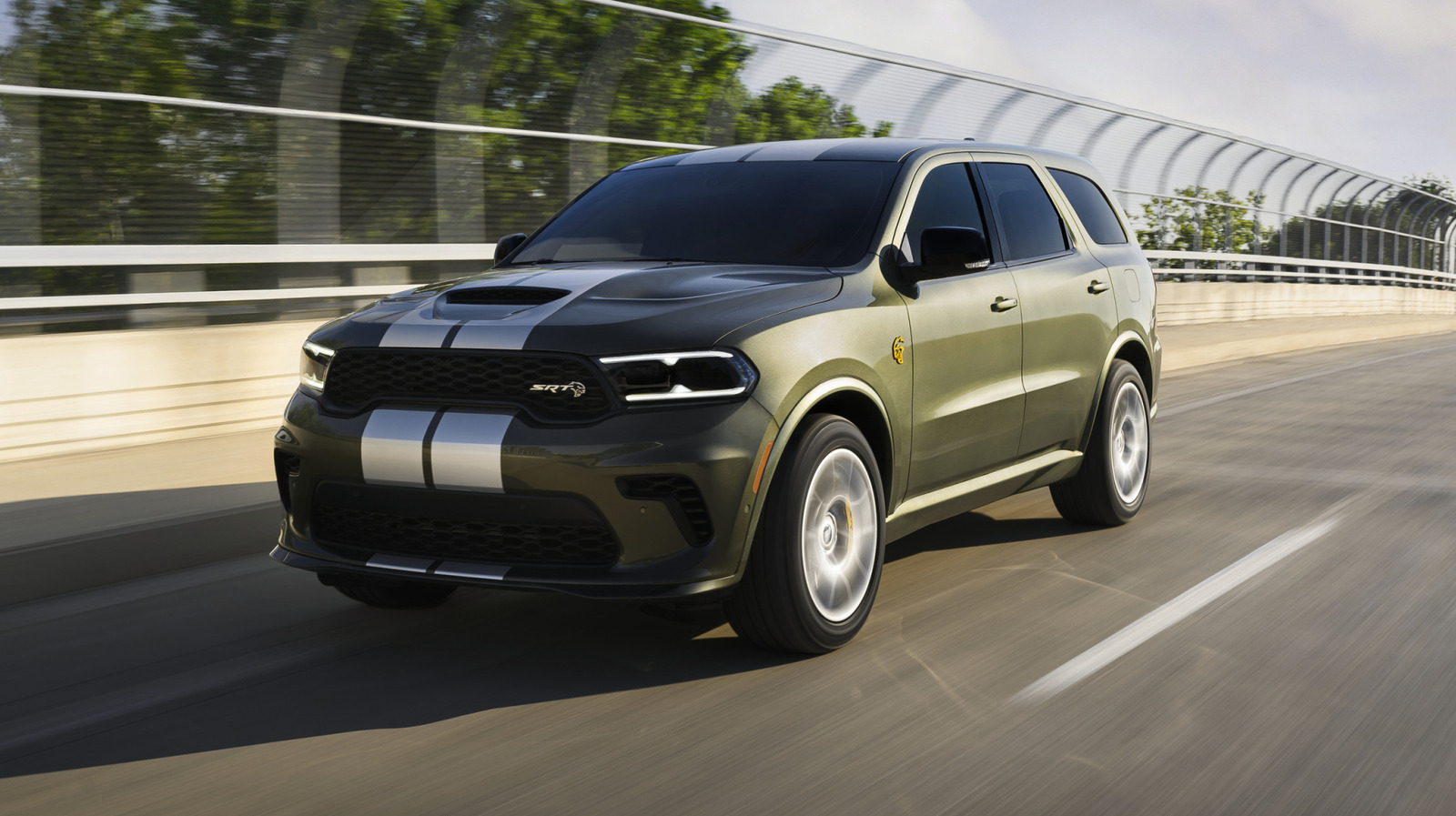
Unleash Your Style with Unlimited Custom Colors on the Durango Hellcat
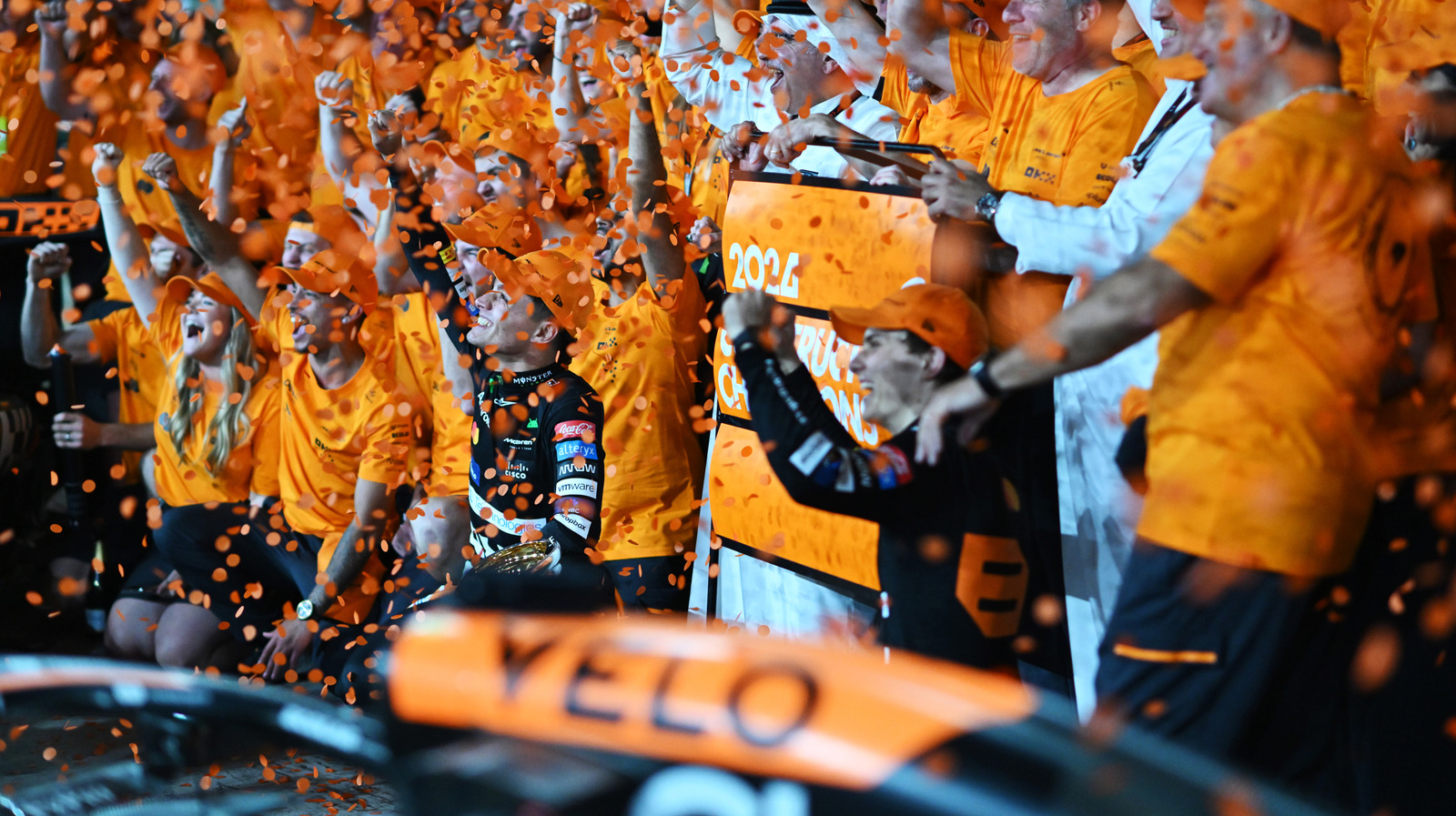
Can McLaren Clinch the F1 Title Early This Season?
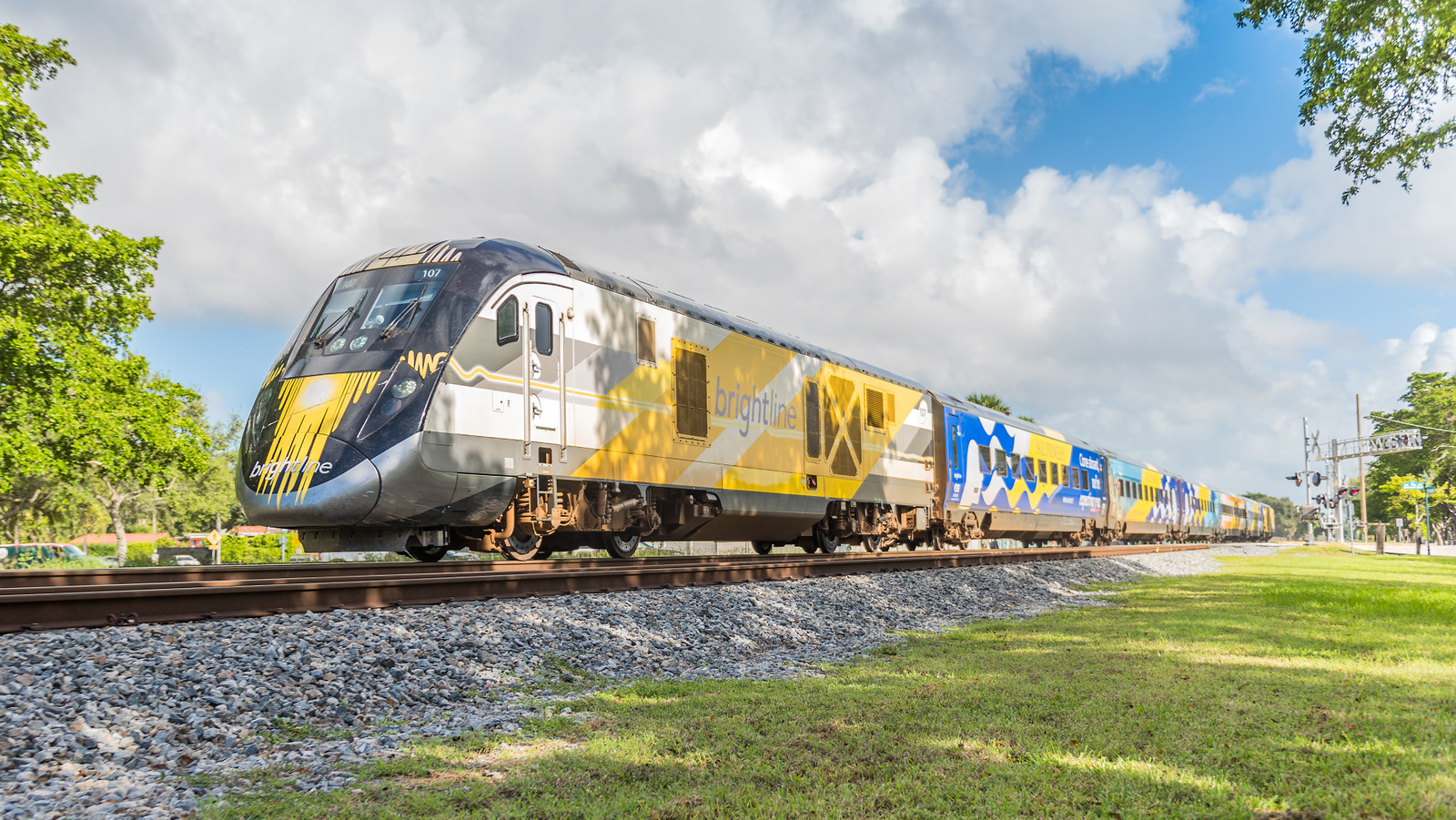
Florida East Coast Railway Sues Brightline Over Disputed Track Expansion
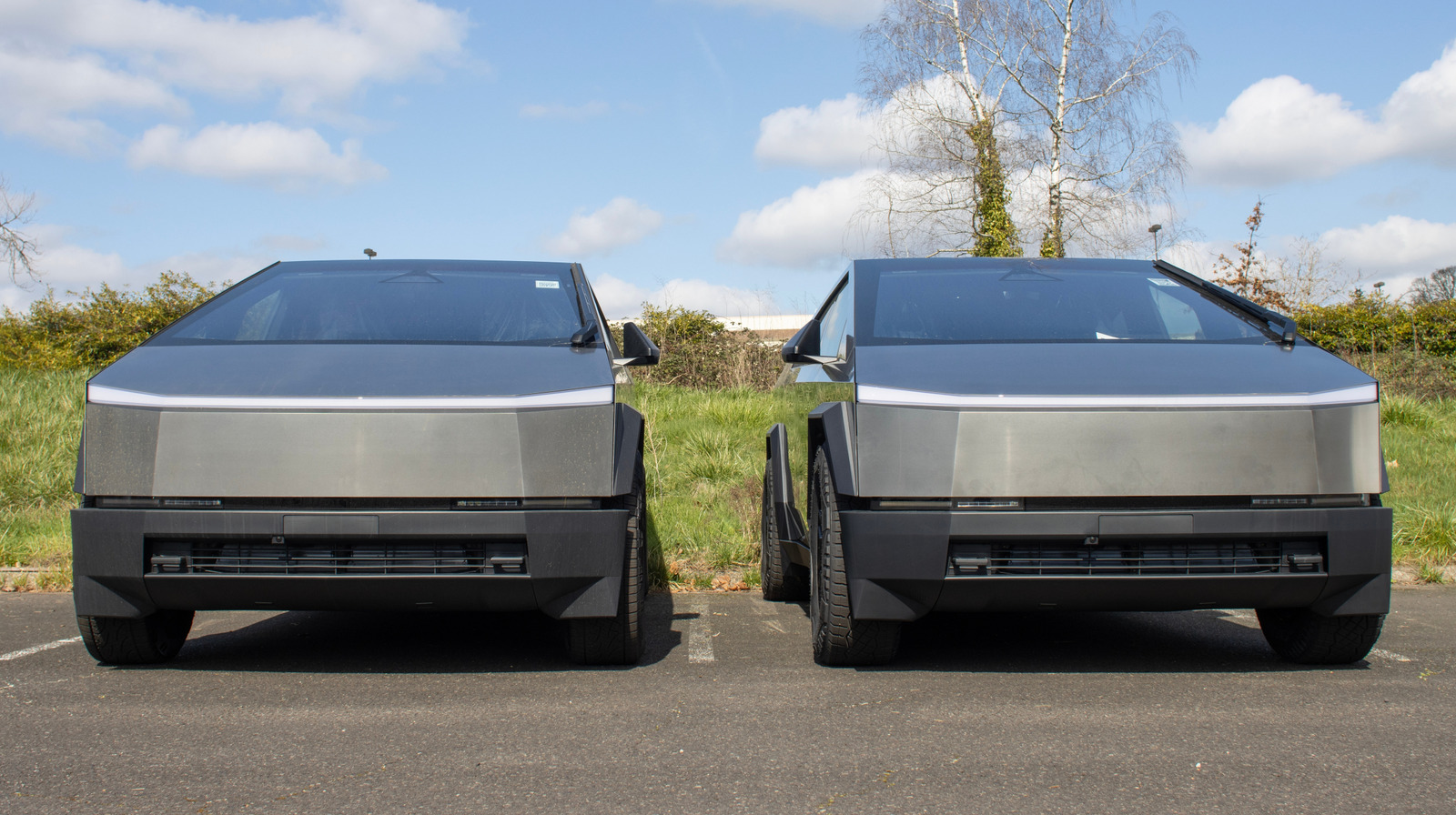
Air Force Plans Live Missile Tests Using Tesla Cybertrucks as Targets
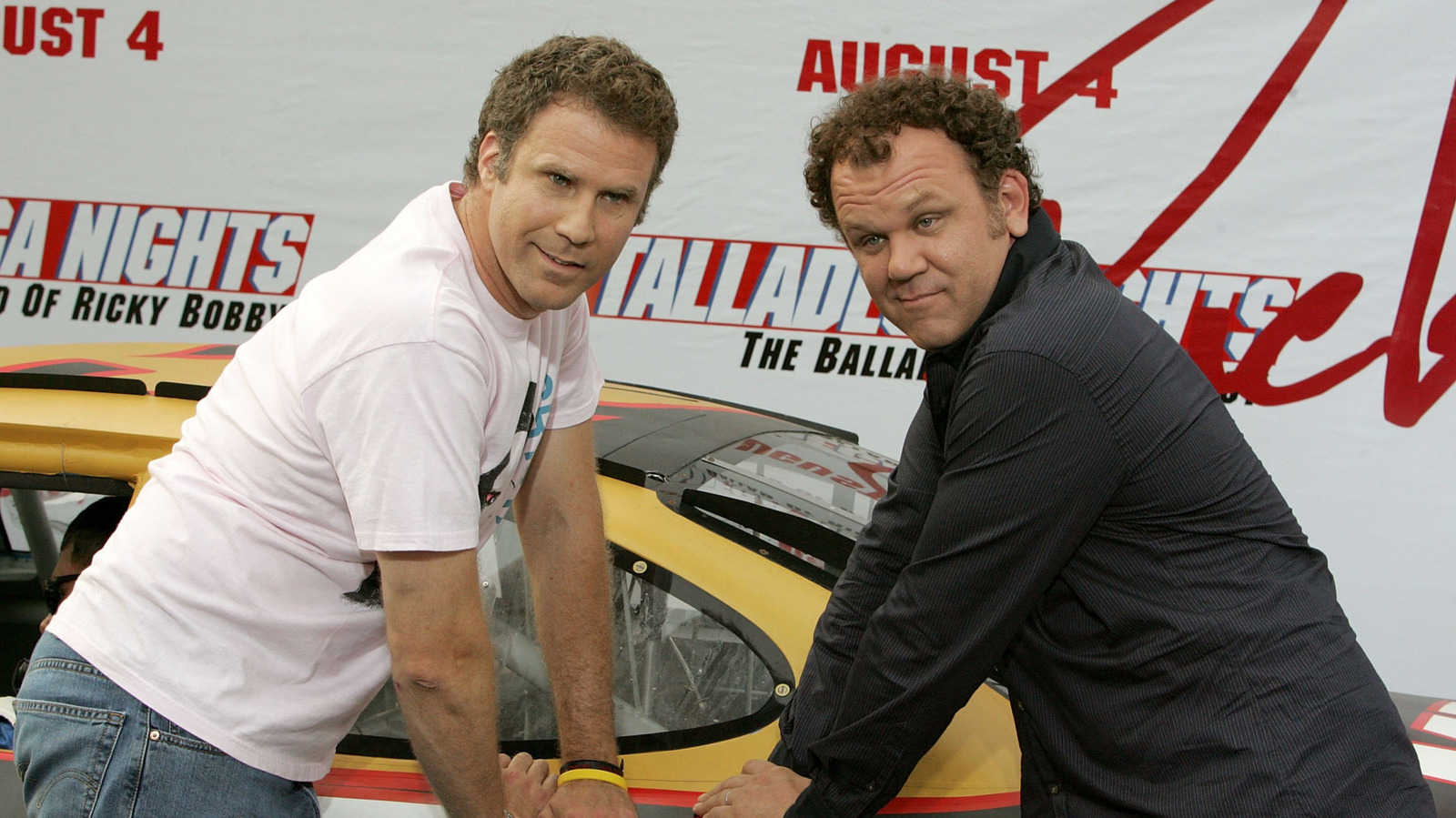
How Talladega Nights Changed NASCAR’s Image for Fans and Drivers
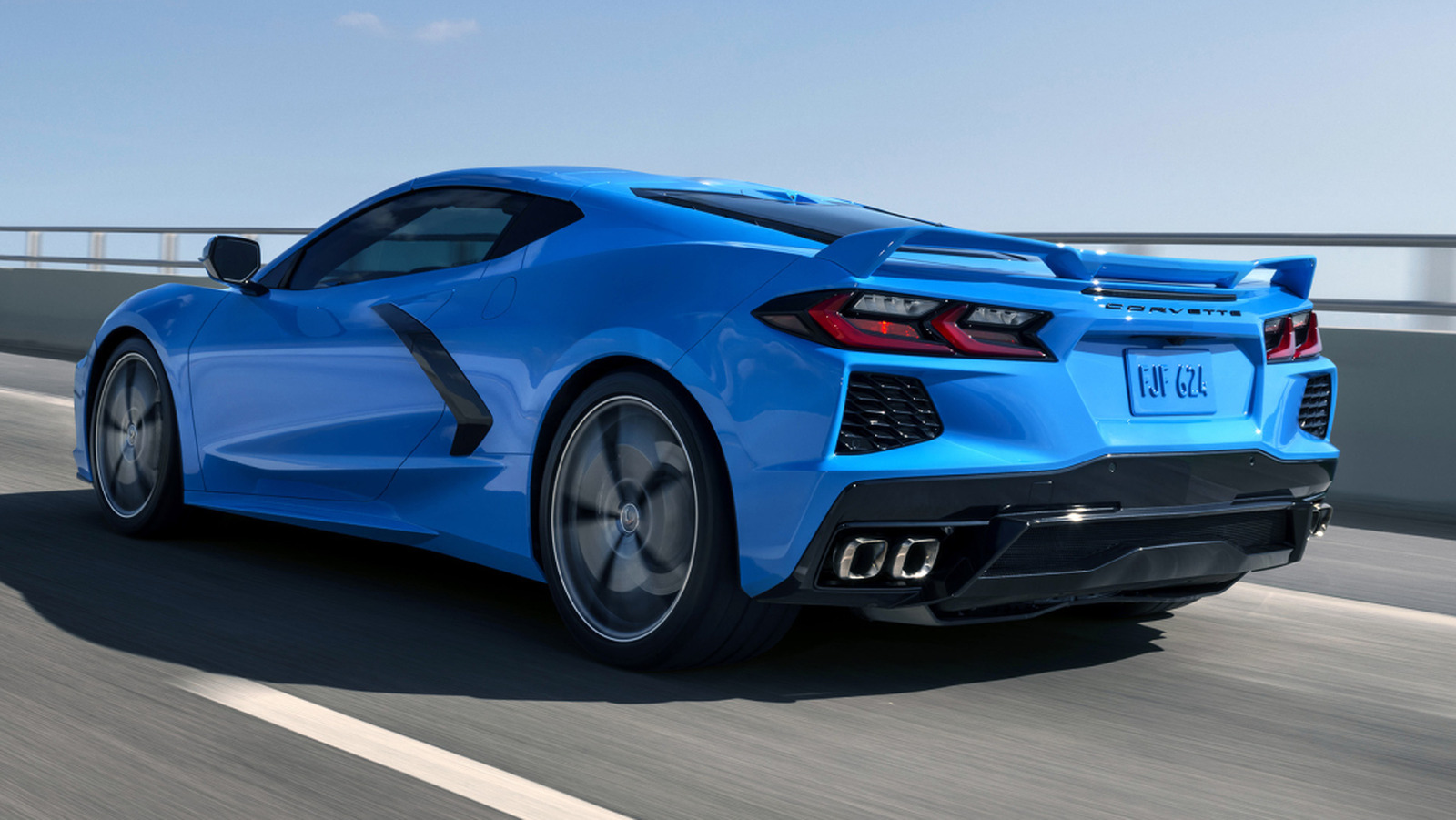
Pastor Accused of Rigging Church Corvette Raffle and Faking Winners

Rolls-Royce Ghost Black Badge Review Is This Ultimate Luxury Sedan Built for Drivers
 Watch our video as put a Rolls-Royce Ghost Black Badge through its paces - a car for the owner, not the chauffeur?
This is the £242,945 Rolls-Royce Ghost Black Badge, a Rolls-Royce with some extra edge.
It’s more subversive, more dynamic car than a traditional Rolls but, the company says, still one that retains the Ghost’s core values of comfort and absolute luxury.
The Black Badge uses a ‘high power’ version of Rolls-Royce’s 6.75-litre twin-turbocharged V12 making 692bhp (600PS) and 664lb ft (900Nm) which, in our full road test, was enough to propel the Black Badge Ghost to 60mph in 4.5sec and to a standing quarter mile in just 12.7sec at 114.6mph.
But numbers are of minor interest when it comes to Rolls-Royces. These cars are about how they feel. So how does the most dynamically adept car the company makes go down the road? Join Road test editor Matt Saunders as he finds out by clicking on the video above.
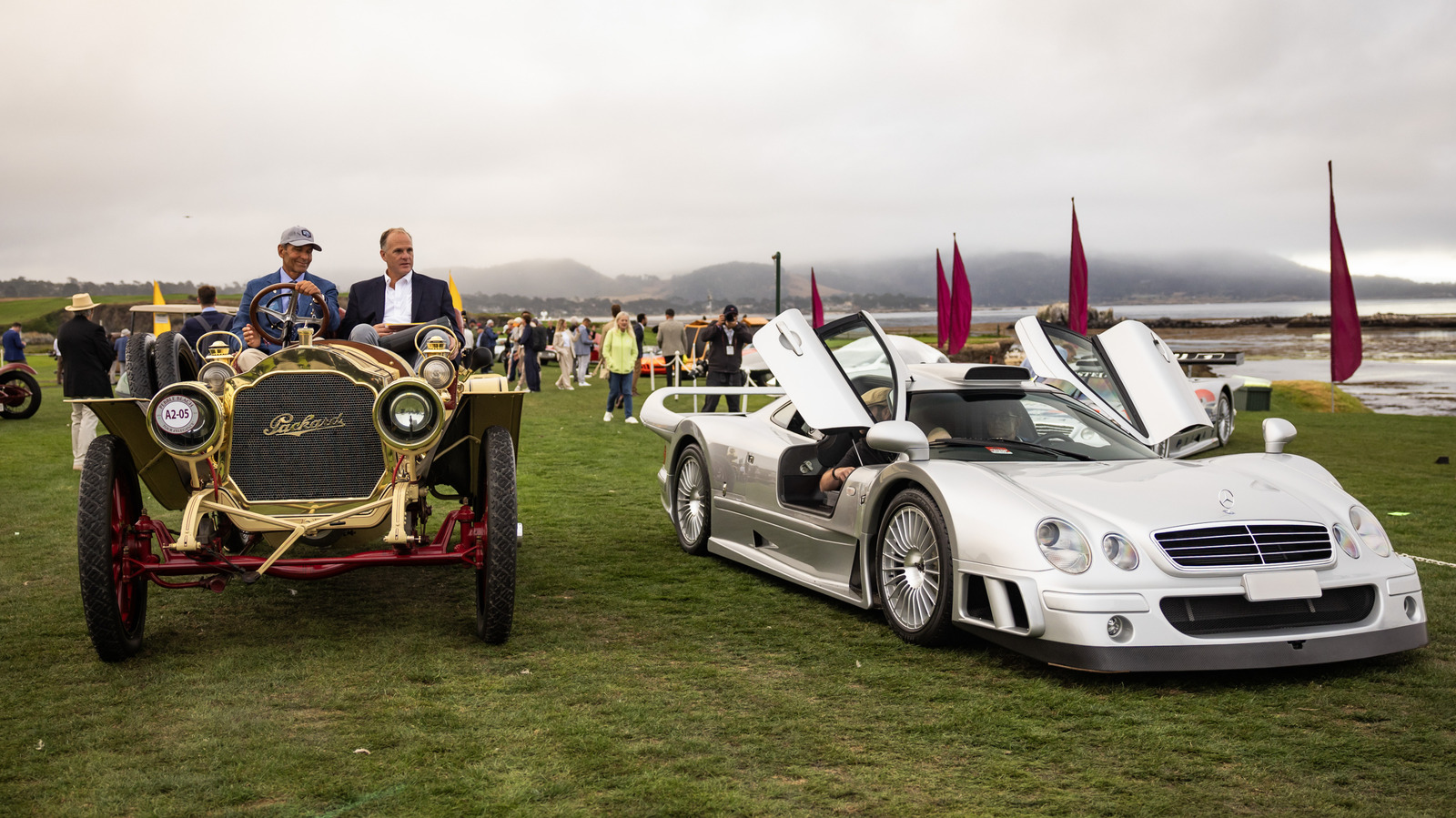
Monterey Car Week Brings Heightened Police Presence and Safety Warnings

Top Electric SUVs in the UK Leading the Way in Style, Range, and Innovation
 We name the best electric SUVs on sale in the UK today, each with its own area of expertise
Love or hate them, the number of electric SUVs on sale in the UK is growing yearly.
More manufacturers than ever are embracing electric technology and the segment is crammed full of options that combine silent performance and long ranges with the practical versatility of an SUV.
It's easy to see why. The best electric SUVs offer a fine blend of long-range capability and cutting-edge technology, with many also sporting a unique design that you just wouldn't see in other areas of the market.
From affordable models to luxury vehicles, this list highlights the top choices that suit a broad range of driving needs and budgets. As of right now, we rate the BMW iX is the best electric SUV on sale, and you can find out why below.
Let's get on with it, then. Read on to discover which electric SUVs are leading the charge this year.