
How the Iconic BMW E30 Lost Out to Surprising Rivals in a Classic Sports...

Kawasaki Unleashes Supercharged Power in Revamped Teryx Side-by-Side

Why Racing Cars Rely on Straight Cut Gears for Maximum Performance
Nissan Micra Returns as Bold Electric Supermini Aiming for Younger Drivers and Fresh Style
 Supermini returns after two-year hiatus with blockier, funkier design borrowing elements from 2002 model
The radically different new Nissan Micra will go on sale in September, priced the same as its Renault 5 twin.
The sixth-generation supermini, now electric only, starts at £22,995 in entry-level Engage trim, which is exclusively paired with the smallest 40kWh battery.
For that, buyers get 18in alloy wheels, a 10in infotainment touchscreen and an efficiency-boosting heat pump.
This price rises to £24,995 for the same pack in mid-level Advanced trim, which adds Google software to the screen, parking sensors and wireless phone charging.
Optioning the bigger 52kWh battery (which offers up to 260 miles of range) increases the price to £26,995.
The range tops out £29,865 in Evolve trim, which is only sold with the 52kWh battery. This brings heated front seats, a heated steering wheel, two-tone paint and Nissan's e-Pedal system.
These prices do not include any discount from the UK government's new Electric Car Grant (ECG); Nissan said it expects the Micra to qualify for the £1500 discount banding.
Order books will open on 1 September.
New Micra: What's different?
The sixth-generation Micra has been positioned to appeal to younger, European buyers, in a bid to move the supermini away from being known as a “grandma car”.
The newest generation of the popular hatchback – which has amassed more than six million sales since first being launched 42 years ago – has been fully revealed by the Japanese firm as a twin to Alliance partner Renault’s electric 5. This means it won’t be sold with a combustion engine for the first time in its history.
The Micra is aimed squarely at buyers in Europe, a market in which Nissan is looking to grow after suffering heavy losses in recent years, necessitating a major cost-cutting plan.
It arrives as one of four new Nissan EVs due before the end of 2026, the others being the new Leaf crossover, an electric Juke and an A-segment model that will be twinned with the upcoming Renault Twingo.
What's underneath?
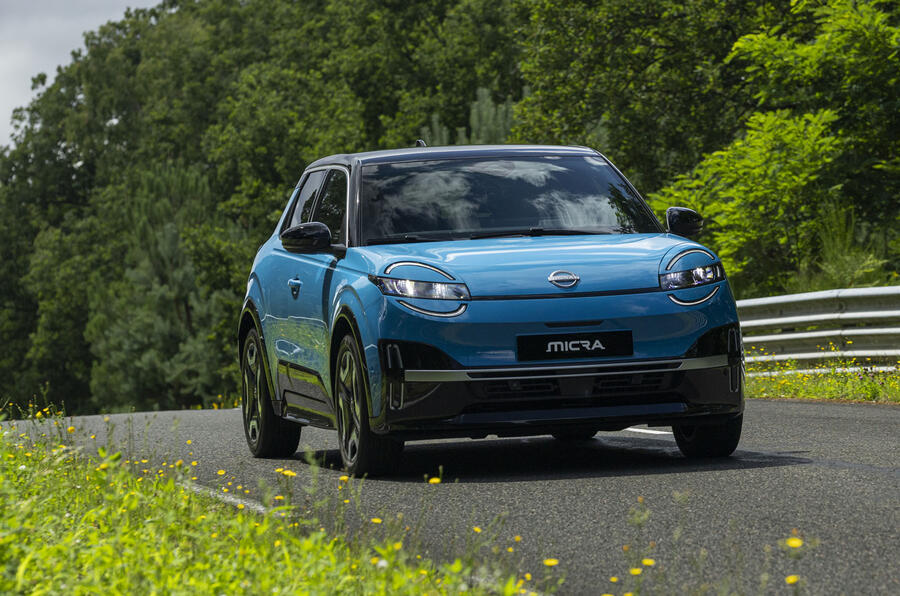
The new Micra sits on the Ampr Small platform, drawing power from either a 40kWh or a 52kWh battery, which are good for 198 and 260 miles of range. In top-spec form, the battery can accept a charging rate of 100kW to go from 15-80% in 30 minutes.
As with the 5, alongside which the Micra will be produced by Renault in Douai, France, power is sent to a single, front-mounted motor that can be tuned for 121bhp (with the 40kWh battery) or 148bhp (with the 52kWh battery).
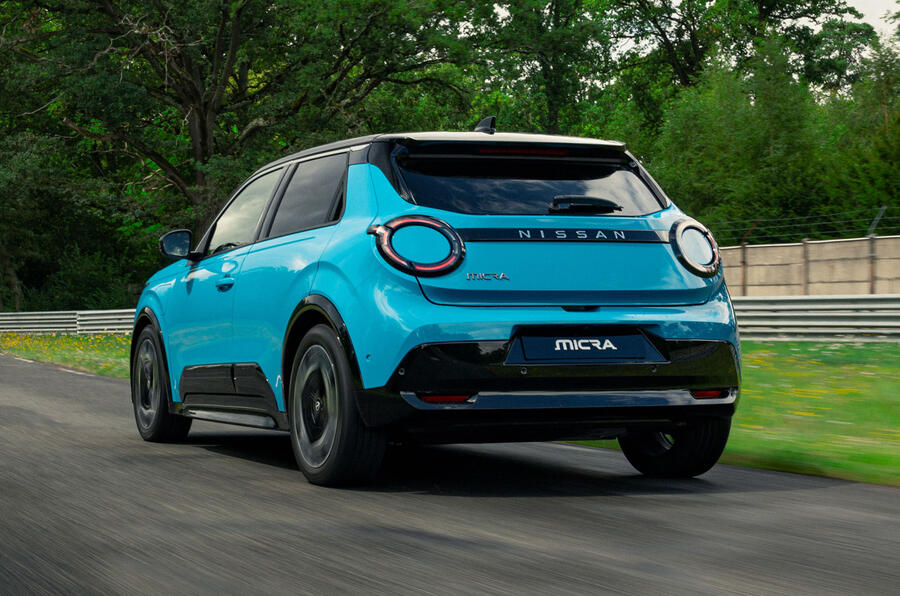
Beyond the electric powertrain, the biggest change for the Micra is its radical new design. While it was developed alongside the 5 from the start, Nissan designers were given the freedom to create something that “was more noticeably Nissan” – although “we had to fight for it”, exterior design manager Yongwook Cho told Autocar.
"Funky" design
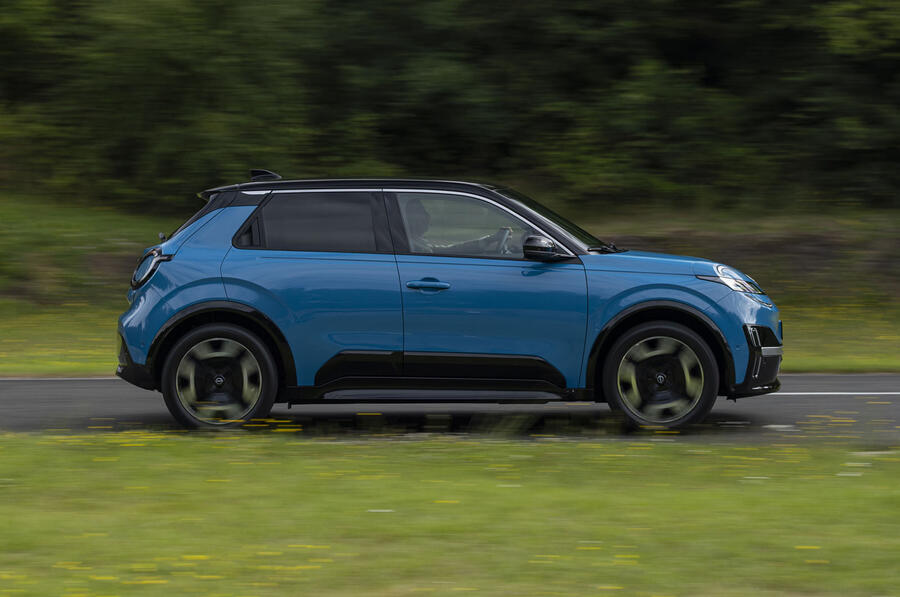
Described as “audacious, assertive and funky”, the new look takes inspiration from the bulbous Mk3 Micra of 2002, especially for its circular daytime-running lights at both ends.
Cho added that “it was tough” when his designers were tasked with creating something that would differ visually from the “already good-looking” 5, especially given the fixed underpinnings.
One change from the 5 is at the front, where the bonnet is higher, longer and features slightly more bulky arches in order to give the Micra a different silhouette.
“We wanted to carry more volume to the front,” said Cho, who added that this gives the Micra more of a crossover feel – like the Renault Megane – than the 5, which is more overtly a hatchback and “sporty”.
Another differentiator is at the rear, where a lip was added, and at the side (visually where the twins are most obviously related), where there’s a shoulder line that looks “like it’s been scooped by a gelato scoop”.
These design elements combine to make the Micra “a grandma car no more”, claimed Cho.
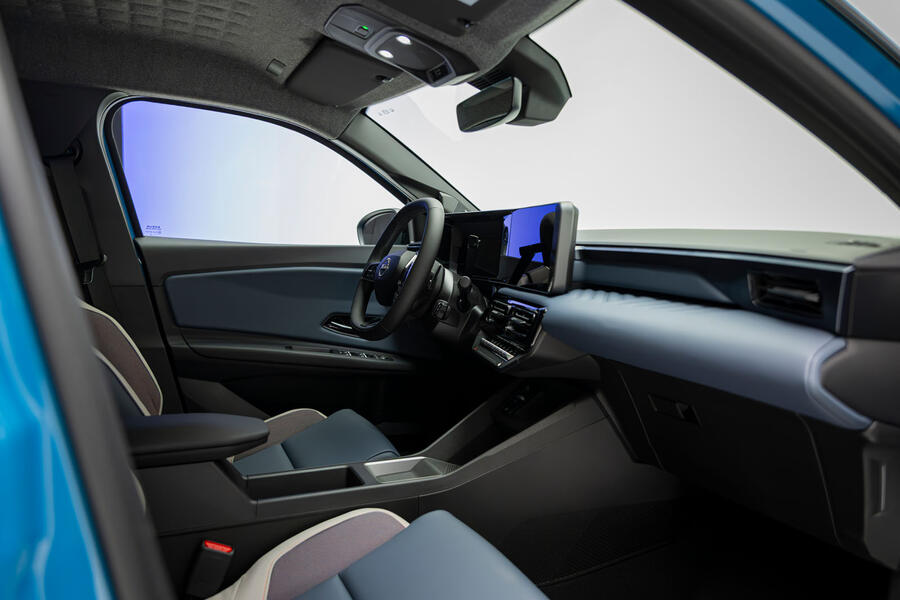
The interior is essentially identical to the 5’s, with the same twin 10.25in screens, same switchgear and same materials, but its colour offerings – white, grey and black – are more muted.
Repositioning the Micra
Explaining why Nissan had given the Micra such a radical styling overhaul, European marketing boss Arnaud Charpentier told Autocar: “The UK is our best market in Europe by far [with 133,000 sales since the start of 2024], so we had to come back with something different.
“I think this new car will create a gap between what people have in mind when they look or think of the [Micra] nameplate and what is now the reality.
“Young buyers? That was the objective.”
Charpentier said traditional Micra buyers in the UK differ from those in other markets. For example, in France and Spain they are younger and “almost 95% female”. As such, he explained, “we wanted to come back with something which is gender-neutral”.
Charpentier continued: “The challenge is really to rejuvenate, because we know that in the UK we have this [grandma] association, and we believe through the audacious and playful design that we see, it’s going to help conquer new types of buyers, like younger, modern parents.”
Asked whether sales could be affected by the Micra’s switch to electric-only power, he said: “We will have to explain that it’s an EV, a full EV. It had to be explained by Renault with the 5. So that’s the fact.”
Touching on the 5’s popularity (16,948 sales in Europe so far this year) and lower starting price, Charpentier disagreed that total electrification would inhibit uptake of the Micra.
“We have a very strong nameplate,” he said. “I’m sure that the nameplate of Micra is stronger in the UK, for example, than the 5. Probably also in Italy. So I’m not worried about this.”
What’s more, Charpentier believes that the arrivals of the reinvented Leaf and the next-generation Juke will help rejuvenate Nissan during a turbulent period for the company.
“This new EV line-up will help us to come back in the race,” he predicted.
Rolling Art in Motion: Driving a 1936 Bugatti Across the Country
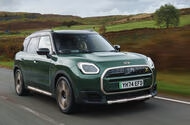
Why the New Electric Countryman Is the Ultimate Family Road Trip Car
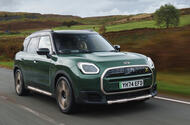 Roomy, efficient, and surprisingly fun to drive – the Countryman injects MINI charm into every family adventure
Is there anything finer than a good road trip? Doing the miles, playing the tunes, seeing the sights, enjoying the roads, immersing yourself in unexpected experiences. Well, actually there is one thing that makes it better – bringing some family or friends along for the ride.
That means you need a vehicle that will comfortably carry everyone, have enough space for all their odds and ends, feature cutting-edge technology to keep everyone comfortable and safe, and be able to do the trip with comparatively few stops.
A tall order. But having spent some time in the MINI Countryman Electric, we think it might be the right car for the job. Here’s why.
Book your all-electric MINI Countryman test drive
Room to roam
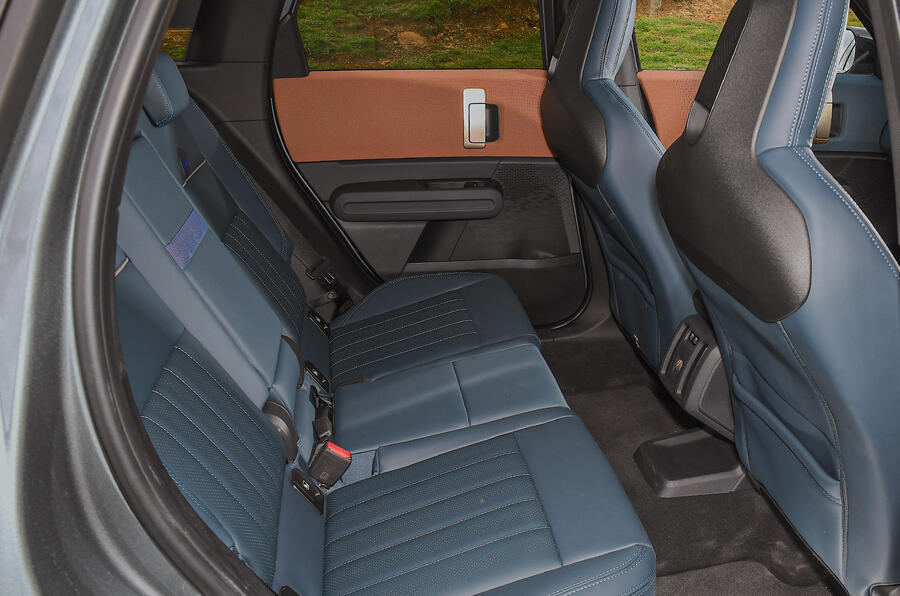
For starters, the new Countryman is by far the largest MINI ever. That’s ideal, because nobody wants to spend a long drive in a cramped car. And there’s no danger of that inside this new Countryman – its sizable dimensions mean that there’s more than ample space for five adults to sit comfortably.
As the What Car? testers noted: “The Mini Countryman makes good use of its boxy dimensions: its high roof gives even tall drivers plenty of head room, plus there's lots of leg and elbow room.”
It’s a similar story in the back, too: “As for the rear, there's enough leg room for a six-footer to stretch out when sitting behind someone of similar height,” What Car? notes. “There’s plenty of foot space under the front seats, and rear head room is generous – even the optional panoramic glass sunroof doesn’t compromise on space.” Also, the reclining rear seats allow passengers to settle back and enjoy the changing scenery.
Finally, the 460-litre boot area means plenty of space for whatever anyone fancies to bring along, be it sports kit, luggage or a picnic.
Get comfortable
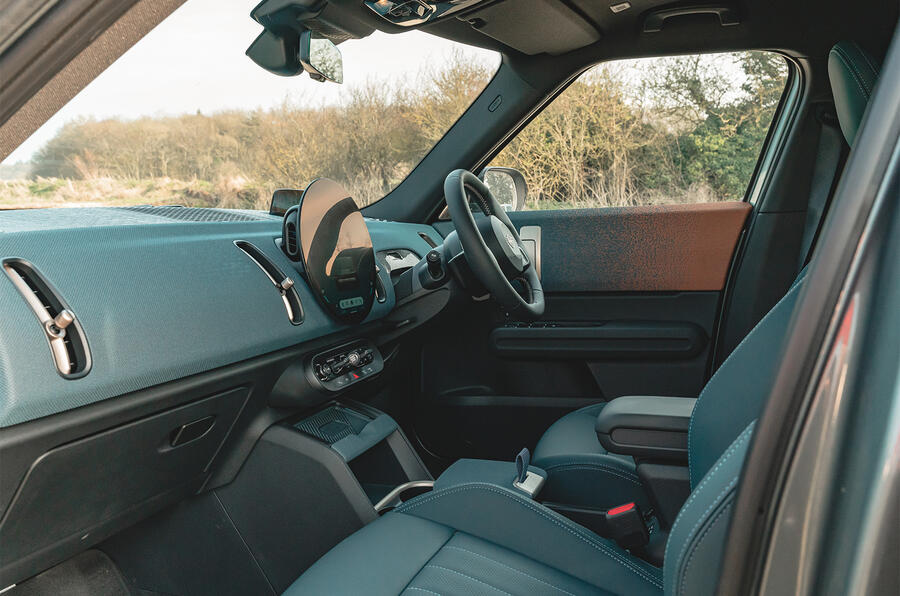
It’s not just about the space though, you can really get comfortable in the MINI Countryman Electric – and not just because it has an upmarket interior, but also because it has been designed with recycling in mind.
To that end, the interior of the Countryman Electric features a modern-looking knitted fabric on the dashboard and door trims – it’s a sustainable material that manages to feel both plush and charming at the same time.
Other areas you routinely touch, such as the seats and steering wheel, are trimmed in a material called Vescin, which feels like leather but is actually vegan-friendly. You can even tailor the interior lighting to just the way you want it.
Put simply, it’s a nice place to be when you’re munching through miles.
Packed with useful tech
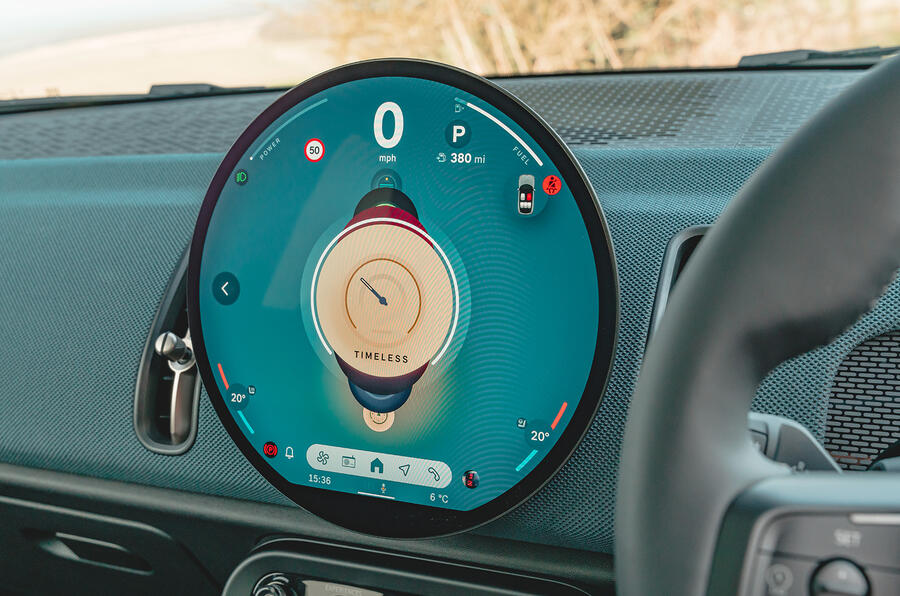
That upmarket cabin is lifted further by its clever use of technology. In-car tech should be about making your life easier – and the MINI Countryman Electric is a great example of how to do that. It’s filled with cutting-edge systems that have been put together to make each and every journey more comfortable and that bit safer.
To that end, every single Countryman Electric features a big 9.4in circular infotainment system front and centre – it’s an OLED screen too, so its picture is particularly crisp and the colours are punchy. You also get dual-zone climate control as a minimum, and you can even set the climate control to be ready for your departure, so everyone is comfortable from the moment you leave.
You also get alloy wheels, LED headlights, a heated steering wheel, keyless start and adaptive cruise control – ideal for a long drive.
Safety is well covered, because every Countryman has automatic emergency braking (AEB), lane-keep assist, traffic-sign recognition and an emergency call function (named e-Call).
Better still, the MINI Countryman Electric will do exactly what you tell it to – literally. That’s because the new “Hey MINI” intelligent personal assistant system lets you change numerous aspects of the car using only your voice. For example, you can activate the heated steering wheel, turn up the air con, or get a list of restaurant recommendations without taking your hands off the wheel.
However, that’s not all, because you can also choose to add option packs, named Level 1, 2, and 3.
Level 1 brings adaptive LED headlights, auto-dimming rear-view mirror, heated front seats, wireless phone-charging, a head-up display and keyless entry.
Still want more? Level 2 adds a panoramic glass sunroof and a punchier audio system from Harman Kardon, plus privacy glass. And if that isn’t enough, Level 3 includes massaging front seats, a Park Assist system, and an augmented-reality sat-nav.
Range and charging
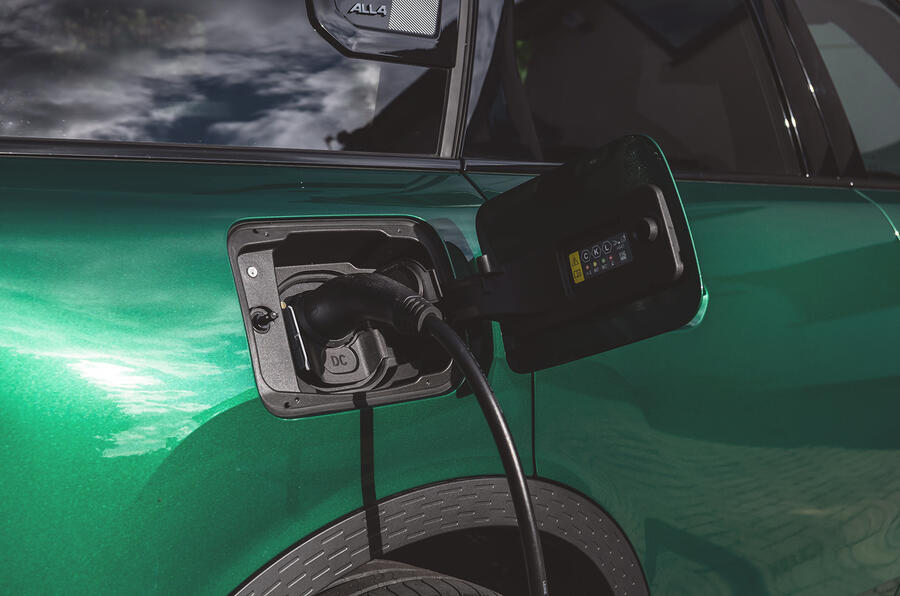
The electric MINI Countryman has a large 64.7kWh battery which gives the car a range of up to 286 miles on the official WLTP test cycle – that is the distance between Manchester and the Scottish Highlands, which is a pretty awesome road trip.
So once your on the road, it’s more likely that you’ll be stopping for rumbling stomachs or a full bladder, than for charging. But if you do plug in, the battery can be recharged at a rate of up to 130kW, which means a boost from 10% to 80% will take less than 30 minutes. Perfect for grabbing a bite to eat and stretching the legs after a few hours of driving.
And you don’t need to worry about finding a charging station, because the sat-nav can direct you to the nearest one at any given moment. You can even do this through the voice assistant. And at the same time, the car will also get its battery to the ideal temperature to accept charge as rapidly as possible.
Maximum fun factor
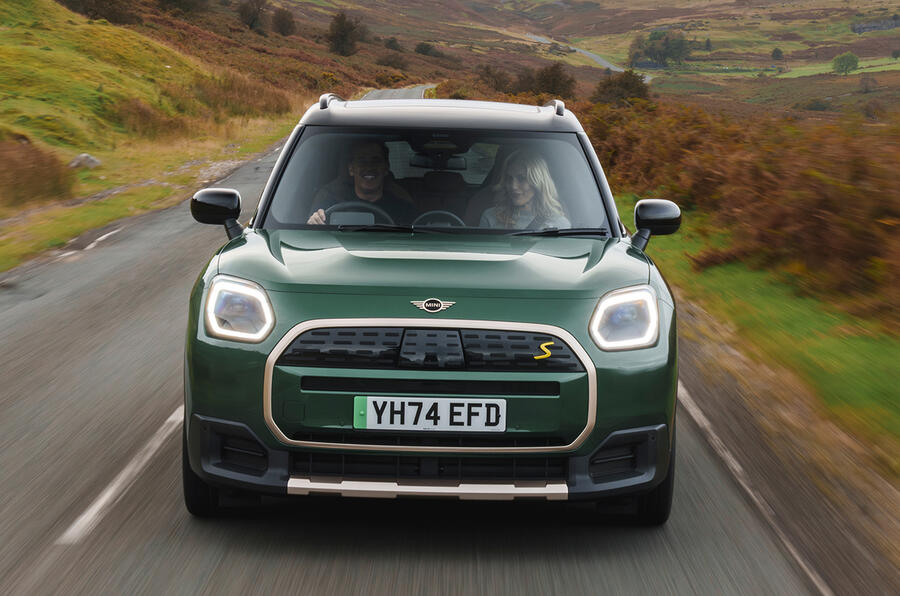
If there’s one thing that has remained a constant throughout the entire history of the MINI brand, it’s fun. And if you’re planning to do a whole load of miles, then making those miles as enjoyable as possible will only make the journey better.
Thankfully, MINI remains true to that philosophy, and the Countryman Electric is positively brimming with character and vivaciousness.
How has MINI managed this? Well, the new Countryman Electric is wider than its predecessor, and has a longer wheelbase, which makes it grippy and stable. Indeed, the car’s entire platform has been engineered to keep the batteries as low as possible – and a low centre of gravity means nimbleness and agility.
It also has super-sharp steering and responsive suspension that’s been tuned for sporty handling, so reacts instantly to your inputs.
There are two electric powertrains available in the Countryman Electric. The MINI Countryman E has one electric motor on its front axle that delivers 204hp and 250Nm of torque.
But if you fancy something with a little extra zing, there’s also the MINI Countryman SE ALL4, which has an electric motor on each axle. These combine to produce 313hp and 494Nm of torque, plus the extra traction of four-wheel drive. A 0-62mph time of just 5.6 seconds is your proof.
Both models are guaranteed to give you a huge grin throughout your road trip, but the higher-powered model might just make your passengers squeal a bit, too.
It’s time to hit the road
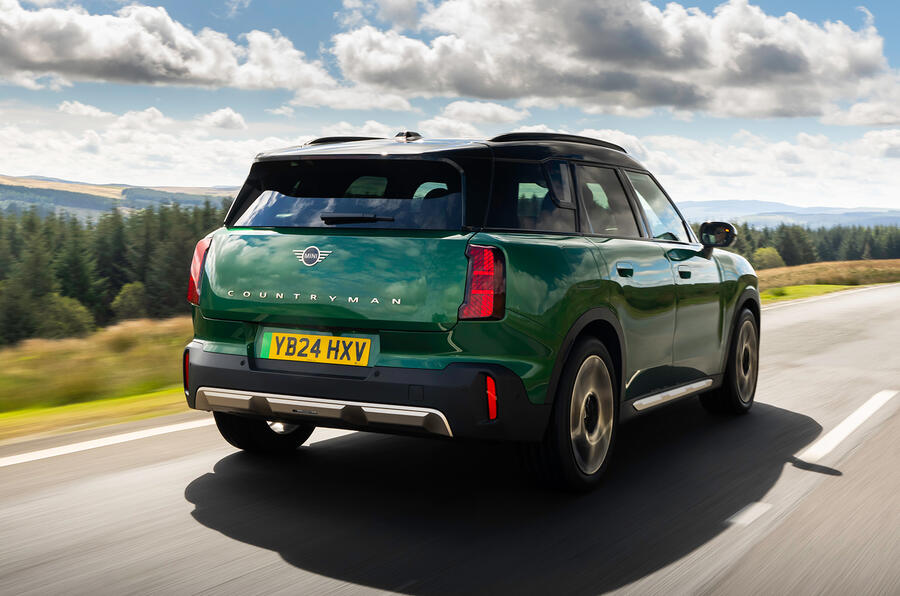
So, if you have a road trip in mind, then the MINI Countryman Electric is an ideal car in which to do it. It’s easy to drive, and it’s full of the sort of luxury materials and features that makes every journey just that little bit more special. On top of that, it has a huge amount of interior space for people and their belongings, and it has numerous systems that are constantly on high alert to keep everyone completely safe.
And of course, these features are just as relevant for everyday driving, whether heading out for some shopping, visiting a relative, or simply commuting to work.
The MINI Countryman Electric is simply a multi-talented vehicle that makes every journey a pleasure.
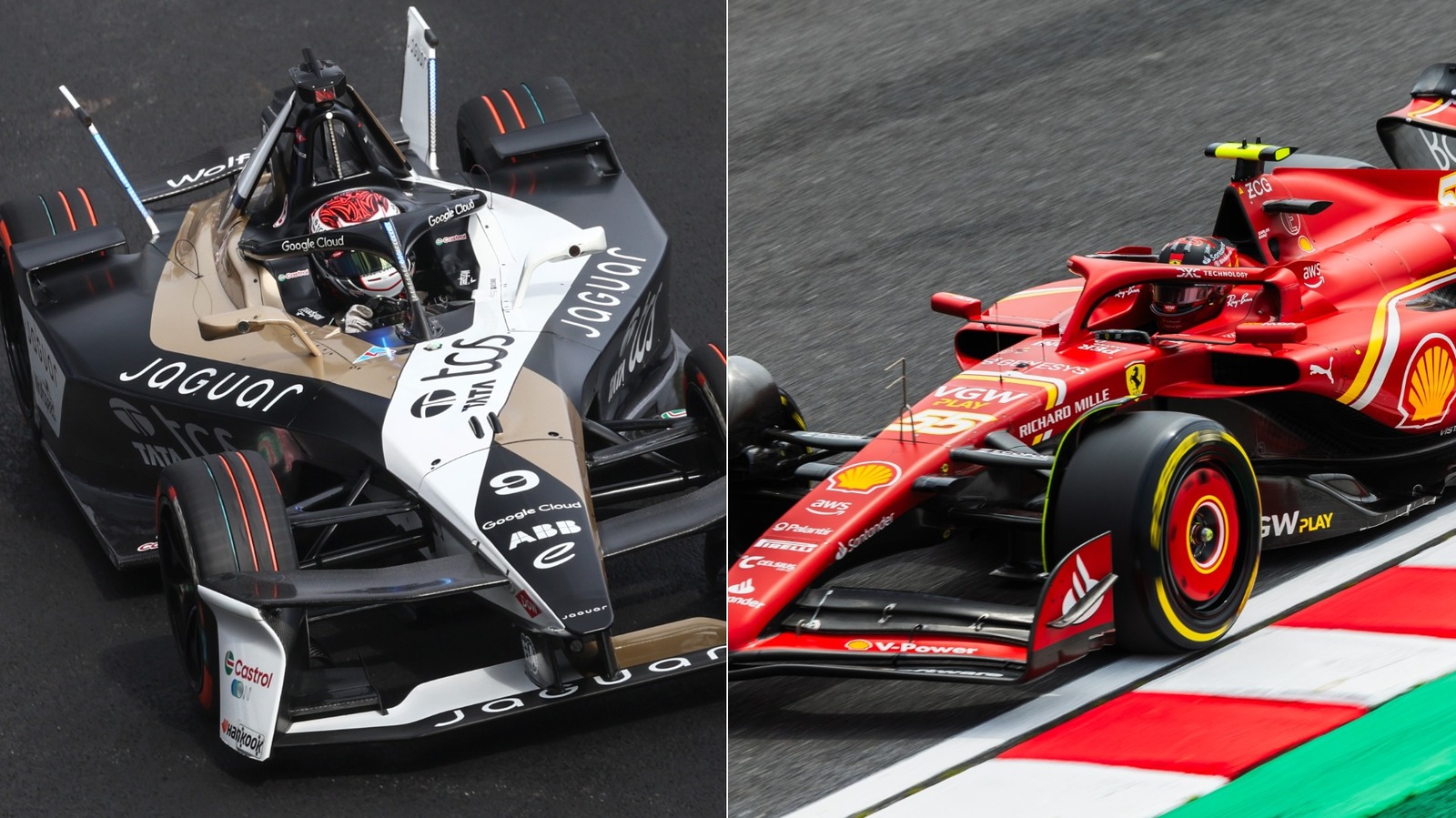
Is Formula E Really Catching Up to Formula 1?

UK New Car Sales Dip as Buyers Await Electric Car Grant Clarity and Price...
 Industry expects demand to pick up as more EVs are declared eligible for the ECG
The UK registered 5% fewer cars in July than in the same month last year, as the EV market stalled while buyers awaited clarity on which electric cars will be eligible for new government grants.
Some 140,000 new cars were registered last month, a dip that ended a two-month period of growth, but the industry is optimistic that the announcement of new government- and manufacturer-backed discounts for EVs will accelerate uptake and drive an increase in sales, and it is now expected the UK will register 1.9 million cars in 2025.
Growth in electric car sales slowed dramatically in July as customers waited to see which cars would be eligible for the government's new Electric Car Grant (ECG), which will reduce the price of some sub-£37k EVs by either £1500 or £3750, according to various criteria.
Registrations of pure-EVs were up 9.1% in July compared with the same month last year, to 29,825 units. That's significantly down on the 34.6% uptick in demand recorded over the first half of 2025 and made it the second weakest month of the year so far for EV registrations after April, when changes to car tax rules "distorted the market", according to the Society of Motor Manufacturers and Traders (SMMT).
News of the latest car sales figures, though, comes on the same day that the government has confirmed the first EVs eligible for the ECG will be Citroën's ë-C3, ë-C3 Aircross, ë-C4, ë-C4 X, ë-Berlingo and new ë-C5 Aircross - each eligible for the lower of the two discounts and so now £1500 cheaper at the point of sale.
The SMMT says further clarity on the models eligible for the grant, expected over the coming weeks, will be crucial as EV sales are still lagging well behind the trajectory of the zero-emission vehicle (ZEV) mandate. Currently, battery-electric vehicles (BEVs) hold a 21.3% market share, which is well behind the 28% EV mix manufacturers must achieve in 2025, "demonstrating the importance of accelerating uptake over the remainder of the year", said the SMMT.
However, as consumers await further confirmation of which cars and manufacturers will attract the ECG – a decision that hinges largely on the emissions of the country of manufacture – many brands have already started to slash prices themselves in a bid to shift EVs.
Alfa Romeo, MG, Volvo and Smart, for example, are among the makers who have applied £1500 discounts to some of their sub-£37k EVs, while cars including the Leapmotor C10, Hyundai Inster and GWM Ora 03 are now available with up to £3750 off.
SMMT boss Mike Hawes said July's figures lay bare "the new car market's sensitivity to external factors and the pressing need for consumer certainty".
He added: "Confirming which models qualify for the new EV grant, alongside compelling manufacturer discounts on a huge choice of exciting new vehicles, should send a strong signal to buyers that now is the time to switch. That would mean increased demand for the rest of this year and into next, which is good news for the industry, car buyers and our environmental ambitions.”
July's EV decline is "expected to be temporary", said the SMMT, forecasting that EVs will account for 23.8% of the UK's forecasted 1.9 million new cars at the end of the year.
Elsewhere, sales of hybrids were down 10%, diesel's decline continued with another 7.9% drop – to just 8000 cars in July – and there was a 14.7% decrease in sales of pure-petrol cars, which accounted for 66,271 sales. Nevertheless, pure-combustion powertrains still make up more than half of the new car market.
Plug-in hybrids, meanwhile, are seeing something of a renaissance, with registrations up 33% to 17,489 - giving them an eighth of the UK market, and setting them on course to likely overtake other hybrids in the coming months.
There was a small uptick in business registrations, but as these accounted for fewer than 3000 cars in July, it was far outweighed by 3.2% and 6.5% dips in private and fleet registrations, respectively.
Tariffs Hit Home: Why Even American-Made Cars Aren’t Immune
Used Diesel Car Values Defy the Odds as New Supply Dries Up and Demand...
 The powertrain may be on the way out, but the value of some models have risen by more than 10%
The values of some used diesel cars are actually increasing despite the fading appeal of the powertrain in the new car market, say leading vehicle valuation experts.
In the first half of 2025, just 58,722 new diesels were registered, down 11.3% on 2024. This continues a decline that can be traced to 2017, amid the fallout from the Dieselgate scandal and concerns about future vehicle taxation and emissions penalties.
Diesel’s days appear numbered. Only a few car makers still produce diesel models – among them Audi, BMW and JLR (especially with the Defender) – and other types, such as petrol, hybrid and battery-electric vehicles, are experiencing rising demand.
For most diesel models, this is reflected in increased rates of depreciation, but, bucking this trend, some have actually increased in value over what they were worth a year ago.
For example, according to Cap HPI, a three-year-old diesel Honda HR-V with 60,000 miles is worth 11.3% more today than the same model was at the same point last year. In addition, the value of an equivalent Mercedes CLS has risen 8% and a Ford Mondeo 6.5%.
Explaining the figures, Dylan Setterfield, head of forecast strategy at Cap HPI, said: “There is still demand for diesel in the used market from both consumers and dealers, with fuel economy continuing to be a significant factor for high-mileage drivers.
“New [diesel] car volumes have been decreasing for some time, and this is translating into reduced used car volumes. We expect these reductions to be partially offset by the ongoing reduction in consumer demand and that prices will behave similarly to petrol [car prices] in the next few years.”
However, the market is experiencing wild valuation extremes and some models are instead depreciating at higher than expected rates compared with what they were worth last year.
Those suffering the biggest falls in value include the Ssangyong Korando 2.2D, with a three-year-old example with 60,000 miles worth 24.5% less. An equivalent Vauxhall Astra is down 20.2% in value and a Range Rover Evoque down 12.7%.
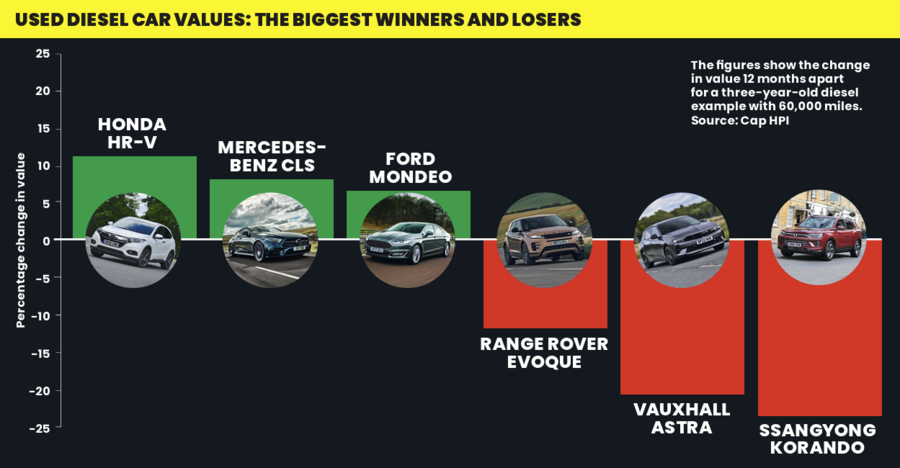
These losses are atop the models’ regular year-on-year depreciation. Setterfield said: “The Korando’s falls seem to have been caused by uncertainty and confusion in the marketplace as the brand transitioned from Ssangyong to KGM. Astra diesels with above-average mileage are now suffering increased penalties, while the Evoque’s figure can be explained by an increase in used volumes following a shortage of supply.”
Consumers unsure about buying a diesel are unlikely to be reassured by these wild extremes.
Fortunately, these cars aside, the bulk of the sector is actually quite stable, with the average three-year-old diesel worth just 2.1% less than its equivalent 12 months ago. The equivalent figure for a petrol car is 1.3% less.
At 12 months and 20,000 miles, their positions are reversed, with the diesel worth 1.4% less and the petrol 1.6% less.
Philip Nothard, insight director at Cox Automotive International, a vehicle auction and remarketing company, welcomed the return of stability to most areas of the diesel market.
He said: “After the highs of the immediate post-Covid years, when even two- to four-year-old diesels were worth 73% of their new price and ones less than a year old 98%, order is returning to the market. In 2023, diesel values fell at a steeper rate than petrol as sentiment shifted to the latter and, thanks to tax changes, to some extent also to EVs.
“The fall in the sales of new diesels that year means that today, there are only155,000 three-year-old diesels on the road. Values are sliding but just about holding firm, with two- to four-year-old diesels currently worth around 51% of their new price compared with petrol cars at 58%. Electric cars are worth around 36%.”
The shortage of used diesels and the stability of their values are reflected on dealer forecourts.
Motorpoint is a leading car supermarket and typically stocks around 5000 cars, most no older than four years. Currently, only around 350 of them are diesels and diesel hybrids. They include a 2023 Audi A4 35 TDI S Line S Tronic with 14,500 miles for £22,699 and a 2022 Ford Kuga 1.5 Ecoblue ST-Line X with 17,000 miles for £19,999.
Motorpoint Group CEO Mark Carpenter believes that although demand for diesels has fallen considerably, the declining number of new ones being produced means that used examples will soon be the only ones readily available to customers.
However, he doesn’t expect that any future increase in demand for them will necessarily trigger a steep rise in their prices.
He said: “While any uplift in demand for used diesel vehicles will have some impact on prices, with fewer new diesel cars on the road, used diesel stock will continue to get older, reducing its appeal for motorists wanting a nearly new car.”