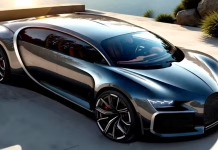
Vacuum Giant Dreame Unveils Bold Electric Hypercar to Rival Legends
MG 3 Faces Critical Safety Flaw After Euro Crash Test Reveals Seat Failure Risk
 Latching mechanism fails in frontal offset test, causing driver's seat to twist and increasing risk of injury
Europe's leading safety testing organisation has identified a “critical safety failure” with the driver’s seat of the MG 3, prompting an urgent update for the supermini.
In Euro NCAP's frontal offset crash test (in which 40% of the car’s front end collides with a barrier), it found the 3’s seat latching mechanism failed, causing the driver’s seat to twist during the impact.
This caused a more severe impact on the crash test dummy’s right leg than if the seat had remained in place, resulting in a "poor" score for protection of the driver's right femur.
Euro NCAP said it had never witnessed a failure of this kind in its 28 years of crash testing.
The organisation added that MG implemented changes to reinforce the latching mechanism in August.
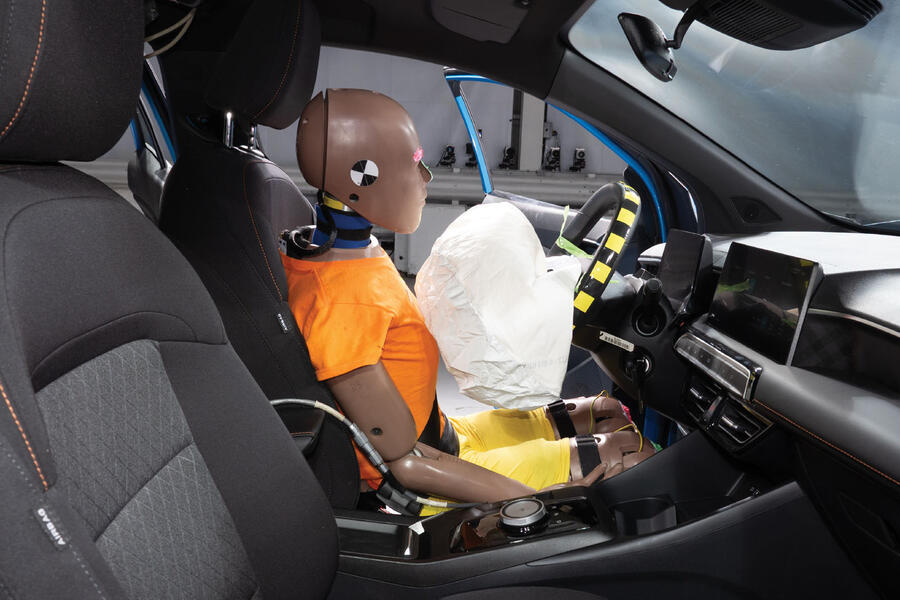
Euro NCAP also found that the driver’s head could "bottom out" through the airbag in a crash, meaning it graded the 3’s head protection as only adequate.
MG has promised to tweak the airbag in October, Euro NCAP said. However, the seat and airbag changes won't be applied to 3s that have already been delivered to customers since the model's launch last year.
Euro NCAP said it has reported the faults to type-approval authorities so that they can decide whether to issue a recall.
Autocar has contacted MG Motor UK for comment.
Following the findings, Euro NCAP said it will implement changes to how it scores crash tests; it doesn't currently have a mechanism for penalising cars in the event of component failures, so the 3 still scored four stars out of five.
“This is an almost unheard-of occurrence, but one that Euro NCAP will address through changes to our protocols and scoring so we can reflect any failure,” said Aled Williams, programme director for Euro NCAP.
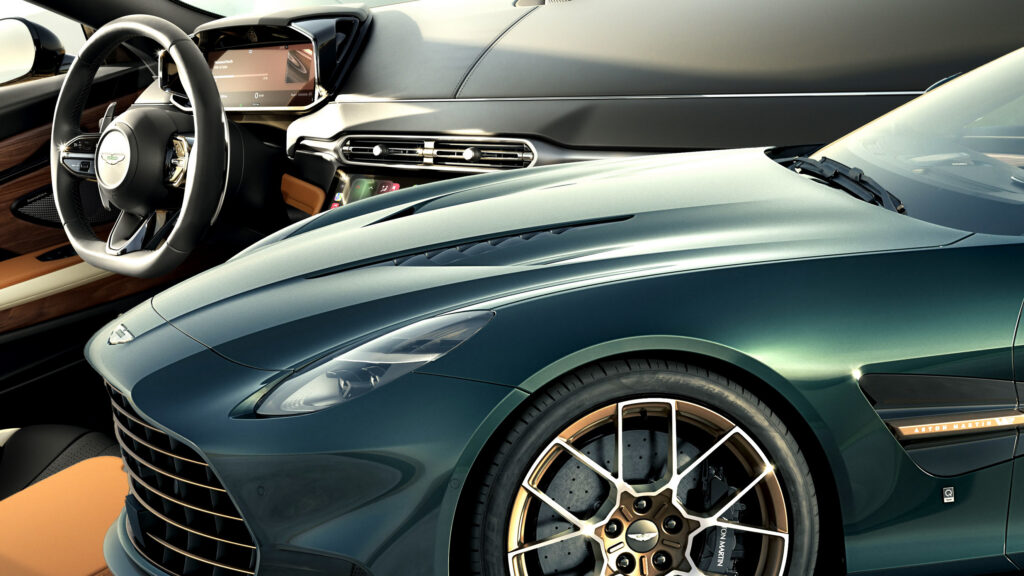
Aston Martin Unveils Ultra-Rare DB12 and Vanquish Convertibles for Volante’s 60th Anniversary
Volkswagen Group Accelerates Solid State Battery Revolution with Ducati Testing and 2030 Production Target
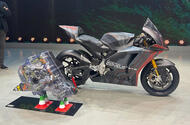 Company begins testing solid-state cells in radical Ducati motorbike; says it can be swapped into cars
The Volkswagen Group is aiming to have solid-state batteries ready for production by 2030, having started testing the breakthrough technology in a Ducati motorbike.
The first Group prototype to use solid-state cells is based on the Italian bike maker’s V21L MotoE racer – but the cells are designed to transfer into cars with minimal changes once the technology is ready.
Solid-state batteries promise greater energy density – giving manufacturers greater flexibility to increase an EV's range within the same battery footprint or to reduce its weight with a smaller pack without sacrificing range – as well as faster charging speeds.
Officially, the decision to trial the technology in a bike was taken because of the additional performance it promises, with Ducati CEO Claudio Domenicali calling it a “perfect fit”.
Indeed, the significantly greater energy density of a solid-state battery compared with a conventional lithium ion battery could be key to resolving the weight, range and packaging problems faced by electric motorbike manufacturers.
But testing the technology in the V21L – in which the battery pack is a stressed part of the chassis, likely facing much greater forces than in an electric car’s 'skateboard' chassis – could also yield important findings in improving the durability of solid-state cells.
This has been a significant roadblock in their development thus far: natural chemical processes create cracks inside the ceramic electrolytes of solid-state cells and these can be exacerbated by external forces.
The Volkswagen Group said its battery-making spin-off PowerCo and solid-state battery company QuantumScape are working to develop a commercially viable solution by the end of this decade.
It added that this solution will be based around its Unified Cell, a new prismatic cell design that will first be used by the Electric Urban Car Family – the Cupra Raval, Skoda Epiq, Volkswagen ID Polo and Volkswagen ID Cross.
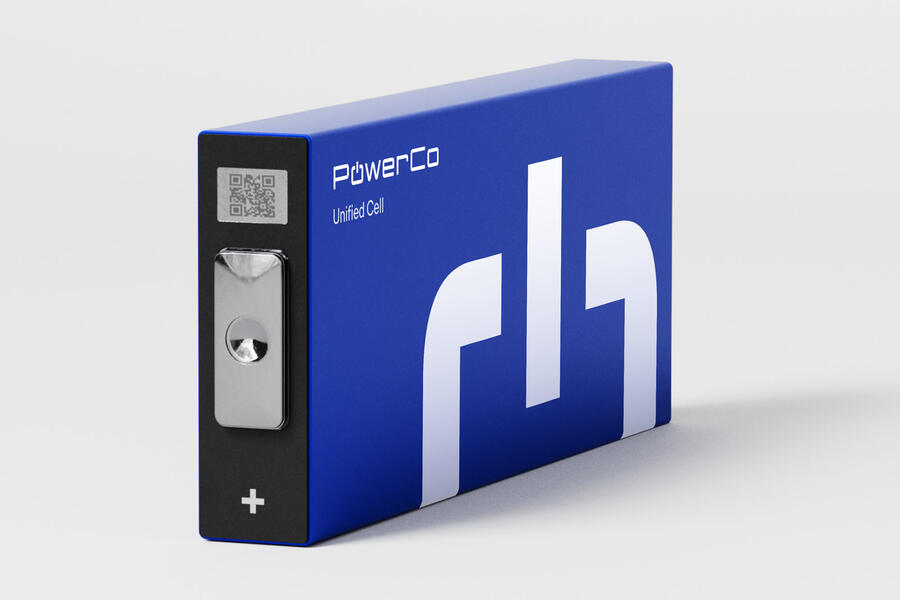
That would allow the solid-state cells to be swapped into existing models’ battery packs without significant modifications to the packs themselves.
The Unified Cell has been designed for use across 80% of the Group’s future electric models, suggesting a production car powered by solid-state cells could become available soon after the technology itself has been readied.
The Volkswagen Group is unlikely to be first to offer the technology, however. Nissan previously said it will launch its first solid-state EVs in 2028 and several Chinese manufacturers (including MG) already sell EVs fitted with semi-solid-state batteries, which have a significantly reduced liquid content compared with typical lithium ion equivalents. Mercedes-Benz is also testing an EQS with a solid-state battery that's said to boost its range by 25%, to more than 620 miles.
Audi’s Bold New Electric Sports Car Breaks Cover for 2027

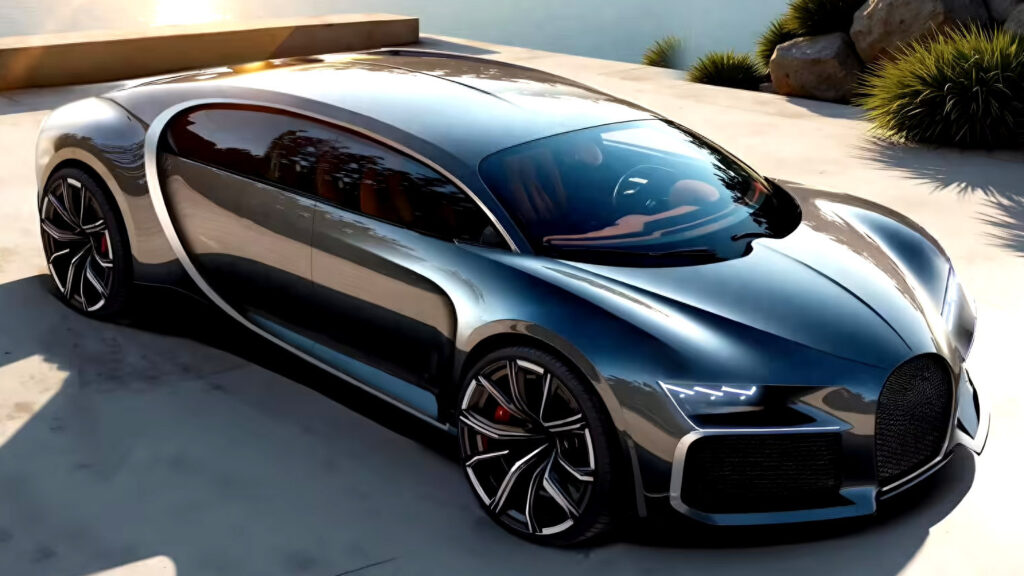
Chinese Tech Giant Dreame Plots German Hypercar Factory to Challenge Bugatti with Record-Breaking Electric...
 Vacuum cleaner brand to enter EV ranks with Bugatti-rivalling hypercar, which could be built in Germany
Chinese start-up Dreame Auto is considering establishing a manufacturing facility near Tesla’s Berlin Gigafactory, Autocar has learned.
The move, if confirmed, would make Dreame Auto the first Chinese car brand to establish production activities in Germany.
The news follows the announcement at the end of August that the newly established division of Dreame Technology is planning to enter the automotive ranks with financing to be handled by French banking giant BNP Paribas.
Dreame Auto is the automotive division of Dreame Technology, a major global player in electric home appliances, primarily known for its vacuum cleaners.
The parent company boasts a significant existing global presence, selling products at more than 6000 retail sites in more than 100 countries.
Dreame Auto has already assembled a team of nearly 1000 employees. The workforce is claimed to combine R&D personnel from Dreame's consumer electronics business with those from the automotive manufacturing sector.
In a statement of intent, Dreame has announced that its first car will be an "ultra-luxury pure-electric product" positioned to compete with hypercars like the Bugatti Chiron as the world’s fastest road car, with a debut scheduled for 2027.
The move makes Dreame, founded in 2017, the latest in a growing list of Chinese tech companies to enter the EV ranks, following Xiaomi, Skyworth, Huawei, Roborock and Baidu.
But Dreame’s target of redefining the limits of road car performance – in direct competition to long established brands such as Bugatti, Ferrari, McLaren and others – marks a particularly audacious start.
The new Chinese hypercar will reportedly draw on Dreame’s proprietary high-speed electric motor technology, developed in-house for its consumer devices.
The firm has expertise in manufacturing compact motors design to operate at more than 200,000rpm - experience that its founder and CEO, Yu Hao, said will translate directly into the high-power demands of motor performance at the hypercar level.
“Our dream is to create the fastest car in the world,” read an internal letter issued to employees on Thursday. “Great dreams are born from fearlessness.”
Dreame’s technological credentials extend beyond motors. The firm has commercialised vision recognition systems, AI-based path planning and spatial modelling - all developed for its robot vacuums.
As of the end of 2024, Dreame had filed more than 6300 patents globally. Many of them relate directly to competencies common in the EV field.
In preparation for its transition from consumer electronics to the automotive field, Dreame has hired a number of senior executives from established car manufacturers, covering areas such as research and development, production engineering and quality control.
While no technical specs or platform details for the hypercar have yet been disclosed, Dreame said it's pursuing a dual-track development approach: combining its rapid-cycle consumer technology culture with automotive-grade engineering standards.
The approach mirrors that of Dreame’s key robot vacuum rival, Roborock, which launchd its first production electric car, the 01, through its Rox automotive division in China in 2023.

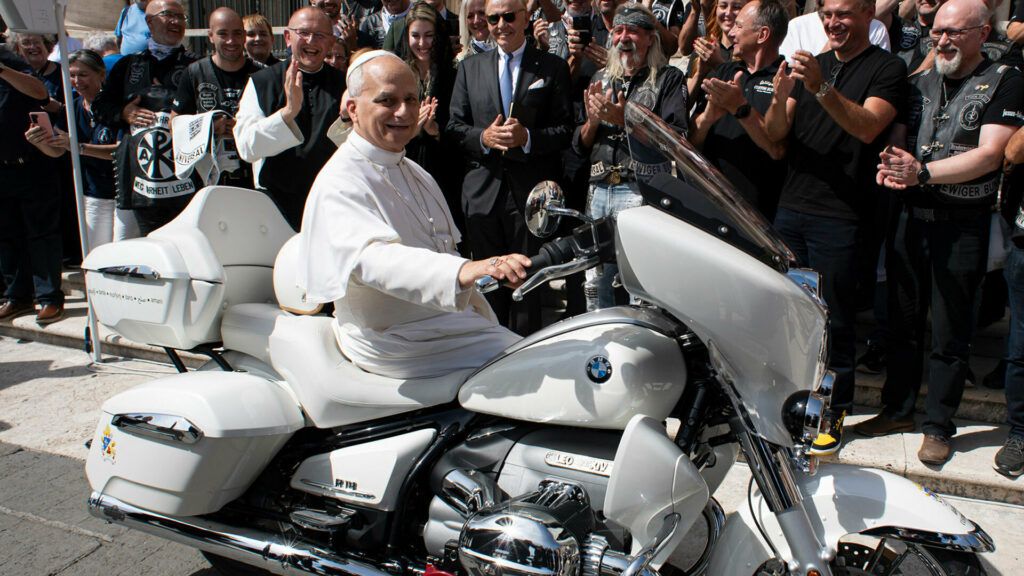
Pope Leo XIV Blesses Custom BMW Motorcycle for Charity Auction Benefiting Madagascar Children

Munich Motor Show Highlights Audi A2 Efficiency and the Future of European Cars
 This week Matt Prior and Steve Cropley talk about the Munich Motor Show, European-made cars and more
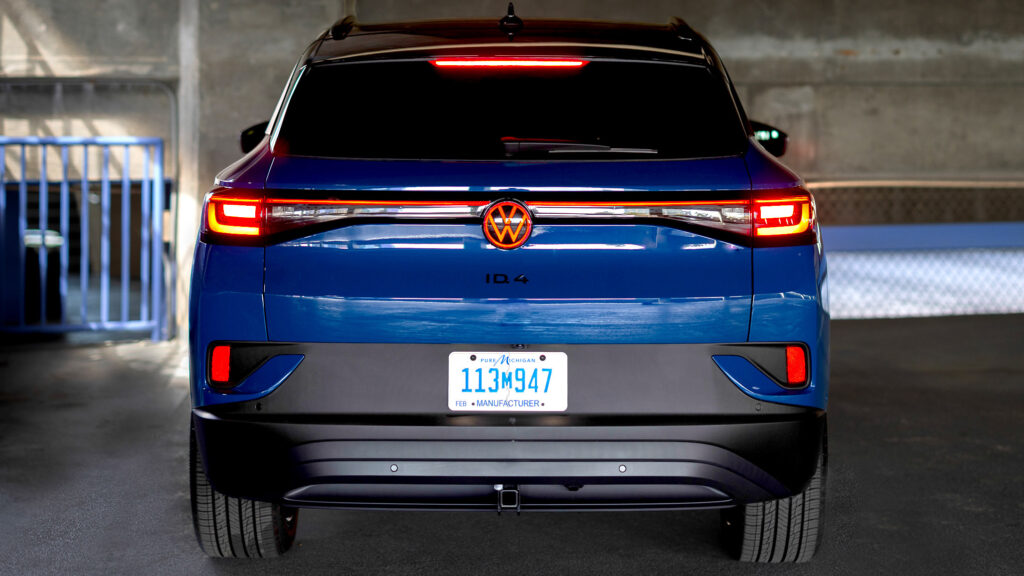
Volkswagen Unveils Bold Black Package for 2025 ID.4 Ahead of Major 2026 Redesign

Mackinac Bridge Antique Tractor Parade Celebrates Michigan’s Farming Heritage