iCaur: The New Electric Off-Roader Set to Hit UK Roads

Chery will bring this electric 4x4 to the UK as the iCaur V23The Chery-owned brand will be renamed iCaur outside of China to avoid a legal clash with Apple
China car maker Chery will bring its electrified off-roader brand iCar to the UK next year as part of a global sales push.
The brand will be renamed iCaur for models sold outside of China to avoid a clash with Apple, which owns the iCar name.
The line-up will include the brand’s chunky V23 small electric SUV, launched in China last year.
Top-end models use a four-wheel-drive setup (via twin electric motors) with a power output of 208bhp, drawing energy from a 82kWh NMC battery for 311 miles of range.
The V23 will be followed at the end of next year by the 4.8m-long V25 SUV, which uses a range-extender EV drivetrain with a 1.5-litre turbo petrol engine.
In 2027, expect a small electric SUV dubbed V21 that will take on the Jeep Avenger.
A large V29 is also planned for a later date, although UK sales haven’t been confirmed.
iCar will open 2000 showrooms in 100 countries within three years as part of a wider Chery export push, CEO Su Jun said at the recent Shanghai motor show.
Chery already sells cars in the UK through its Omoda and Jaecoo brands, which have grown rapidly since their launch last year to record a combined 6430 sales in the first three months of the year, ahead of Suzuki, Jeep and Fiat.
The duo will soon be joined by a new Dacia-rivalling brand called Lepas.
iCar was established in 2023 as a smart EV brand with a planned range of body types including a sports car and a people carrier, but it has since focused on chunky off-roaders.

Lamborghini’s Rare Gem: The Gallardo LP550-2 Balboni and Its Auction Struggles
Trust Your Gut: The Unexplained Reasons Behind Our Car Preferences

Reviving a Legend: Santana’s New Off-Road Hybrid Pick-Up Truck Emerges from Spanish Roots
 Firm will build new plug-in hybrid pick-up truck "designed for off-road enthusiasts" at old Linares factory
Spanish 4x4 manufacturer Santana has been revived with the backing of Chinese firm Zhengzhou Nissan, a joint venture of Nissan and Dongfeng.
Santana said it has worked with Zhengzhou Nissan and Chinese firm Anhui Coronet Tech on an “entirely new vehicle” that will offer a choice of diesel and plug-in hybrid powertrains.
It will be built at the old Santana plant in Linares, Andalusia, and has been "designed for off-road enthusiasts", suggesting it will rival the Ineos Grenadier Quartermaster.
Further details remain under wraps, but teaser images posted to the company’s website suggest it's a chunky, high-riding pick-up truck, most likely based on the Nissan Frontier Pro that was unwrapped at last week’s Shanghai motor show.
That PHEV model matches a turbocharged 1.5-litre petrol four-pot with a single electric motor for combined outputs of 402bhp and 590lb ft of torque.
It can be driven for up to 84 miles under electric power alone, albeit according to the lenient range tests used in the Chinese market.
Santana plans to unveil a full model range later this year.
The original Santana company was established in 1956 and, two years later, started producing Land Rovers in Spain under licence.
It was granted the right to launch its own variants of Land Rover models in 1980, spawning models such as the Ligero and PS-10.
It partnered Suzuki in 1985 and thereafter built versions of the Samurai, Jimny and Vitara under licence.
Between 2007 and 2011, it built a restyled version of the PS-10 for Iveco, named the Massif. Sales fell short of expectations, however, so Iveco terminated the deal, effectively killing Santana. The firm went into liquidation in 2011.
Santana isn't the only Spanish brand to have been revived with Chinese backing recently. Former truck maker Ebro has returned with the backing of Chery and now produces rebadged Tiggo SUVs at a former Nissan factory in Barcelona.
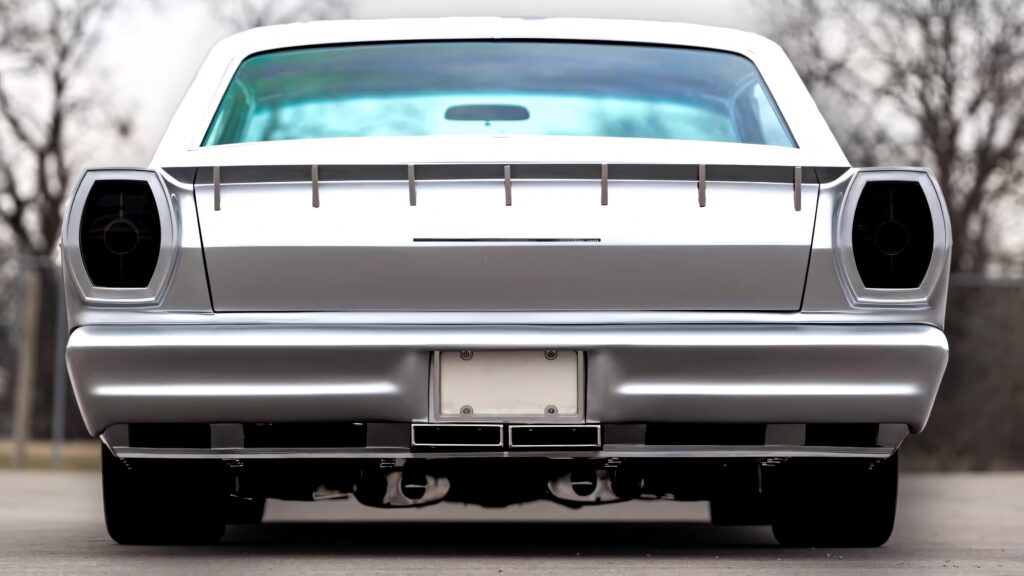
Reviving a Classic: The Stunning Transformation of a Ford Galaxie 500

Navigating Uncertainty: The Shifting Landscape of the Auto Industry


Parking Payment Shift: Are Apps Leaving Drivers in a Bind?

Image: Matt Cardy/Getty ImagesWithdrawal of coin-operated machines in main UK towns and cities leaves apps as sole option
Coin-operated onstreet parking machines are being decommissioned in favour of smartphone apps, despite complaints by some drivers that parking apps are expensive and unreliable.
The latest area to be hit is Guildford, which, in the past month, has had two-thirds of its town centre parking machines disabled, with notices taped to them advising motorists to pay using the RingGo app.
Surrey County Council said the decision was due to ageing machines, adding: “It costs more to collect cash and maintain many of the machines than they collect in income.”
However, not all motorists are happy. Autocar spoke to one driver as she struggled to use one of the new machines in the town. “My phone can’t establish a connection [to the RingGo app],” she said. “I’m already late for an appointment and don’t have time to waste trying to buy a ticket. I expect I shall be fined.”
Later at the same machine, an elderly couple were also unhappy about the change. “We don’t like downloading and using apps and would much rather use coins or contactless payment,” they said. “At least we have a smartphone. Many of our friends don’t. We will have to find another parking space.”
In response, Surrey County Council said the connection issues were “isolated” and “motorists who would like to pay with coins are able to park in alternative locations”.
In contrast, Brighton and Hove City Council is considering whether to recommission the 12 contactless payment machines it had switched off in its city centre last year.
It recently concluded a three-month trial of the recommissioned machines, and feedback from drivers has indicated that they are more popular than paying by apps.
Speaking to BBC Radio Sussex, Joyce Collins, 90, said: “I don’t know anything about apps. I don’t take my car into the city especially because I don’t know about the parking.”
Another local resident, Christina Westwell, said: “If we have to use an app, we just drive off. I don’t want to have to go online.”
A spokesperson for the AA said parking apps are not popular with many of its members, adding: “They prefer to pay using chip and pin and get angry with parking apps that won’t connect or carry extra charges. Councils make it difficult to pay then make it more expensive to pay. It’s a real mess.”
In 2023, RingGo generated a record £30 million in parking fees. The money came from the fees it charges councils for managing payments.
The company is one of many app-based parking firms that also include JustPark and PayByPhone.
In an effort to simplify cashless parking, the Department for Transport (DfT) recently created the National Parking Platform. Currently still being trialled, it unites five apps under one system and today handles almost 500,000 parking transactions per month in 473 UK locations.
Replying to criticisms of parking apps, the DfT said: “The government inherited an extremely challenging financial picture, but we are fixing the foundations, which includes making decisions about how to deliver projects where the gap between promised schemes and the money available has become clear.”

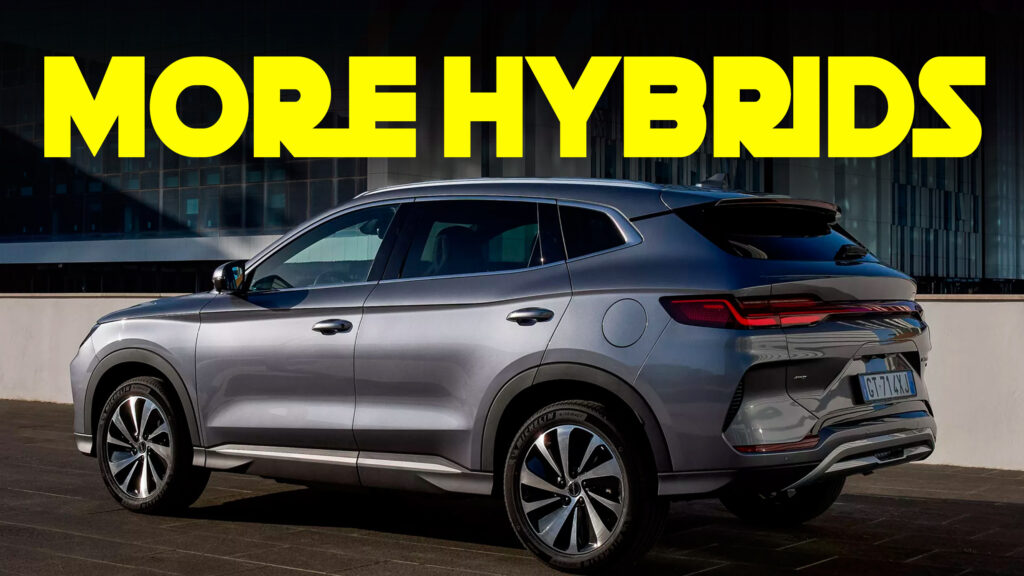
BYD Expands European Reach with New Plug-in Hybrids Amid EV Hesitance

Embrace the Charm of Vintage: Bentley’s Timeless Leather Revolution

Cybertruck Owner’s Controversial Gesture Sparks Backlash and Apology