Subaru Eyes Electric BRZ Revival to Win Back European Sports Car Fans
 Japanese firm debating how to cater for Europe's strong enthusiast customer base
Subaru is considering a European return for the BRZ sports coupe in its third generation – and it could be electric.
Bosses have told Autocar it is part of a wider debate in how to return to the European sports car segment in a bid to cater to the strong enthusiast customer base.
The brand has not offered a performance car on the continent since the first-generation BRZ in 2020. While that car’s second generation was launched in markets such as the US and Japan in 2024, only its Toyota GR86 twin came here – and strict European emissions and safety regulations meant it was only sold in limited numbers.
But, Subaru’s European boss David Dello Stritto said that the nameplate could return to Europe in the form of an EV. “Our options are open,” he told Autocar.
His comments were backed by the brand's global EV product boss Inoue Masahiko. Speaking to Autocar, he confirmed that an electric version of the BRZ “was under consideration” and had also been heavily looked at in the past with its long-term partner Toyota.
However, he added that the timing needed to be right: “We did consider electrifying the BRZ and GT86, but the win-win relationship is more important, and for the moment we can’t get the kind of benefits for both sides.”
The Japanese brand has teased the idea of an electric sports coupé with the chunky, high-riding Subaru Sport Mobility concept of 2023.
Subaru is currently on an all-out offensive in the family car market with a line-up that consists of the Crosstrek, Outback and Forester, as well as the new electric Uncharted, E-Outback, and updated Solterra.
Stritto said for any sports-focussed models to come to Europe, these need to first perform – especially the Uncharted. “We feel very positively about Subaru enthusiasts, but we need to see how Uncharted does first,” he said.
Asked if the current BRZ could instead come to Europe with an electrified powertrain, Masahiko said it “would be difficult” due to the car’s packaging limitations, and that an electric version would be “easier” to develop.
From a business perspective, Stritto said that bringing “100 examples to Europe” of the current BRZ – following the limited-run GR86 – wouldn’t make long term sense.
Ram 1500 TRX Roars Back With Supercharged V8 Power and Bold New Upgrades

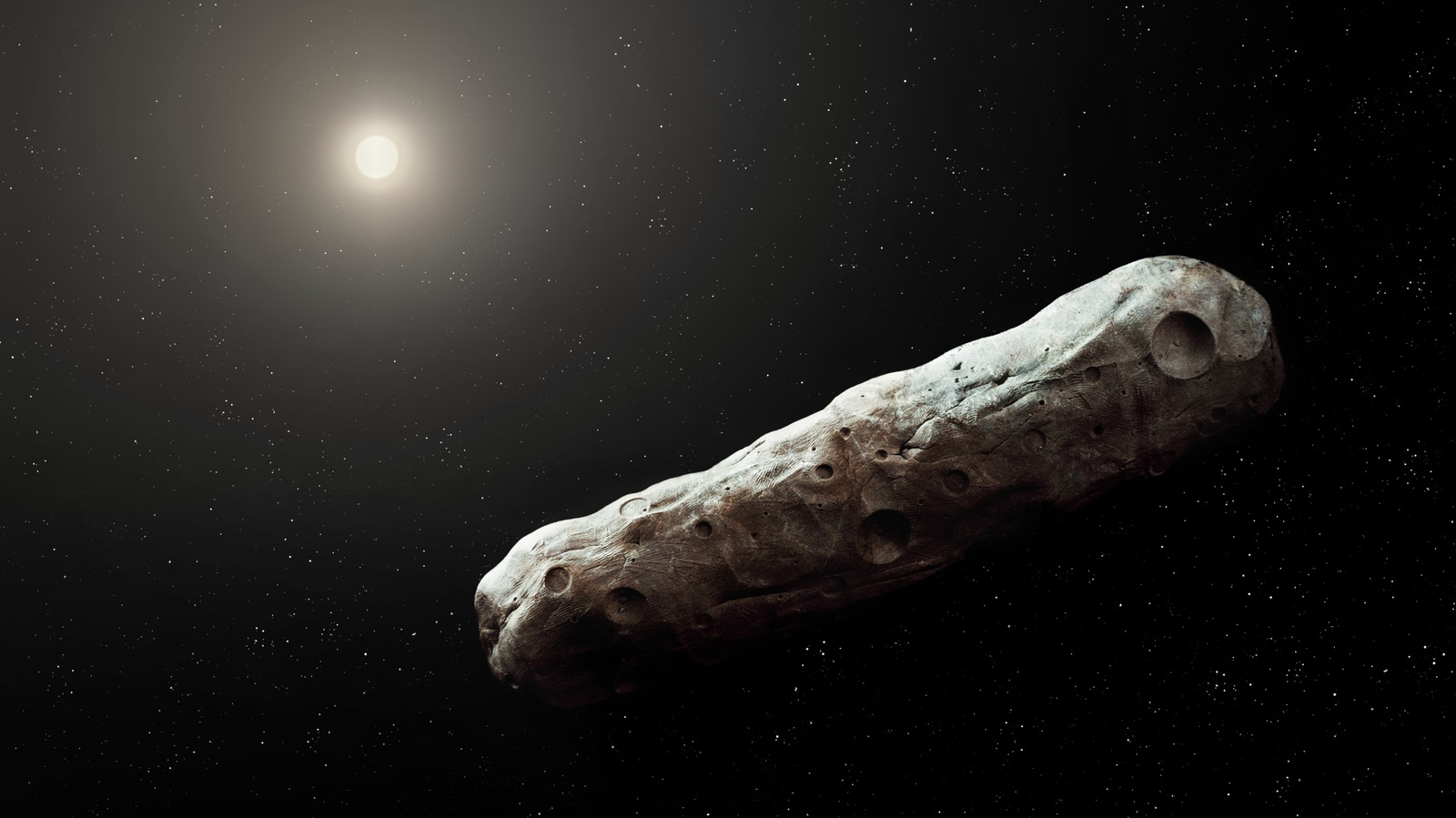
Are We Really Facing an Alien Invasion This November? Here’s What Experts Say
Maserati Eyes Plug In Hybrid Future as Quattroporte and Levante Embrace Electrified Evolution
Next Alfa Giulia could provide the basis for a next-generation QuattroporteTie-up with Alfa Romeo could add PHEVs to Maserati range – potentially saving the Quattroporte
Maserati is considering adding plug-in hybrid powertrains to its line-up as it bridges the gap between ICE and EV power - and a next-gen Quattroporte hybrid is tipped to be among the new electrified models.
Currently the firm has three powertrain types spread across its three model lines: pure-V6, mild-hybrid turbo four-cylinder, and pure-electric. But CEO Santo Ficili told Autocar the company needs to offer its customers “all the possibilities” of propulsion as it gears up to go electric.
"What’s sure is that we need to talk with our customers, because they are a bit confused at this time,” he said. “You can imagine: PHEV, BEV, mild hybrid… We need to stay in touch with our customers.”
Ficili added: “I don’t know when we will go totally BEV. For sure in the future, but I don’t know when automotive will go in this direction. It’s a question of timing. In the middle, we need to consider MHEV and PHEV engines, depending on the development of the technology we want to follow.”
Maserati’s current cars are based on platforms that would not readily accommodate plug-in hybrid powertrains, but sibling brand Alfa Romeo is poised to launch a new Stelvio SUV (below) and Giulia saloon on Stellantis’s new STLA Large platform, which can accommodate ICE, EV and hybrid drivetrains.
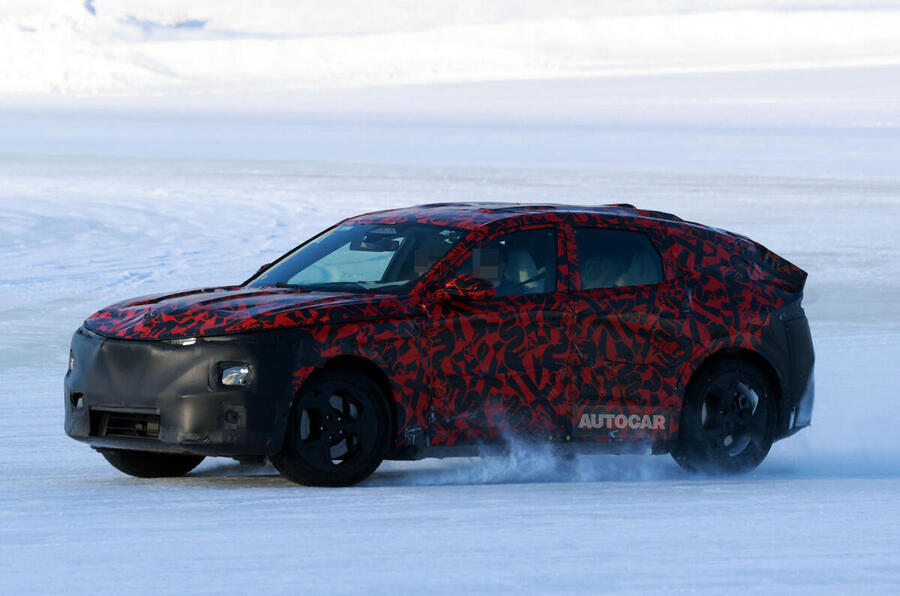
Ficili suggested that Maserati would also use the flexible STLA structure for future models and said a push for “synergies” between the two Italian manufacturers could mean their cars become more closely related. That opens the door for the next Giulia and Stelvio to provide the basis for a new Quattroporte and Levante respectively, with the choice of EV and hybrid power.
Maserati was due to launch a new Quattroporte saloon this year as its first electric-only model, but last year it announced the seventh-generation car had been pushed back to 2028 due to “the need to take zero risks on the performance level”. Development is understood to have been roughly half complete.
Twinning the next Quattroporte with the new Giulia, which is due next year as a BMW 5 Series rival with EV and ICE options, could speed up the development of Maserati’s saloon, with R&D costs drastically reduced as a result.
Similarly, if Maserati tapped the next Stelvio to provide the basis for a second-generation Levante, it could quickly re-enter the popular sports SUV market and offer the same choice of petrol and EV power as the big-selling Porsche Cayenne.
Ficili added there was a need “to keep the two brands separated” in terms of positioning, but there were opportunities for the two to share “platforms, electronic architectures, software and probably powertrains”.
He stopped short of confirming plans to align the two brands’ line-ups more closely, but did hint that the two firms would collaborate on a pair of ultra-exclusive supercar flagship models next year, which are likely to use a high-output pure-ICE powertrain and a manual gearbox.
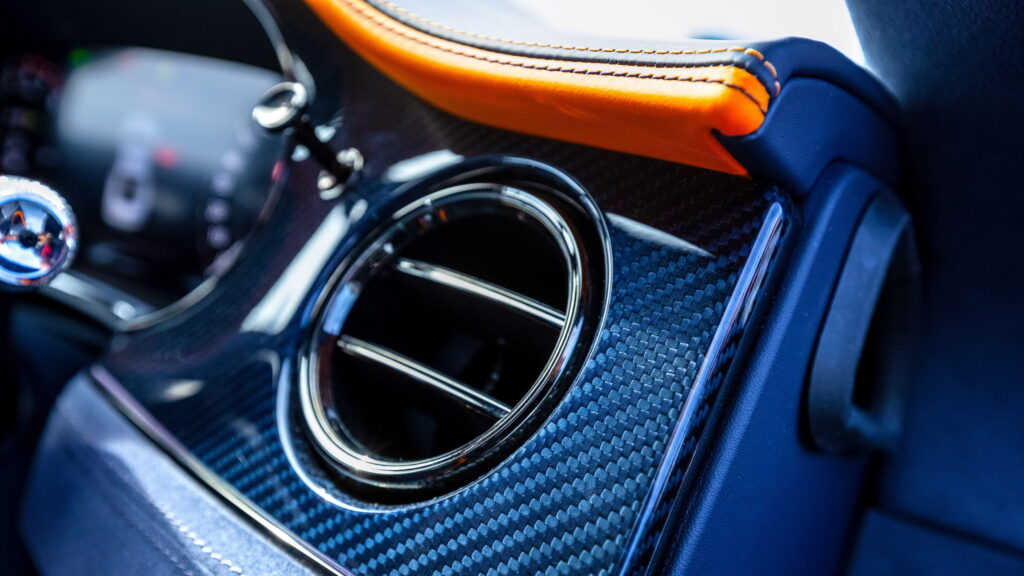
Bentley Unveils Next-Level Customization With Dazzling New Interior Options
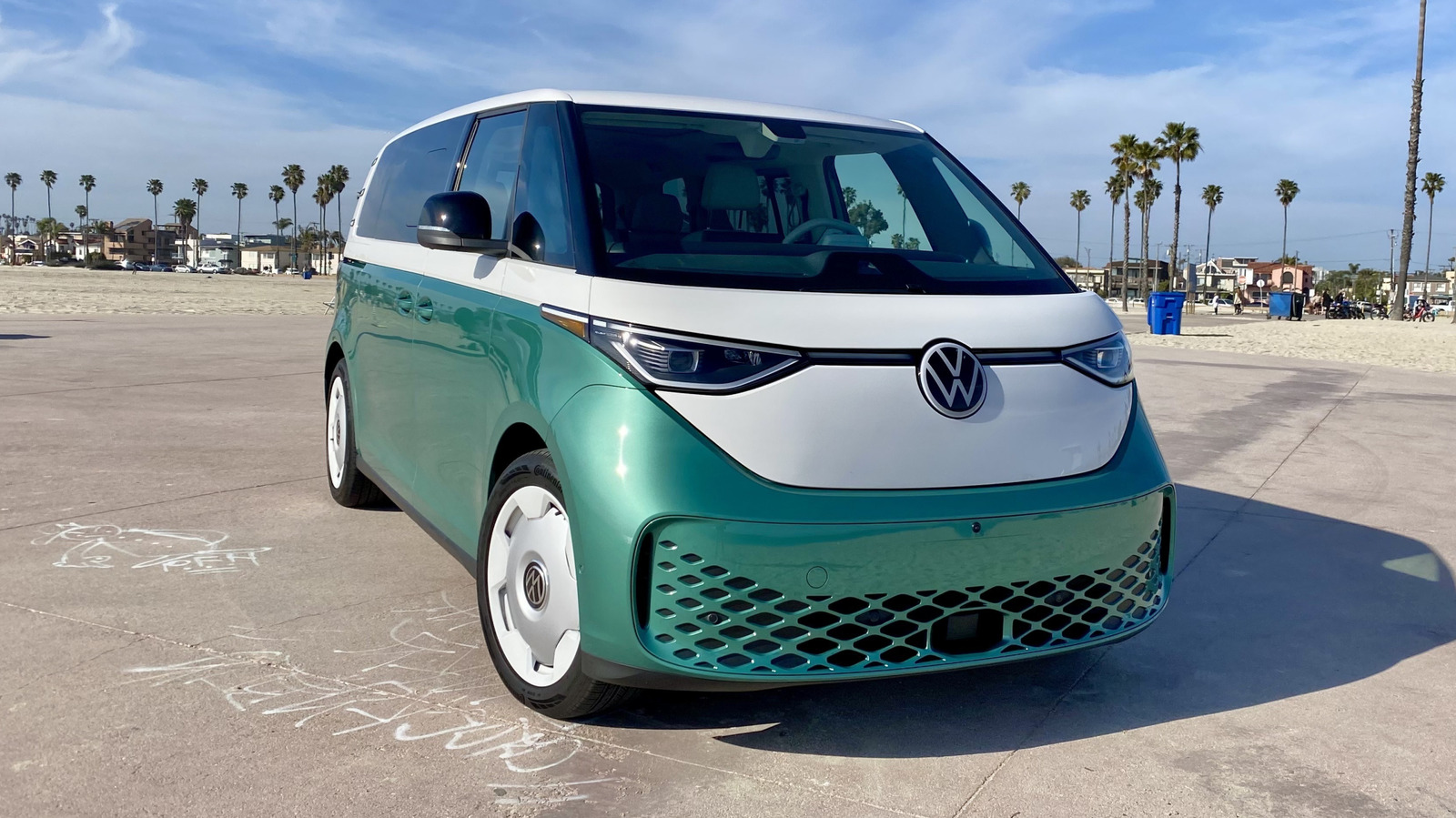
Why Replacing This Cabin Air Filter Is a Frustrating Nightmare
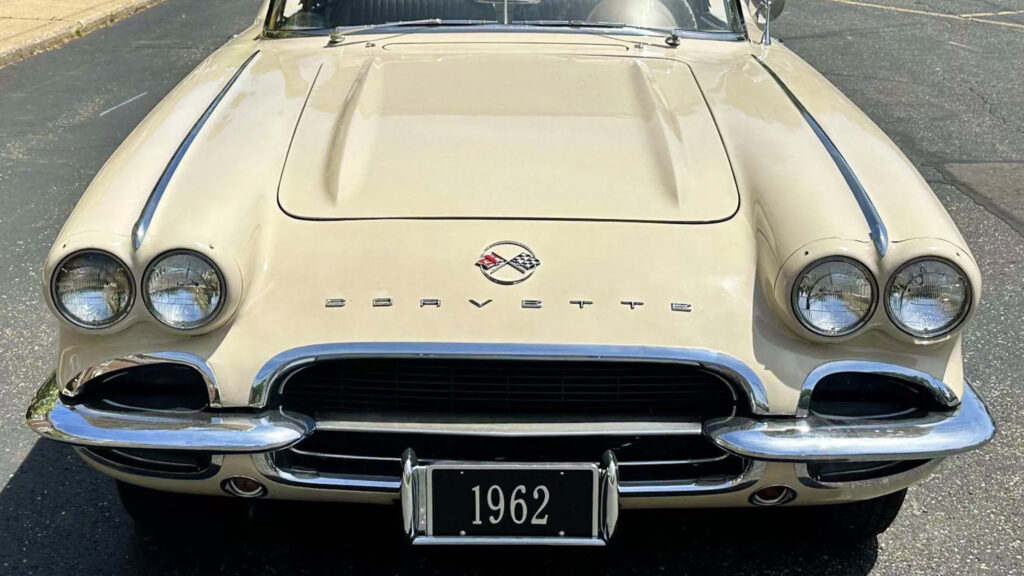
Classic Corvette Owner Battles Shocking Twin in High-Stakes VIN Showdown

Barbie Couture Visionaries Remembered for Transforming Doll Fashion

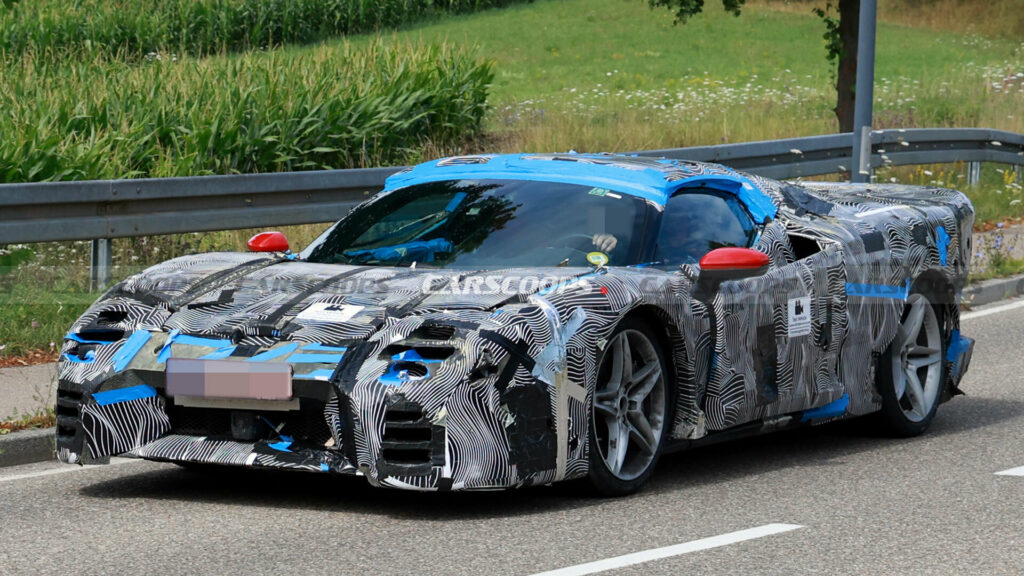
Ferrari’s Next Hybrid Supercar Breaks Cover With Over 1000 Horsepower
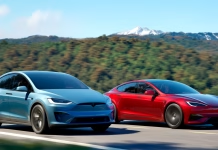
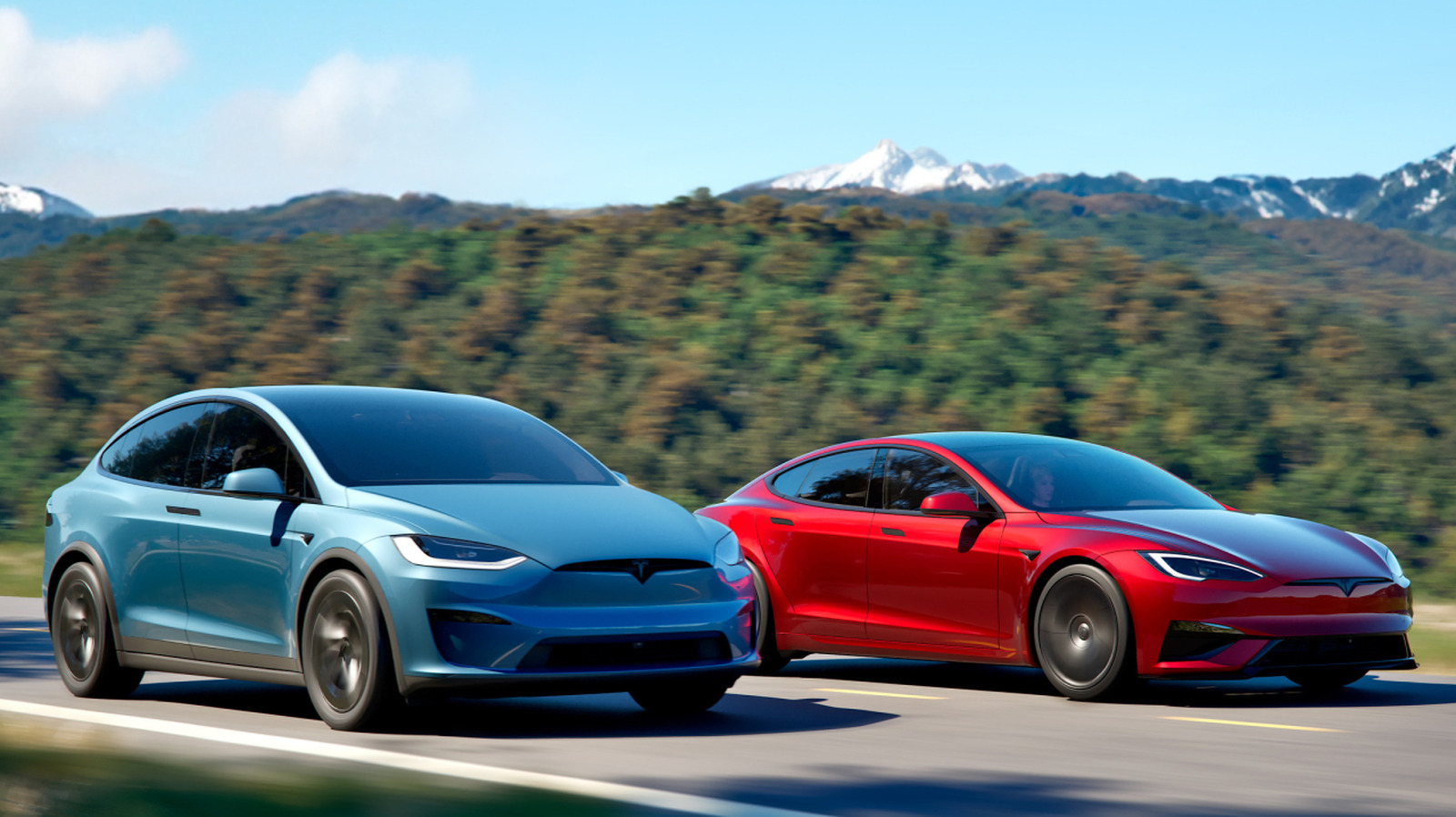
Tesla Halts New Model S and X Orders in Europe as Inventory Dwindles