Project Wilder Unleashes a 700 HP Classic Land Rover With Modern Luxury and Muscle

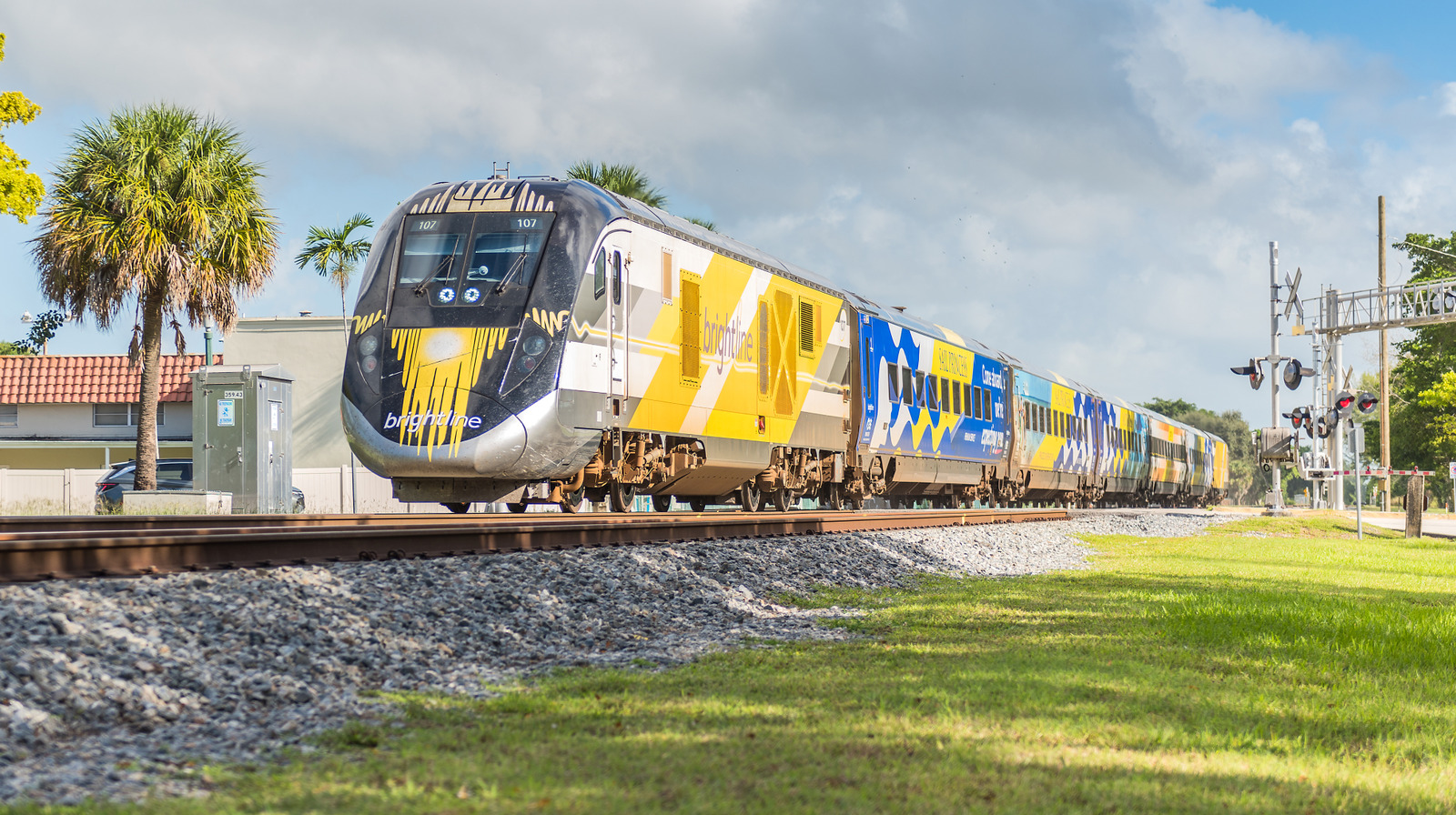
Brightline Train Deaths Exposed by New Investigation
Cupra Unveils Bold Concept Car Redefining Future Interior Design at Munich Motor Show
 Spanish brand will reveal show car at Munich motor show in September
Cupra will showcase its future design language with a new concept car at the 2025 Munich motor show.
To be unveiled on 8 September, the show car is expected to focus heavily on the future of Cupra’s interior design.
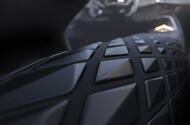
The preview picture released by the brand shows a radical new cabin similar to that of the DarkRebel concept shown in 2023. It includes a yoke-like wheel, chunky central spine similar to the electric Tavascan, and what appear to be racing seats.
The brand said the concept will blend “human and machine, where the driving experience and emotions reach their fullest expression”, emphasising a focus on interior design.
Cupra has revealed little else about the concept, but it is also expected to show the next step in the Spanish firm's exterior design language.
The concept follows a major range-wide redesign last year in which the entire line-up was refreshed to bring parity between the new electric cars and older combustion models. The revamp mainly focused on the front end and included a prominent beak, a broader grille and triangular LED lights
The show car will be revealed alongside a camouflaged production version of the new Raval – Cupra’s Volkswagen ID 2 twin. The Raval will arrive in 2026 as the brand’s new entry-level model and a rival to the Renault 5. It is expected to be priced at around £25,000.
Tesla Unveils Model 3+ in China With Record-Breaking Range to Tackle Fierce EV Competition
Chery Launches Tiggo 7 and Tiggo 8 SUVs in UK With Hybrid Power and...
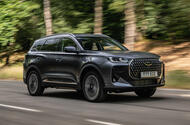 Brand announces its complete launch line-up; Tiggo 7 gets petrol and PHEV options
Chinese giant Chery has confirmed its UK launch line-up will comprise the Tiggo 7 and Tiggo 8 SUVs, with the former priced from £24,995.
The Tiggo 7 is positioned as a Dacia Bigster rival, offering the choice of pure-petrol or plug-in hybrid power.
The turbocharged 1.6-litre petrol unit puts out 145bhp and 203lb ft, giving a 0-62mph time of 9.4sec.
The PHEV, priced from £29,995, employs a 1.5-litre petrol engine with two electric motors (one per axle), and an 18.3kWh lithium-iron-phosphate (LFP) battery supplied by CATL. The set-up combines for outputs of 201bhp and 269lb ft, giving a 0-62mph sprint time of 8.5sec. It can drive 56 miles under electric power alone and emits 23g/km of CO2, placing it in the 9% benefit-in-kind tax band for company car users for 2025-2026.
Two trim levels will be offered, named Aspire and Summit. The former is the entry level, bringing synthetic-leather upholstery, dual-zone air conditioning, adaptive cruise control and a six-speaker Sony sound system. Summit upgrades the stereo to eight speakers and adds ventilated front seats, a heated steering wheel and hands-free boot opening.
Both get two 12.3in displays – one for instrumentation, and the other an infotainmet touchscreen.
It comes after Chery last week confirmed it will bring the seven-seat Tiggo 8 to the UK, too.
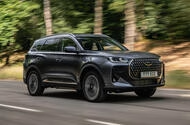
The Tiggo 8, pictured below, brings the same powertrains, but prices have yet to be disclosed.
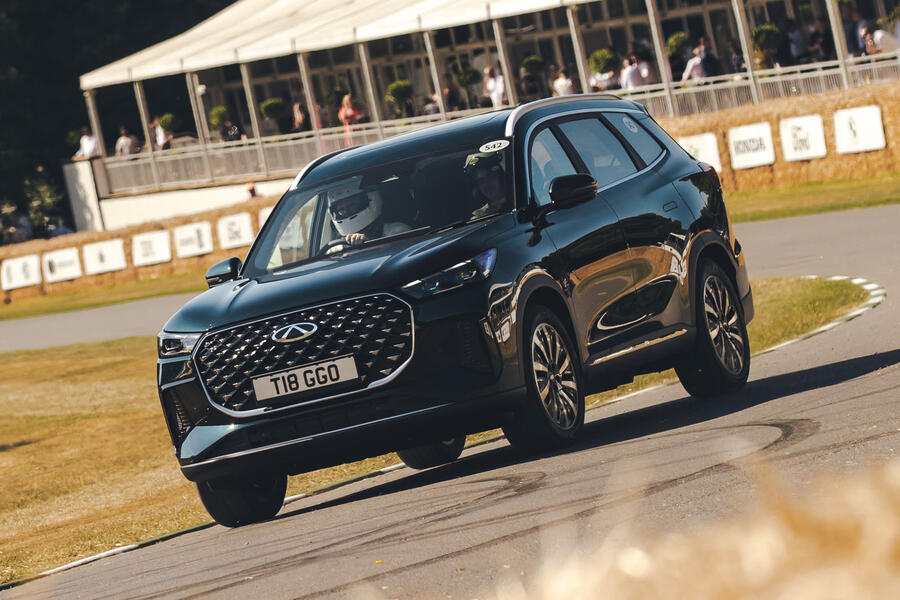
Both cars get a seven-year, 100,000-mile warranty.
Chery's decision to bring its self-named brand to the UK means it will have launched five marques here. Omoda and Jaecoo were first to arrive in 2024, and the value-focused Lepas and off-road-biased iCaur (known as iCar in China) brands are due in the coming months. Chery is also the driving force behind the revival of Freelander with JLR.
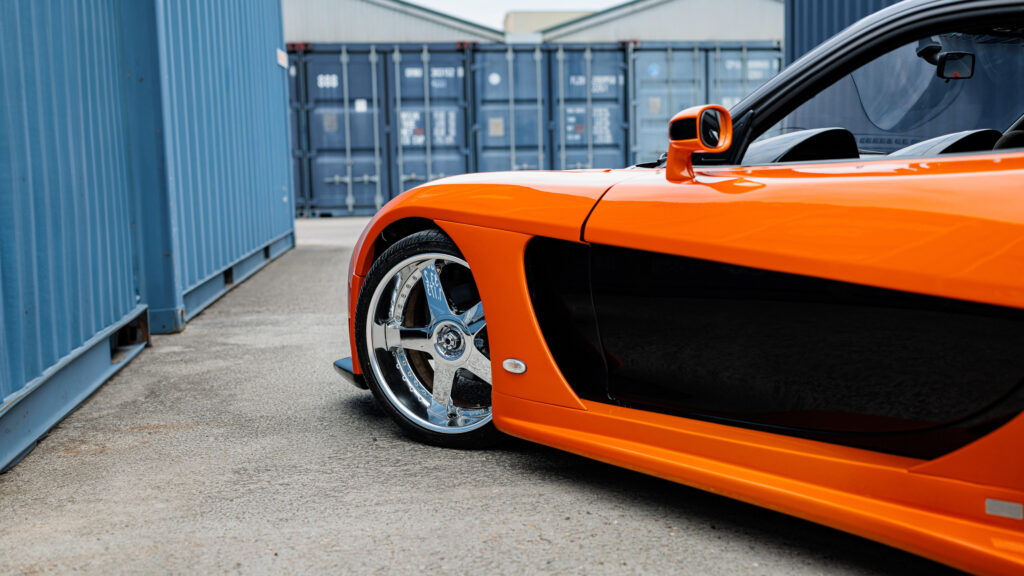
Tokyo Drift Legend Mazda RX-7 Sells for $1.22 Million as Ultimate Movie Car Icon

New Tax Break Lets You Deduct Up to $10,000 in Interest on American-Made Car...

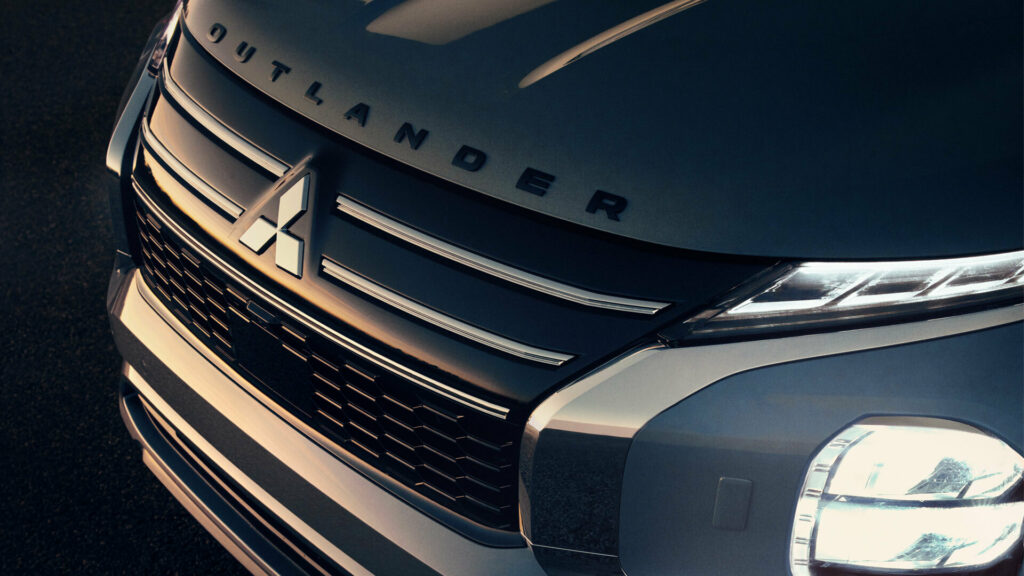
Mitsubishi Revamps 2026 Lineup with Hybrid Outlander and Bold New Features

Senator Proposes Law Requiring Military Aircraft to Keep Flight Tracking Active


2026 Subaru Crosstrek Debuts With Hybrid Power and Upgraded Features