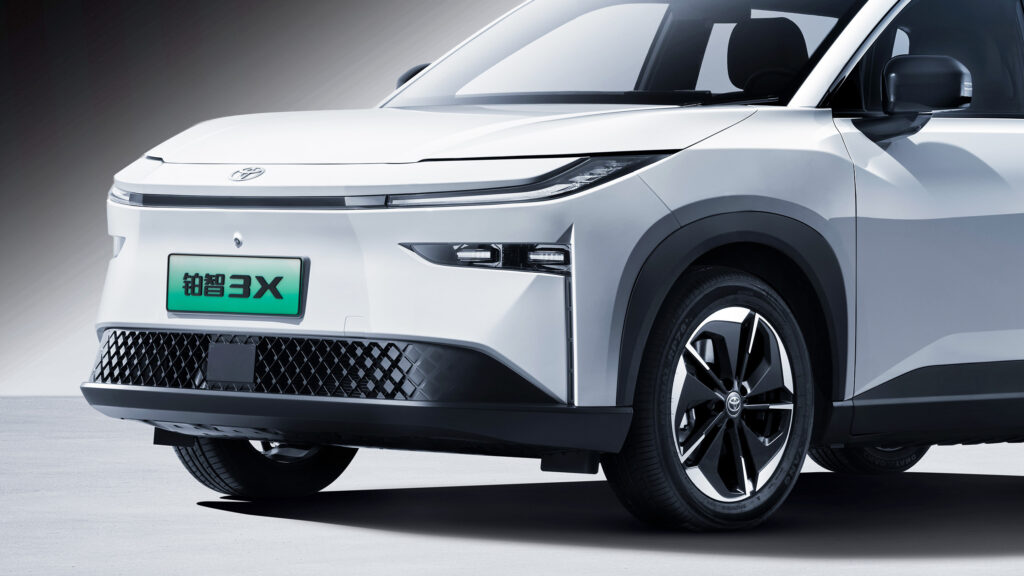
Toyota’s $15K Electric SUV Takes China by Storm, Outselling Rivals with Unbeatable Value
GM Settles Engine Lawsuit: Owners Get Small Payouts While Lawyers Score Big
Rimac Nevera R Shatters Speed Records as World’s Fastest Electric Hypercar
 Hardcore version of Nevera outpaces Bugatti Veyron Supersport and clocks 0-62mph in stunning 1.66sec
The new Rimac Nevera R has officially become the world's fastest electric car, clocking a top speed of 268.2mph.
That means the more hardcore version of Rimac's EV hypercar is also one of the world's fastest production cars of all time - surpassing even the Bugatti Veyron Supersport.
The independently verified top speed was confirmed as part of a final round of validation tests ahead of customer deliveries getting under way - during which, Rimac says, the 2078bhp Nevera R claimed "new world records in 24 categories".
Surpassing "every performance record previously set by the standard Nevera", the R also proved itself the world's fastest-accelerating production car, sprinting from 0-60mph in a dazzling 1.66sec - 0.08sec quicker than the standard car.
The R also achieved a record 0-400-0kmh (0-249-0mph) time of just 25.79sec – just over two seconds quicker than the previous fastest car – and completed a quarter-mile sprint in 7.9sec, a 0.35sec improvement.
Company founder and CEO Mate Rimac said: “When we first introduced Nevera, it almost seemed like the pinnacle of hypercar performance had been reached. In a single generation, we had created a performance jump that previously would have taken decades.
"But now, through relentless innovation, Nevera R goes even faster, while still maintaining much of the comfort and practicality that makes the Nevera a real, usable daily car. Breaking records is in our DNA, and we won’t stop here.”
While Rimac remains committed to breaking boundaries for outright performance, it is possible that the company's next car may not be fully electric.
In May last year, Rimac had not yet sold all 150 examples of the standard Nevera, and Mate Rimac suggested that "the narrative" around electric cars had changed, and buyers were becoming "a little bit repulsed" by the "forced application" of EV propulsion.
He said that Nevera development began in 2016 on the assumption that "electric cars would be cool in a few years", but instead appetite for ultra-high-end EVs was waning in favour of more traditional, analogue alternatives.
"An Apple Watch can do everything better. It can do 1000 more things; it's a lot more precise; it can measure your heart rate. But nobody would pay $200,000 for an Apple Watch," he said, adding that Rimac could branch out from EVs in a bid to tap into that demand.
"Rimac isn’t exclusively electric. It’s doing whatever is most exciting at the time,” he said.
The Nevera R's game-changing performance statistics will no doubt play a big part in re-igniting excitement around electric performance cars. However, all-out speed wasn’t the overall goal, said Rimac. Instead, greater focus was placed on making the R a better-handling and more agile proposition than its grand tourer sibling.
Billed as an electric “hyper sports car”, the R is fitted with next-generation all-wheel torque-vectoring tech, which has been tuned to suit its new Michelin Cup 2 tyres, and a steering rack that has been revised to deliver sharper responses and crisper feedback.
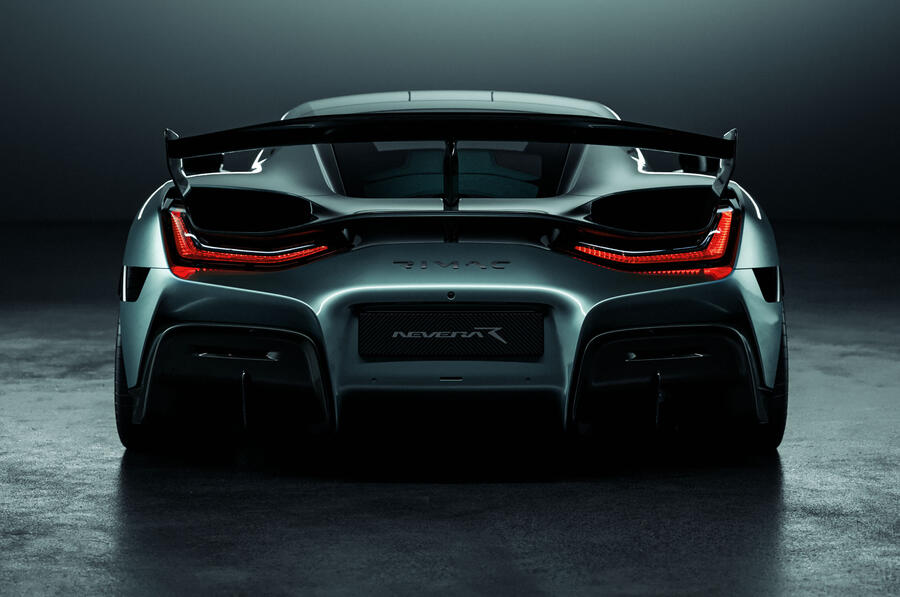
This is claimed to reduce maximum understeer by 10% and increase maximum lateral grip by 5%.
A new fixed rear wing, combined with a new large front diffuser, helps to boost maximum downforce by 15% and maximum aerodynamic efficiency by 10%, enabling sharper, faster cornering.
In line with its extra 190bhp, the Nevera R is fitted with carbon-ceramic EVO2 brakes. As a result of these measures, Rimac says the R “sets a new benchmark” for “driving excitement” on twisting B-roads.
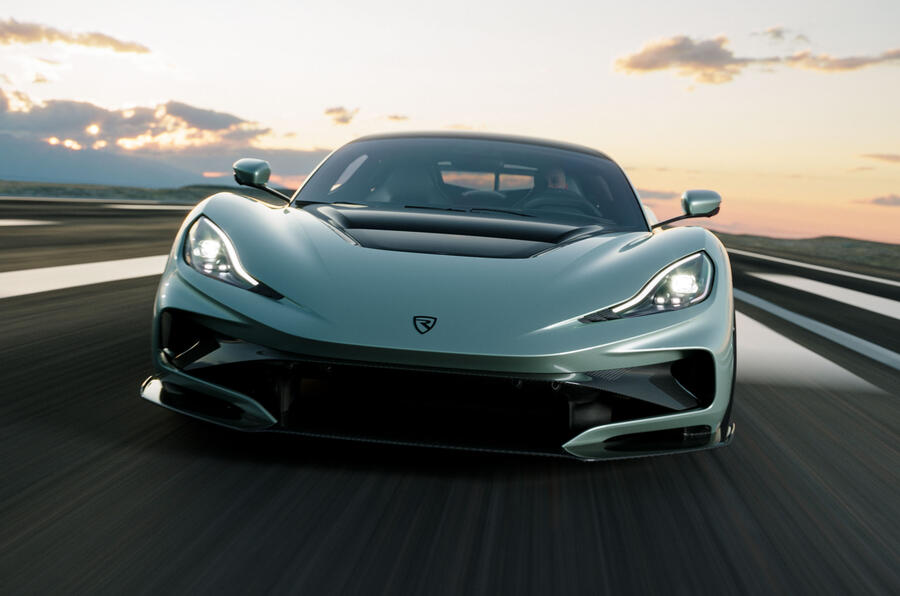
The R retains the same 120kWh battery as its sibling, which was good for as much as 250 miles in the standard Nevera. The Croatian brand has yet to confirm official range figures for the R.
Mate Rimac said: “We’re relentlessly tweaking to customers’ desires and many were looking for a car that really emphasised the Nevera’s cornering ability, using all the advanced technology on board.
“We responded with the Nevera R: all the DNA of the record-breaking Nevera, but lighter, faster and more focused.”
Launched exclusively in Nebula green, the R costs £1.97 million before personalisations – of which there are hundreds of options – are added. The standard Nevera is priced at £1.72m.
Rare Porsche 911 S/T Owner Rejects $726K Auction Bid, Betting on Future Value
Lexus Unveils V8 Supercar to Challenge Performance Legends with Hybrid Power
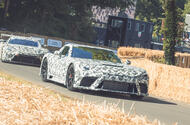 Supercar will be made to homologate the firm's GT3 racer and is expected to weigh around 1300kg
A new V8 Lexus supercar that will rival the likes of the Aston Martin Vantage and Mercedes-AMG GT has been officially shown for the first time.
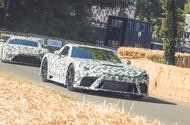
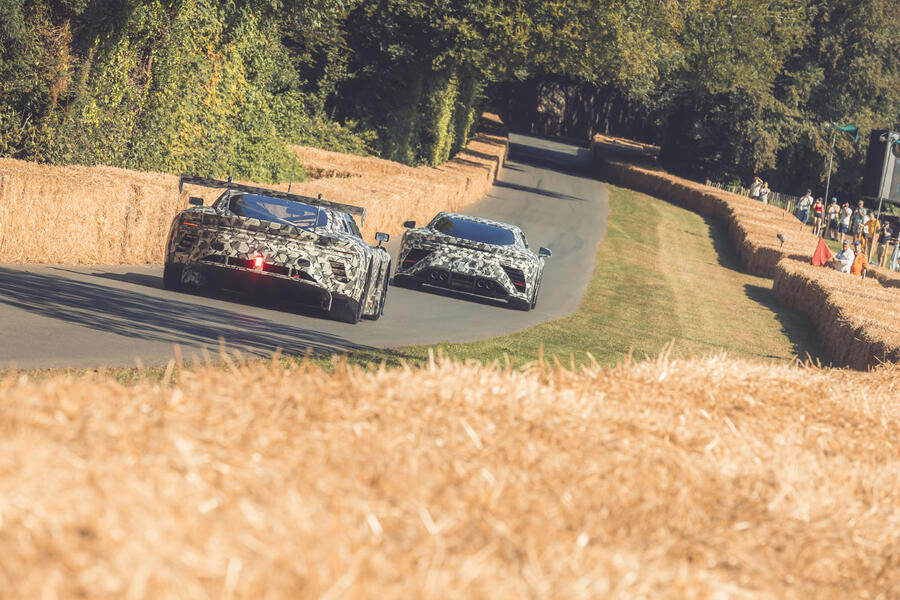
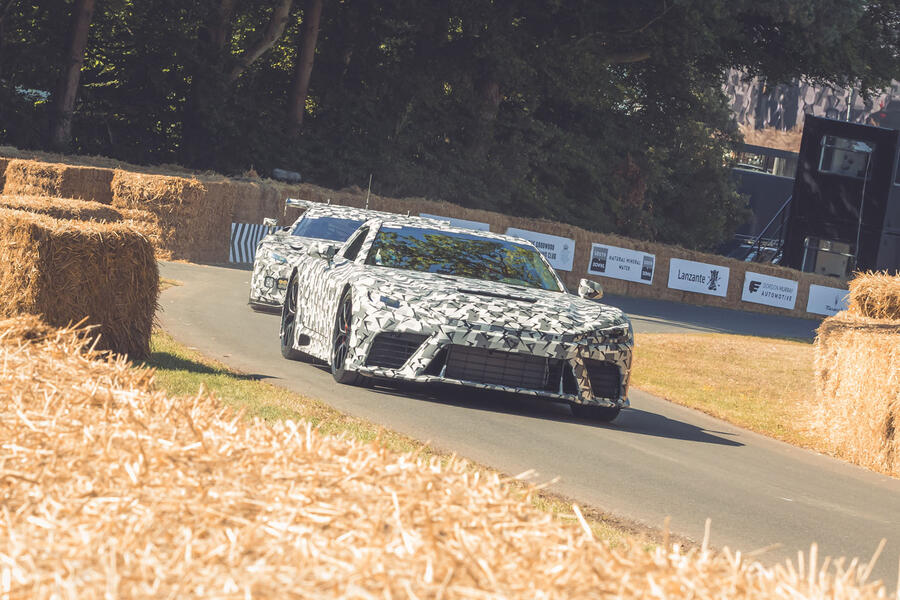
The GT Concept is the homologated variant of the incoming GT3 GR hardcore racer – itself revealed in concept form in 2022 – and both took to the hillclimb at Goodwood’s Festival of Speed.
The road-going GT3 GR – spotted by spy photographers over the past few months – is likely to wear a Lexus badge, rather than a Toyota one, in keeping with the premium brand’s history of large-engined sports cars, including the LFA, LC 500 and RC F.
As such, it is thought to preview what could be the spiritual successor to the acclaimed LFA – and may take the LFR name.
A production version of the GT Concept (previewed below by Autocar) is likely to hit showrooms at the end of 2026 and will be created because FIA homologation rules dictate that any GT3 racer shares its basic body design with a related road car. Aston Martin, BMW, Ferrari, Ford, Lamborghini, Lexus, McLaren, Mercedes-AMG and Porsche all currently sell GT3 customer cars.
Toyota has previously said it will continue “commercialising motorsports cars rather than simply adapting production vehicles for use in motorsports”, as it did with the rally-honed GR Yaris hot hatchback.
Running up the Goodwood hill, the soundtrack of the GT3 prototype - with a huge rear wing - is unmistakably that of a highly strung V8, but the quieter road car mule suggests it will add some type of hybrid assistance, most likely to meet ever-stringent emission regulations.
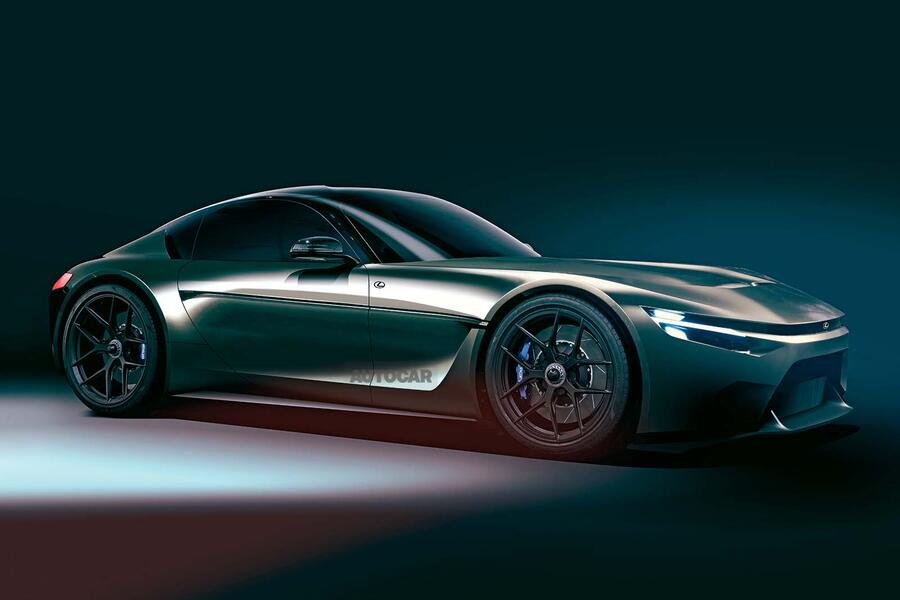
Currently, no GR models use a hybrid powertrain, but the performance division is extensively testing the technology. Speaking to Autocar last year, Hiroyuki Yamada, a GR engineer working on the project, said: “We can use hybrid for future cars. We will use it in our motorsport activities in the future, because of emissions.
“We will apply [this technology] to both motorsport and passenger [car] engines. In the future, we want a more fuel-efficient engine [for GR cars].”
The plan to fit GR models with hybrid power has been long mooted by Toyota. In 2023, chief technology officer Hiroki Nakajima told Autocar: “Hybrid systems are always a good solution for environmental cars, not just for passenger cars but for sporty cars as well.”
No specifications of the road car have been released yet but the race car will produce around 500-600bhp and weigh no more than 1300kg, in line with GT3 regulations. With the addition of a hybrid system, the road car is expected to produce closer to 700bhp as it vies with with the recently revealed 671bhp Aston Martin Vantage S.
Gazoo Racing boss Masahito Watanabe recently told Autocar that Toyota is pursuing a “multi-pathway” approach for sports cars, rather than investing in all-out electrification. He said: “We still think the internal combustion engine has some potential and, as we do so, we will of course be trying to comply with all the applicable rules according to the regions in each country.
“But we don’t want to give up. It’s not over just yet, because if you look at the internal combustion engine, there’s still hydrogen combustion that can be a part of that zero-emission line-up. So I think that’s going to continue.”
Lexus has retired its RC and LC coupés in Europe and hasn’t officially commented on plans for any replacements, although the outlandish Electrified Sport concept that it revealed in 2021 emphasises its continued commitment to performance cars.
That concept, which is due to reach production by the end of the decade, is electric rather than V8-powered. But it has been confirmed to share its carbonfibre monocoque underpinnings with Toyota’s GR GT3 concept and has a similar cab-rearward silhouette, which suggests the possibility for Lexus to offer two closely related supercars – based on the same chassis but using totally different powertrains – within the next five years.

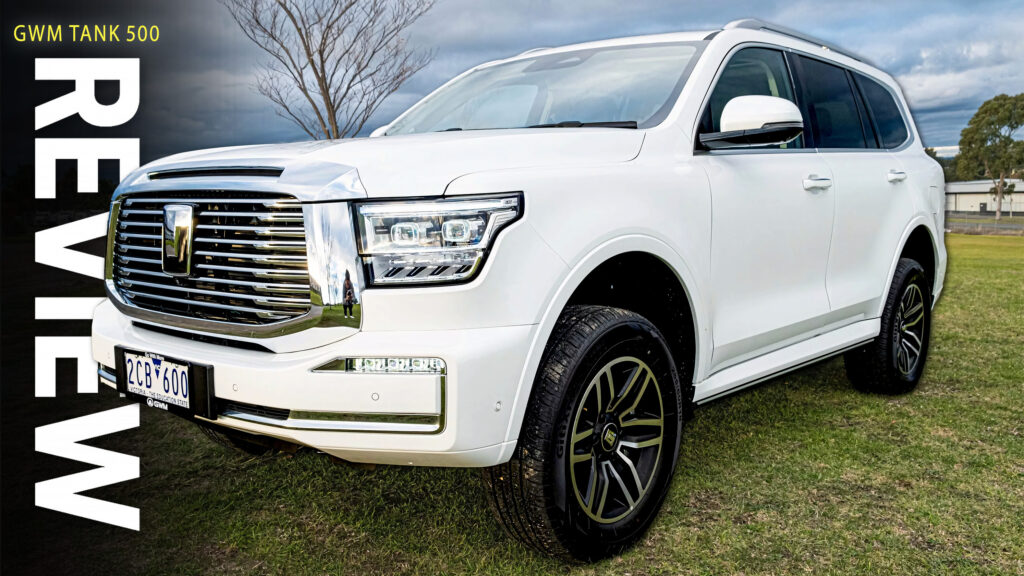
2025 GWM Tank 500 Review Can This Hybrid SUV Really Challenge the Big Names

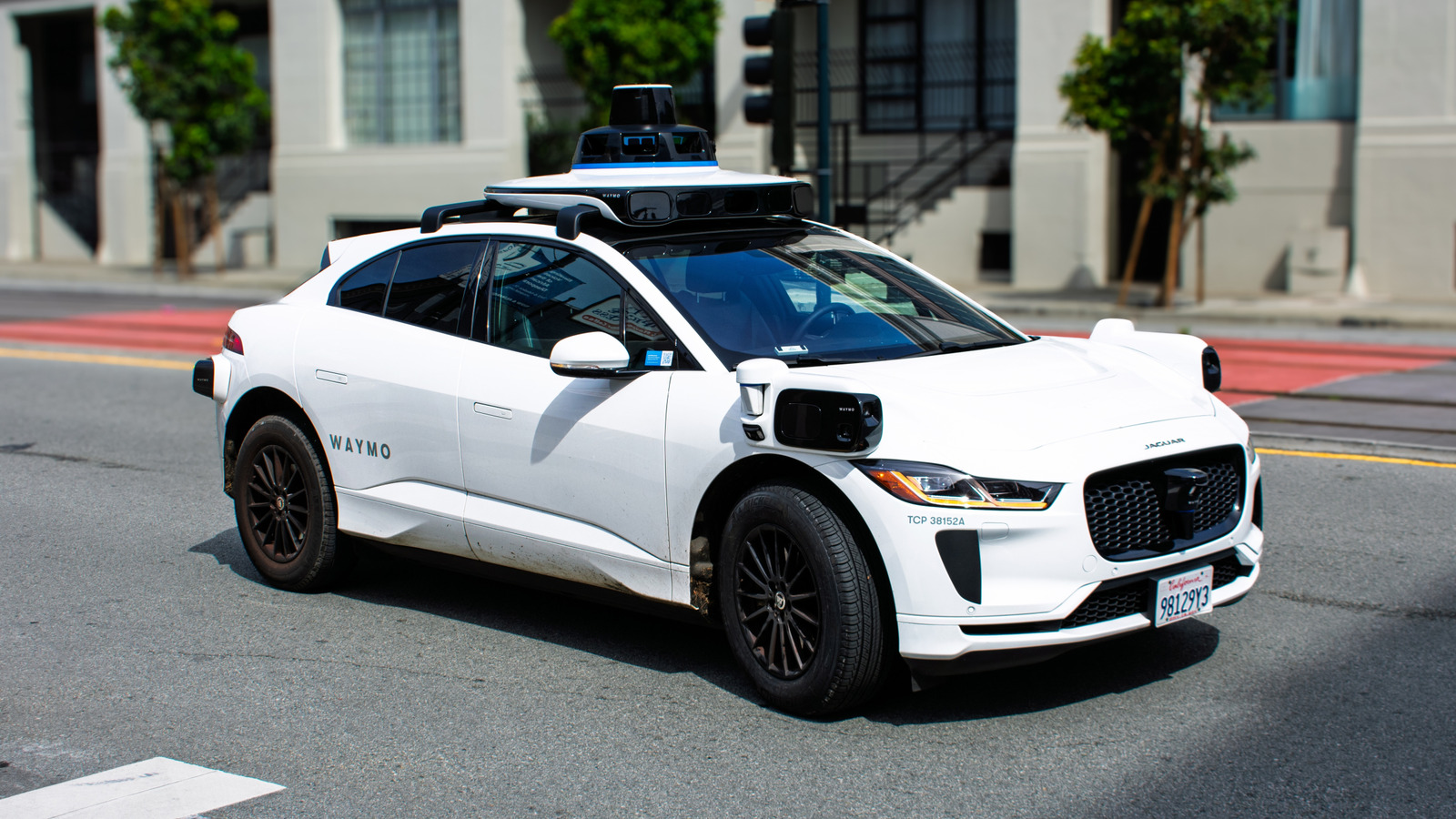
Understanding Modern Car Safety Features and How They Protect You
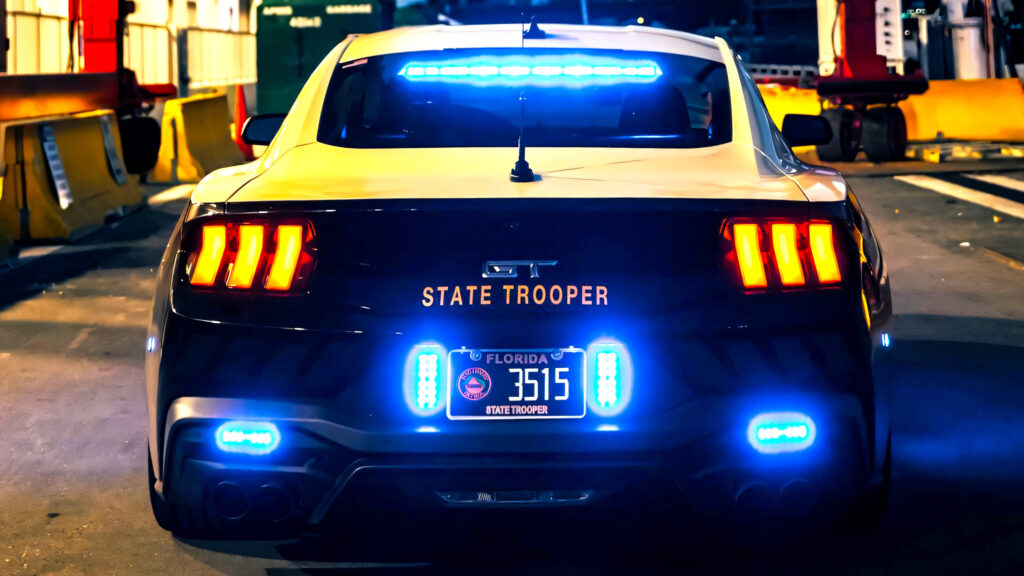
Florida Highway Patrol Unleashes Mustang GT to Catch Speeders and Turn Heads
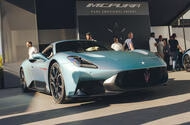
Maserati MCPura Unveiled: Pure Power and Fresh Design for the V6 Supercar
 V6 supercar is rebranded and lightly restyled as part of a mid-life facelift
The Maserati MC20 supercar has a new look and a new name: MCPura.
The Modena firm has subtly revised the design of its five-year-old V6 flagship to keep it up to date with newer rivals like the McLaren Artura, and range-mates including the Grecale and Granturismo.
Revealed at the Goodwood Festival of Speed, the supercar has a new badge that reflects its 'pure' character, according to Maserati. The company said: "We have achieved energy in its purest form: pure speed, pure luxury and pure Italian passion."
While the Ferrari 296 and McLaren Artura use their V6 engines as part of a plug-in hybrid system, the MCPura remains a pure-combustion proposition, with its 3.0-litre Nettuno engine still sending 621bhp and 531lb ft to the rear axle through a Tremec eight-speed dual-clutch gearbox.
Maserati pegs the 0-62mph time at 2.9sec and says it will go from rest to 186mph in just 8.8sec.
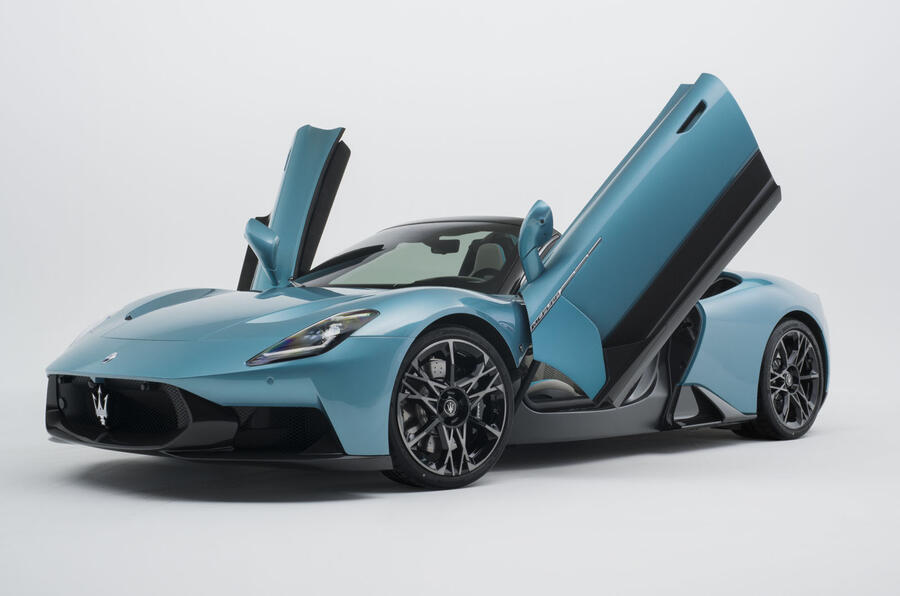
There are no significant mechanical changes, but the MCPura has a new front end with a reshaped grille and diffuser modelled on the hardcore MCXtrema track car. A cleaner diffuser design at the rear is in keeping with the model's broadly understated styling – an attribute that, designer Klaus Busse says, has been at the heart of the MC20's appeal
"Its design is not decorative," he said. "It's purposeful. Every line, every element, serves aerodynamic efficiency, cooling and performance - wrapped in elegant restraint."
He added: "This is purity realised."
Meanwhile, there is a new twin-spoke wheel design reminiscent of those fitted to the 1953 Maserati A6 GCS, and new colour options including the flagship Aqua Rainbow - a triple-layer blue-green that changes hue according to light.
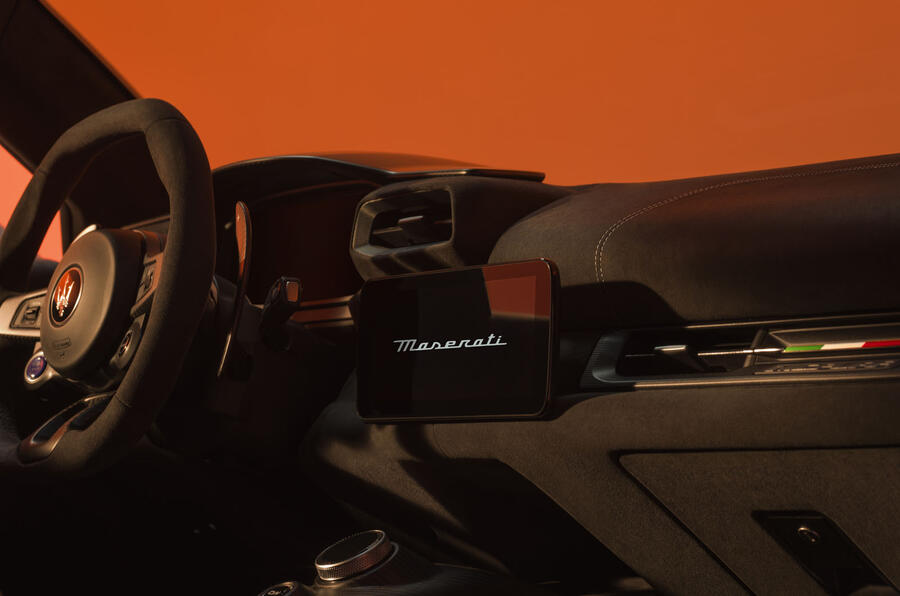
There are also subtle updates to the cabin, which now makes much more liberal use of Alcantara and features a new steering wheel inspired by that used in the MC20 GT2 racer - with a flat top and bottom, and the option of LED gearshift indicators.
Both the fixed-roof coupé and Cielo convertible have been revealed ahead of production beginning in September for customer handovers the following month.
Maserati says the MCPura will not be limited in production but emphasises that it will be built to order, with a high level of personalisation meaning no two examples are likely to be the same.
The company will confirm prices nearer to the launch, but the MCPura will command a premium over the previous car, which started from around £230,000.
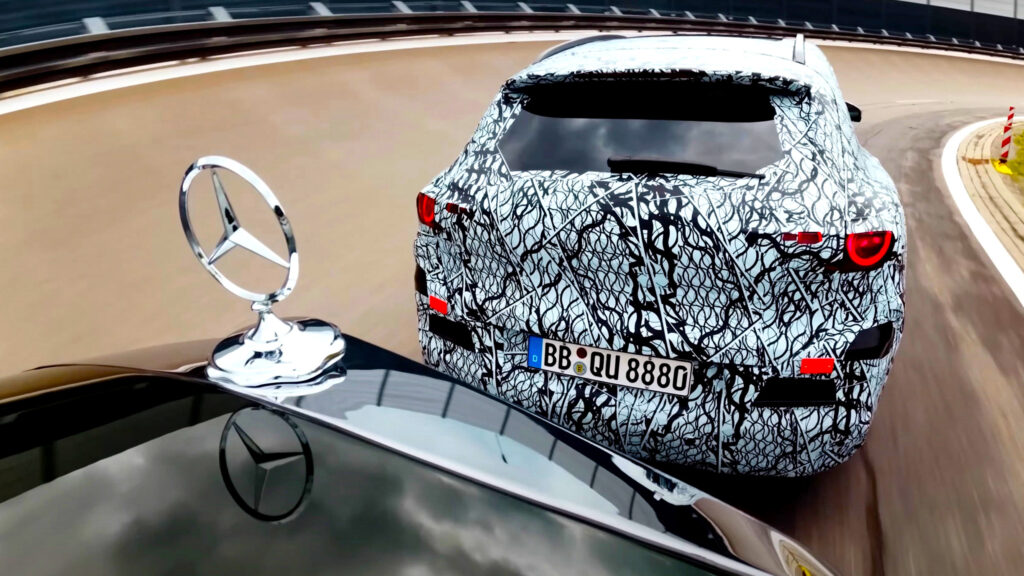
Mercedes Unveils Next-Gen GLC EV With 404-Mile Range, Fast Charging, and Classic-Inspired Design