
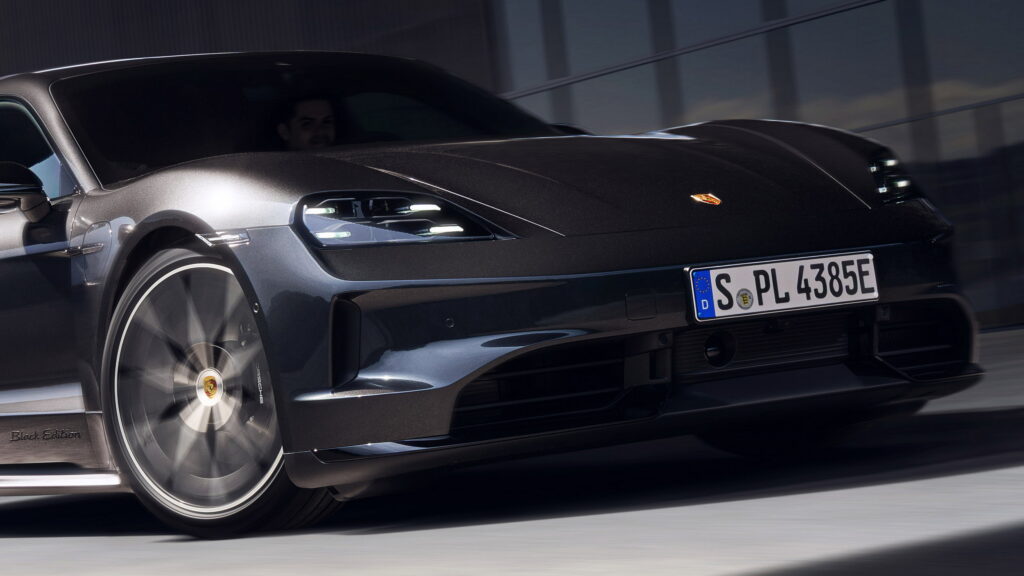
Porsche Revives Taycan with Striking Black Edition and Enhanced Features for 2026
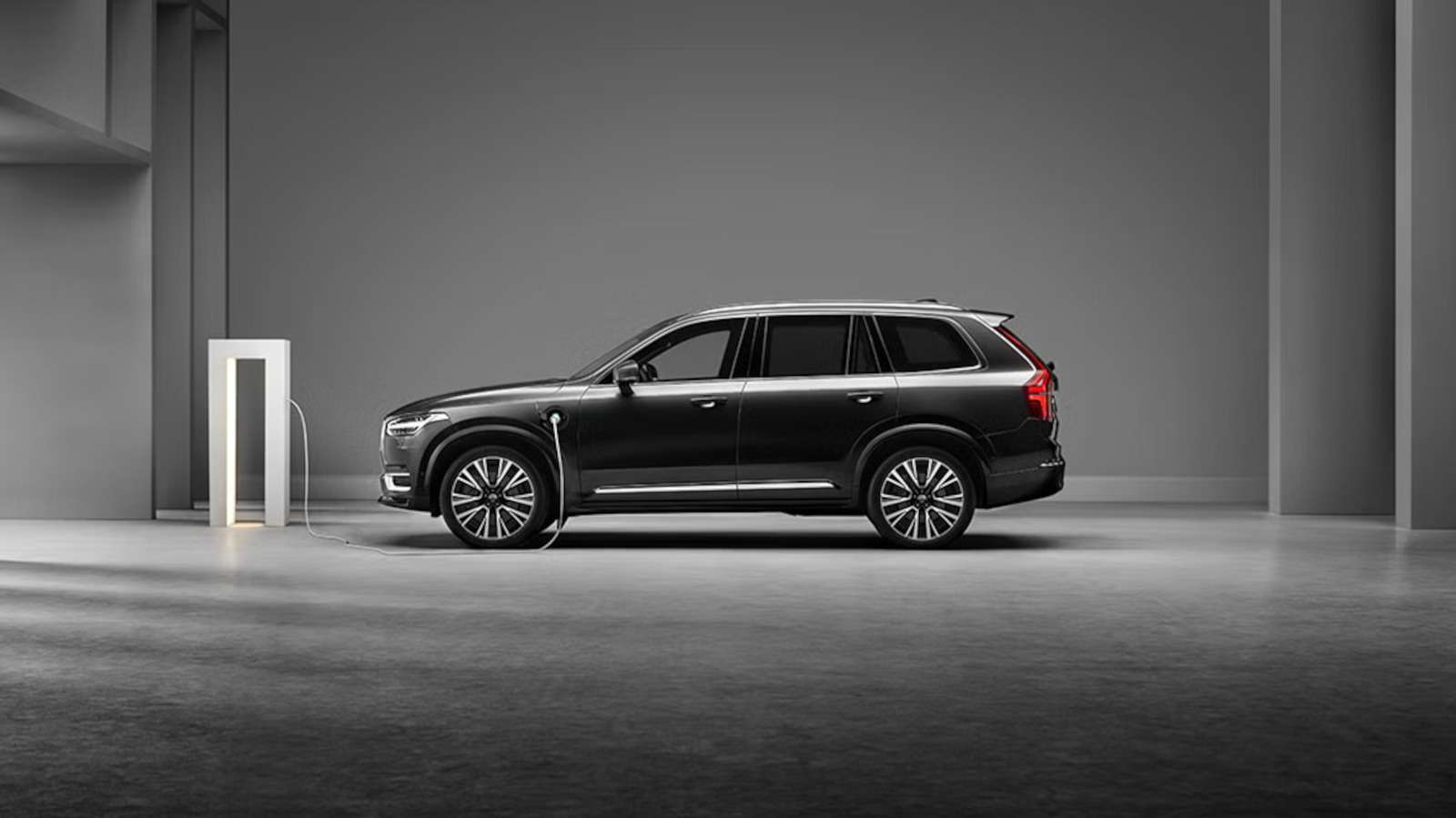
Inside Volvo’s Process of Transforming SUVs into Armored Safe Havens
Jeep’s China Dream Ends as GAC Fiat Chrysler Declared Bankrupt
Tesla Model Y Hits 126 mph in Fatal Crash With Motorcyclist and Pickup Truck
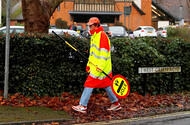
Families Fight to Save School Crossing Patrols Amid Rising Road Dangers
 Safety concerns raised as councils cut back on school crossing patrols
Families across the UK are campaigning to stem the decline in school crossing patrol officers, otherwise known as lollipop men and women, in the face of council cutbacks.
They argue the roles are still needed, given that new police data released in June reported that 413 pedestrians were killed in 2024, an increase of 2% compared with 2023, amounting to a quarter of all road-related deaths. People aged 16 years and under accounted for 4% of these deaths and 10% of those injured.
The figures have been released against a background of reductions in school crossing patrols, the numbers of which have halved in the past 10 years but which their supporters insist make roads safer for children.
Croydon Council is one of the latest to scrap its lollipop patrollers, with schools losing them at the end of the current term.
“This decision leaves me worried for the future safety of our children,” said a parent of children attending one of the six affected schools. “The presence of lollipop men and women is essential.”
A Croydon Council spokesperson said “most patrols were phased out many years ago” and risk assessments for the remaining sites will result in a new permanent crossing at one and temporary crossings at three more.
Elsewhere, alarmed by the withdrawal of their schools’ crossing officers, concerned parents around the country have taken to campaign platforms to rally support for their reinstatement.
Among them is one to save the crossing officer at Dalbeattie High School near Dumfries in Scotland, which also has a nursery and a primary school nearby.
Diana Finnigan, whose 10-year-old grandson attends the primary school, is opposing the council’s decision to withdraw crossing staff and has started an online petition that has so far attracted 500 signatures.
“I live close to the school and see every day how dangerous the roads outside it are for children,” she said. “Local councillors say the children can use the light-controlled crossings but you can’t assume every child, especially young ones, will. Some just ignore the lights and dash across, risking their lives. I’ve seen cars jump the lights too.”
A spokesman for Dumfries and Galloway Council confi rmed its intention to withdraw crossing patrol officers from the school. “Elected members of the council chose to remove crossing patrol staff from automated crossings,” he said. “Council offi cers are preparing communications so that parents and carers are aware of the changes.”
This month, road safety charity Brake highlighted that 16 primary school-age children are harmed on UK roads every day and called for a blanket 20mph speed limit outside schools.
However, while accepting that crossing patrols can play a vital role in keeping children safe, Brake campaigns manager Luca Straker said what mattered more was ensuring safety measures are in place.
“One of the key elements of road safety for schools is having safe places to cross,” said Straker. “That could be crossing patrols, it could be fi xed crossings, but what we need to ensure is that there is something in place that enables children to cross the road safely.”
When did lollipop patrols begin?
Crossing patrols for children were in use in the early 1930s, although some reports credit Mary Hunt, a school caretaker who began to informally help children cross the road in Bath in 1937, as the first ‘lollipop lady’.
It took another 26 years for school crossing patrols to be officially enshrined in law as part of new road safety measures brought in by the government.
A classic tool of a lollipop man or woman, the distinctive ‘lollipop’ sign was introduced in the 1960s and the yellow coat arrived a decade later.
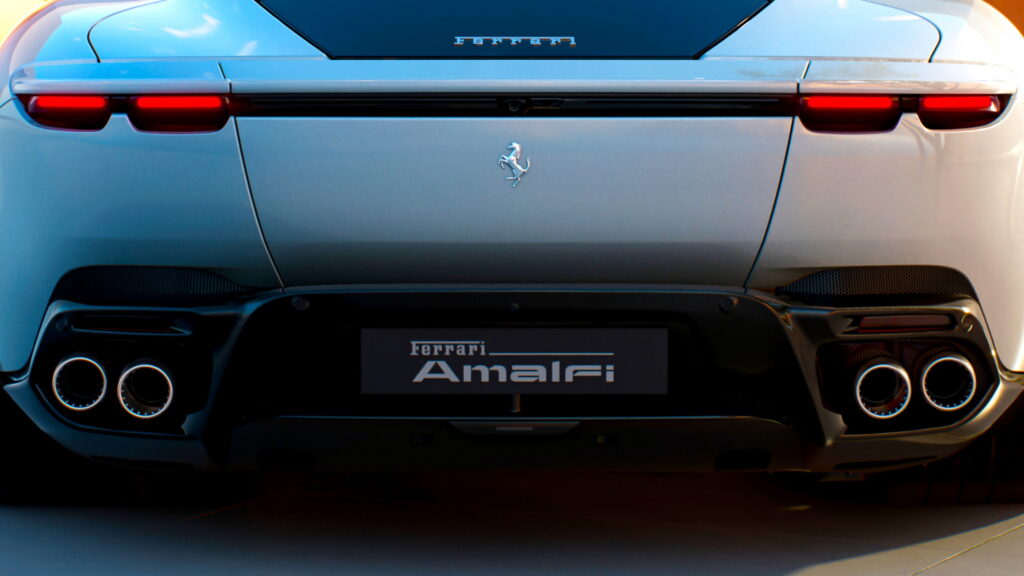
Ferrari Amalfi Unveiled: A Bold New Era for the Iconic Grand Tourer
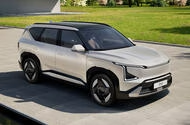
Kia EV5 Unveiled for Europe with Enhanced Range and Advanced Tech
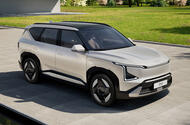 Electric SUV, launched in China in 2023, gets an upgrade for European markets
Kia has revealed technical specifications for the European version of its EV5 electric SUV, which gets a different battery from the Chinese-market car launched two years ago.
It swaps the Chinese model’s lithium-iron-phosphate pack for the 81.4kWh nickel-manganese-cobalt unit that is also offered in the smaller EV3 and EV4. This is claimed to yield a range of up to 329 miles.
It can be charged at up to 120kW on a DC connection, which enables a 10-80% refill in half an hour.
The battery also has vehicle-to-load and vehicle-to-grid capabilities, allowing it to power external devices or the wider electrical grid.
The European EV5 will be offered with only one powertrain at launch: a single front-mounted motor with outputs of 215bhp and 218lb ft. This allows it to cover 0-62mph in 8.4sec.
The 302bhp four-wheel-drive set-up available in China will not be offered at launch.
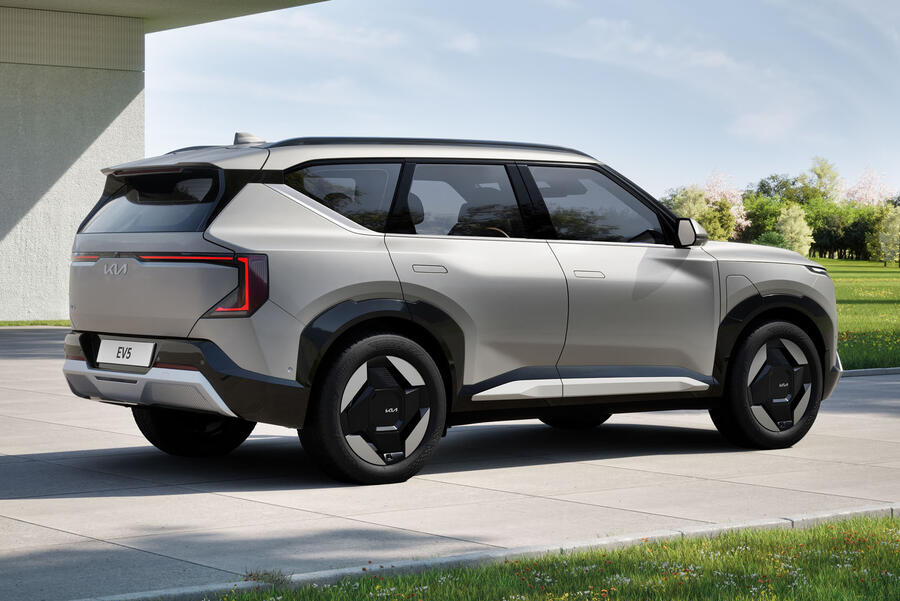
It is possible that Kia will also offer a GT version with more power, a firmer suspension set-up and simulated gearchanges in due course. The EV6 and EV9 have already received this treatment and the EV4 is likely to be next in line.
Inside, it gets 12.3in displays for instruments and infotainment, as well as a 5.3in climate control touch panel. The bench-style front seats in the Chinese EV5 are swapped for a more conventional two-seat arrangement with a larger centre console.
European-market EV5s will be built in Korea, rather than China, sidestepping the European Union’s tariffs on Chinese-built EVs.
The first EV5s will arrive in the UK this winter. Prices have yet to be confirmed but the EV4 Long Range starts from £37,695 and the EV6 Long Range is priced from £45,585, which suggests it could start just below the £40,000 mark. That would position it as a rival for the likes of the Audi Q4 E-tron, Nissan Ariya and Hyundai Ioniq 5.
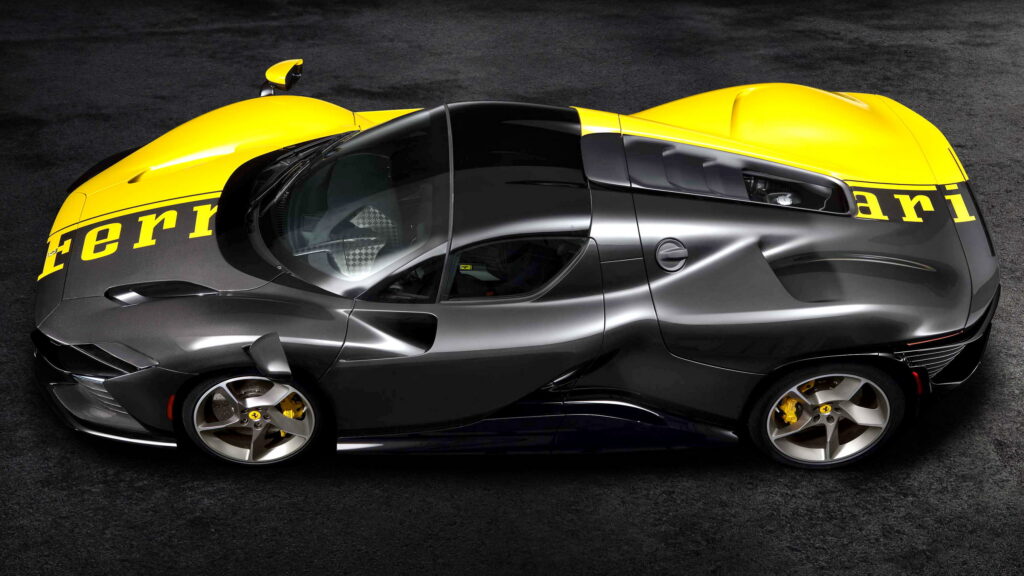
Ferrari Unveils One-of-a-Kind Daytona SP3 V12 for Monterey Charity Auction

Automakers Race to Boost EV Sales With Discounts Before Tax Credit Changes


Freelander Returns as Tech-Forward Hybrid SUV in 2026 Global Relaunch
 Joint venture between JLR and Chery is set to launch this time next year with a mid-sized PHEV SUV
The first model in JLR's new Freelander range will be a tech-led, electrified, full-size SUV that will be launched in the second half of 2026, JLR’s head of China has said.
JLR showed the logo for the revived Freelander brand in a recent presentation to investors, when it explained how the company is resetting its China business with joint venture partner Chery.
Chery is developing the Freelander electrified range using an in-house "flexible" platform, JLR China head Qing Pan told investors. JLR, meanwhile, is responsible for the design of the new cars.
Autocar has learned that the platform will be Chery’s T1X, which is also used by the company’s Jaecoo, Omoda and Chery brands. The first model is set to be a plug-in hybrid with a design that blends chunky off-road visual cues with a Porsche Macan-style coupé shape.
The first car will “echo the original spirit of Freelander but brought up to date to appeal to discerning, technologically savvy Chinese consumers,” said Qing.
The Freelander range will be launched first in China, with the “potential for global expansion”, according to Qing.
The Freelander will give JLR’s joint venture a replacement for China-built models, including the Land Rover Discovery Sport and Range Rover Evoque, which are ending production this year.
The Freelander will sit in different market segment from JLR’s imported high-end models in the country, such as the Range Rover, Range Rover Sport and Land Rover Defender.
JLR has said the Freelander will be sold in a network of its own dedicated Chery-run dealerships. Freelander does not come under the company’s luxury-focused ‘House of Brands’ marketing and sales strategy, which effectively splits Jaguar, Defender, Discovery and Range Rover into as stand-alone brands.
However, in the UK and mainland Europe, a Chinese-built Freelander could cannibalise sales of the cheaper models on JLR's new electric EMA platform, such as the upcoming replacements for the Evoque and Discovery Sport. That would make the business case for selling a Freelander in those markets harder to justify.
The Land Rover Freelander was originally launched in 1997 in three-door and five-door forms. It was the first Land Rover with a monocoque platform and “pioneered the compact premium SUV”, said Qing. The Freelander lasted for two generations before it was replaced by the Discovery Sport in 2015.