Unveiling Kia’s Design Revolution: Insights from Karim Habib
 Habib shares the secrets of Kia's design success with Autocar editor Mark Tisshaw
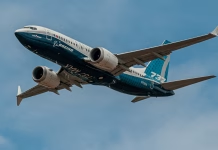
Boeing Withdraws Safety Exemption, Commits to Enhanced Aircraft Safety
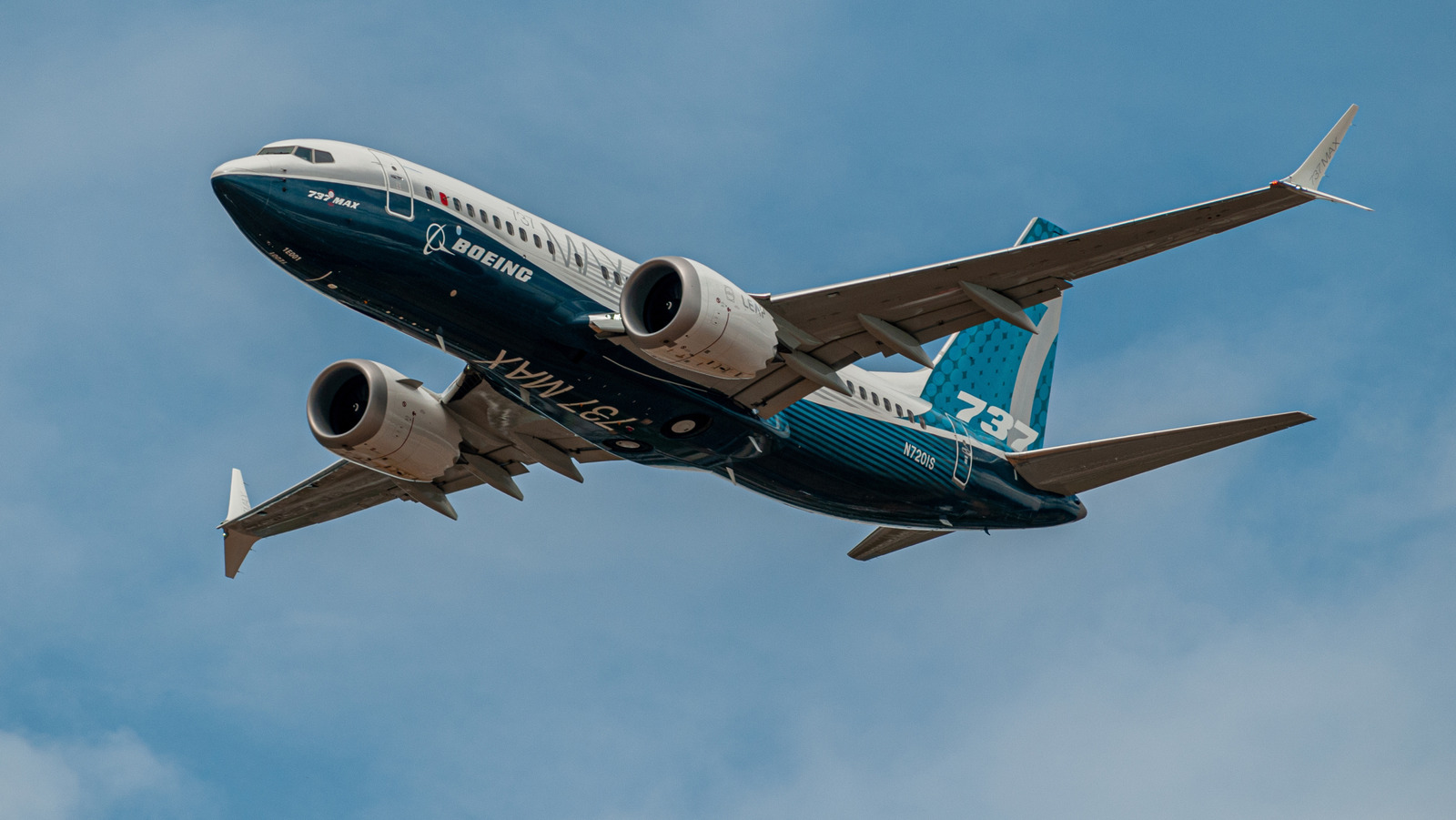

Maserati and Alfa Romeo Join Forces: A Strategic Lifeline for Struggling Brands

Tragic Speed: Teen’s Deadly Crash Raises Questions About Accountability
Volkswagen’s Golf GTI Edition 50: A Fast Track to 50 Years of Performance

JetBlue Flight Takes an Unexpected Detour at Logan Airport

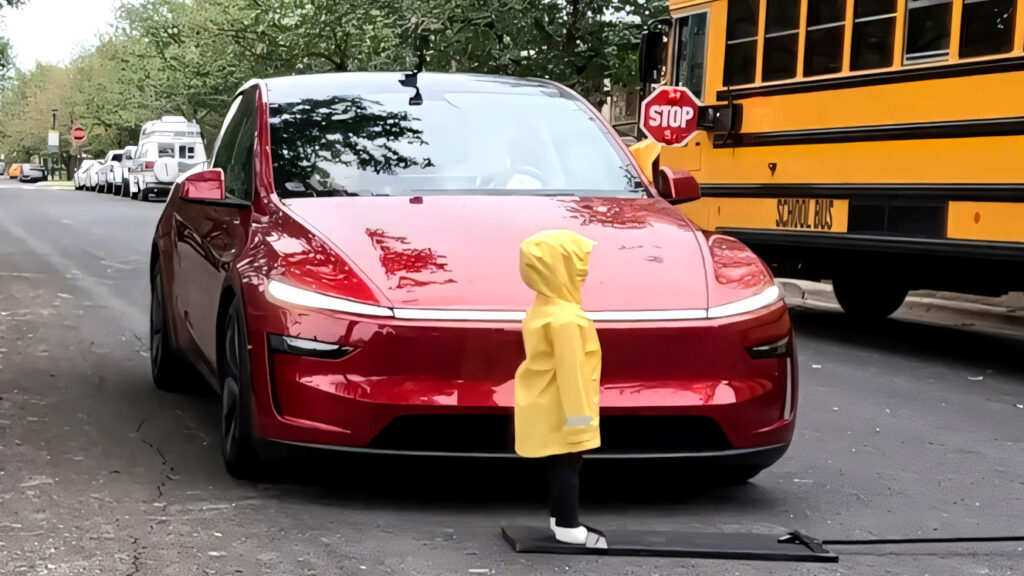
Tesla’s FSD Faces Scrutiny After Disturbing Crash Test Results
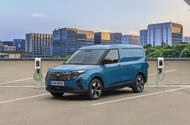
Ford Faces Electric Van Challenge as Sales Lag Behind Targets
 The Blue Oval has sold just 2443 electric light commercial vehicles in 2025 - 5.4% of its 45,190 total
The UK’s biggest van seller, Ford, is also the biggest laggard on tough government-mandated EV sales targets when it comes to the main players, new figures show.
So far this year, Ford has sold 2443 electric light commercial vehicles (LCVs), equating to 5.4% of its 45,190 LCV total and some way short of the 16% required by the ZEV mandate, according to EV think tank NewAutoMotive.
By contrast, the nation's second biggest van seller, Volkswagen, is running at 19% so far this year, thanks mainly to the commercial version of the ID Buzz. Vauxhall in third has an EV share of 17%.
Overall electric van sales to the end of May hit 6877, putting EVs at 7.6% of the 133,798 total in the sub-3.5-tonne category, according to the Society of Motor Manufacturers and Traders (SMMT).
Van makers continue to struggle to persuade buyers to make the shift to cleaner transport, being thwarted by higher prices, range anxiety and a lack of penalties for buyers choosing diesel again.
There are some benefits for buyers, though. The government announced in February that it would extend its Plug-in Van Grant (PiVG) for another year, worth £2500 off the cost of smaller vans and £5000 of larger models up to 4.25 tonnes.
The cost of an electric van is also 100% claimable from a company’s taxable profits.
The SMMT is pushing the government to do more to persuade business users to switch, including investing in a more van-suitable charging infrastructure and giving preferential treatment for depot grid connections.
However, in April the government made a raft of changes to the ZEV mandate that would take some of the pressure off van makers, in effect reducing the 16% target this year.
The top-line figures essentially stay the same and the 2035 date remains for 100% zero-emission sales. But this year, for example, van makers can halve their EV target by promising to overdeliver in future years up to 2030. That promise was extended to include sales in 2027 through 2030, with the target dropping to 10% by 2029.
Van makers also don’t have to show any improvement in CO2 emissions within their ICE fleet between 2030 and 2035. Unlike with cars, they don’t have to hybridise during that period.
Perhaps the most useful change, depending on the brand, is the ability to use excess electric car sales to count within their electric van target, with one electric car counting as 0.4 electric vans.
The deal works the other way too, with one electric van counting as two electric cars.
Other credits, including potentially for vans with vehicle-to-grid capability (meaning they can feed energy back to the grid during peak periods), are in discussion, according to the government.
The changes, which include greater flexibilities for those selling cars, “provide short-term flexibility to ensure that jobs and investment remain in the UK as we pivot towards electric vehicles,” said transport secretary Heidi Alexander in April.
The danger of relaxing the rules is that the already sluggish electrification of vans will slow further, worrying those companies that have banked on legislation driving up the electric share of the market.
“The latest SMMT figures expose a widening disconnect in the UK’s transition to electric vehicles,” said Matt Hawkins, UK head of Flexis, a commercial EV company formed by Renault, Volvo and logistics firm CMA CGM. “While sales are growing, the pace is far too slow.”
Flexis, along with Geely-owned Farizon and Kia, are launching electric vans targeting the key 2.5 tonne-3.5-tonne segment currently ruled by the Ford Transit Custom.
Ford and Stellantis are currently hedging their bets by adapting ICE vehicle platforms to take battery-electric powertrains.
That saves on development and production costs but makes for an uneasy comparison on the website configurator, where the EV is clearly more expensive with none of the space or tech benefits that a new EV-specific platform.
For example, the diesel Transit Custom starts at £33,350 (excluding VAT) while the cheapest E-Transit Custom is more than £10,000 pricier – something the £2500 PiVG only partly addresses.
Stellantis’s fuel-cell electric vans are even more expensive: the newly launched Vauxhall Movano 4250 Hydrogen costs from £67,221 (excluding VAT) compared with £51,780 for the equivalent BEV and £35,420 for the equivalent diesel.

NASA Faces Uncertain Future Amid Proposed 24% Budget Cut

Revving Up NASCAR: Ram’s Comeback and the Streaming Challenge Ahead