Behind the Scenes at Aston Martin: Meet the Project Manager Making Dreams a Reality

Project management is a passion for Aston Martin’s Renee KnottTop execs get the credit for successful launches, but it wouldn't be possible without an army of backstage heroes
The top designers, engineers and company bosses will usually get the headlines and plaudits for the successful launch of a new car. But behind them is a team of hundreds, maybe thousands, working towards that success.
New models must be planned and costed then delivered on time and on budget. That involves planning and project management, and Renee Knott, whose role at Aston Martin sees her head up both of those areas, is one of those backstage heroes.
She left a staff role at JLR for a contract job at Aston in 2003 as a programme timing analyst, such was the pull of the marque and the extent to which “she loved the cars”. She became a member of staff in 2006 and has been there since.
In her early days at JLR, Knott soon realised she wanted to “spend her whole life” working in project management. “I just love it,” she says. “Even outside work, my life is a plan.”
Knott was first deployed on the VH platform that would underpin a whole generation of Astons, starting with the DB9.
Project management is about creating relationships and networks and ultimately “building trust”, says Knott. She speaks warmly of the family feel at Aston, of how everyone buys into a project where going the extra mile is not just a cliché but a reality: “Aston is ultimately a small, independent luxury brand.”
There are partnerships with the likes of Mercedes-AMG, but Knott says these are “very, very different” from how things were under Ford ownership in the Premier Automotive Group. “You would always have that safety blanket,” she adds. In automotive terms, Aston doesn’t now have “a big brother” to share technology and information.
Knott speaks highly of Aston’s executive chairman Lawrence Stroll, who heads the company and helps to create an environment in which it can thrive on its own. She says he was immediately “very visible and very engaged” around Aston when he arrived five years ago. “There has been quite the transition since he joined,” she adds. “He’s really passionate about Aston Martin and wants to make it a success.”
Knott describes seeing validation prototypes run off the production line as “quite emotional”. She adds: “You see something you’ve been looking at in [digital renderings] suddenly come to life.”
The culmination of the six-year DB12 project was a particular highlight for Knott as a project that grew in time and complexity in order to futureproof it with the likes of active safety and a new electrical architecture.
“I managed to go to Monaco as well for the launch event and joined the journalists driving the car, sitting with them having lunch,” she says. “When they then tell you how amazing the car is, that’s a real highlight.”
The Allure of French Car Design: A Celebration of Style and Innovation
Hyundai Plans Price Hikes Amid Rising Costs: What You Need to Know
Reviving the MG ZT: A Hidden Gem in the Classic Car Market
 Prices are rising and pristine examples are now attracting more than £10,000...
A few years back, the classic car interior trimmers occupying the shed opposite the one where a mate and I store our old cars, had an MG ZT in for repairs.
It was a simple job for them – replacing the worn bolsters of the driver’s seat, the cheap leather MG Rover used by the time this 2002 car was made apparently sourced from rather thin-skinned cattle. The trimmers were doing the job for a local secondhand car dealer, and when I showed an interest in the car suggested a quick test drive. It was a ZT 160 rather than the more potent 190, but it looked good in metallic black, had only done 70,000 miles and would likely have cost no more than £1200 from the dealer.
The worn leather was dubiously complemented with a rather bilious patterned cloth, the ZT's interior a starker place than the sumptuous cabin of its Rover 75 stablemate. But none of this disguised the fundamental quality of this car, its exceptionally robust bodyshell, high quality cabin mouldings and well developed suspension serving a sophistication that 70,000 miles had done little to diminish.
The V6 issued a smooth, light growl, the wheels rode bumps with well-damped authority and the steering had the right kind of heft to encourage entertainingly hurried attacks of bends. Exiting them wouldn’t have been quite so brisk with only 158bhp, but the MG’s mix of enthusiasm-firing agility and composed deportment were of a higher standard than I’d remembered.
This was another car I didn’t need however, and it wasn’t even of the ideal specification (you can have a ZT with upholstery less offensive, and most of the V6s are the more potent 190s) but this was a car it was easy to like.
A good thing, then, that when I got back, the trimmers had discovered that it was already sold. Oops. Still, it rekindled an interest in these machines, whose launch was held at windswept Welsh racetrack back in 2001. MG Rover’s management was more bullishly optimistic back then, partly because it was launching not one but three cars simultaneously. Admittedly the trio were conversions of existing models rather than the fabled new medium-sized car that this dying company so desperately needed, but by the end of that day there were plenty of cautiously impressed journalists who thought this hollowed out company might be in with a fighting chance.
That was because the ZR, ZS and ZT were surprisingly good, their verve, handling and manners entirely good enough to earn them a sporting badge, the ageing ZS especially so. Based on the Rover 45 – aka the Honda Domani – it sported double wishbones all round, these tuneable to great effect. The 25-based ZR was cruder, but turned out to be a big hit because it could be had with quite low-powered engines, enabling young guns to actually insure it. For a while, this was Britain’s best-selling hot hatch.
But by far the most sophisticated of the trio was the 75-based ZT. The 75 had been developed during BMW’s ownership of Rover, this properly funded project producing a car of far higher calibre than anything Rover had made since the 1963 2000.
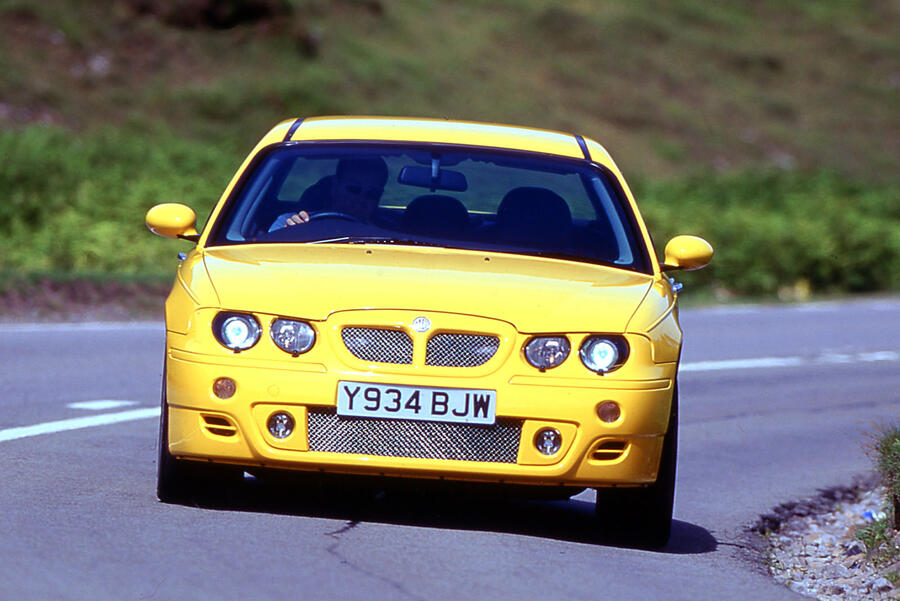
The ZT was an early victim of MG Rover’s now notorious Project Drive campaign, directed at cost-reducing its cars in an unwinnable bid to curtail losses. The 75 ultimately suffered more, including fake dashboard wood rather than real tree, badge deletions and multiple subtle cheapenings. Most obvious in the ZT was its low-rent upholstery. The good news, though, was that money wasn’t spared on the suspension, now tautened and tweaked to provide livelier dives into bends, aided by a reworked 2.5 litre V6 putting out 187bhp to the 75’s 175bhp.
The result was a very capable sports saloon, its tuneful V6, reliable grip, decent turn-in and excellent body control producing the fine sporting drive that BMW disallowed Rover from exploring with the 75. That was for fear of invading Munich territory, which sounds sadly laughable now.
The ZT could have used more power – it came with the wonderfully crazy rear-drive V8, a classic almost from the moment MG Rover went under – its slightly over-stiff shockers later softened. The lower-powered ZTs convinced less but it sold well, diesel and ZT-T estate included, the sales boost provided by this instant MG range staving off its maker’s downfall.
Given that the youngest ZT is now 20 years old, it’s no surprise to find non-runners for £1000 or less, or drivers for under £2000. Most have done over 100,000 miles and are in banger territory, doubtless needing a pricey cam-belt change and those pesky seat bolsters repaired. The very best low-milers attract price tags getting towards £10,000, but there’s no need to pay that to enjoy one. And collectible the ZT will surely be.
This column first appeared as an email to subscribers.
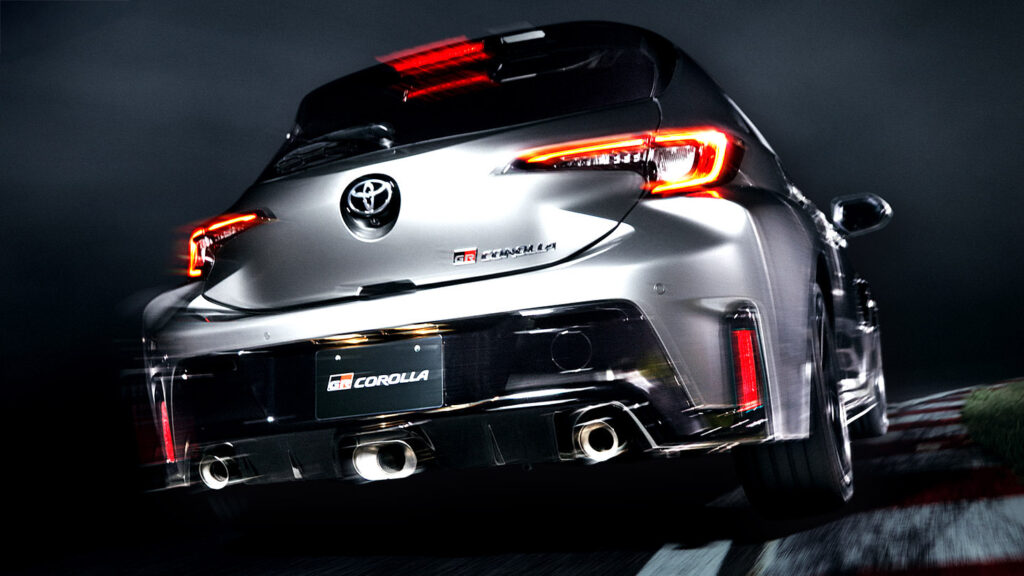
Toyota Shifts GR Corolla Production to the UK to Meet Rising Demand

Bridging the Gap: Why Affordable Cars Remain Out of Reach for Consumers

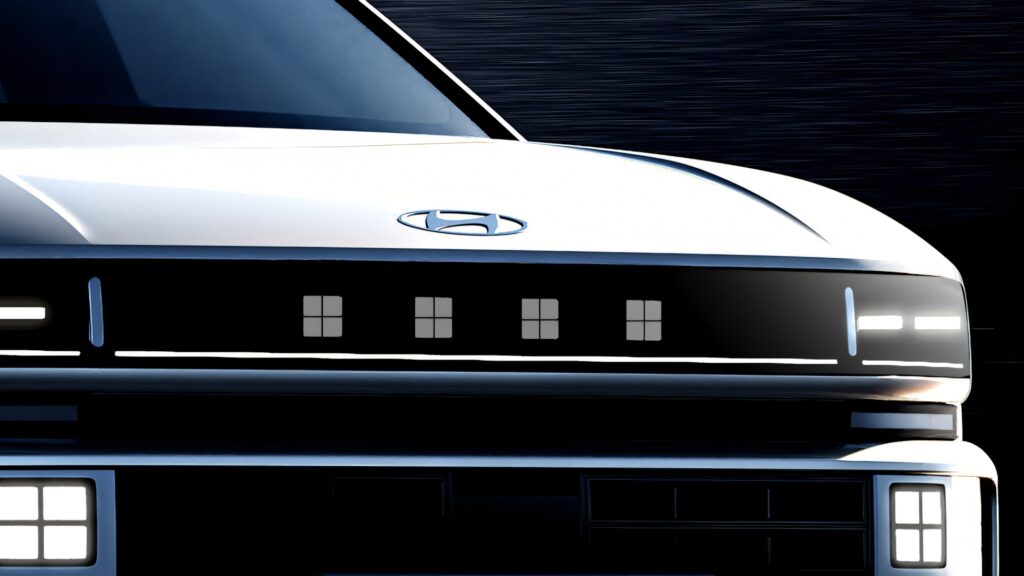
Hyundai’s Bold Move: A New Pickup Truck on the Horizon

Exciting Electric Revolution: Discover the New EVs Hitting the Market in 2025
 New EVs are arriving thick and fast. Here's your guide to this year's entrants
From Alpine to Volvo - nearly every manufacturer is releasing some kind of new EV this year.
Electric car ownership is rising quickly in the UK. According to the Society of Motor Manufacturers and Traders, 2024 was a record year for EV sales. Of the 1.95 million cars sold, 19.6% were electric - a 16.5% increase from the previous year.
Big names such as Audi and Mercedes will launch new models this year, while newer brands such as BYD, Leapmotor, and Maxus are also expanding.
And it’s not just small superminis, either. Every type of car imaginable features on this list.
AC Ace Electric
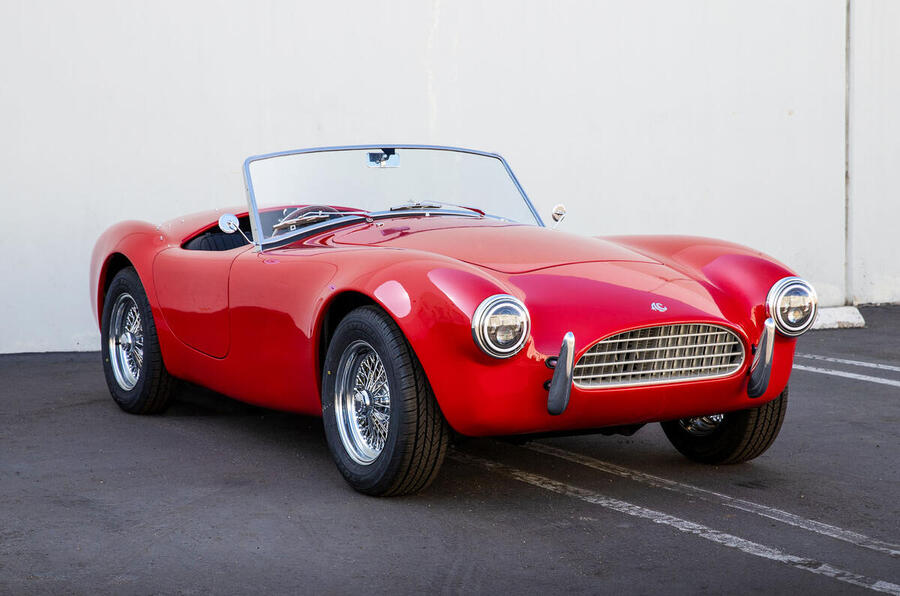
Classic British roadster is going electric, with a lightweight design (it comes in at just 1134kg), a 72kWh battery and a 300bhp electric motor. It will cost you around £212,000, however.
Read more about the new AC Ace Electric
Alpine A390
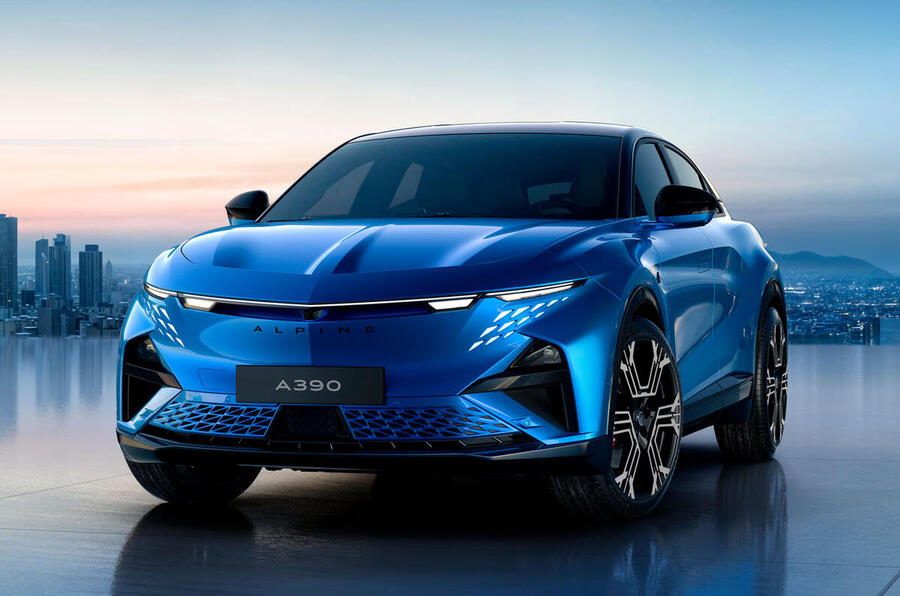
The first crossover to come from this French performance brand, the A390 will feature a 464bhp tri-motor powertrain with active torque-vectoring, which is promised to make it feel far lighter than it actually is.
Prices will start from around £60,000. Alpine CEO Phillipe Krief told us the tri-motor arrangement instills the car with a "perceived lightness".
Read our Alpine A390 review
Audi RS6 E-tron
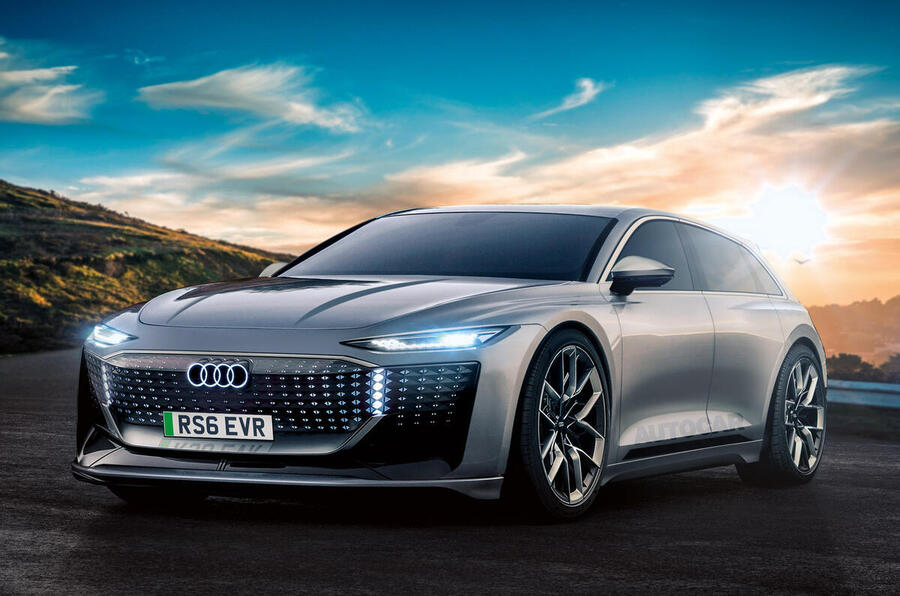
Audi Sport’s incoming performance saloon/estate will display some serious performance, rivalling the likes of the Porsche Taycan Turbo S and Tesla Model S Plaid. That’s all while offering the practicality of the regular A6 E-tron.
Read more about the Audi RS6 E-tron
BMW iX3
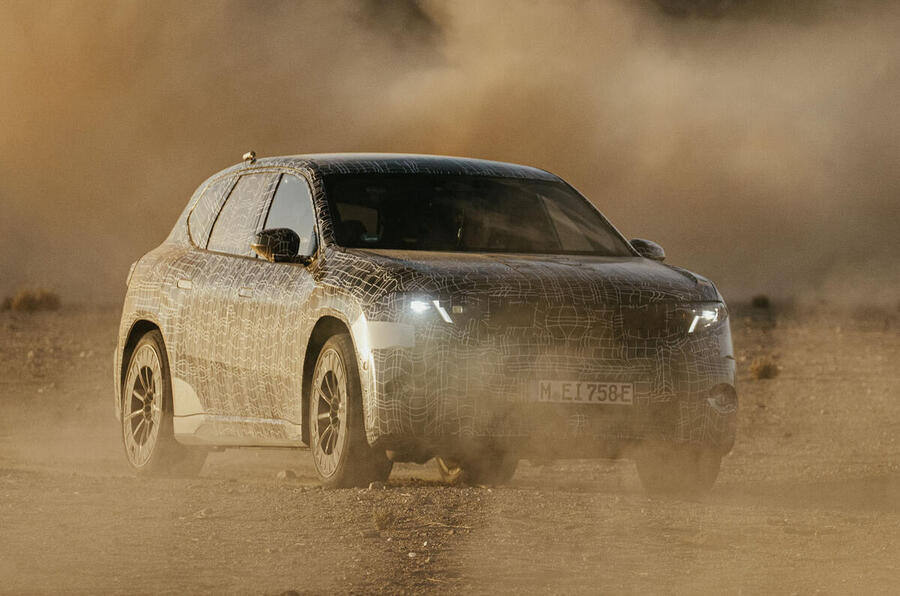
This SUV is the first step into BMW's 'new-class' design revolution. We’ve no performance or range figures yet, but we know it will be equipped with 800V electrical hardware, which will make it one of the fastest-charging EVs on sale.
The combustion-engined BMW X3, the company's bestseller, will continue to be sold alongside the iX3.
Read more about the new BMW iX3
BYD Atto 2
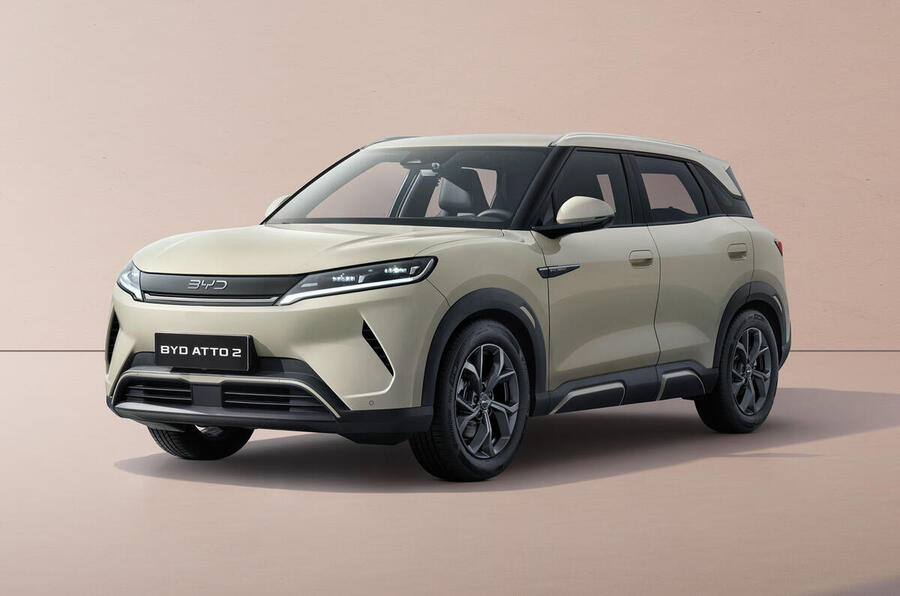
Another electric compact crossover, this time from Chinese giant BYD. This Vauxhall Frontera rival gets a single motor with 174bhp and a 45.1kWh battery, which produces around 194 miles of range. Inside, the Atto 2 offers seating for five and a 400-litre boot.
Read our BYD Atto 2 review
BYD Dolphin Surf
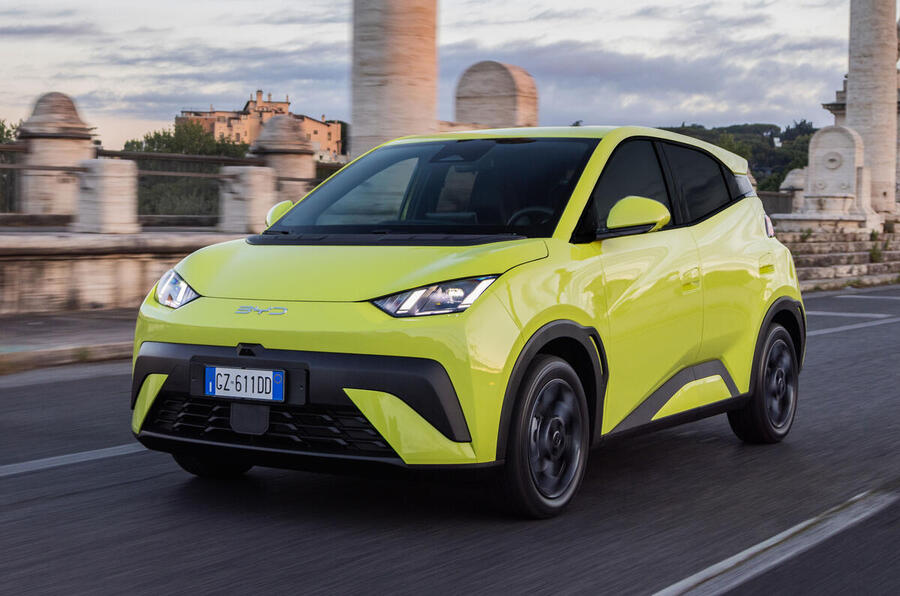
£18,000 city car from the world's leading maker of EVs. No dynamic wonder, and it somewhat lacks the charm of rivals, but there's no denying what value it offers considering it can do a realistic 200 miles to a charge.
Read our BYD Dolphin Surf review
BYD Seal update
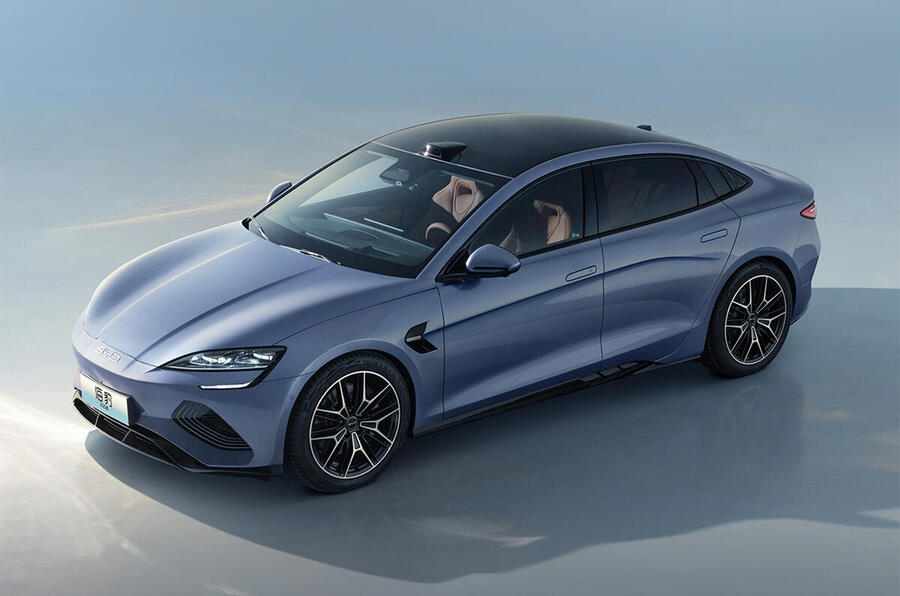
Technology and efficiency updates arrive for the Seal saloon, which gets a slightly smaller battery for a range of 320 miles. Updates to the interior include a new steering wheel and more upmarket materials, although the powertrains remain the same.
Read more about the BYD Seal facelift
BYD Seal 06 GT
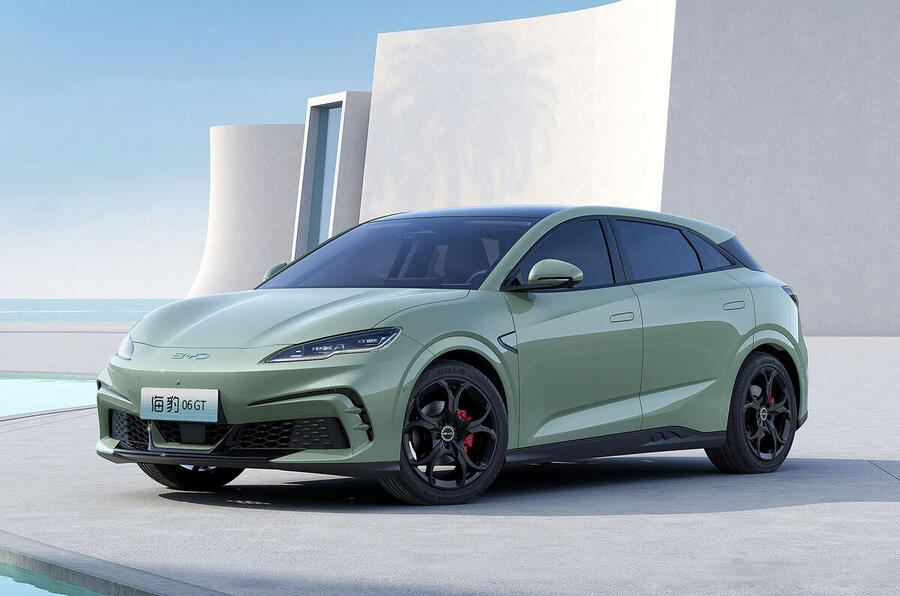
Crucial Cupra Born and VW ID 3 rival joins BYD’s expanding range. Inside, it’s largely the same as the BYD Seal saloon, complete with its huge central infotainment screen. The 06 GT will also use that car's architecture.
Full specifications have yet to be released, but it is likely to share battery tech with the saloon too, including its 800V charging capability.
Read more about the BYD Seal 06 GT
Cupra Raval
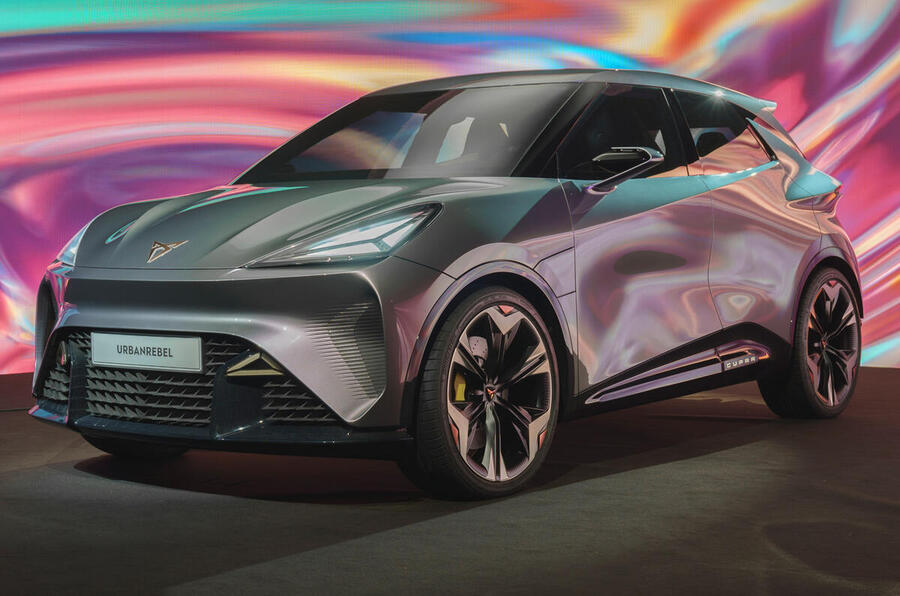
This all-new small EV will sit below the Born in Cupra's line-up, with a reasonable price tag of below £20,000. Performance and range are to be confirmed, but the hatchback is rumoured to produce around 231bhp and have a range of circa 273 miles.
Read more about the Cupra Raval
Citroën ë-C3 van
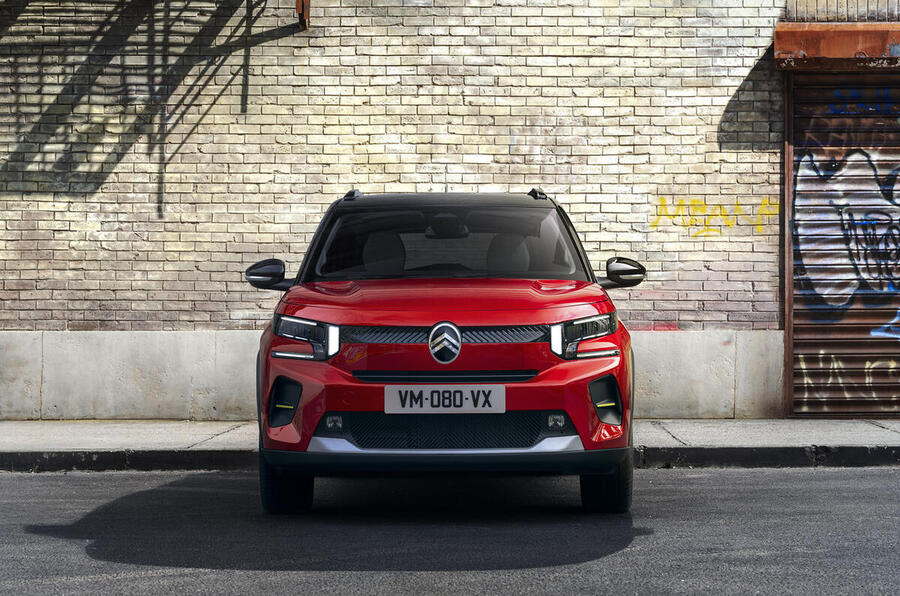
Car-based vans are back! Well, at least Citroën is hoping they are. The French company will launch a circa £15,000 electric van based on its Citroën ë-C3 SUV this year.
It will come with just a 44kWh battery (the 33kWH unit offered in the supermini will not be available) and its range will be 200 miles. The maximum payload is 494kg.
Read more about the Citroën ë-C3 van
Denza Bao 5
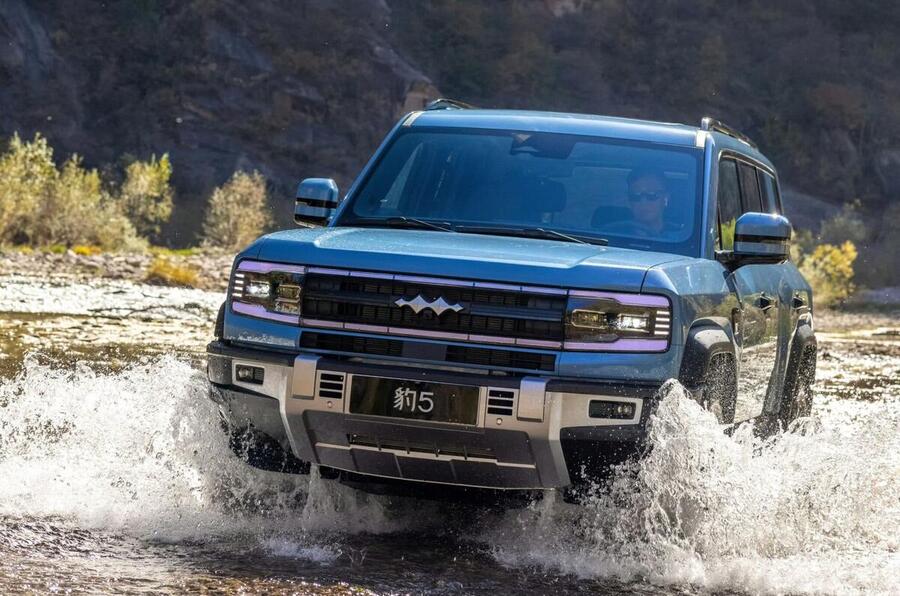
This 677bhp range-extender Land Rover Defender rival is coming to the UK. In China, it’s badged as a Fangchengbao but it is likely to wear Denza badging when it arrives in the UK.
It’s roughly the same size as a Defender 110, has a ladder-frame chassis and pairs a 1.5-litre turbo petrol engine with electric motors on both axles.
Read more about the Denza Bao 5
Denza Z9 GT
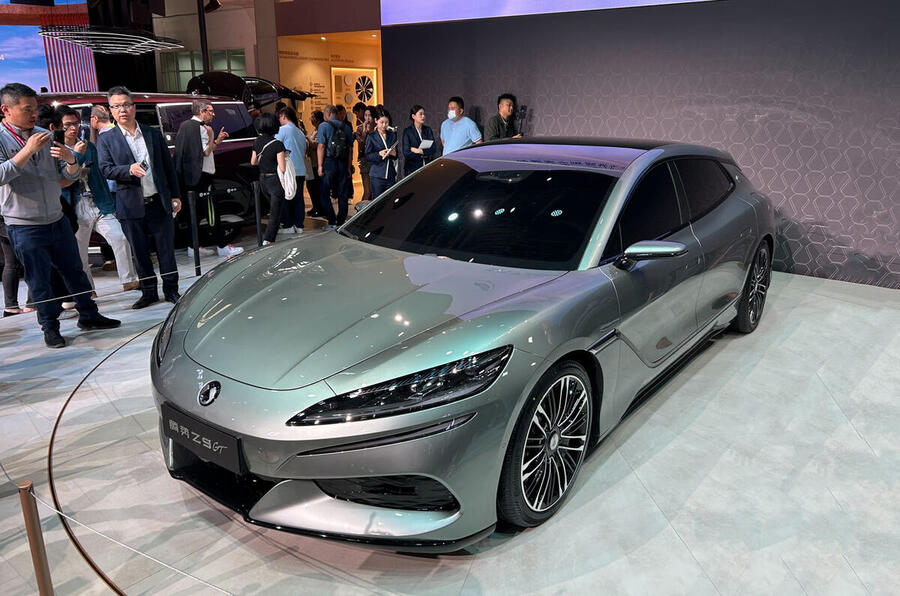
BYD-owned Denza hopes its upmarket Z9 GT will challenge stalwarts BMW and Audi. In its most powerful specification, this saloon/shooting brake will pump out 952bhp and 1018lb ft of torque. 0-62mph? Just 2.9sec…
Read more about the Denza Z9 GT
DS N°8
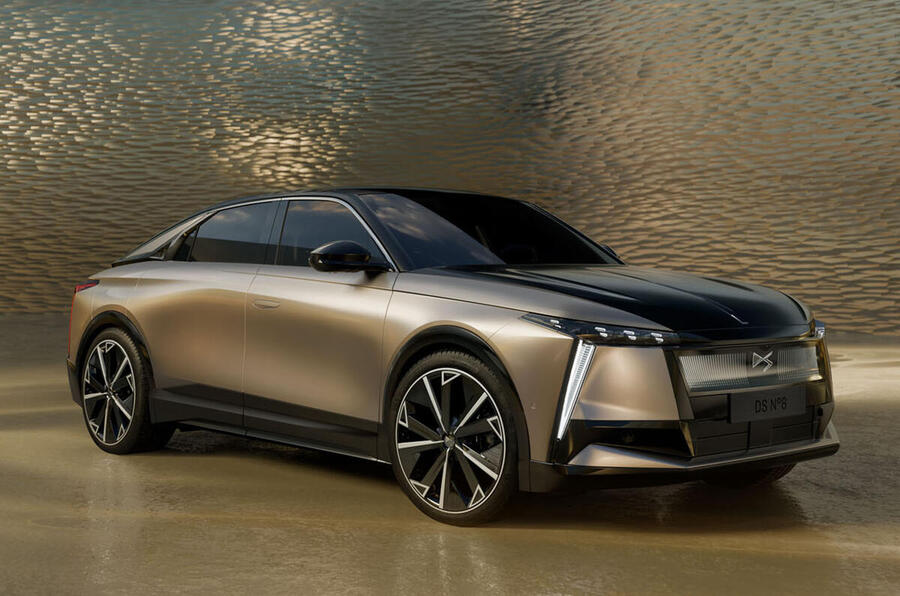
Stellantis’s bold French premium brand is bringing its new electric flagship to the UK. In its top specs, the N°8 offers 370bhp and a range of up to 426 miles, making it one of the longest-legged electric cars on offer.
Prices will start from £50,790 and top out at £63,290. Entry-level models start with a 256bhp front-mounted motor and a 74kWh battery, good for a WLTP-backed 355 miles of range. There’s a big-battery variant that gains the impressive 426-mile headline figures, while all-wheel drive will be an option too.
Read more about the DS N°8
Genesis GV60 Magma
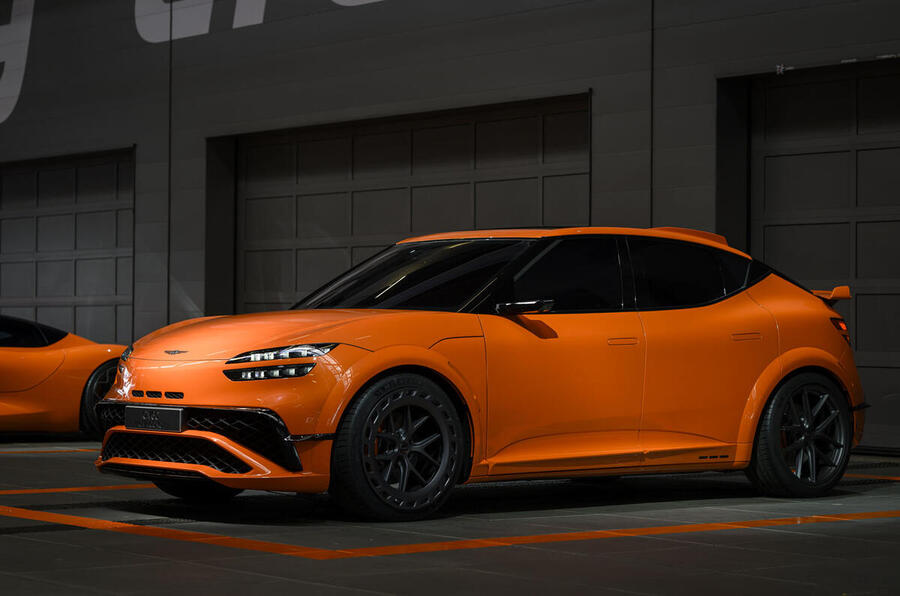
This more upmarket alternative to the hot Hyundai Ioniq 5 N will adopt similar underpinnings, such as its 89kWh battery and 641bhp dual-motor powertrain. Its chief development manager said it's tailored for “the gentleman driver” but encourages driving in “an exciting, enthusiastic way.”
Read more about the Genesis GV60 Magma
GWM Ora 07
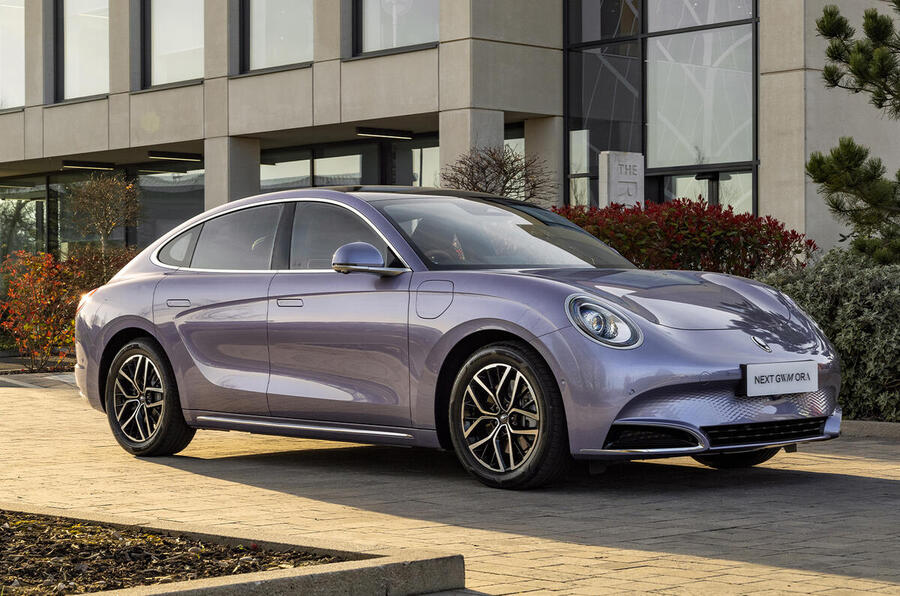
The Ora 07 is a saloon counterpart to the Ora 03 supermini (formerly the Ora Funky Cat), with a price expected to land below £35,000. In its most premium specification, drivers can expect 354 miles of range and crazy performance, with 402bhp from two motors.
Read our GWM Ora 07 prototype review
Hyundai Ioniq 6 N
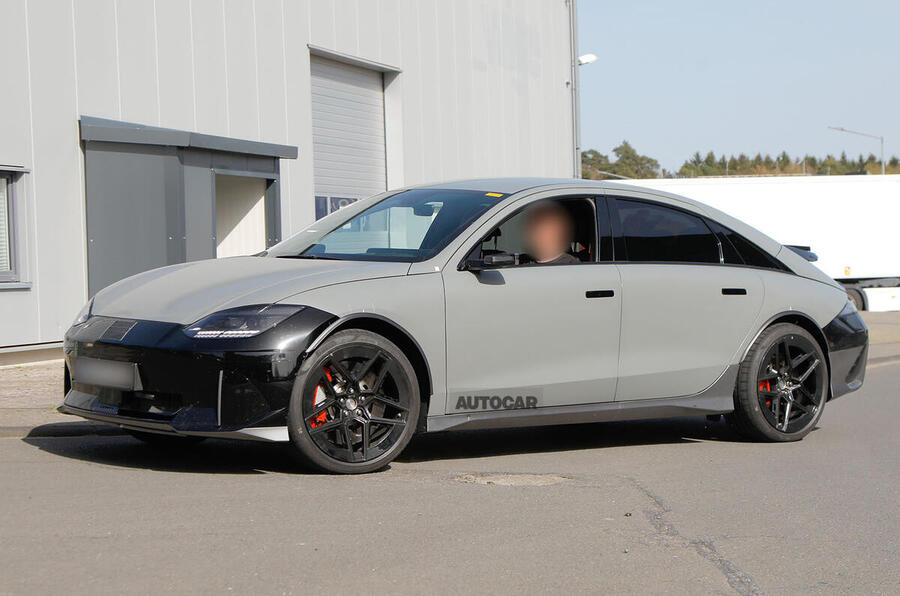
Based on the success of the Ioniq 5 N, we’re expecting big things from the Ioniq 6 N sports saloon. It’s expected to use an 86kWh battery and dual electric motors for four-wheel drive, but its performance is the juiciest part: 641bhp and 549lb ft. We can’t wait.
Read more about the Hyundai Ioniq 6 N
Hyundai Ioniq 9
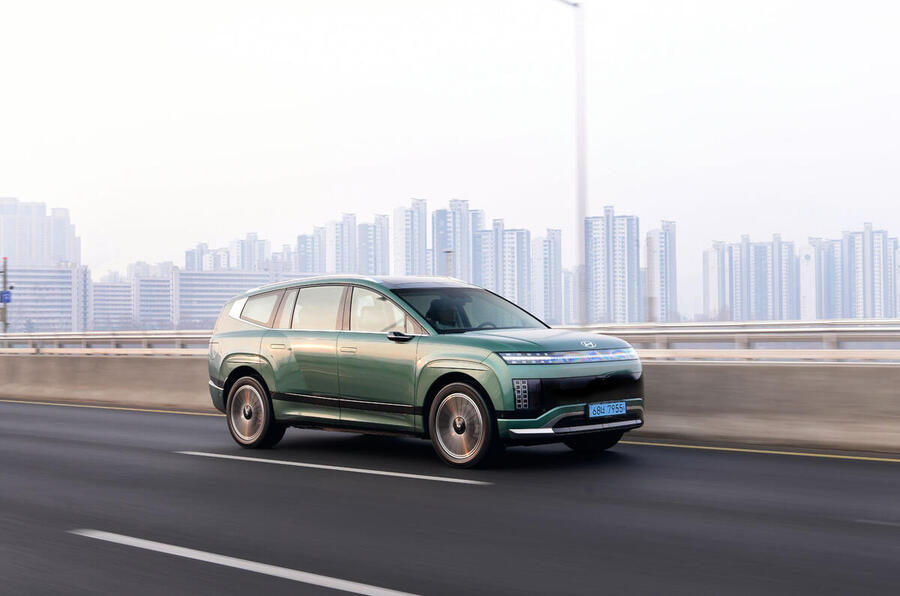
Closely related to the Kia EV9, the Ioniq 9 comes with seven seats and a flood of technology, topping the Ioniq EV range in the process.
The entry-level Long Range RWD model uses a single 215bhp motor, giving it an official range of nearly 400 miles.
Read our Hyundai Ioniq 9 review
Jeep Compass Electric
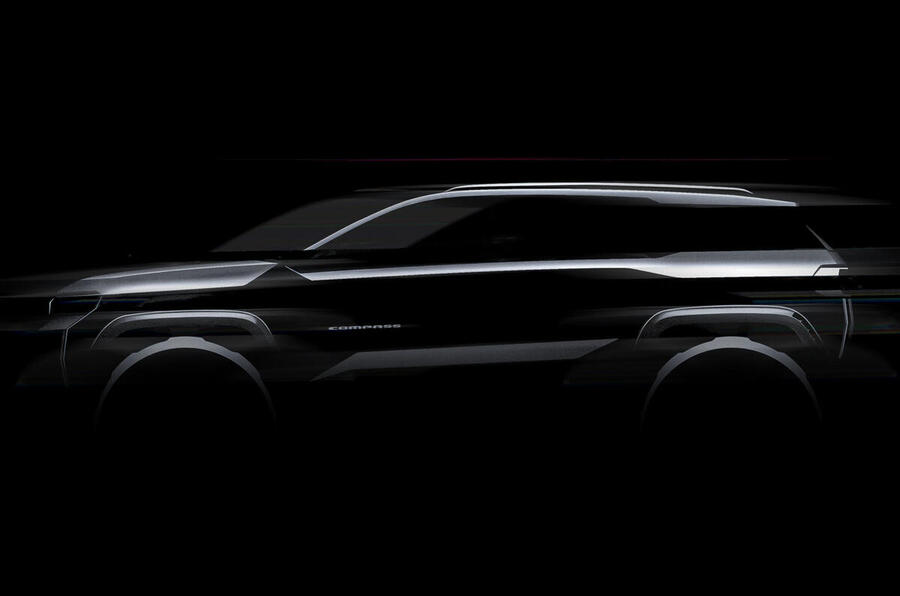
Set to receive both petrol and electric power, the next-generation Compass will go into production in Italy later this year. It will get a 207bhp electric motor and a 73kWh battery pack, sitting just above the Avenger in the Jeep line-up.
Read more about the electric Jeep Compass
Jeep Wagoneer S
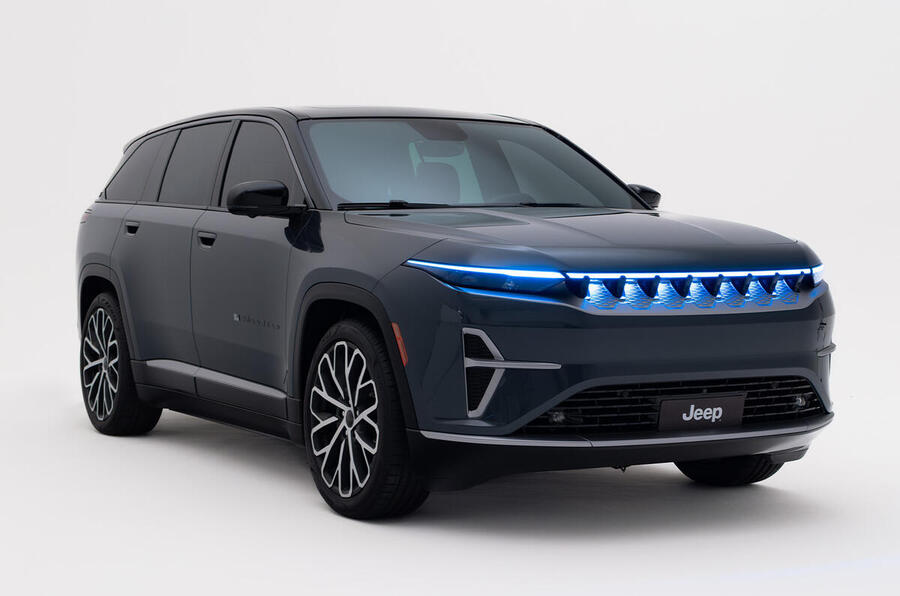
Jeep’s new flagship will offer incredible performance in the body of a rugged off-roader, with a claimed output of 592bhp and 516lb ft. Four-wheel drive comes from two motors, and 0-62mph will take just 3.4sec. Range is said to stand at over 300 miles.
Read more about the Jeep Wagoneer S
KGM 0100
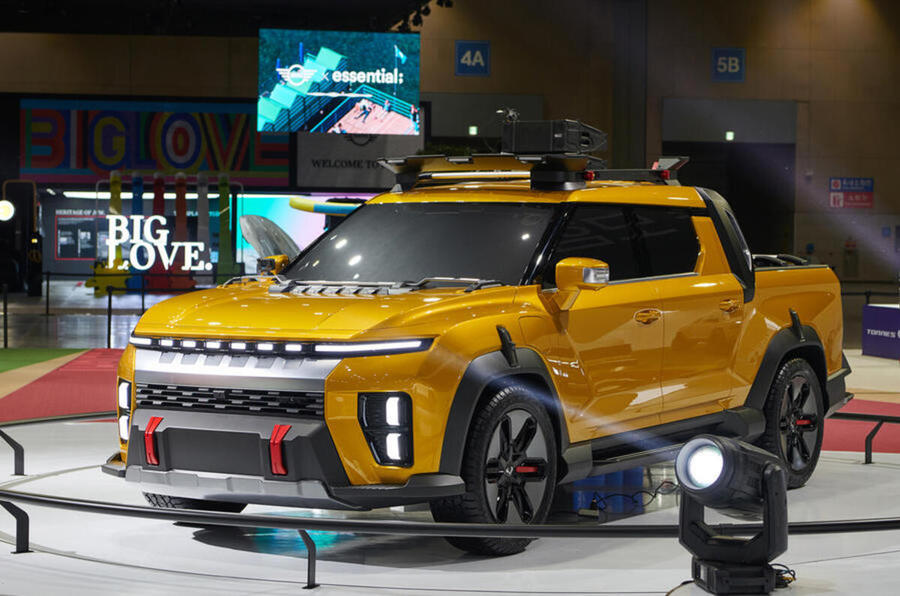
The brand formerly known as Ssangyong's next pick-up truck will be an EV using mechanicals supplied by China’s BYD. Much of the hardware is shared with the Torres eVX SUV, including a choice of 73.4kWh and 80.1kWh batteries. No word on payload capacity, though.
Read more about the KGM 0100
Kia EV4
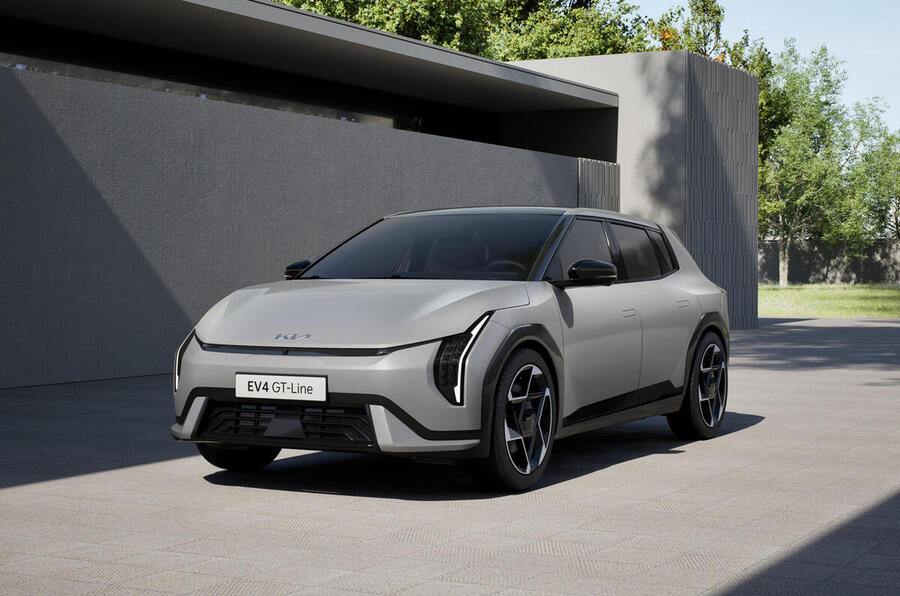
Kia isn’t just relying on SUVs in 2025: its EV4 will breathe new life in the saloon class, rivalling the venerable Tesla Model 3. Versions coming to the UK will be offered with 215bhp front-wheel-drive and 320bhp four-wheel-drive powertrains.
Read more about the Kia EV4
Kia EV5
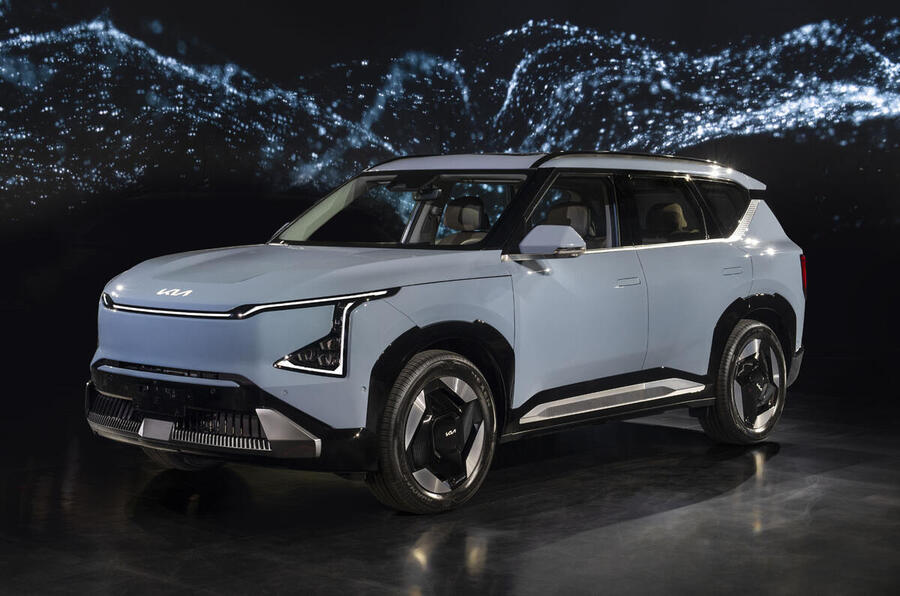
Effectively an electric Sportage, the EV5 follows the introduction of the seven-seat EV9 and compact EV3 crossovers. Battery sizes stretch from 58kWh to 88kWh and Kia says the biggest-battery model can offer 403 miles of range.
Read more about the Kia EV5
Kia EV9 GT
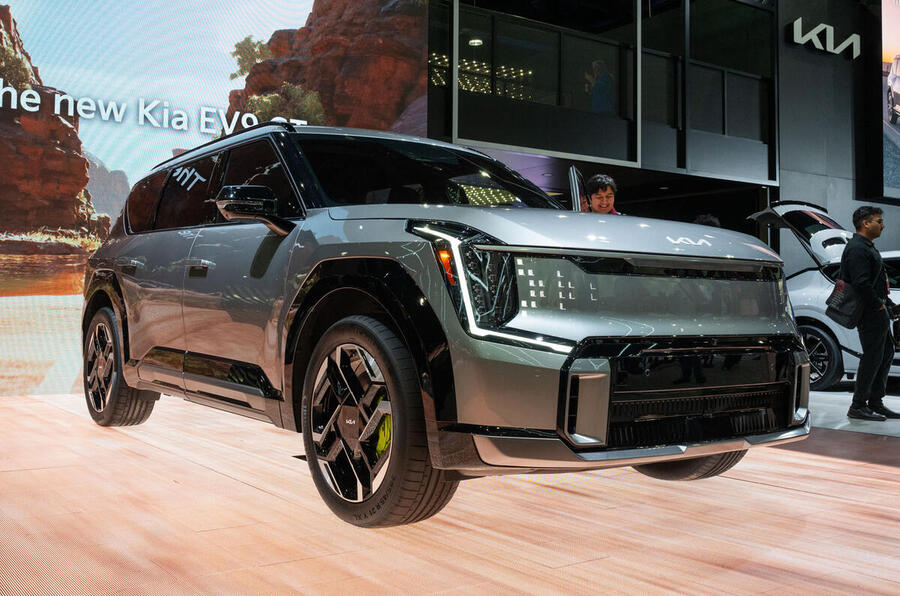
The EV9 GT will be one of the fastest seven-seaters in the world, capable of hitting 0-62mph in just 4.3sec. Total power output stands at 501bhp, but it’s still to be revealed how this outrageous performance will impact the EV9's range.
Read more about the Kia EV9 GT
Kia PV5
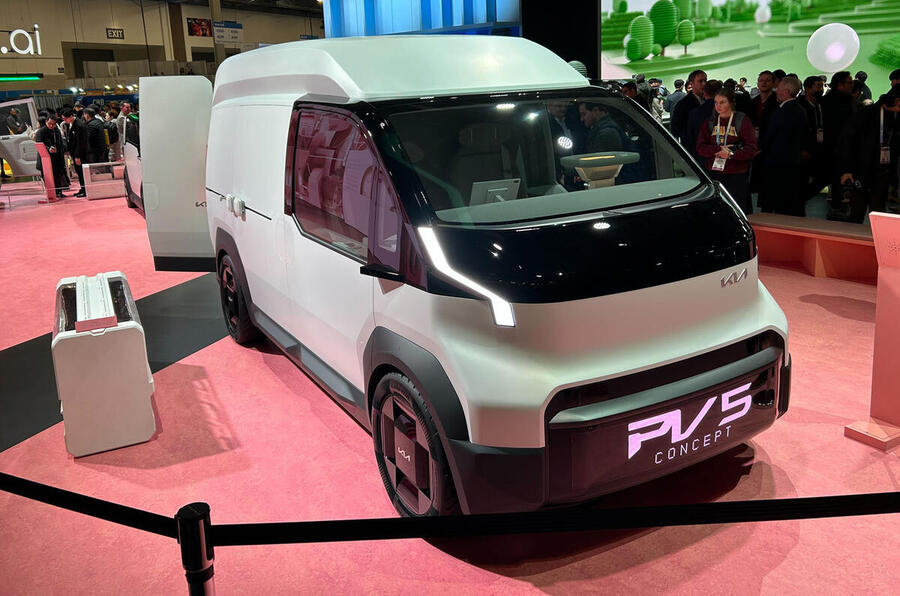
Kia’s entry into the commercial vehicle market will start with the 4.7m-long PV5. Based on a highly configurable platform, it will initially be launched as a cargo van and a seven-seat MPV, before a pick-up variant and an autonomous taxi arrive later down the line.
Read more about the Kia PV5
Leapmotor B10
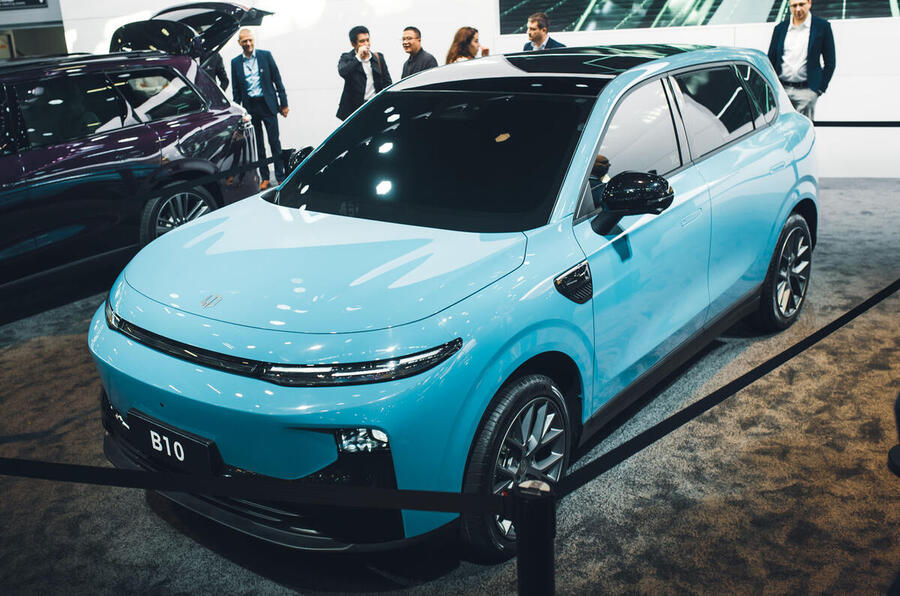
Stellantis-backed Chinese car firm Leapmotor unwrapped this compact crossover at the 2024 Paris motor show, but we’re still awaiting battery and power figures. It should borrow from the larger Leapmotor C10 but come in even cheaper, at under £30,000.
Read more about the Leapmotor B10
LEVC L380
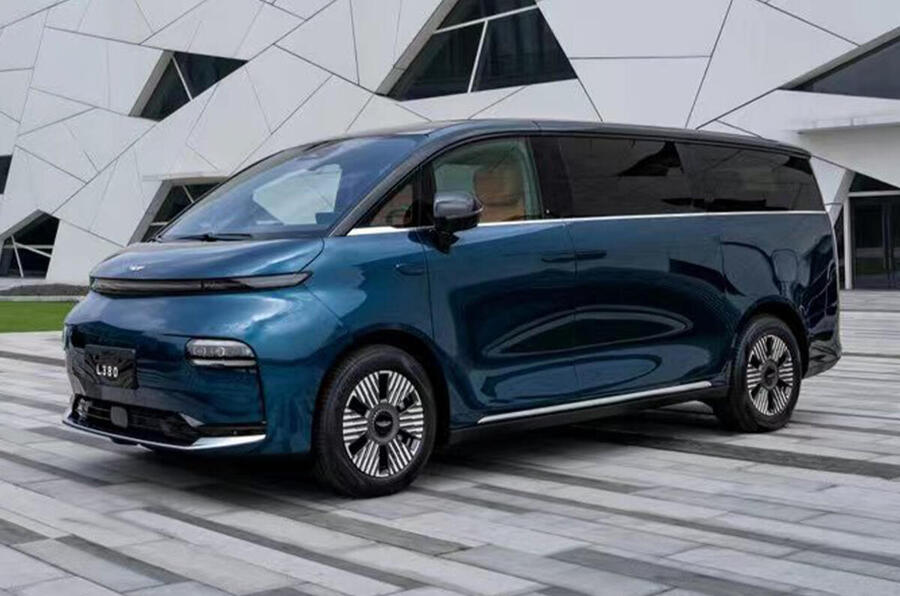
London taxi maker LEVC has unveiled an eight-seat MPV with an interior inspired by luxury airline travel. It will come with a 268bhp electric motor plus a maximum battery size of 120kWh, so you can ferry people around for up to 432 miles.
Read more about the LEVC L380
Maxus Mifa 7
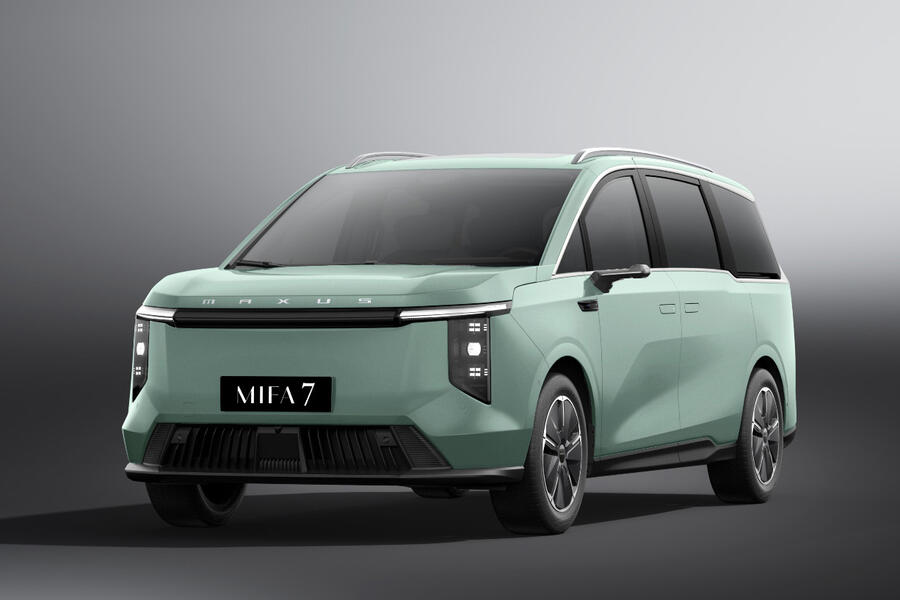
MG's commercial sibling brand is following its huge Mifa 9 with a smaller MPV to rival the Volkswagen ID Buzz LWB. Seemingly styled after a laptop, it has seven seats and a 255-mile range.
Read more about Maxus EVs
Mercedes-Benz CLA
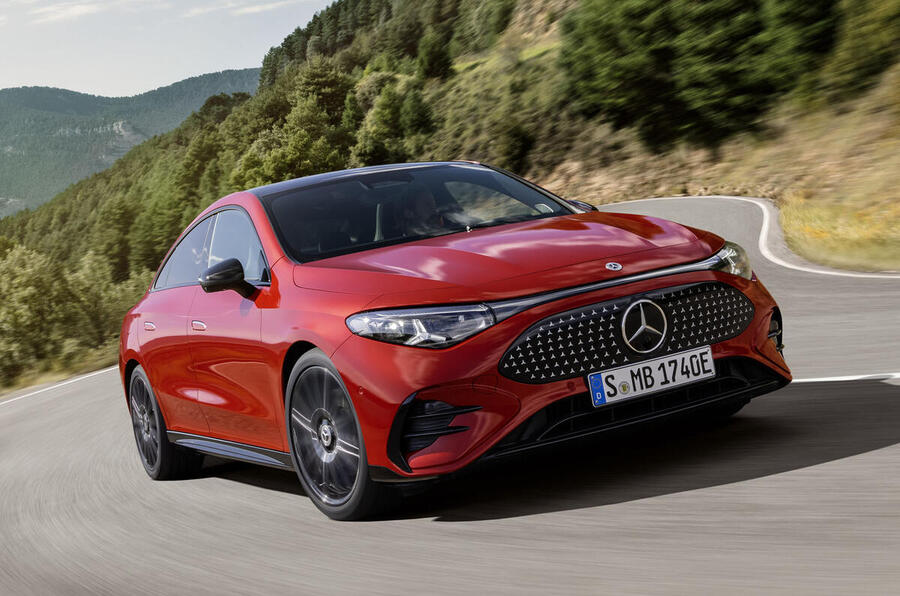
The next-generation CLA has officially been unveiled as Europe's longest-range electric car. It's set to be the most efficient EV too, with a claimed 492-mile range and an efficiency figure north of 5.0mpkWh.
Read more about the new electric Mercedes CLA
Mercedes-AMG CLA 45
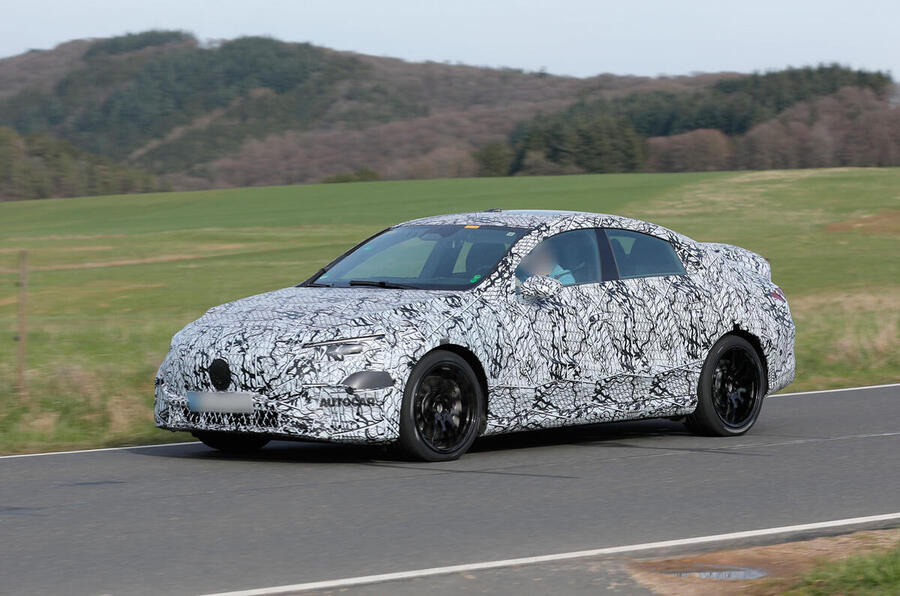
AMG's patented axial-flux motors were supposed to be confined to the company's more expensive models. But the hot version of the CLA will get them too.
Which means this super-slippery efficiency-oriented EV will get 500bhp-plus and an active aero package with an air brake.
Everything we know about the Mercedes-AMG CLA 45
MG Cyberster GTS
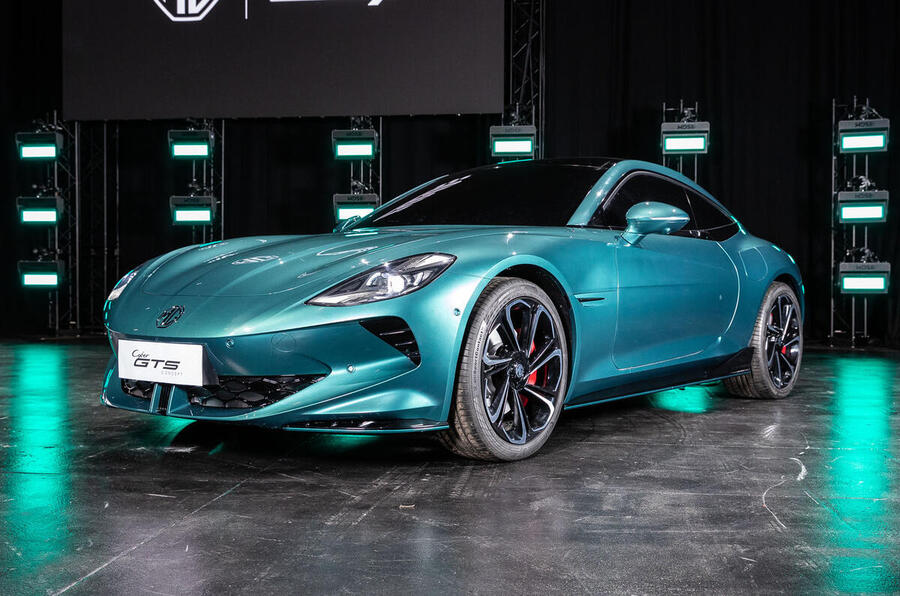
MG surprised us all when it announced a 2+2 coupé version of its recently launched Cyberster roadster. It's likely to carry the same battery and motors as the standard Cyberster but will feel more like an MG B than an MG F.
Read our MG Cyberster review
Nissan Leaf
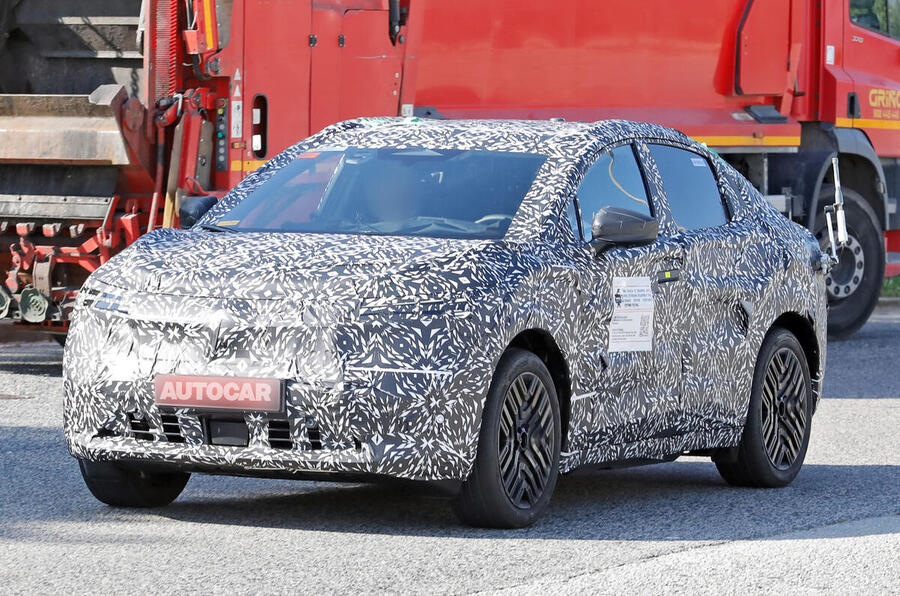
Sunderland is getting ready for production of the Mk3 Nissan Leaf, which has transformed from hatchback to crossover. It’s likely to use similar underpinnings to the Renault Scenic, which has 60kWh and 87kWh batteries for up to 379 miles of range.
Read more about the new Nissan Leaf
Nissan Micra
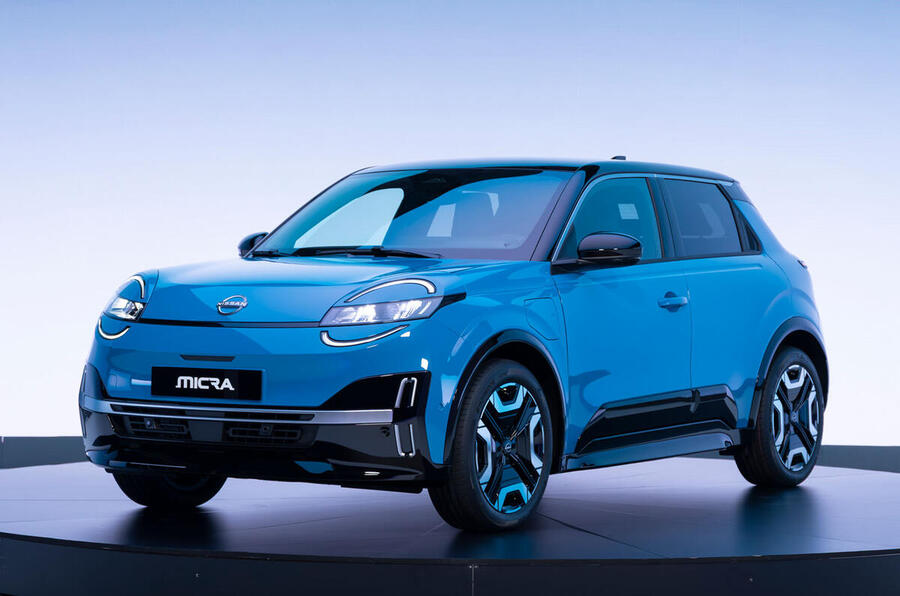
The reborn Micra supermini will take the underpinnings of the much-celebrated new Renault 5 and re-work it into a new "funky" body.
Mechanically it's the same - so it will be drawing power from either a 40kWh or 52kWh battery - and the interior is untouched too.
Read more about the new electric Nissan Micra
Onvo L60
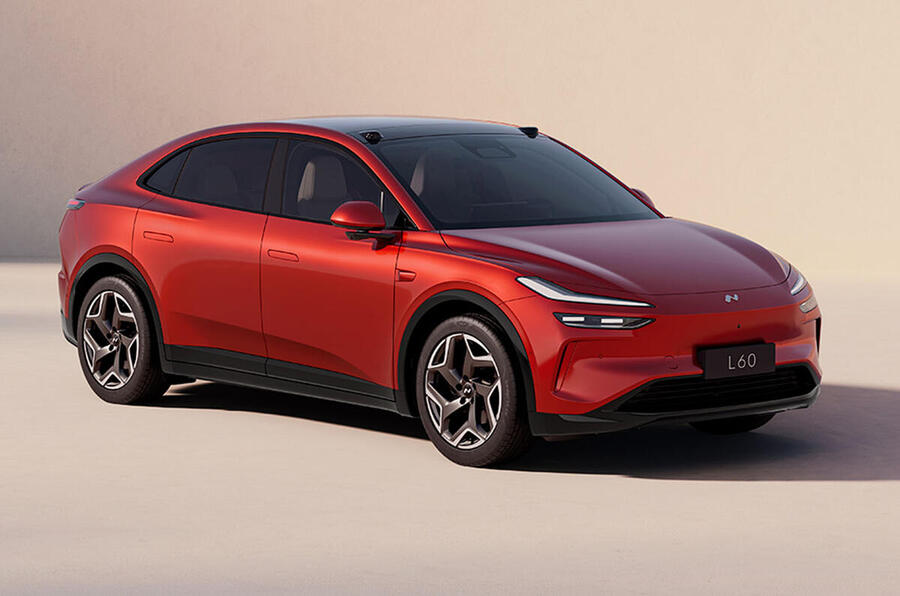
Nio’s affordable EV brand, Onvo, will launch in Europe with the L60, an electric coupé-SUV that's claimed to be the most aerodynamically efficient EV on the market. It will offer a choice of proven BYD batteries, but range figures haven't yet been published.
Read more about the Onvo L60
Peugeot e-408
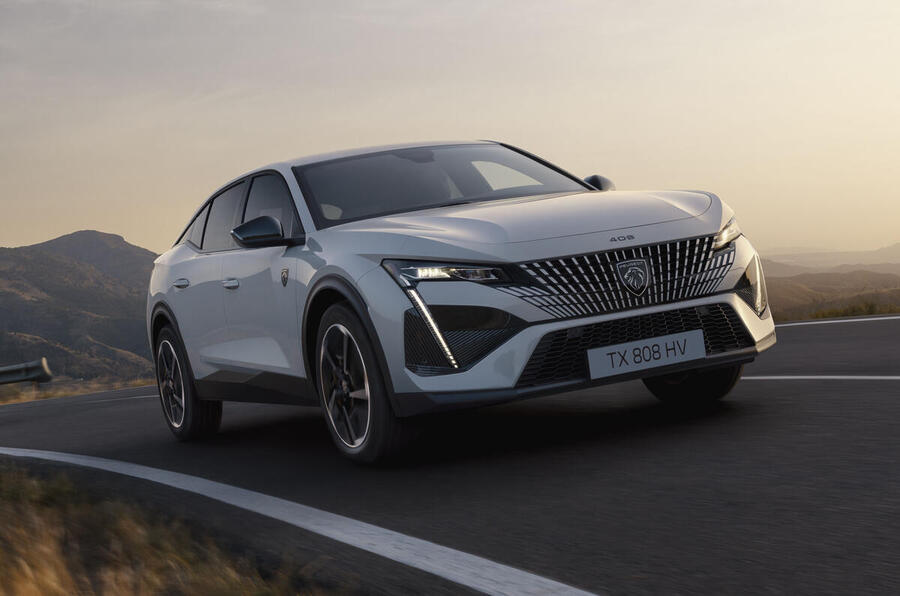
Electric power comes to Peugeot’s stylish coupé-SUV. A 59.2kWh battery supplies power to a 207bhp motor and produces a range of 281 miles. Prices have already been announced, starting at £42,175 for the basic Allure model and rising to £44,945 for the GT.
Read more about the Peugeot e-408
Polestar 5
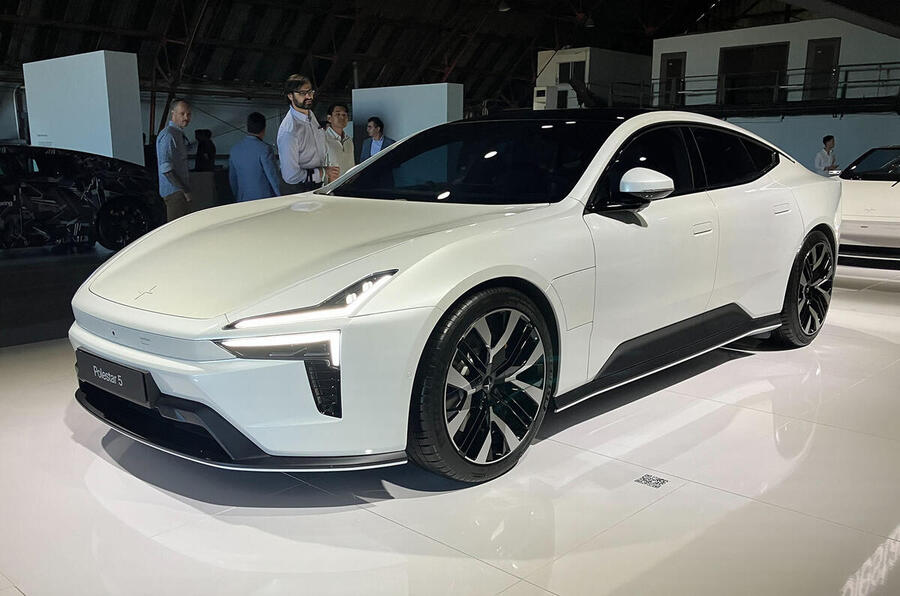
The Porsche Taycan won’t be sleeping easy with the 5 on its tail. That’s if its charging statistics are anything to go by. Polestar says the saloon's new tech means it can gain 100 miles' worth of charge in just five minutes while avoiding battery degradation.
Read more about the Polestar 5
Range Rover Electric
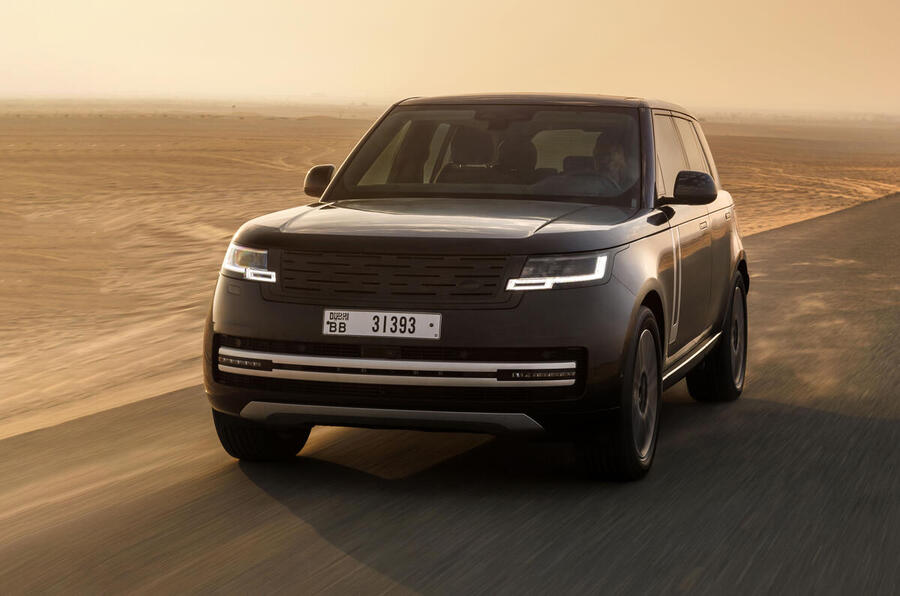
The Range Rover Electric might be the year’s most anticipated EV, with superb off-road ability and class-leading comfort expected. Technical details are still under wraps, but we’ve been told it should offer performance comparable to the V8-engined Range Rover.
Read more about the Range Rover Electric
Renault 4
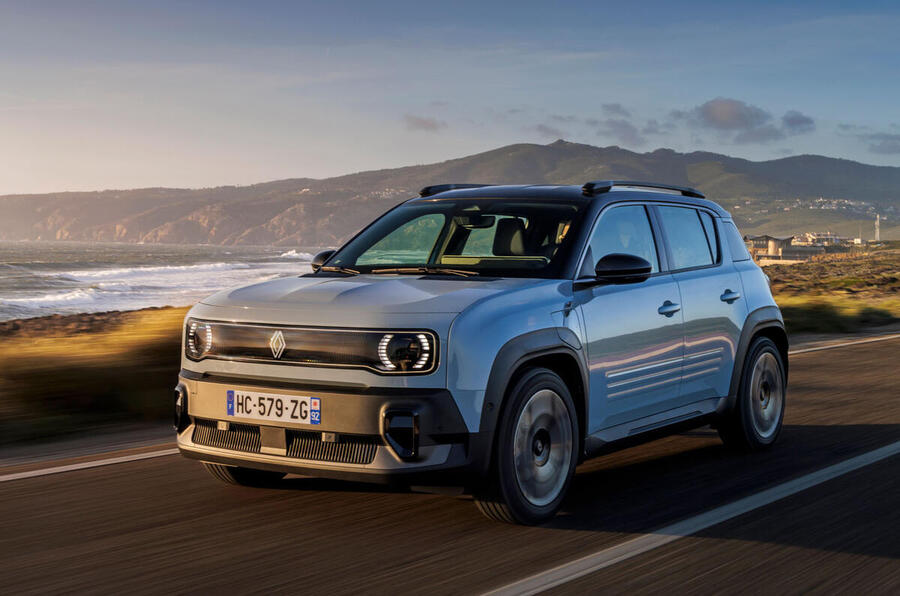
This crossover sibling of the Renault 5 uses a 118bhp front-mounted motor and a 40kWh battery for 190 miles of range in entry-level form, or buyers can opt for a 148bhp motor and a 52kWh battery for 250 miles of range.
Read our Renault 4 review
Skoda Elroq
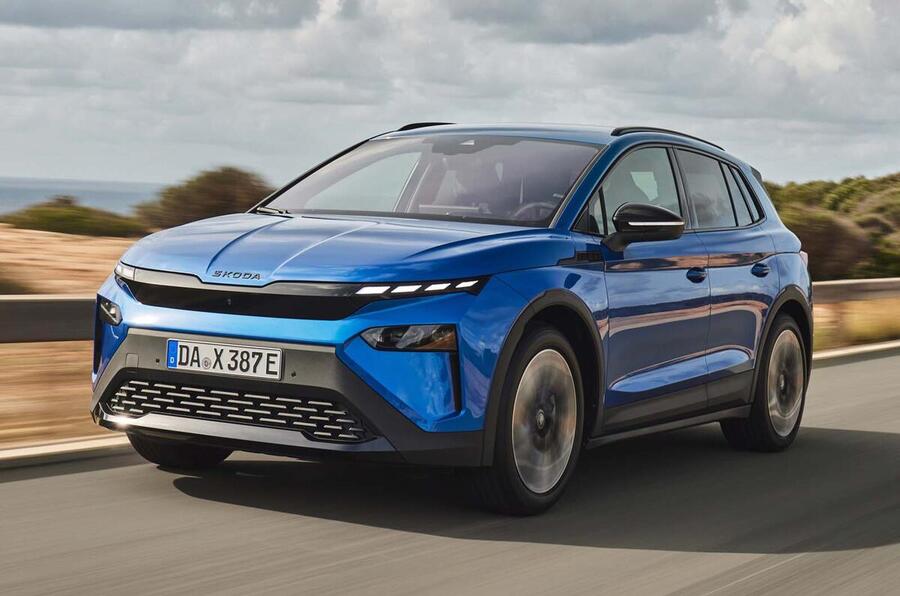
The second EV to join Skoda’s model range comes in the form of a well-rounded SUV with a £31,500 price tag. It should prove to be decent value for money, with 360 miles of range, charging speeds of 145kW and a well-rounded drive.
Read our Skoda Elroq review
Skywell Q
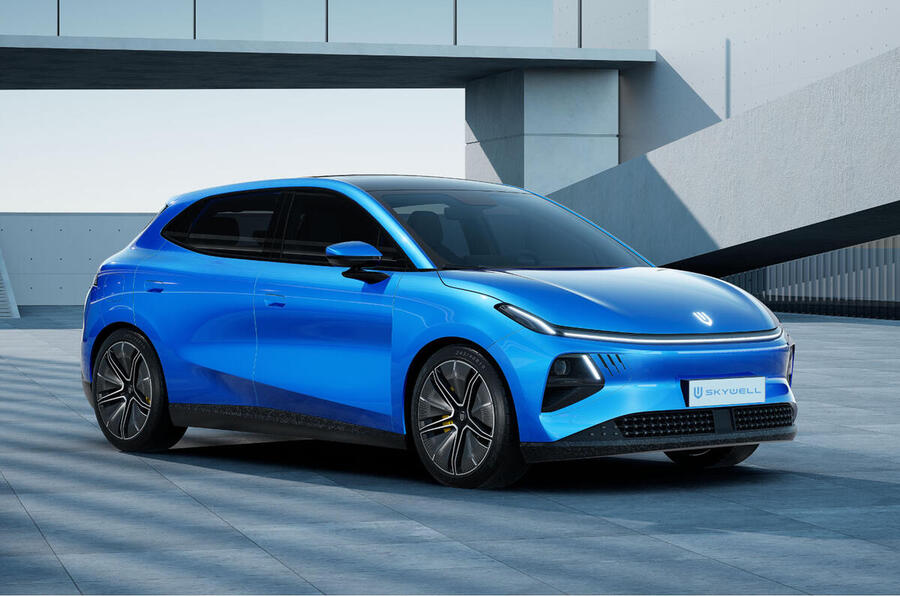
The follow-up to Chinese EV maker Skywell's BE11 crossover, the Q hatchback claims a range of more than 300 miles. Power is punchy, at 201bhp, with a claimed 0-62mph sprint time of 3.9sec.
Read more about the Skywell Q hatchback
Skywell Skyhome
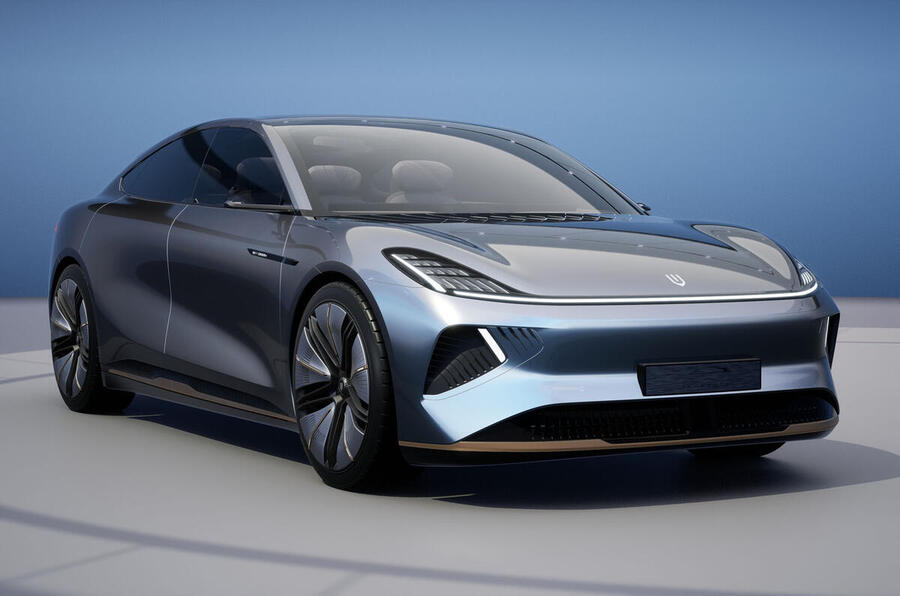
This Chinese limousine will look to upset the Mercedes-Benz EQS with sumptuous luxury. Aside from a roof-mounted TV, we don’t know all that much about its technological side. It is, however, claimed to produce 617bhp in dual-motor form.
Read more about the Skywell Skyhome
Smart #5
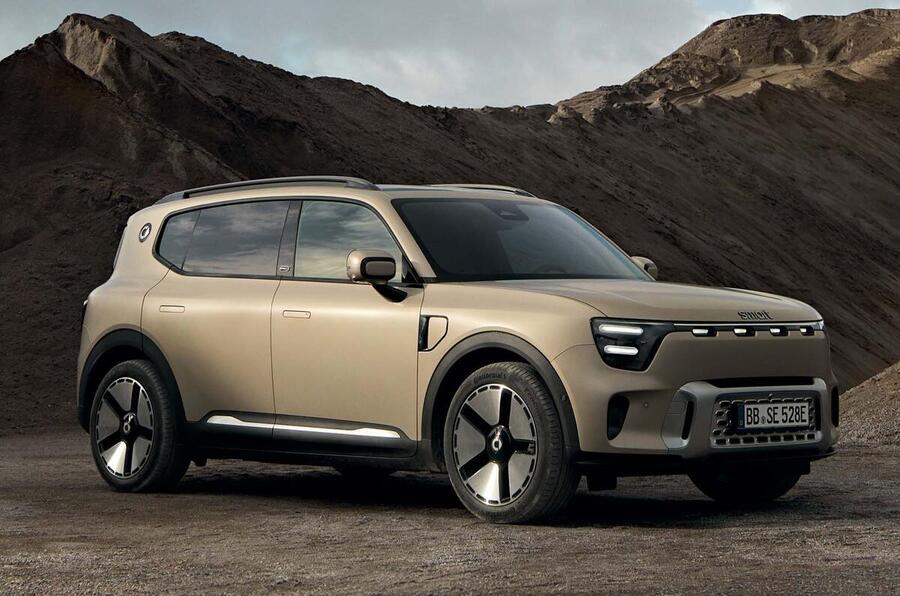
We can’t get enough of rugged electric SUVs, and the #5 ticks all the right boxes. Far larger than the #1 and #3, it's similar in size to the Peugeot 5008. It packs 637bhp in dual-motor form, while the biggest battery can hold a whopping 100kWh of energy.
Read our Smart #5 review
Tesla ‘Model 2’
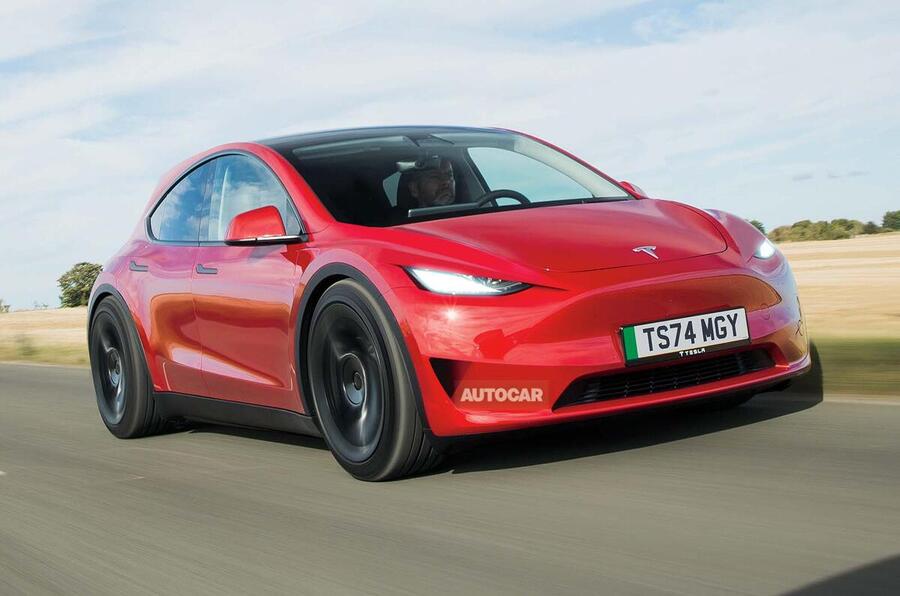
This should finally be the year that Tesla’s long-anticipated entry-level model – believed to be a hatchback – will arrive, supposedly costing less than £25,000.
Read more about the Tesla Model 2
Toyota bZ3X
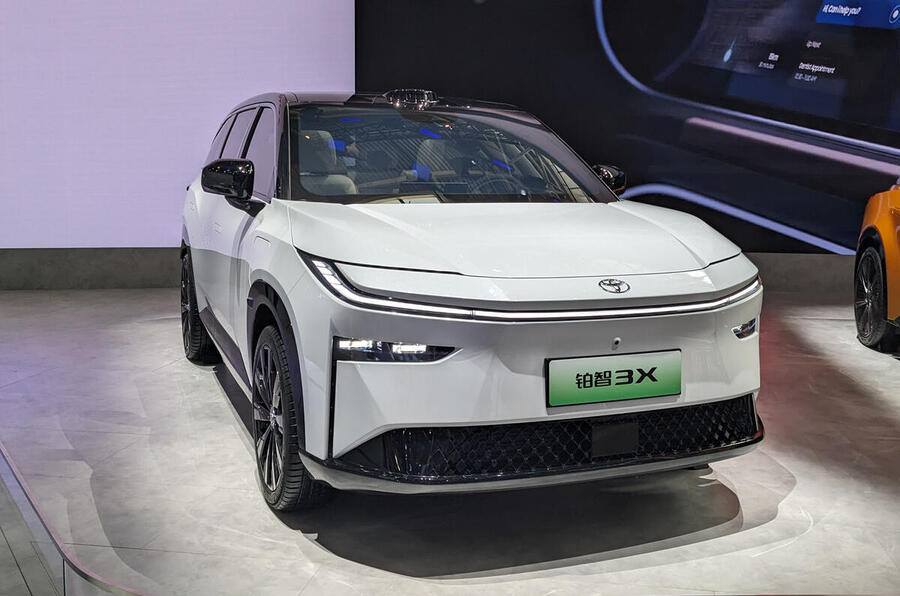
This compact crossover will be built as part of Toyota’s joint venture with Chinese brand GAC. It will sit below the bZ4X and be sold alongside a fastback version, named the bZ3C. Range is pegged at 373 miles.
Read more about the Toyota bZ3X
Toyota bZ4X facelift
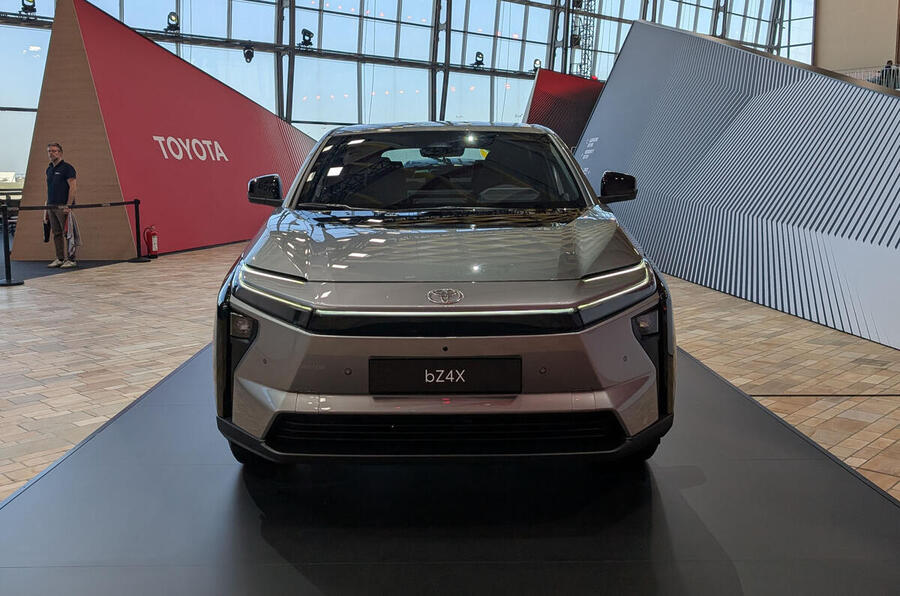
Toyota's electric SUV is set to get a smaller battery and a new face.
The new 57.7kWh battery will be available alongside the 73.1kWh pack and will be exclusively paired with a single, front-mounted, 165bhp motor. Range will increase from 318 to 356 miles.
Everything we know about the new Toyota bZ4x
Volvo ES90
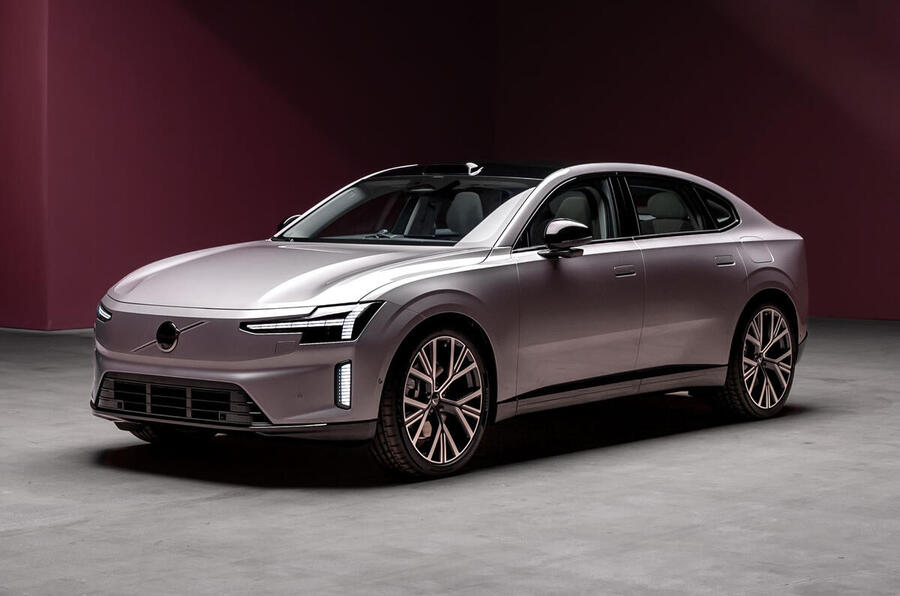
Volvo’s first electric saloon will act as the premium brand’s flagship, sharing much of its underpinnings with the tech-rich new EX90 SUV. It will undercut the SUV significantly, with prices starting from around £70,000.
Its slippery shape should give it a range in excess of 400 miles.
Read more about the Volvo ES90
Volvo EX30 Cross Country

Volvo's smallest EV gets a rugged design overhaul including front and rear skidplates, while its ride height increases by 19mm. Beneath the metal, it gets softened suspension and all-wheel drive. It'll be everything a 'weekend explorer' will need, Volvo says.
Read more about the Volvo EX30 Cross Country

Three-Pedal Adventure: Finding the Perfect Manual Car for a College Grad

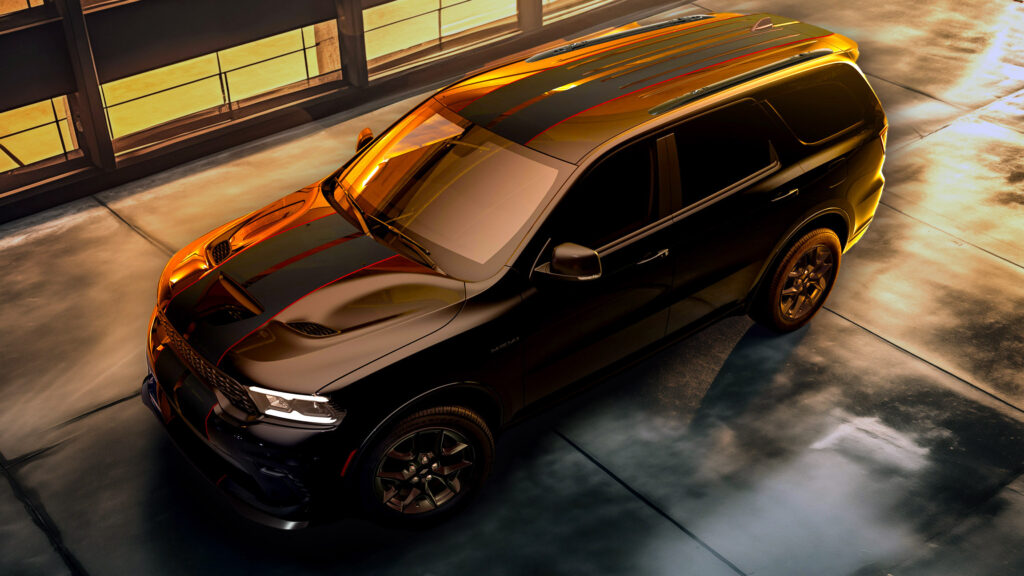
Dodge Unleashes 2026 Durango: More Hemi Power and Exciting Roadkill Nights Return