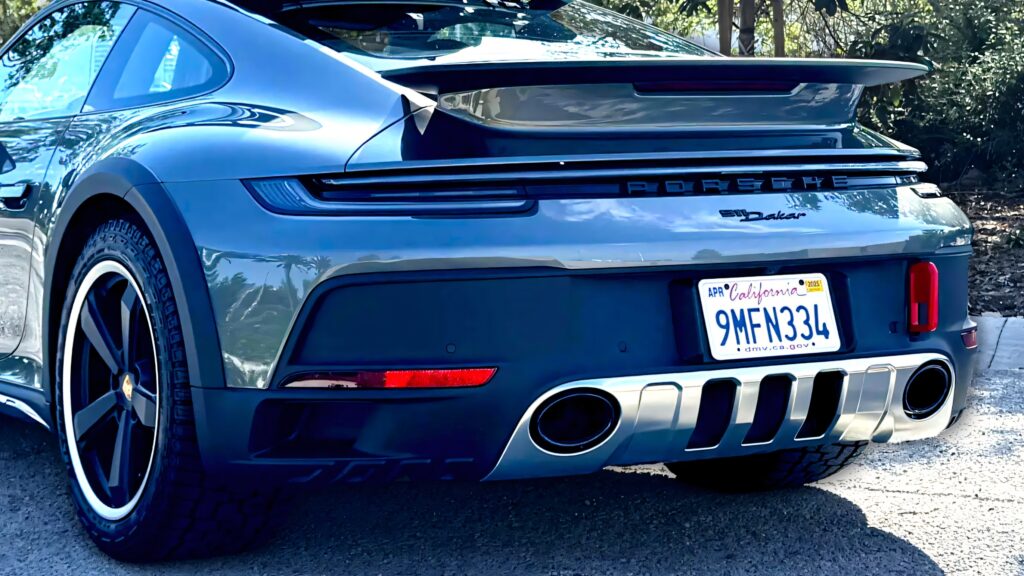
Porsche 911 Dakar: The Off-Road Legend That Sits in Style
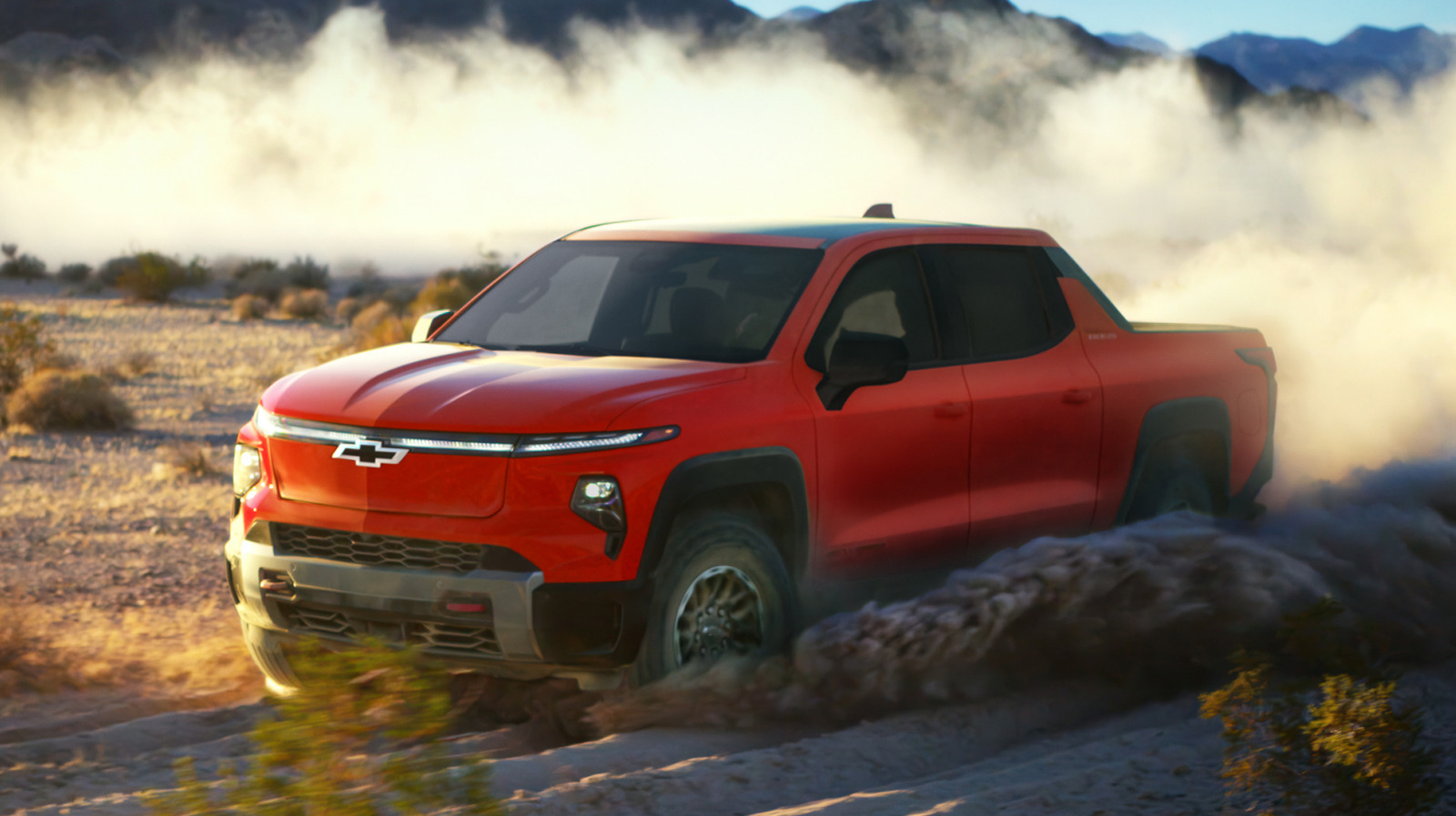
Unleashing Power: The Silverado EV Trail Boss Set to Exceed 8,500 Pounds
Ford Accuses Lawyers of $100 Million Fraud in Lemon Law Case
UK Government Considers Raising Luxury Car Tax Threshold to Boost EV Adoption
 All cars costing more than £40k are charged the Expensive Car Supplement, but the average EV costs around £50k
The UK government is considering raising the 'luxury car tax' threshold for electric cars in a bid to drive uptake.
Currently, the Expensive Car Supplement (ECS) applies to all cars – including EVs as of 1 April 2025 – priced above £40,000, adding £425 annually in additional vehicle excise duty (VED) from years two to six after purchase.
In conjunction with the standard annual VED rate of £195 (applicable to EVs from year two), that means £40,000-plus cars attract a tax bill of £3100 in the first six years.
With the average EV costing well over £40,000 (various sources put it at around £10,000 more than that), there has been criticism that the scheme is at odds with the government's zero-emission vehicle (ZEV) mandate, under which manufacturers must achieve a 28% EV sales mix this year, rising to 80% in 2030.
In April, EVs accounted for just 20.4% of new car registrations - behind even last year's ZEV mandate target of 22% – and they currently account for just 10.7% of private car sales, prompting calls for the government to incentivise retail car buyers to switch to EVs.
Stellantis UK boss Eurig Druce told Autocar: “We’d like to see a review of this new taxation, with a raised threshold, so that UK drivers have fewer barriers in order to make the switch to electric cars."
And Ford slammed the government's decision to impose VED on EVs at a time when it's also penalising manufacturers for not selling enough, saying: "Introducing VED for EVs from April risks slowing adoption at a crucial time for the industry."
Now, though, the government has given the first indication that it is considering an adjustment to the ECS scheme, which could result in dramatically reduced VED costs for a large number of EVs currently on sale in the UK.
Minister for the future of roads Lilian Greenwood wrote in a letter sent to a local MP and seen by Autocar that measures were being considered to make it easier for the mandated sales mixes to be achieved in the coming years.
"As announced at Autumn Budget 2024, the Government recognises the disproportionate impact of the current VED Expensive Car Supplement threshold for those purchasing zero emission cars from 1 April 2025," she wrote.
"We will consider raising the threshold for zero-emission cars only at a future fiscal event to make it easier to buy electric cars."
Greenwood offered no details of when that 'fiscal event' would be, but the Autumn Budget is expected to be announced in October.
Autocar has contacted the Department for Transport (DfT) for further comment.
EV sales surged in the run-up to 1 April 2025, when EVs became subject to the ECS, recording a massive 41.7% year-on-year uptick to claim a 25.3% market share.
The following month, despite manufacturers trimming the price of various electric models below £40,000 to swerve the ECS, EVs' market share dropped to 20.4%.
A wave of more affordable electric cars – from Stellantis, the Volkswagen Group and Renault, among others – are due to arrive on the market in the next two years, but EVs remain broadly significantly more expensive than ICE equivalents due to the much higher cost of batteries compared with engines.
The BMW i4 saloon, for example, starts at £51,280 in the UK, compared with £41,875 for the cheapest 3 Series saloon. The new Volkswagen ID 7 Tourer similarly starts at £51,795 while the same-sized Passat estate costs £39,840.
These disparities in price between equivalent EV and ICE models are cited as a significant inhibitor of EV uptake - particularly among retail buyers, as the benefit-in-kind (BIK) tax advantages for fleet buyers greatly reduce the premium.
The government recently tweaked the framework of the ZEV mandate, in consultation with manufacturers, to make the goals more achievable.
It confirmed that hybrid cars can remain on sale post-2030 and simplified the emissions credits trading scheme – but the ECS threshold wasn't among the changes.

Volkswagen’s Shift: How Trump’s Return is Reshaping Corporate Diversity Strategies
European Shift: BYD Surges Ahead of Tesla as UAW Raises Job Concerns at Stellantis
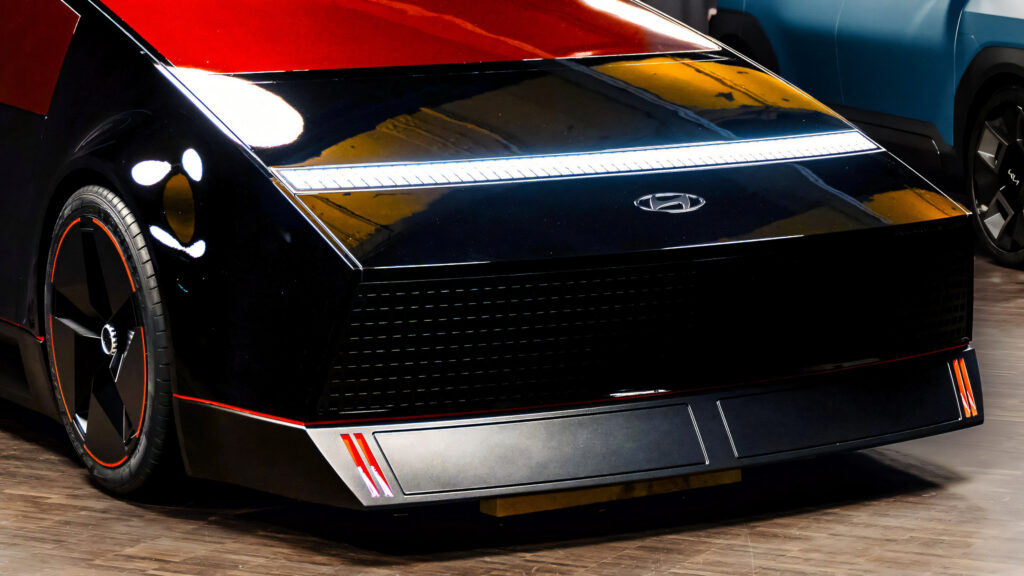
Hyundai’s Obsidian: A Student-Designed Vision of the Future of Sports Cars

UK Car Industry Holds Its Breath as US Tariff Deal Details Remain Elusive
 Many UK car makers still remain in the lurch as crucial details have yet to come to light
The relief that followed the government’s announcement that the UK was first to agree a deal with the US to lower the worst of president Donald Trump’s tariff hikes on imported cars has been tempered by concern in the industry that the details are still hazy.
The so-called US-UK economic prosperity deal agreed that the tariffs of 27.5% on UK cars imported to the US would be cut to 10% on a maximum of 100,000 cars per year.
But the wording of the agreement showed that the deal remains in principle only, with details to be thrashed out “following a reasonable period of negotiation”.
UK car makers including Lotus, Bentley and JLR are now pressing for concrete answers as they reset their US businesses following the significant upheaval caused by the tariff changes in the past couple of months, including the halting of shipments.
“The headline numbers are out there, but actually the specifics behind it still haven't been clarified,” new Lotus Europe CEO Matt Windle told Autocar. “There's product that's ready to ship… but what we don't want to do is jump the gun and end up getting clobbered on tariffs.”
Perhaps the biggest question is who qualifies for the 100,000-car quota and who pays when it’s reached, which it almost certainly will be.
Last year, the UK shipped around 107,000 cars to the US, according to figures published by the Society of Motor Manufacturers and Traders (SMMT), and car makers were hoping to improve on that to counter the shrinkage that all luxury brands are experiencing in China.
For example, JLR sales grew 27% last year in the US to 120,279. (Not all JLR models come from the UK – for example, the Defender and the Discovery.)
“How it works is the big question,” Bentley CEO Frank-Steffen Walliser told the audience at the recent Financial Times Future of the Car conference. “Anyone in the room know? If it’s 100,000 cars for Bentley, I can live with that,” he joked, before adding: “[The deal] was highly appreciated. But it's still not operational. There is a long list of open questions at the moment for sure.”
In his announcement in May at the JLR Solihull plant, UK prime minister Sir Keir Starmer said he hoped to increase that quota.
SMMT chief executive Mike Hawes was similarly relaxed. “Exactly how the 100,000 is allocated is still to be determined,” he told the audience at the SMMT's annual test day. “[But] ultimately we view this as a floor rather than a ceiling.”
The other potential sticking point are rules of origin. These are requirements attached to every trade deal that a certain percentage of the car’s value originates in that country – eg. the use of locally made parts. That way, the two countries prevent the deal from inadvertently enriching a third country.
The requirements have yet to be determined but would have to take into account that UK cars are built with a high percentage of parts from the European Union.
The EU-UK deal following Brexit came with an onerous rules-of-origin requirement but at least the counterparty on that deal was a big source of parts. However, the EU has yet to agree a deal with the US, which could complicate the details of the US-UK deal.
Car makers and the SMMT have expressed their appreciation that the deal was done so quickly, even though the 10% tariff is still substantially higher than the 2.5% they were paying before.
“We really welcome the deal,” JLR chief financial officer Richard Molyneux said on his company’s recent earnings call. The company was facing a 1000% increase on the tariff bill for its biggest market, which accounted for a third of all its cars sold globally in the financial year to the end of March.
“But remember, there will still be a 300% increase in the cost of tariffs versus where we were in March,” Molyneux warned investors.
Windle was also keen to point out the difference. “Something that's getting lost is that we are in a worse position than before we started,” he said. Lotus – along with other companies including JLR, Bentley and Aston Martin – halted shipments of cars to the US when the tariff was first announced. JLR has since restarted but others are waiting to hear the details.
Lotus had been trying to grow sales for the Norfolk-built Emira sports car in the US and was reliant on the car to establish itself in the country again after separate, even more prohibitive tariffs on Chinese-built electric cars forced the company to stop selling the Eletre and Emeya there. Now the Emira is on pause too until the deal has been finalised, which means no new Lotuses are going to the US. “We're waiting for the specifics,” said Windle.
Another stumbling block might be the negative reaction to the deal from US car makers, who are angry that the UK secured a deal before they could negotiate a lower tariff bill on cars they ship from Mexico and Canada that don’t qualify for the tough rules-of-origin requirements under the United States–Mexico–Canada Agreement (USMCA).
“Under this deal, it will now be cheaper to import a UK vehicle with very little US content than a USMCA-compliant vehicle from Mexico or Canada that is half American parts,” governor Matt Blunt, president of US auto body the American Automotive Policy Council, said in a statement. “This hurts American auto makers, suppliers, and auto workers.” Trump could easily backtrack under pressure.
The work now is to calm those fears. “You want to demonstrate that the UK industry and their exports are not in competition with US manufacturing,” said Hawes.
Many car makers realised that tariffs are Trump’s favourite cudgel when it comes to global trade and had prepared in advance by stuffing dealers with stock and allowing them to ride the period before the tariffs could be negotiated back down. Molyneux, for example, warned that strong JLR sales in the quarter ending 30 March won’t be repeated in the following three months for that reason.
JLR still has the problem that its Discovery and best-selling Defender model are built in the EU at its Slovakia plant and Molyneux called on the UK government to help support JLR’s efforts to press its case to the EU to negotiate a quick settlement with the US.
JLR’s problems are much reduced by the promised deal but the company will still work on cost-cutting measures to help mitigate the ongoing threat. Molyneux said: “It's certainly been a journey over the last couple of months and a journey that probably still has not reached its end.”
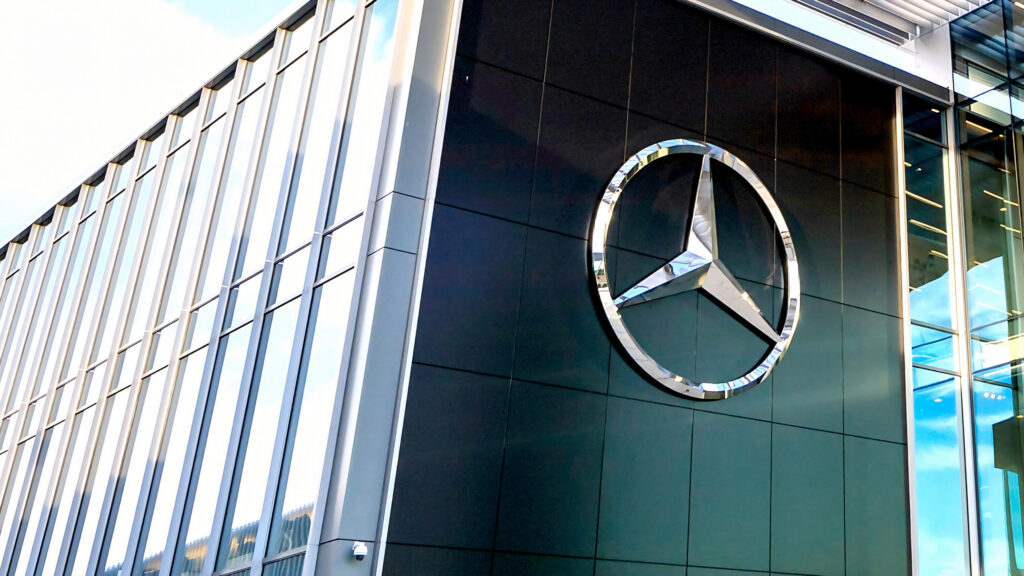
Mercedes-Benz Expands Its Footprint in Georgia with New R&D Hub and Job Growth
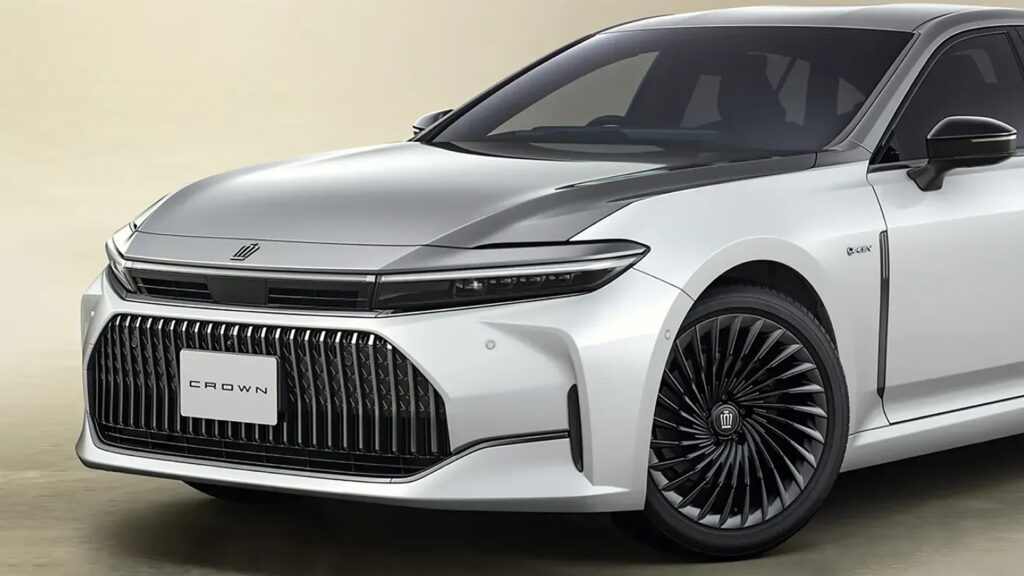
Toyota Crown Celebrates 70 Years with Stunning Special Editions in Japan