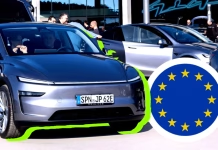
Tesla’s Sales Plummet in Europe as Model Y Struggles to Gain Traction
Exploring the Latest in Cars: Volvo EX30, Subaru Impreza, and More Insights
 This week Cropley and Prior talk about the Volvo EX30, Subaru Impreza, completing a car collection, Petrol & Pride, and more.
Elon Musk’s Power Play: Strengthening His Grip on Tesla
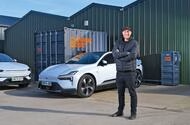
Revolutionizing EV Charging: How Fellten’s Charge Qube is Paving the Way for a Greener...
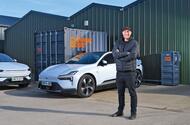
Fellten’s Chris Hazell: a born-again petrolhead who fully embraces EVsEV specialists Fellten have branched out from Batmobiles to creating a portable charge point with global appeal
A flatbed truck carrying two severely damaged vehicles rolls slowly by as we stand chatting on a concrete apron outside the headquarters of Fellten, an EV technology company based in Yate, near Bristol.
Your first impression might be that these sorry vehicles have come to their last resting place, but not so. Instead, they’re beginning a second life every bit as useful as the first.
The cars are electric cars, specifically a Ford van and a Tesla Model 3 saloon, and they’re about to donate their most vital organs – their traction batteries – to a new, rule-changing project that promises to do more for cleaning the environment than all the ZEV mandates you can climb over.
These batteries will join other second-lifers in a new-tech Fellten high-voltage battery pack called Charge Qube, a 10ft ISO-certified corrugated steel container that can be moved singly or in groups wherever you want on the back of a truck.
It comprises an array of up to eight (450kWh) second-life car batteries to provide affordable juice for electric cars where full-on grid connection is either difficult, inconvenient, too expensive or impossible.
According to Fellten co-founder Chris Hazell, whom we visited at Yate to hear the story, Charge Qube is the first product in his six-year-old company’s already busy history that isn’t “passion driven” by a simple love of cars.
But he also believes Fellten’s exotic history of electric car creation has proved there is a powerful need for just such a product.
Fellten started life under the name Zero EV in 2018, and it has rapidly become part of that group of small but prolific technology companies on which this country bases its claim to be a leader in advanced EV technology.
Hazell says he started messing with electric vehicles having built some potent combustion-engined cars in his youth, when he discovered that “everything had been done”.
Everyone was running into the same performance limits, he says. If you built anything super-special it would probably be unreliable and use too much fuel, so it couldn’t be used as a daily driver.
Hazell’s career in large-scale power management started early. First he worked in stage electrics but soon graduated to big stuff.
During the 2012 London Olympics, he was put in charge of keeping 650 generators healthy. The much-praised opening ceremony alone needed power from eight massive generators mounted on barges in the middle of the Thames.
Hazell did events such as the Glastonbury Festival in summer, then he travelled around the country in winter supervising power systems for temporary ice rink installations.
A dalliance with a business called Ramp It Up (which rented car ramps and tool sets to DIYers) lost money, but Hazell says it taught him plenty about running a business – stuff like PAYE and business rates – and about building cars.
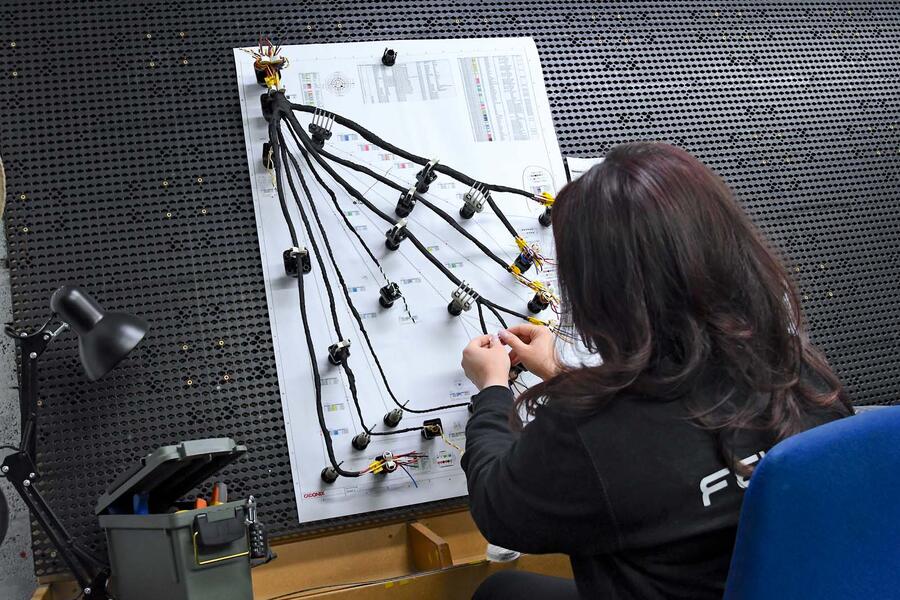
His first electric car was a Skyline R32 stunt car (find it on YouTube), and another was a Tesla-engined split-screen Volkswagen camper.
That led to the creation of a trio of electric stunt cars for a Macau casino – they didn’t like the noise and the exhaust gases of ICE cars – and a realisation that film-makers (via YouTube again) often preferred EVs in some situations because they were quiet and could be used indoors. Fellten had the know-how and was happy to oblige.
“The film industry was good for us,” says Hazell. “We built the powertrains, and their engineers put them in the cars. The co-operation was great. They were mostly motorsport engineers and standards were high.
"We had to run hard to keep up, but we learned fast.” Covid lockdowns also helped. The YouTube audience for a Fellten Mazda MX-5 converted to battery power was massive – and good for business.
“We were the first in the business to talk about the insides of our batteries and show them,” says Chris Skelton, who runs the company’s training arm. “Others presented their technology as a black box to hide the magic, but we show everything.
"It pays dividends to be open and honest; the only exception is if a client has protected their work with an NDA [non-disclosure agreement].”
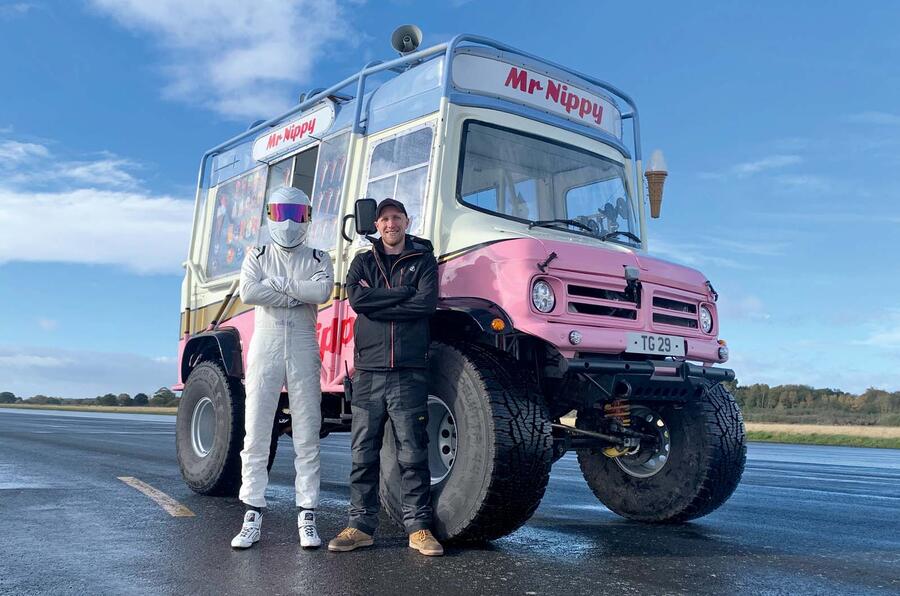
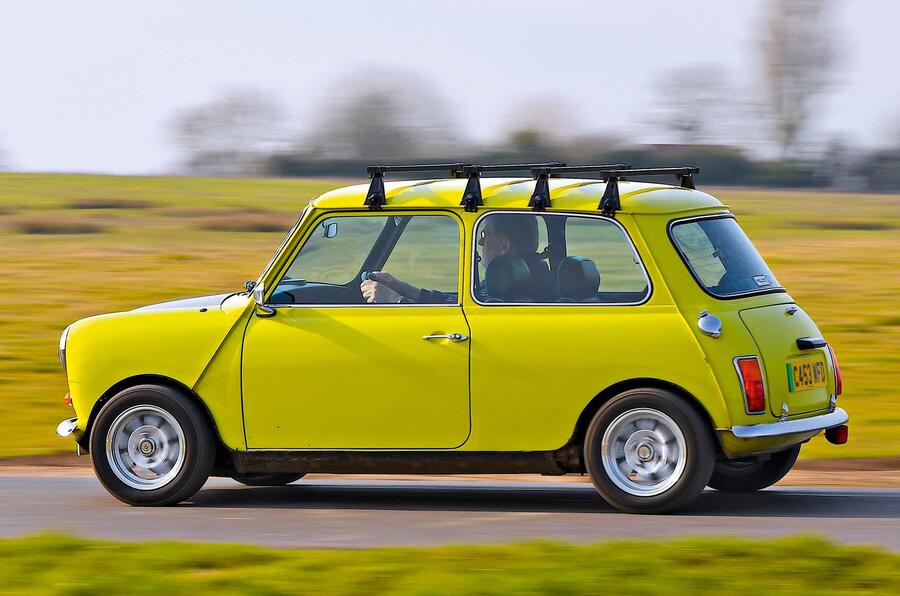
As a follow-on from the YouTube success, Fellten began making cars for Top Gear, including an 80mph, four-wheel-drive electric ice-cream van called Mr Nippy. One of eight Batmobiles used in a recent film had a Fellten EV powertrain, and BMW ordered six electrified traditional Minis for an anniversary celebration and then allowed Fellten to use its design for customers – so far they’ve made about 200.
One yellow G-plate Mini, still at Yate, was subsequently and famously used by Mr Bean, Rowan Atkinson’s madcap comedy character.
Fellten was by now using its burgeoning knowledge to build EV conversion kits for other classics, principally Minis, Land Rovers and Porsche 911s. That business was healthy for a while, but the number of buyers seemed finite.
Demand waned as Hazell knew it would: he was already poised with plans to embrace bespoke battery manufacture – for customers’ converted cars, boats and even experimental aeroplanes.
It was profitable and remains so; rivals have got better at integrating technology but are still reluctant to build their own batteries. Skelton offers training courses from four hours (awareness) to four days (diagnosis and rectification). This part of the Fellten business started early in the 2020s and is still well patronised.
It was never intended to be wildly profitable, but more to encourage recruits into a subject area where Fellten bosses reckon there’s far too little knowledge and to raise awareness of Fellten products among those who will use them.
However, all of this now looks like a mere launchpad for the container-sized Charge Qube, the EV charging hub solution that Skelton reckons could lead beyond 2030 to a worldwide ‘fleet’ of 3000-4000 hired hubs deployed around the world, perhaps as far away as Africa and Australia.
The company has built and tested prototypes and is now aiming to raise an initial £5 million from investors to kick-start a new division of its business.
Under the current design, every Qube can contain up to 450kWh of power and charge up to 10 vehicles simultaneously via Type 2 chargers delivering power at a typical 7kW home-charger rate.
Soon there will be versions capable of rapid-charging two vehicles via CCS connectors at up to 240kW. Hazell is especially bullish about the contribution the Qube can make to pollution caused by vans and trucks.
“Private cars aren’t used for 97% of their lives,” he says, “but commercials are much busier. Qubes – which are designed to be installed without planning permission – can power fleets from their depots then recharge at cheap rates overnight, or from wind or solar sources. It’s a big benefit for cars, but I think the benefit for vans will be huge: it will encourage businesses to change their fleets.”
What with battery manufacture, EV system design, replacement powertrains, training and the mighty Qube, you could say Fellten was pretty well covered for most electric car aspects, but Hazell sees two more: the invention of a 20-30kWh module to be carried by a vehicle that needs its range to be temporarily extended, and full-on recycling. The former will come soon, he reckons: Fellten has already started inventing it.
Recycling is more problematic, he believes. The conventional view is that recyclers will recover lithium and profitably use it again, but Hazell isn’t so sure. “I believe there will be a long-term move away from lithium in batteries – lots of work is being done on that,” he says.
“When it comes, I’m not so sure lithium batteries will have the value people think. We’ll give them a second life, but I’m not sure we’ll want to shred them.”
For a person who came from the big-cubes petrolhead culture, Hazell is almost the complete convert to EVs – although he does still harbour a not-so-secret desire to build a DeLorean hybrid with a V8 engine in the back.
“Covid had a big effect on me,” he says. “Everything stopped and the weather got better; dolphins started swimming through Venice. That made me think we’re not doing enough to make things better. Charge Qube is something I can do now, to make things a bit better. It can help change the game.”
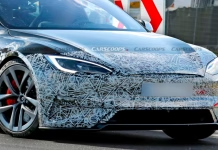
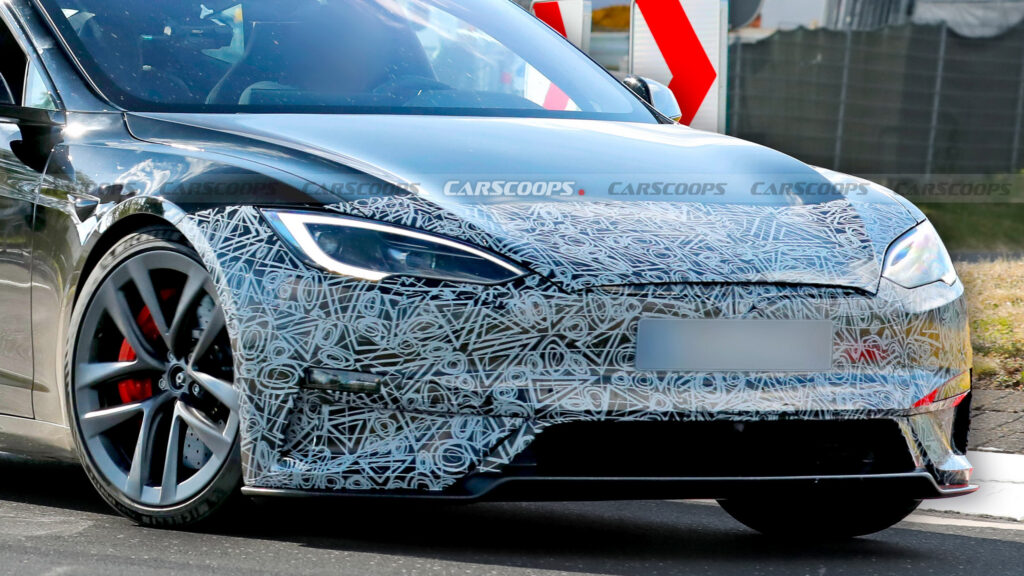
Tesla’s Subtle Revamp: Model S Plaid Takes on the Nurburgring
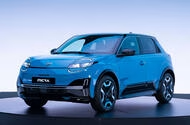
Revamping the Micra: Nissan’s Bold Electric Comeback for a New Generation
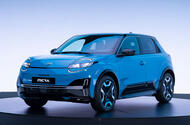 Micra returns after two-year hiatus; blockier, funkier design borrows elements from its 2002 forebear
The radically different new sixth-generation Nissan Micra has been created to appeal to younger, European buyers, in a bid to move the supermini away from being known as a “grandma car”.
The newest generation of the popular hatchback – which has amassed more than six million sales since first being launched 42 years ago – has been fully revealed by the Japanese firm as a twin to Alliance partner Renault’s electric 5. This means it won’t be sold with a combustion engine for the first time in its history.
The Micra is aimed squarely at buyers in Europe, a market in which Nissan is looking to grow after suffering heavy losses in recent years, necessitating a major cost-cutting plan.
It arrives as one of four new Nissan EVs due before the end of 2026, the others being the new Leaf crossover, an electric Juke and an A-segment model that will be twinned with the upcoming Renault Twingo.
The new Micra sits on the Ampr Small platform, drawing power from either a 40kWh or a 52kWh battery, which are good for 192 and 253 miles of range. In top-spec form, the battery can accept a charging rate of 100kW to go from 15-80% in 30 minutes.
As with the 5, alongside which the Micra will be produced by Renault in Douai, France, power is sent to a single, front-mounted motor that can be tuned for 121bhp (with the 40kWh battery) or 148bhp (with the 52kWh battery).
Beyond the electric powertrain, the biggest change for the Micra is its radical new design. While it was developed alongside the 5 from the start, Nissan designers were given the freedom to create something that “was more noticeably Nissan” – although “we had to fight for it”, exterior design manager Yongwook Cho told Autocar.
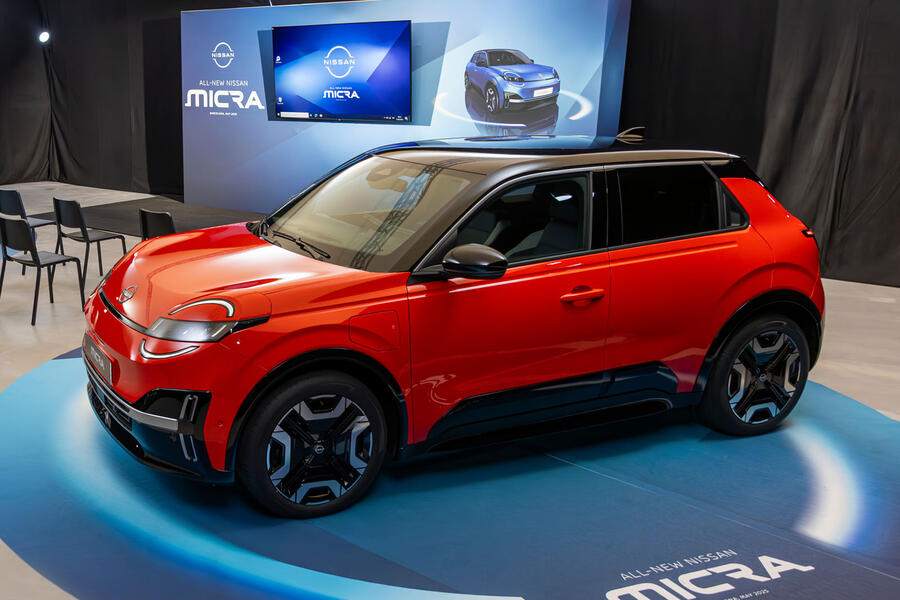
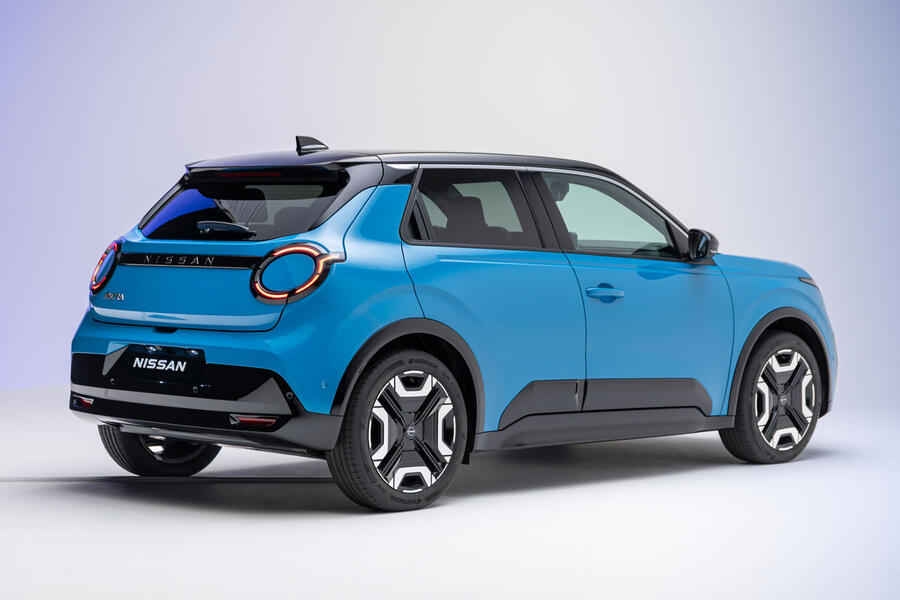
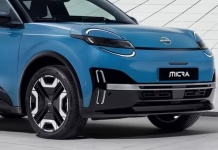
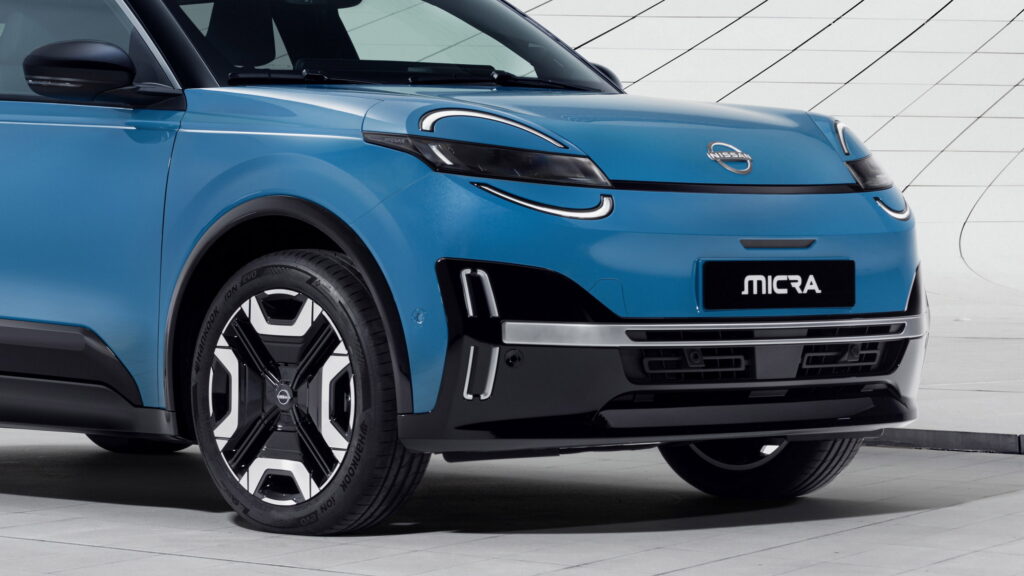
Described as “audacious, assertive and funky”, the new look takes inspiration from the bulbous Mk3 Micra of 2002, especially for its circular daytime-running lights at both ends.
Cho added that “it was tough” when his designers were tasked with creating something that would differ visually from the “already good-looking” 5, especially given the fixed underpinnings.
One change from the 5 is at the front, where the bonnet is higher, longer and features slightly more bulky arches in order to give the Micra a different silhouette.
“We wanted to carry more volume to the front,” said Cho, who added that this gives the Micra more of a crossover feel – like the Renault Megane – than the 5, which is more overtly a hatchback and “sporty”.
Another differentiator is at the rear, where a lip was added, and at the side (visually where the twins are most obviously related), where there’s a shoulder line that looks “like it’s been scooped by a gelato scoop”.
These design elements combine to make the Micra “a grandma car no more”, claimed Cho.
The interior is essentially identical to the 5’s, with the same twin 10.25in screens, same switchgear and same materials, but its colour offerings – white, grey and black – are more muted.
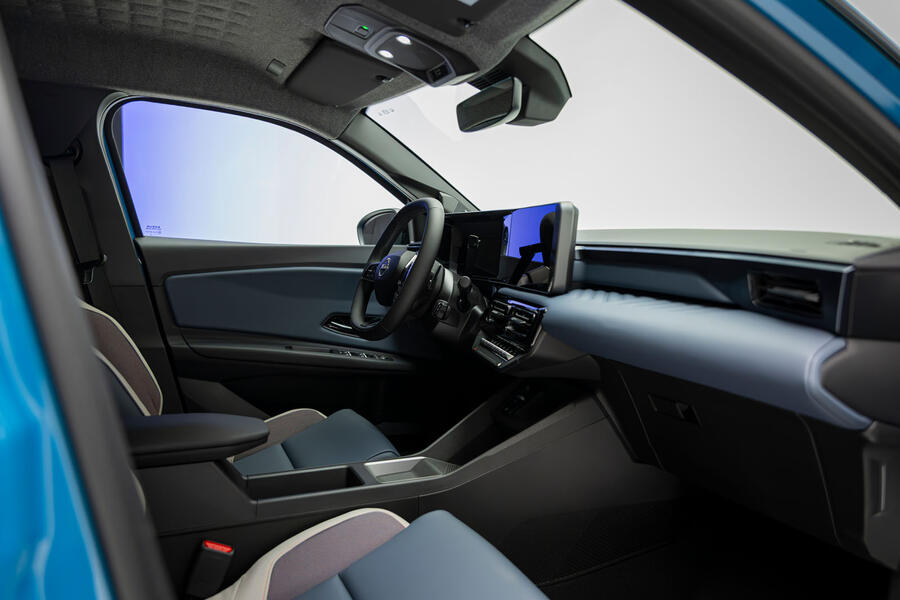
That is intended to position Nissan’s entry-level EV as more of a premium offering than the 5, European marketing boss Arnaud Charpentier told Autocar. Pricing, he suggested, would therefore start above Renault’s £22,995 entry point.
Explaining why Nissan had given the Micra such a radical styling overhaul, Charpentier said: “The UK is our best market in Europe by far [with 133,000 sales since the start of 2024], so we had to come back with something different.
“I think this new car will create a gap between what people have in mind when they look or think of the [Micra] nameplate and what is now the reality.
“Young buyers? That was the objective.”
Charpentier said traditional Micra buyers in the UK differ from those in other markets. For example, in France and Spain they are younger and “almost 95% female”. As such, he explained, “we wanted to come back with something which is gender-neutral”.
Charpentier continued: “The challenge is really to rejuvenate, because we know that in the UK we have this [grandma] association, and we believe through the audacious and playful design that we see, it’s going to help conquer new types of buyers, like younger, modern parents.”
Asked whether sales could be affected by the Micra’s switch to electric-only power, he said: “We will have to explain that it’s an EV, a full EV. It had to be explained by Renault with the 5. So that’s the fact.”
Touching on the 5’s popularity (16,948 sales in Europe so far this year) and lower starting price, Charpentier disagreed that total electrification would inhibit uptake of the Micra.
“We have a very strong nameplate,” he said. “I’m sure that the nameplate of Micra is stronger in the UK, for example, than the 5. Probably also in Italy. So I’m not worried about this.”
What’s more, Charpentier believes that the arrivals of the reinvented Leaf and the next-generation Juke will help rejuvenate Nissan during a turbulent period for the company.
“This new EV line-up will help us to come back in the race,” he predicted.
Top Affordable Cars for Teen Drivers: Safety Meets Budget
Revving Up the Future: The All-New Electric Nissan Micra Unveiled
Nissan’s Electric Future: New Leadership and Ambitious Plans for Growth in the UK Market
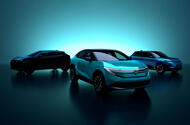 Speaking for the first time since taking over the role, James Taylor details and discusses Nissan UK's future
New Nissan UK managing director James Taylor wants the firm to adopt a “mindset of growth” as it prepares for a big product push in volume segments over the next two years.
Taylor, who has been in position for only a matter of days since leaving the MD role at Vauxhall, was speaking at a preview event for the new Nissan Micra in an interview that focused on Nissan’s place and development in the UK car market rather than the brand’s global issues.
He called on incentives to be offered to stimulate demand for private electric car sales and said there is more Nissan can do to promote its involvement and investment in the UK car industry. A key challenge will be ensuring that new models add incremental growth to the brand, which sold more than 100,000 cars in the UK last year, rather than steal sales from its existing models.
New product range
The new Micra will reach the UK early next year and is the first in a new wave of Nissans. There is also an imminent reveal of the new Leaf planned for June, which will go into production at Sunderland later this year. In 2026, this will be joined by an electric version of the Juke inspired by the Hyper Punk concept car. Also planned is a new A-segment electric car.
Nissan has a solid foundation on which to build a new range of electric vehicles because of its brand awareness as an EV maker, but also in pure sales terms, where it continues to perform strongly with the Qashqai and Juke in the UK sales charts.
The Qashqai will get a next-generation e-Power hybrid drivetrain from the summer, which will boost real-world fuel economy, particularly at higher speeds, and reduce CO2 emissions.
“The drive is akin to that of an EV but with diesel fuel economy,” said Taylor, who has tested the latest e-Power drivetrain in a Qashqai. “It’s a real step forward and there is a part of the company car world that needs a car like this.”
Taylor was relaxed about the absence of PHEVs in Nissan’s line-up and instead highlighted the benefits of e-Power: “As an alternative, I think it’s a really powerful opportunity for us and probably over the coming months and years we need to make a little bit more of than we have done in the past.”
Why Taylor joined Nissan
Taylor said “that as a big backer of UK plc” he was in part attracted to Nissan by its commitment to the UK, with its design centre in Paddington, R&D base in Cranfield and manufacturing plant in Sunderland.
“That resonates with me as a company I want to work for, as it has a big commitment to the UK,” he said.
Nissan is ultimately a Japanese brand known for its quality, said Taylor, and "we don’t need to play up the Britishness with flag waving”, yet there is more the brand can do to “resonate that we are a big investor in the UK.
“We ought to showcase that. We have design centres in the UK and we could showcase that. We’ve got a complete loop in the UK, and there’s lots we can amplify. It’s not the core story but there are certain things we can use around the edges.”
Taylor is also keen to leverage Nissan’s ‘legacy’ standing as the original electric car maker, where despite never having had a range of more than two electric cars, it is still seen as a prominent player because it was first to market with the Leaf.
“We’ve got all the ingredients to be a big winner out of the transition to electric,” he said. “What I guess we’ve been missing is the full range of products to capitalise on that latent awareness. Yet over the next 18 months or so, the product portfolio fills out.”
Incentives needed to boost private EV demand
Taylor said greater flexibility offered to manufacturers by the changes to the ZEV mandate to allow trading between fuel types were “always welcome”, but “the fundamentals of the challenge and the targets remained” in trying to convince more buyers to go electric.
He said car makers had done their bit with product offerings, pricing and improving the range of EVs, yet there are “bits to do” with infrastructure on main routes in the country to allow people to be “confident they can live with [an EV] and charge it conveniently”.
“Some services have 50 chargers, some five. There’s a little bit of major infrastructure still to roll out,” he said. More local chargers were also needed for people who don’t have driveways.
But a bigger issue is that there are simply “not enough private customers today who want to choose an electric car”.
Taylor said: “No manufacturer wants to force anyone to have an electric car. It’s got to be customer driven. But at the moment we have a supply mandated target.”
He added: “Something probably needs to happen from a demand stimulation point of view” as “over the past 18 months, nothing has really changed.
“If I’m a little bit nervous about range, charging, infrastructure, speed of charging, it’s quite easy to fall back into having a hybrid and feeling like I’m making a step towards electric.
“But if there was something to give the private motorist a little extra nudge, you would get a disproportionate benefit from quite a small action. I don’t think it needs to be a huge amount of money, but it just makes everyone think electric first. You will capture a much greater percentage of people then going all the way through the funnel to electric as you captured more at the start.”
Nissan’s UK market positioning
Taylor wanted to ensure Nissan “could be competitive in all segments” and must factor that into pricing even “as we have got quality products”.
He said: “If you price up a bit, you’ll sell less, but if you price down, we’ll sell a bit more. The UK market does react in all the channels surprisingly quickly because there is so much information available to everyone today.
“I’m happy with performance last year [Nissan sold over 100,000 cars in 2024, 12.3% growth on 2023 for a 5.1% market share] and we want to keep that momentum going this year. Then the challenge is with new models in new segments: we have to build on top without substituting products. That’s the challenge this year.”
Ensuring products like the Qashqai and Juke continue to sell well despite Nissan expanding its presence in the B- and C-segments with the likes of the new Juke EV, Micra and Leaf is “a challenge to keep plates spinning".
He added: “That’s for the retailers too, as we need to get them also into a mindset of growth, because we’ve got the new cars coming in new segments."
His vision for the brand
When asked what his three- to five-year plan for the company is, Taylor said the goal is to keep its solid baseline performance with the likes of Qashqai and Juke, and then use its new electric cars to put it on the right trajectory to keep up with the ZEV mandate, while “focusing on quality throughout that transition”.
He said: “It’s not going to be easy and there are a lot of plates to spin. But I think we would all be really happy with that job.
“But it’s also building: how far can we push the bar above where we are today? We want happy customers but we want happy shareholders. That’s going to be the challenge to me, to work out the ingredients we have got that are strong, and then work in the background to improve.”
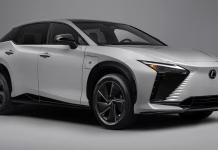
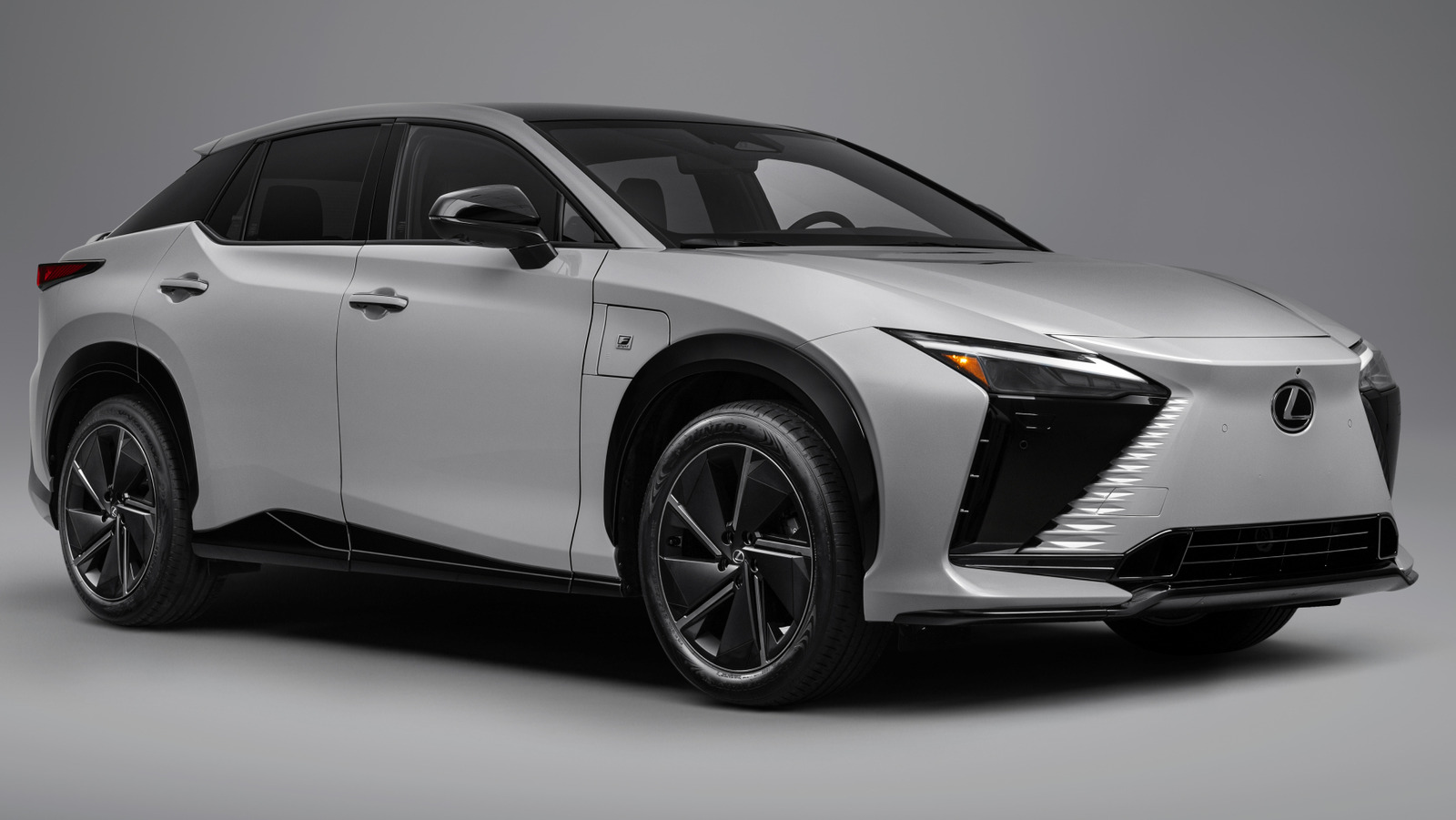
Unleashing Power: Discover the 402-Horsepower RZ 550e F Sport with Simulated Shifts