Custom Vector Wheels: Tailored 80s-Inspired Designs for Every Car Enthusiast
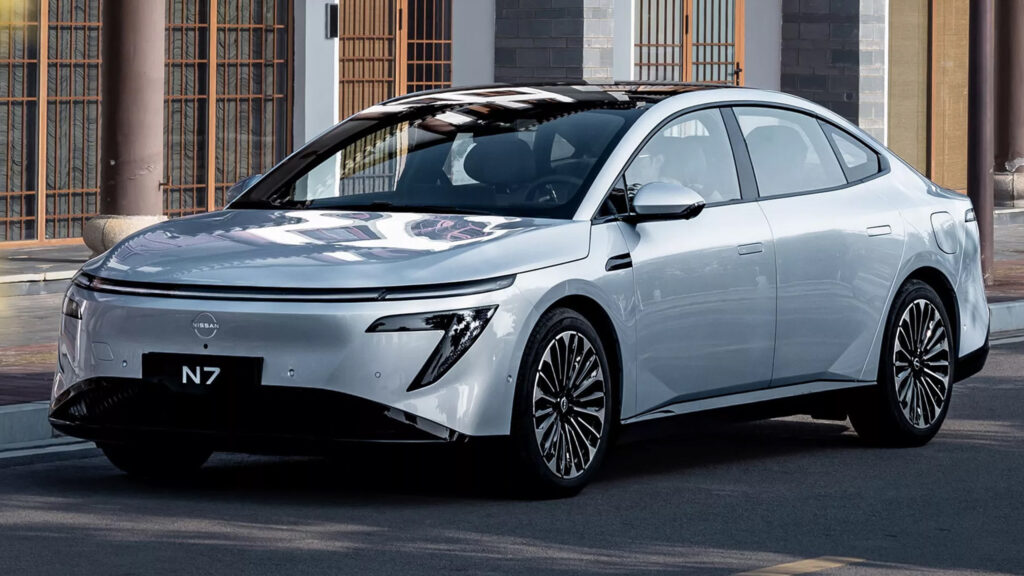
Nissan N7: The Affordable Electric Sedan Taking China by Storm

Reviving the Thrill: Discover the Best Affordable Sports Cars for Every Budget
 The demise of the affordable sports car has been lamented too early. Here are the best routes to fun on a budget
With the ever-increasing number of SUVs on our roads, finding proper, dependable sources of driver entertainment isn't quite as easy as it once was.
It's especially hard to find a sports car on a real-world budget, but our list of the best affordable sports cars will help you find a phenomenal drive without breaking the bank.
They may not be as numerous as before and many don’t seem as affordable in these inflationary times, but they exist, and they’re cars that demand to be seized and cherished.
Despite their price, some of them are the best sports cars you can buy, and among them are mid-engined two-seaters, front-engined roadsters, big-engined muscle cars and lightweight specials.
Some of these cars could easily serve as daily transport; for others, that would be the case only for the genuinely enthusiastic.
They share an affordable asking price – £50,000 or below in some cases, and quite a long way below in some - and the capacity to light up your motoring as often as the mood takes.
Our top pick is the Alpine A110, which is one of the most engaging, dynamic and enthalling cars money can buy today.
But what other models make it into our top ten list? Read on to find out...
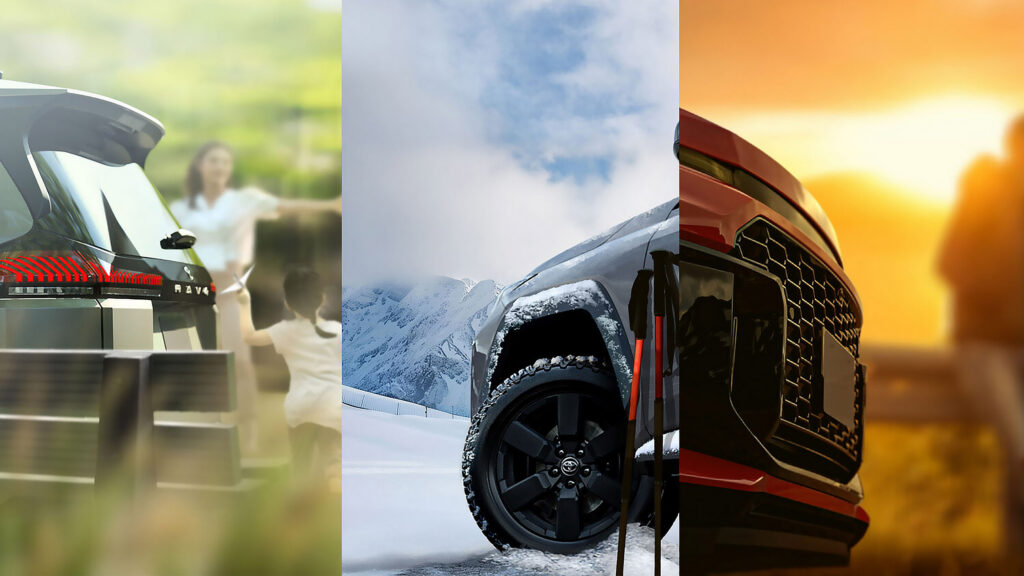
2026 Toyota RAV4: A Bold Evolution with Enhanced Tech and Hybrid Power
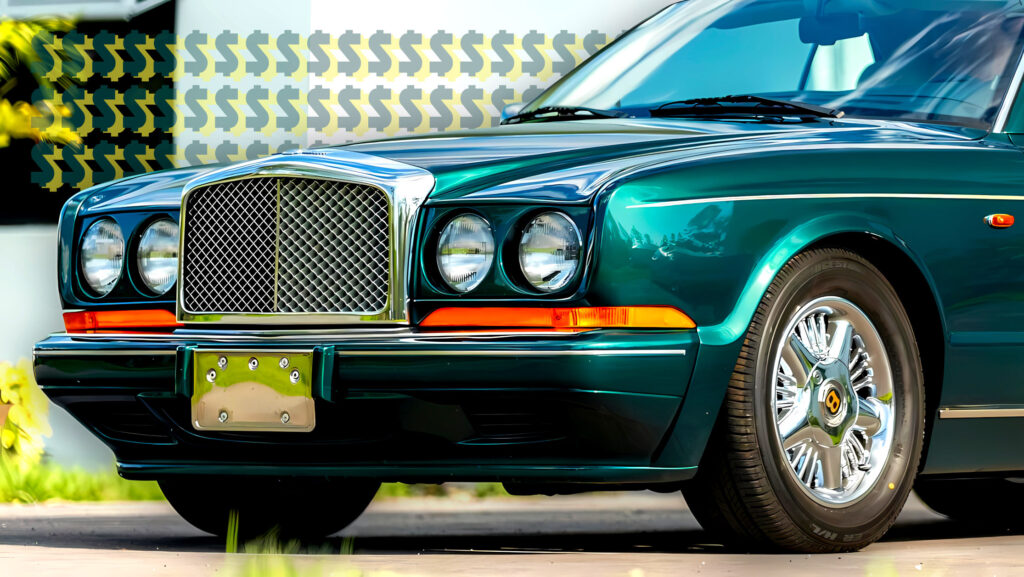
Luxury on a Budget: The Hidden Costs of Owning a 1996 Bentley Azure
BYD Expands UK Lineup with New Seal 06 Plug-In Hybrid Saloon and Estate
 Chinese brand expands its UK PHEV offering with an exec that manages more than 50 miles on EV power
BYD's UK line-up is set to swell in the coming months with the addition of a new plug-in hybrid saloon and estate to rival the BMW 330e and Skoda Superb iV.
Called the Seal 06 DM-i, the new model will become the seventh BYD model on sale in the UK, Autocar understands, joining the Atto 3, Dolphin, Seal, Seal-U, Sea Lion 7 and the forthcoming Dolphin Surf supermini.
It is a separate model line to the BYD 06 GT - which is a battery-electric hatchback in the mould of the Volkswagen ID 3 - also due in the UK soon.
The company has not confirmed a launch date, nor any specifications, but the Seal 06 DM-i was launched in China last year and the UK variant is expected to be little changed.
Its PHEV powertrain combines a 98bhp 1.5-litre petrol engine with either a 10kWh or 16kWh battery for an electric range of either 37 or 56 miles, according to official WLTP figures. Power output is pegged at either 160bhp or 213bhp, and both versions get from 0-62mph in less than 8.0sec.
Each powertrain variant sends all its power to the front wheels through a CVT gearbox.
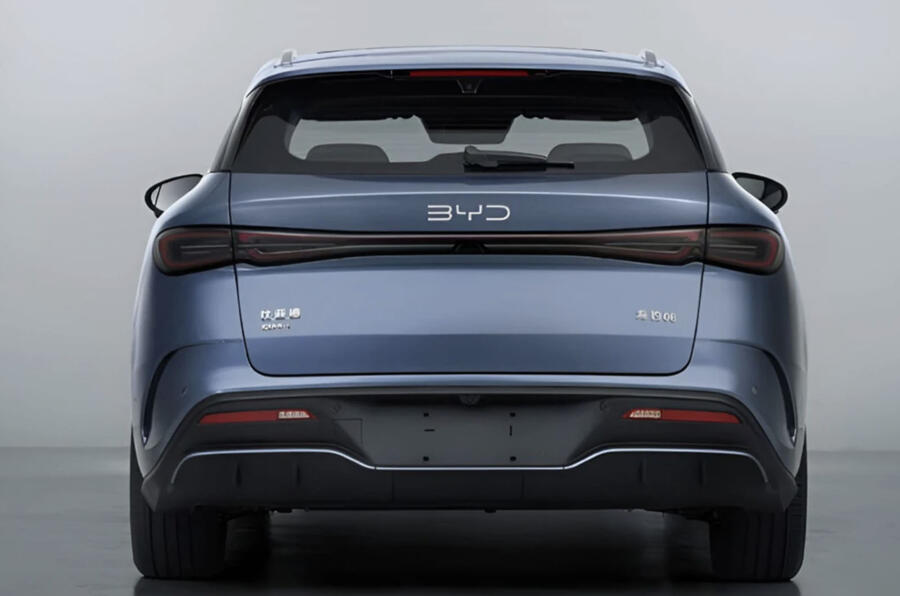
Both the saloon and estate versions of the Seal 06 measure around 4.8 metres long and 1.5 metres tall, making it a natural rival to the Skoda Superb and BMW 330e, which also offer the choice of bodystyles.
The cockpit is almost identical to that of the Seal, with an 8.8in digital gauge cluster, a 15.6in rotating touchscreen and a selection of physical buttons on the centre console and steering wheel.
There is no indication of price yet, but the mechanically related Seal-U PHEV starts at around £33,000.
BYD is expanding its plug-in hybrid line-up in Europe as part of a drive to boost its market share in the face of wavering EV uptake in the region.
Europe boss Stella Li told Autocar last year that PHEVs have a "very important role" in the company's growth plans, because they provide a bridge for buyers to move from combustion to electric powertrains.
"A lot of people want to try electric cars, but currently they have range anxiety and hesitate, but this car gives them the solution,” said Li.
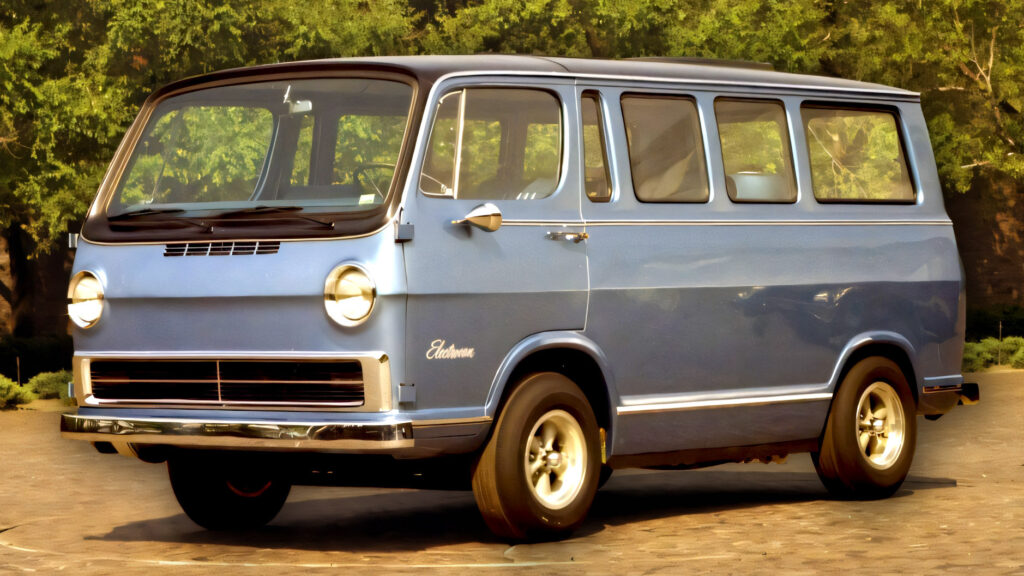
GM’s Hydrogen Journey: From 1960s Experiments to Future Innovations
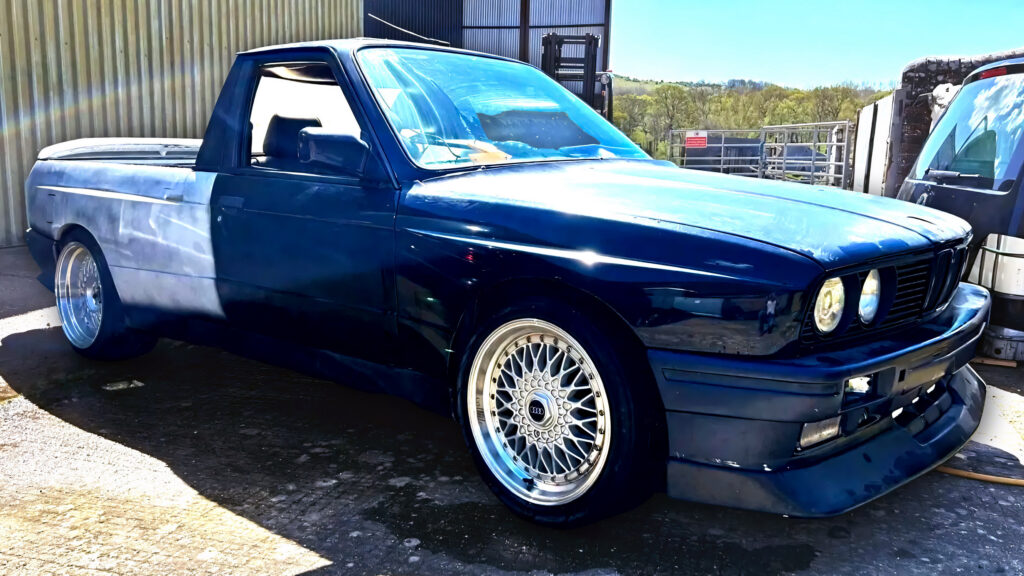
Unique BMW Pickup Conversion: A Classic Reimagined with Turbo Power
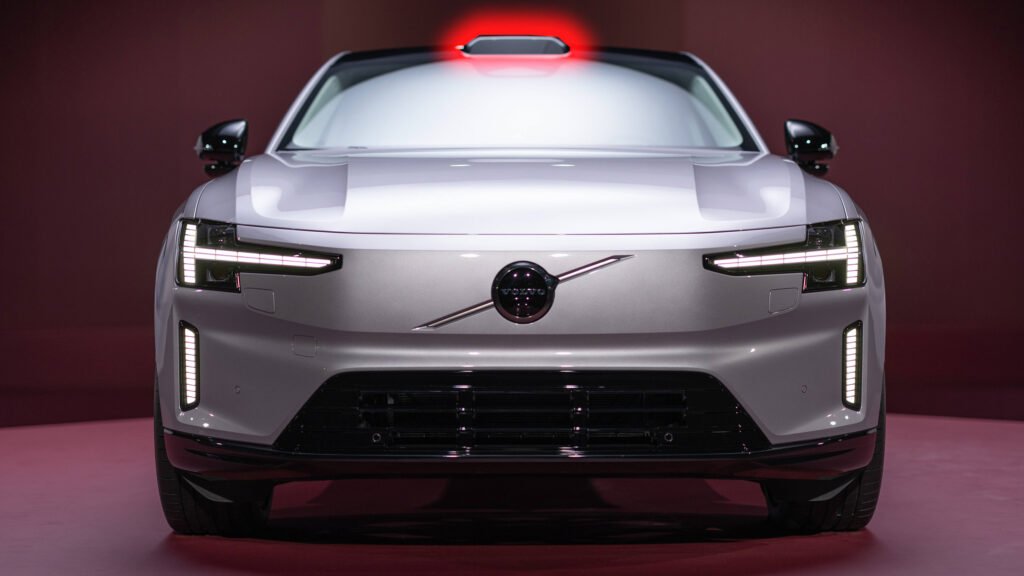
Beware the Lidar: How Your Smartphone Camera Could Get Fried by Your New Volvo...
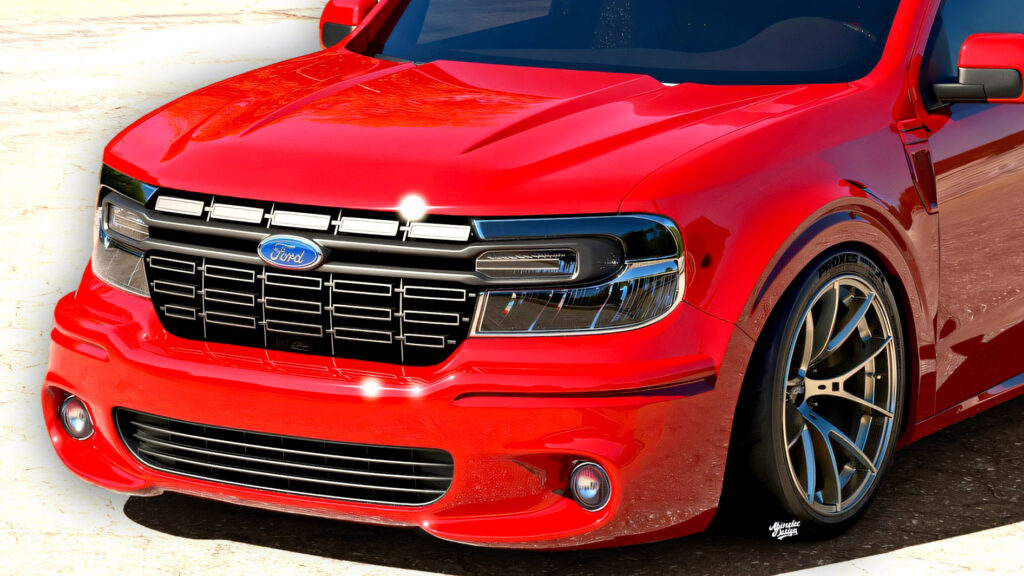
Revamping the Maverick: Two Bold Designs Inspired by Ford Legends