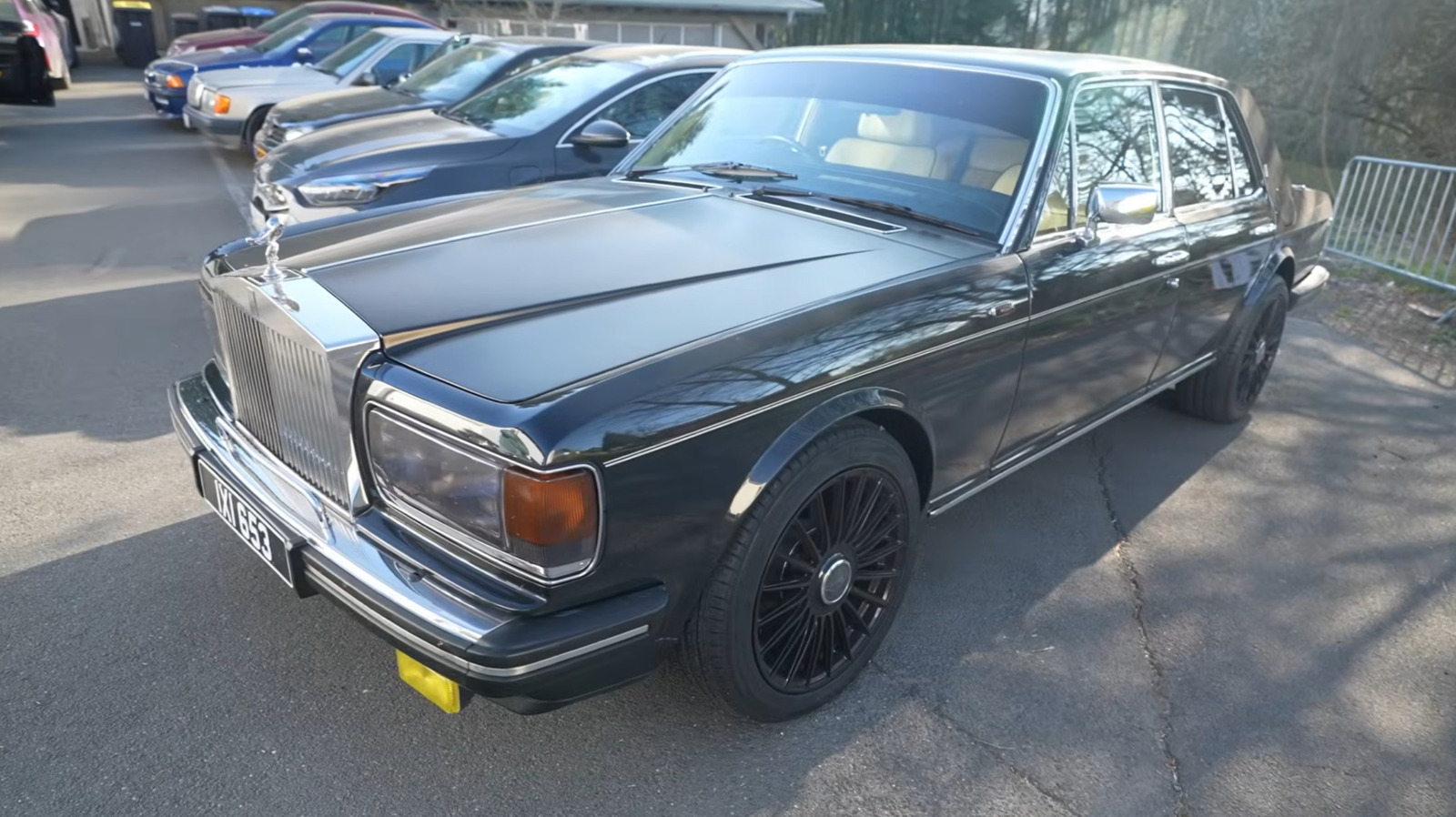
Rolls Royce Takes on the Nürburgring: A Surprising Showdown with Euro Hatchbacks
JMC Unveils Bold New Pickup Trucks Inspired by Ford Designs
Renault’s Rugged Revolution: The 4×4 Savane Concept Unveiled
 Small electric crossover gains a motor on the rear axle for 4WD – and it's looking likely for production
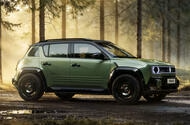
Renault has strongly hinted that the new 4 crossover will gain a 4x4 variant with the unveiling of a new off-road-influenced concept called the Savane.
Reprising the name of an adventure-themed variant of the original Renault 4, this new concept rides 15mm higher than the standard car, features bespoke utility-style wheels wrapped in grippy Goodyear tyres, and is decked out inside with 'deep brown' textiled fabrics.
It also has widened tracks and contrasting black body cladding in a nod to its enhanced off-road potential.
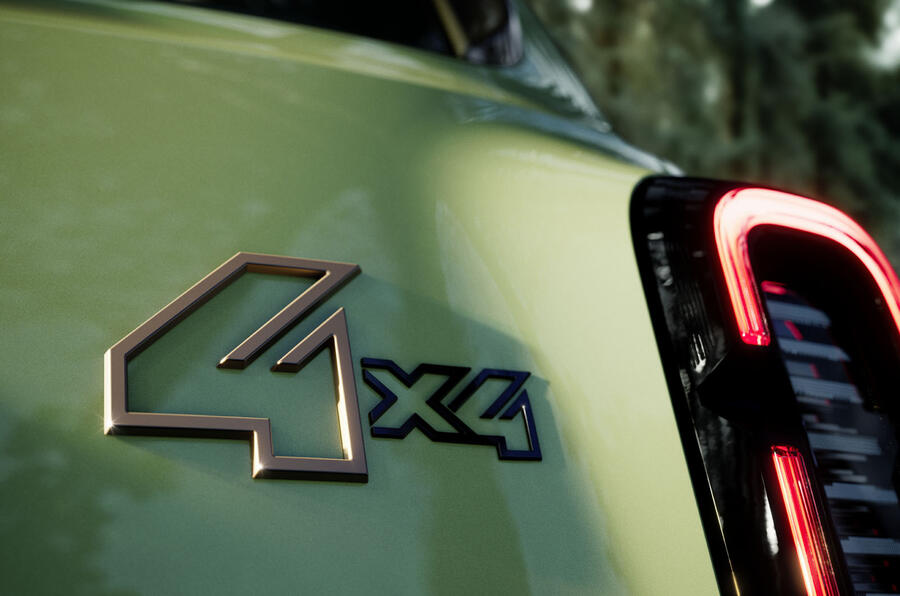
But more importantly – as signalled by the bespoke 4x4 badging – the Savane is most obviously differentiated from the standard front-wheel-drive car by the addition of a second motor on the rear axle, to give permanent four-wheel drive.
Renault has not given any technical details, but the FWD car comes with either a 118bhp or 148bhp motor, so if the 4x4 has another one of them at the back, it could produce somewhere in the region of 300bhp - which would give it comparable performance to the twin-motor Skoda Elroq vRS.
Renault has not officially stated its plans to introduce an AWD 4, but the Savane concept shows that its Ampr Small architecture can accommodate a dual-motor set-up, which the firm says shows the potential "to create a B-segment electric vehicle with four-wheel drive".
A Renault spokesperson told Autocar that the firm is "currently studying the technical feasibility and the financial equation", but added: "We can't confirm anything yet about the arrival of a production 4x4."
If it reaches showrooms, the 4 4x4 will be among the smallest electric cars available with a twin-motor powertrain.
The unveiling of a twin-motor 4 also opens the possibility of its lower-riding Renault 5 sibling adopting the same set-up, though it is unclear if that car's more compact body and floorpan would allow for the installation of a motor at the rear.
The original 4 was always a more rugged and outdoorsy take on the people's car than the contemporary Renault 5 city car, though, and the two cars' electric descendants have taken on similar billings.
In fact, the new 4 was previewed in 2022 with an extreme rally raid-influenced concept called the Trophy - which nodded to the rallying prowess of its 1970s namesake, and strongly hinted at Renault's plans to one day introduce an off-road-ready variant. The company has never voiced any plans for a twin-motor 5.
If the smaller car can take a twin-motor set-up, though, it has significant implications for the 5-based Alpine A290 hot hatch, which would theoretically be in line for a substantial power boost and could take advantage of torque vectoring across its two axles to enhance its agility and responsiveness.
Fiat 500 Goes Green: Discover the New Hybrid with Manual Transmission
Ford’s Latest Recalls: Safety Issues Affecting Bronco and Ranger Models
Reviving a Legend: The Bold Legacy of the Fiat Coupé
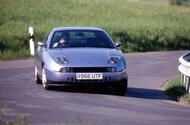 Once upon a time Fiat built charming, dynamically sorted and rabid coupes
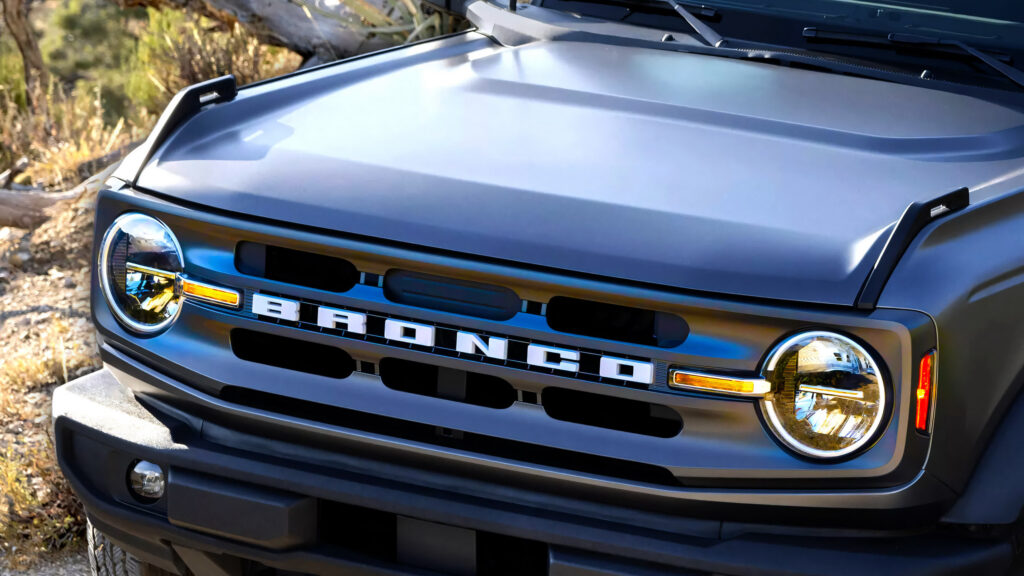
Proportions more arresting than elegant. Superfluous, slash-like indentations above the wheel housings.
Double-blistered headlamp covers, deep-recessed taillights, an aluminium flip-top fuel filler, an aluminium key-fob and a bold repeat of the car’s exterior colour arcing across the dashboard.
This was the Fiat Coupé, a car unexpectedly signaling that its maker was ready to build sports cars again, and a car signaling the arrival of one Chris Bangle, a designer who would soon stir up the car industry like few designers before him.
This car was a surprise not just for its shape, but because Fiat had previously said that it would no longer make pure sports cars, despite a glorious run in the 1960s that included the pretty 850 Coupé and Spider, the 124 Spider, the 124 and 128 Coupés, the Dino Coupé and the exquisite Fiat Dino Spider.
That was before Paolo Cantarella arrived to take charge of Fiat Auto in 1989.
Cantarella was a businessman who had previously managed the Fiat Group’s industrial robot division Comau, but he was also a car enthusiast, and acutely aware of the Italian car industry’s past successes
Like any CEO, his overriding mission was to keep the Fiat Auto motor running sweetly, and while Puntos and Pandas sold by the trainload, the bigger Tipos and Cromas were more of a struggle.
The Fiat brand needed some burnishing and, if the numbers could be made to work, this new coupé could help.
Work began around 1991 at both Fiat Centro Stile and Pininfarina, the pair producing quite different proposals.
Pininfarina’s was crisp, subtle, well-proportioned, elegant and conventional.
Fiat’s in-house suggestion bordered on the outlandish, its wheel arches capped with angled elliptical blisters in black, a crease bisecting the upper third of its doors at exactly the same angle. Its tail was short, its boot lid no more than a modest capping.
It wasn’t beautiful but it was daring, original and fresh. Fiat bravely went with this proposal rather than Pininfarina’s, and while the finished article grew a longer and appealingly pert tail, the spirit of Bangle’s startling design survived largely intact.
Pininfarina’s interior suggestion featuring a swathe of body colour paneling across dashboard and doors easily won the interior competition, the coachbuilder also winning the manufacturing contract.
The business case was strengthened by using a cut-down Tipo hatchback platform, engines from the Lancia Delta Integrale and plenty of shared parts.
Few of these were visible, however, the Fiat was as memorable for the bespoke detail in its design as for its highly individual look. And there were more than the slashes and the fuel cap to savour.
The bonnet was a huge clamshell pressing that rose skywards complete with grille and headlights. The headlights themselves were odd enough to have been questioned during Fiat’s internal design reviews, one manager asking how they might be cleaned with headlight washers, given their contours and near-horizontal mounting.
‘Con amore,’ came the smiling reply, an answer that closed the conversation down.
Front-wheel drive and Tipo-based the Coupé may have been, but it rolled on a well-sorted chassis propelled by rorty, sporting engines, the potent turbo version featuring a viscous coupling limited-slip differential that did a great job of firing torque to Tarmac.
The 16V turbo was quick, the 217bhp five-cylinder turbo rabidly so, scoring 6.5sec sprints to 62mph and 155mph. This Fiat was more about outright grip than throttle-adjustable handling finesse, making for slightly less-than-stellar entertainment, but as a total package, complete with four usable seats and a fair boot, it worked.
Fiat launched its coupé with the memorable claim that, ‘In Italy, no-one grows up wanting to be a train driver’, together with a fine picture of the machine in broom yellow. Ironically, Fiat owned the company that made the rapid Pendolino high-speed train at the time, but no-one cared about that – this Fiat was exciting.
Prices are edging up, but somehow this Fiat doesn’t yet feel a complete classic despite its credentials, and despite some bold pricing from optimistic vendors.
This column first appeared as an email to subscribers.
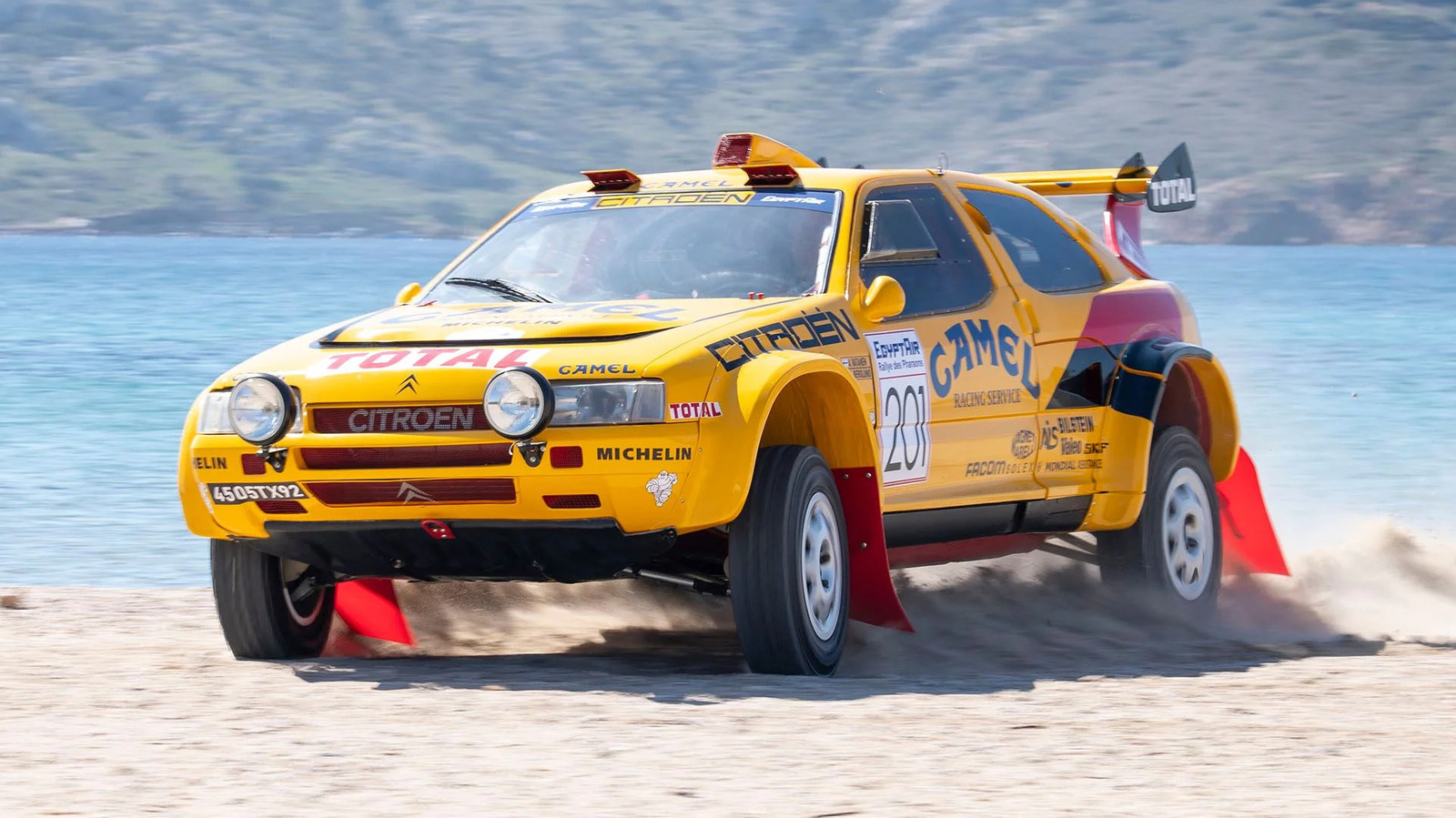
The Allure of Off-Road Racing: Discover the Coolest Rally Cars Ever Made
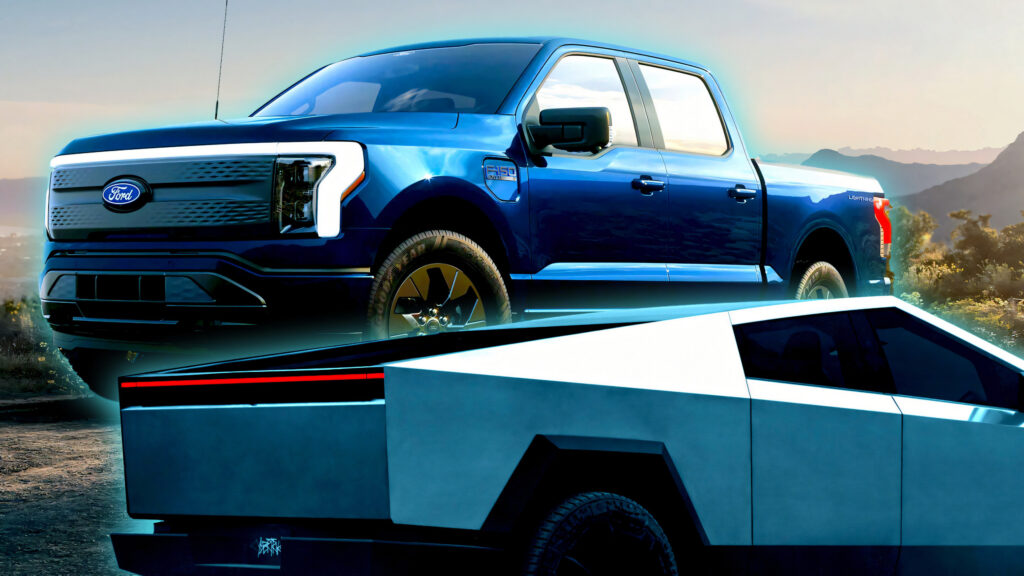
Ford F-150 Lightning Surges Ahead as Tesla Cybertruck Stumbles
Xpeng Unveils Next-Gen P7: A Bold Leap into AI-Driven Luxury Sedans
 Second generation of Xpeng's tech-heavy Taycan fighter ushers in a dramatic new design language
Chinese EV firm Xpeng has revealed the latest version of its Porsche Taycan-rivalling P7 sports saloon.
The company, which recently launched the G6 crossover in the UK and will soon sell the X9 MPV here, describes the second-generation P7 as "more than a car - it is Xpeng's answer for the AI [artificial intelligence] era in form and function".
The firm describes itself as an "AI-driven mobility company" and the new flagship Xpeng P7 is touted as a showcase of the various ways AI can redefine luxury cars.
Technical details have yet to be revealed, but the previous P7 was described as "the world's first AI-defined vehicle", with highly advanced, human-aping autonomous driving functions and a 'smart cockpit' with a conversational voice assistant and rapid processing times.
This latest generation is expected to build on those attributes and introduce even more advanced capabilities that will help the P7 stand out in China's increasingly crowded luxury saloon market - where it goes up against the likes of the Avatr 12, Nio ET9 and Luxeed S7.
The first images reveal that the P7's styling has dramatically evolved at the hands of designer Rafik Ferrag and could point to a new visual direction for the 11-year-old Chinese brand.
"With this new generation, we set out to design a pure-electric sports sedan that could amaze at every angle. This car is our dream – refined through countless iterations. In my eyes, the all-new Xpeng P7 is a work of art, shaped with emotion and purpose," Ferrag said.
Xpeng has promised more details on the P7 will follow but has not yet given any indication of whether it will be sold outside of China. But the brand's UK importer, International Motors, has told Autocar it plans to eventually make Xpeng the country's "number-one Chinese premium EV brand", with a line-up comprising five models by 2028.
The G6, X9 and G9 SUV are the first on the roadmap, with another two models due to follow in 2027 - one possibly being the P7.
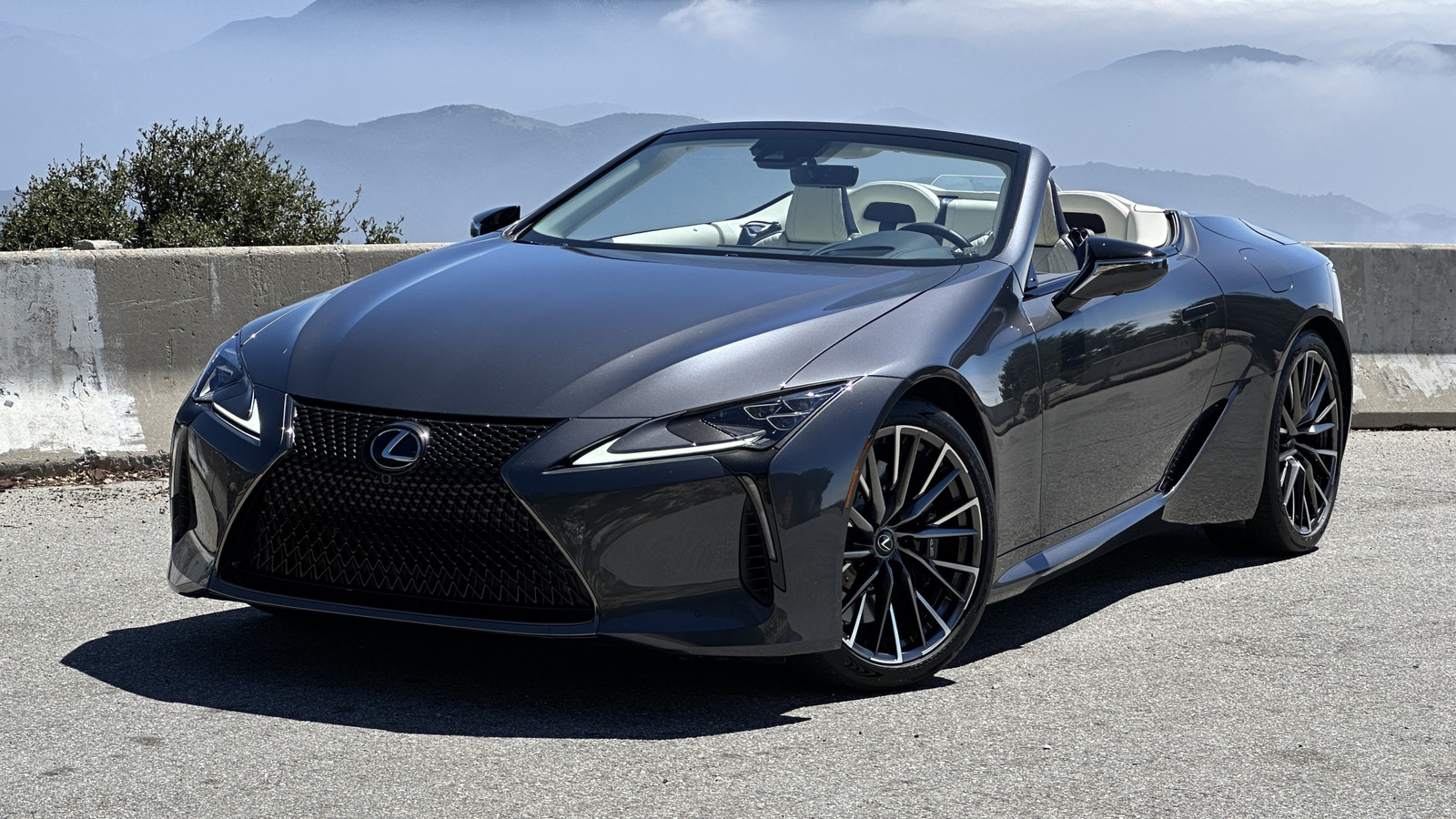
Lexus LC 500 Convertible: The Ultimate Grand Tourer with an Iconic Engine