
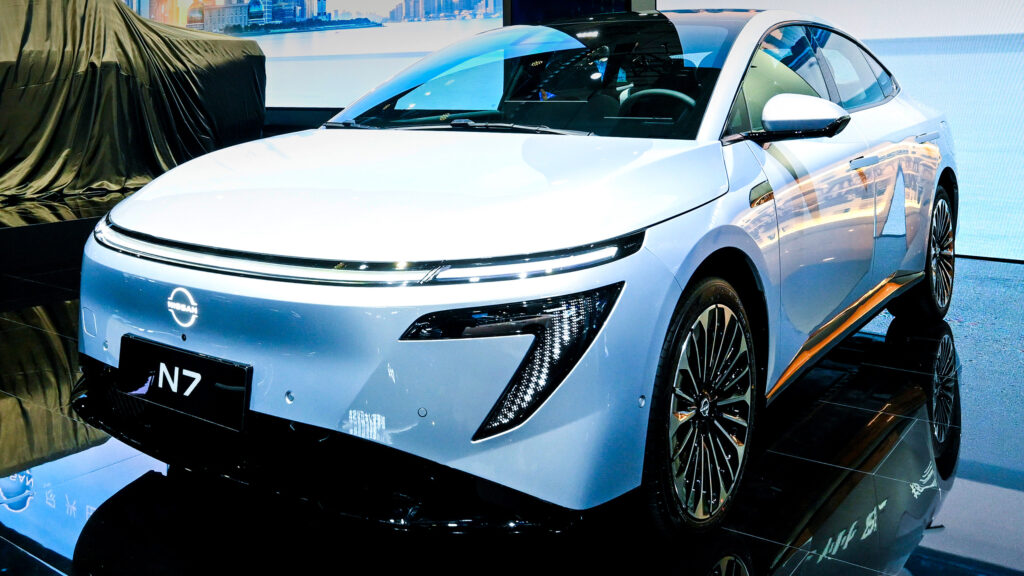
Nissan N7 Unveiled: Aerodynamic Efficiency Meets Underwhelming Design
Understanding the True Cost of Charging Your Electric Car
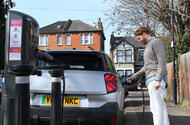 The details of EV charging and the cost of it can seem complicated at first, but this guide spells it out clearly
Thinking of switching to an electric car? Finding out how much it will cost you to charge is the first answer you need to find out.
Sadly that answer isn’t simple, because it depends on where and how you charge.
Charging at home is usually much cheaper than using public chargers. But even at home, costs vary depending on your energy tariff and the type of charger you install.
Public chargers add another layer of complexity. Prices change based on the charging speed and provider. Fast and ultra-fast chargers are convenient but come at a premium.
Then there's VAT to consider. Home charging is taxed at 5% but public charging is hit with a 20% rate.
Charging comparison
| Charging Location | Typical Cost per kWh | VAT Rate | Speed | Notes |
|---|---|---|---|---|
| Home (standard tariff) | 27p | 5% | 3-7kW (slow/fast) | Most cost-effective if charged overnight |
| Home (EV-friendly tariff) | 6p–15p | 5% | 3-7kW (slow/fast) | Cheapest option, typically off-peak overnight |
| Public (fast charger) | 40p–60p | 20% | 7–22kW (fast) | More expensive, suitable for short top-ups |
| Public (rapid/ultra-rapid charger) | 60p–85p+ | 20% | 50–350kW (rapid/ultra-rapid) | Fastest but highest cost |
How much will it cost to charge my car at home?
The vast majority of electric car drivers charge at home, where it's not only cheaper to do so but also far more convenient. Even with the recent hikes in electricity prices, you will still be saving cash on every refill compared with a traditional petrol or diesel car.
For example, charging a Kia Niro EV with a 64.8kWh (usable) battery and a claimed 285-mile range at home will cost around £17.50 for a full charge, based on the current capped tariff of 27p (£0.27 x 64.8kWh). This figure assumes you're charging an empty battery to a little short of 100%, but in reality you're likely to be charging from around 20% to 80% – the minimum and maximum amounts for best preserving battery cell life.
Some energy providers offer special tariffs for electric car owners, providing even cheaper rates for overnight charging. You might see this advertised as off-peak. For instance, E.on gives seven hours of electricity per night at 6.7p/kWh. If you’re able to complete a full 64.8kWh charge solely on that off-peak rate, it would cost less than £5.
Moreover, if your home has solar panels, some chargers can use this ‘free’ energy to charge your EV, further reducing bills. There are even trials running for bi-directional charging that allows you to ‘sell’ any surplus power from your EV back to the grid.
Home charging for company car drivers is more complex, owing to the need to prove how the energy has been used. However, drivers can claim 7p per mile for business trips in electric vehicles, which is the easiest way to avoid administrative headaches.
Home wallbox costs
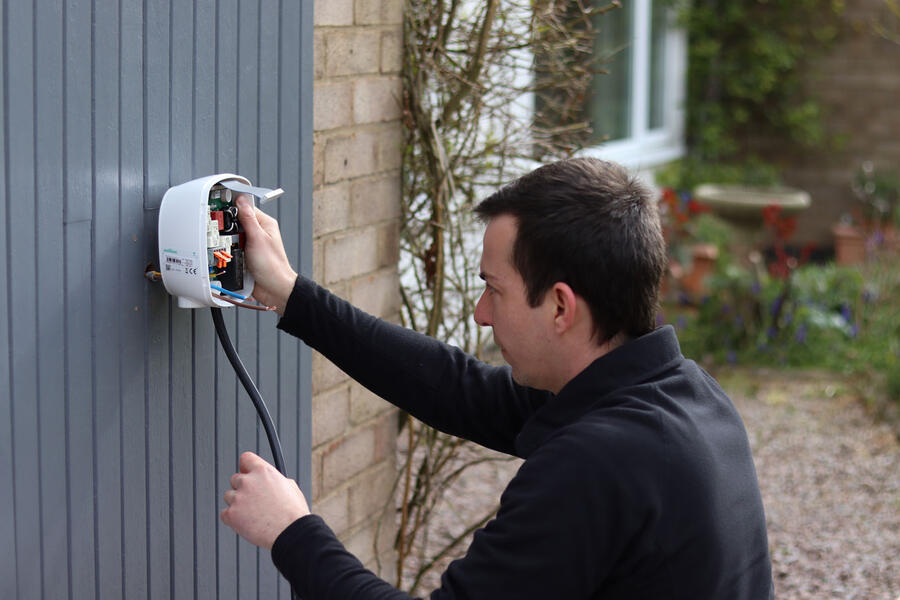
It's possible to use the factory-supplied three-pin plug charger when refilling your EV's battery cells, but charging times are lengthy and most manufacturers advise this method is for emergency use only.
Prices vary, but you can expect to pay £500-£1500 for a smart home wallbox that will communicate with your phone, allowing you to control it remotely.
If you're a home owner in a single-unit property and haven’t yet bought an EV, a number of manufacturers are offering a free wallbox and installation when you buy one of their electric models.
Either way, if you’re committed to EV ownership and you have access to a driveway or garage, it’s always best to use a dedicated wall-mounted unit that can charge at up to 7kW, which is more than twice as fast as the three-pin alternative.
There are a number of different manufacturers to choose from, plus a choice of tethered (with a charging cable permanently attached) or untethered (allowing you to choose different sockets and cables for different cars) layouts.
Regardless of which one makes most sense for your EV, you will need a qualified electrician to check your household wiring is up to the task and then to install the box.
In England, renters and flat owners qualify for the government's charge point grant, worth either £350 or 75% off the cost to buy and install a socket, whichever amount is lower.
Public charging costs
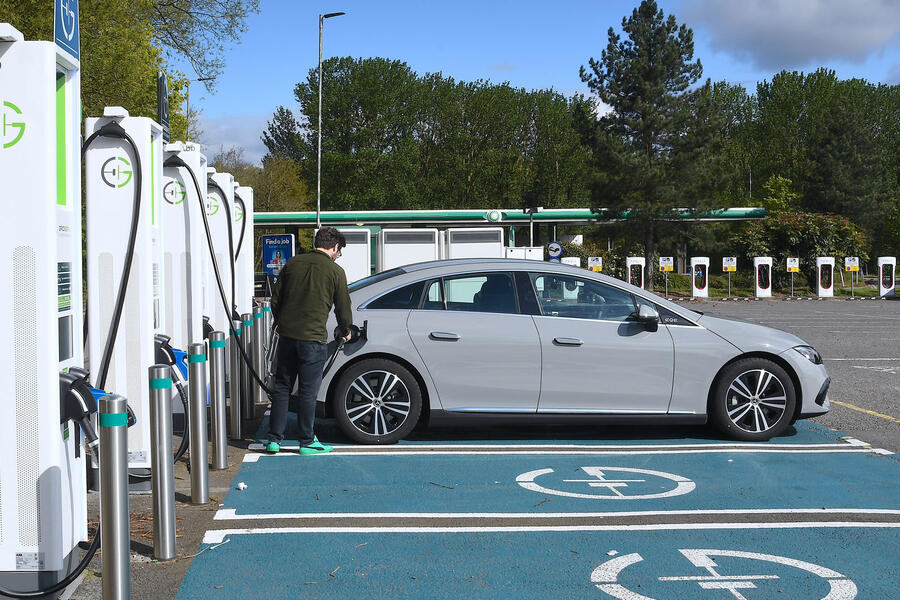
Public charging costs depend on where you charge and what car you have, because there are numerous options.
For kerbside charging, there are four types of public chargers: slow, fast, rapid and ultra-rapid.
As of April 2025, to charge a Vauxhall Corsa Electric with a 50kWh battery from 0-10% will on average cost £12.43 using a slow charger, £25 using a fast charger and £38 using a rapid charger.
Elsewhere, you can find DC rapid chargers at charging hubs and on A-roads and motorways. At these, leading provider Instavolt, for example, charges 85p per kWh on its rapid charger tariff, making it considerably more expensive on a pence-per-mile basis than a petrol car.
If you frequently travel long distances, providers such as BP Pulse offer a subscription service with a monthly fee of £7.85, giving you discounted rates (the brand estimates a 20% saving compared with pay as you go) on many of its 9000 chargers plus free access to a handful of AC units.
You will need a smartphone app to access the cheaper rates (or an RFID card for some of the older units), but once connected, you will be billed at 44p on the AC 7kW charger, 63p per kWh on the rapid AC 43kW/DC 50kW chargers and 69p on the ultra-fast DC 150kW-plus chargers.
It’s also possible to use many of the chargers on a pay-as-you-go basis with a contactless bank card at a rate of 59p per kWh for 7kW AC chargers, 79p per kWh for 50kW and 85p per kWh for the 150kW-plus chargers.
Some hotels and shopping centres offer free charging to customers. The widespread use of smartphone apps for all providers makes it easy to see where the charging points are, how much they cost to use and whether they’re free, so you can easily tap into a provider that suits your needs and budget.
Many car manufacturers offer simplified charging by enabling access to numerous providers under their own charging schemes. For instance, Audi's E-tron Charging Service account gives access to nearly 20 different energy firms and 75% of the UK's public charging points, while new E-tron models come with the choice of £500 worth of free charging or a free Ohme home charger or £500 off the vehicle's price.
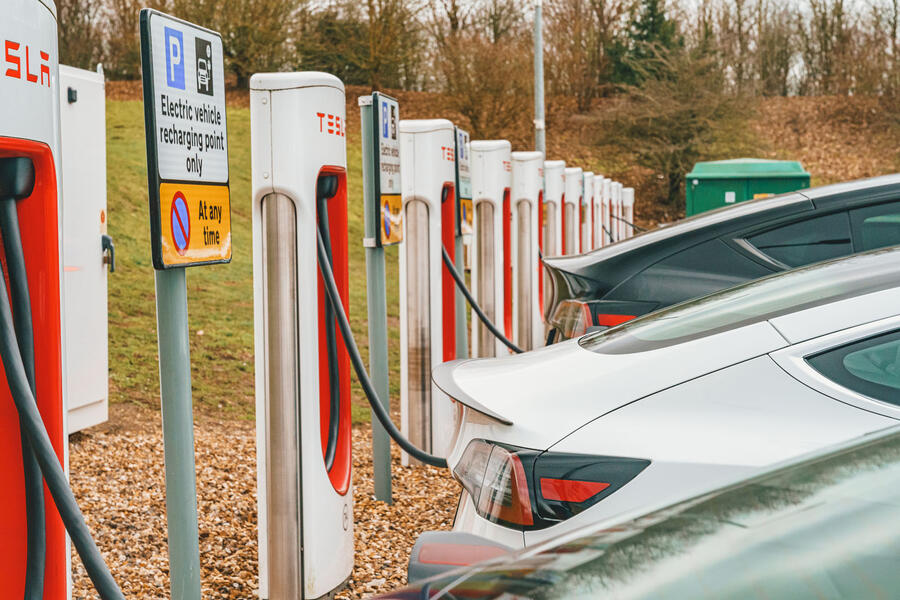
Tesla owners get their own dedicated rapid-charging Supercharger network of more than 1400 chargers plus a number of Destination fast chargers at locations such as hotels. Owners of a Tesla Model S or Tesla Model X registered before 2017 are eligible for free charging, while some owners received 6000 miles of free charging if they bought their cars between 15 December 2022 and 12 January 2023.
Non-Tesla owners can now also use the Supercharger network, and in April 2024 the company reduced its prices for these people and allowed them to take out Tesla membership for £8.99 per month or £90 a year.
With membership, non-Tesla owners pay as much for Supercharger power as Tesla owners. Tariffs change according to location and time of day but they range from 54p to 67p per kWh.
Tesla also charges ‘idle fees’ if you remain parked up once your car has a full battery, to reduce how long it takes for others to get connected. If the Supercharger station is more than 50% full, you will be charged 50p for every minute you’re parked in a fully charged car, rising to £1 if the station is completely full.
How much does motorway charging cost?
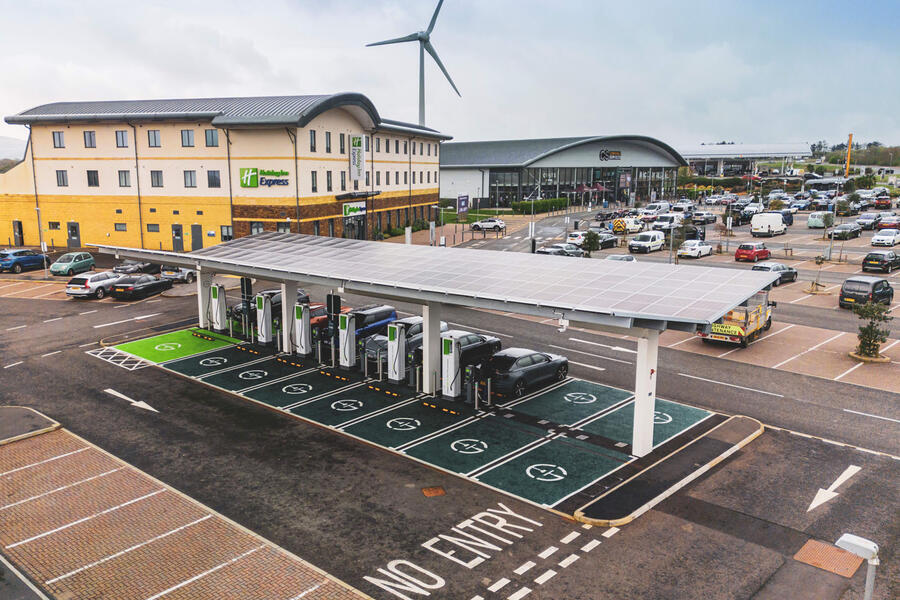
You will pay a little more to charge at a motorway service station, largely because most of the chargers there are fast or rapid units. Costs typically range from 60p-85p pkWh.
And remember, there will often be an activation fee to pay ahead. This is refundable, and typically ranges from £1-£40.
Is charging an electric car cheaper than fuelling a petrol or diesel car?
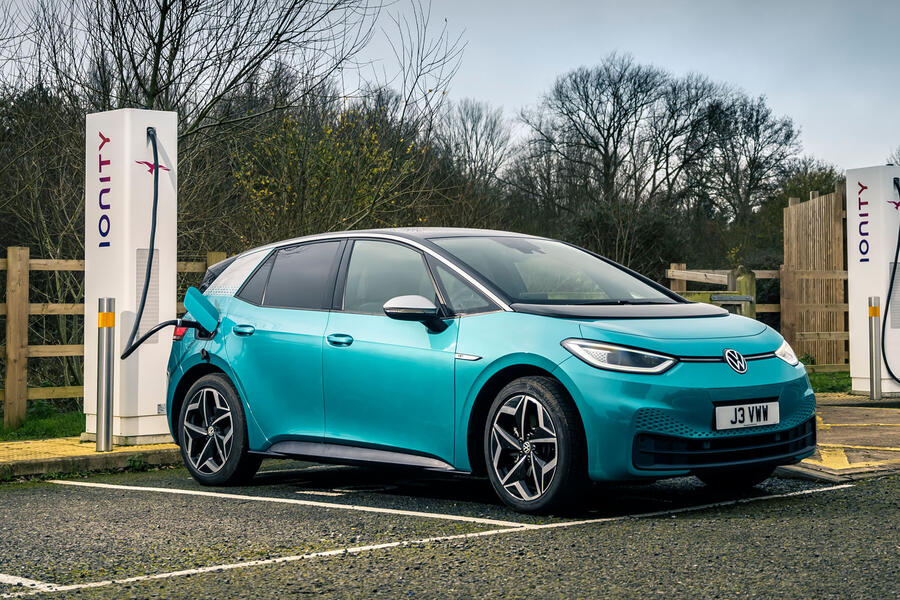
Just as fuel prices vary between fuel stations and are much higher at motorway service stations, so EV charger prices vary widely between locations and providers.
Other variables include whether you're a member of a provider's charging scheme and how fast the charger is.
On that point, a fuel pump dispenses petrol or diesel at a fixed speed, whereas chargers range in 'speeds' from 3kW to more than 350kW. And then you've the fact that you can charge at home and take advantage of much lower tariffs.
It's charging at home where the savings are greatest. For example, in the case of the Kia Niro EV, charging it at home on the current capped electricity tariff of 27p per kWh, the cost per mile would be around 7p.
To refuel its sibling model, the Kia Niro Hybrid, which has an official combined fuel economy figure of 64.2mpg, at the average pump price for unleaded petrol of £6.79 per gallon it would cost more like 12p - almost twice as much.
Charging becomes more expensive on a per-mile basis when you use public chargers located at hubs on A-roads and at motorway service stations, where you're paying for speed and convenience. The way to counter this, if it's offered, is to become a subscriber to take advantage of lower tariffs.
Denza Z: The Electric Coupe Set to Challenge Porsche’s Legacy

Elon Musk’s Focus: Balancing Innovation and Industry Warnings

MG Cyberster GTS Set for Production: A New Era of Sports Cars Awaits
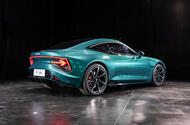 Fixed-roof GTS has the production go-ahead after its 2024 concept debut at the Goodwood Festival of Speed
MG has confirmed plans to put the four-seat hard-top version of its Cyberster sports car into production.
The fixed-roof Cyberster GTS was revealed as a running prototype at last year's Goodwood Festival of Speed, but there has been no word on a likely launch date since then - despite suggestions that it could arrive as early as this year.
But now, MG has confirmed at the Shanghai motor show that a production version is inbound and could land in time for the 60th anniversary of the original MG B GT in October.
Asked for an update on the Cyberster GTS, MG parent company SAIC's design boss, Jozef Kaban – who was responsible for the concept – would only go so far as to say: "It's coming."
He cited the positive public reaction to last year's concept as a factor in MG giving the green light to a production version, saying the exposure "made it happen".
Kaban was speaking on the sidelines of the unveiling of the new MG Cyber X concept – a brutalist electric crossover that's set to go on sale as the second model in the enthusiast-focused Cyber model family, alongside the Cyberster.
He hailed the effectiveness of the two-door sports car as a halo model for MG as an incentive to expand that line-up.
"It makes you smile," he said. "It makes you happy the moment you open the doors. You know everybody's watching. You know you are the star.
"That's why we love cars, because you feel that they are there to make you stronger. They make you happy. They make you shine."
A new derivative of the sports car would effectively give MG's Cyber brand a three-car line-up - and the dramatic difference in billing between the Cyberster and Cyber X model lines suggests there could be bandwidth between them to expand it further.
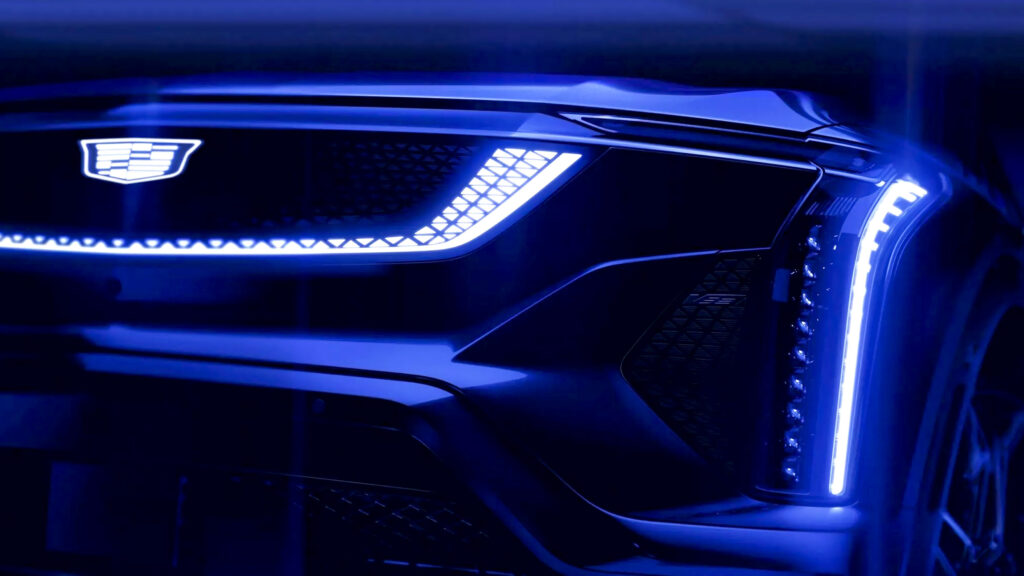
Cadillac Unveils the Optiq-V: A High-Performance Crossover with 515 HP
Driving Test Backlog: DVSA’s Bold Plan to Slash Wait Times by 10,000 Slots Monthly
 Wait list at more than half of Britain's test centres has hit six months; national average now five months
The Driver and Vehicle Standards Agency (DVSA) will boost driving test capacity by 10,000 slots per month in a bid to cut the months-long wait faced by learners across the UK.
According to DVSA figures, learners face a wait of more than half a year at 57% of test centres. Moreover, the number of centres with an average waiting time of more than six months almost doubled between February 2024 and February 2025 to 183. Meanwhile, the average waiting time for a test nationally increased from three and a half months to five months.
The DVSA has now promised to double its capacity for training new driving examiners and will reintroduce overtime incentives for existing examiners. This should increase the rate at which tests are conducted.
“I am instructing DVSA to take further action immediately to reduce waiting times, which will see thousands of additional tests made available every month,” said transport secretary Heidi Alexander.
Speaking to Autocar recently, AA Driving School spokesperson Lorna Lee attributed the large backlog of tests to the DVSA's failure to fulfil pent-up demand from the Covid lockdowns of five years ago.
“During all those lockdowns, driving tests are one of the things that were stop-start, because of various restrictions at different points,” she said. “It’s understandable how [the backlog] built up, because you ended up with people who had been hoping to take their tests and then they couldn’t, or they couldn’t have lessons. There was pent-up demand as we all came out of lockdown and things got back to normal, but that pent-up demand has never been satisfied.”
The DVSA recently implemented changes to the terms and conditions of booking or cancelling a test to crack down on the practice of tests being resold for profit.
The changes are intended to prevent driving instructors from booking tests for pupils they don’t teach and from booking tests that a learner has no apparent intention of using.
The DVSA said this will prevent resale services from bulk-booking placeholder slots for to resell to (and rebook in the name of) other learners.
But these measures are only addressing the symptoms of the backlog and not the root cause, according to Lee. “It is a capacity issue – supply and demand – and there has just not been enough supply of test slots to fulfil the demand,” she said. “If that was sorted out, then some of the peripheral issues that are talked about would be [resolved].”
Lee noted that when the DVSA temporarily boosted test capacity by 150,000 slots between October 2023 and March 2024, “you could start to see average waiting times come down”. However, it “was not enough overall” to resolve the full backlog, and because it was not sustained, “it just cranked back up again and now it’s higher than ever”.
The DVSA previously announced plans to hire an extra 450 examiners this year in a bid to bolster its efforts to reduce waiting times to an average of seven weeks by the end of this year. It currently employs 1600 examiners.
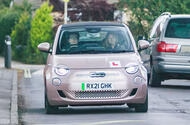
Ricky Tang, an independent driving instructor in north-west London (pictured below), was offered a role as an examiner but told Autocar he declined it because it would have significantly reduced his wages, and because of difficult working conditions.
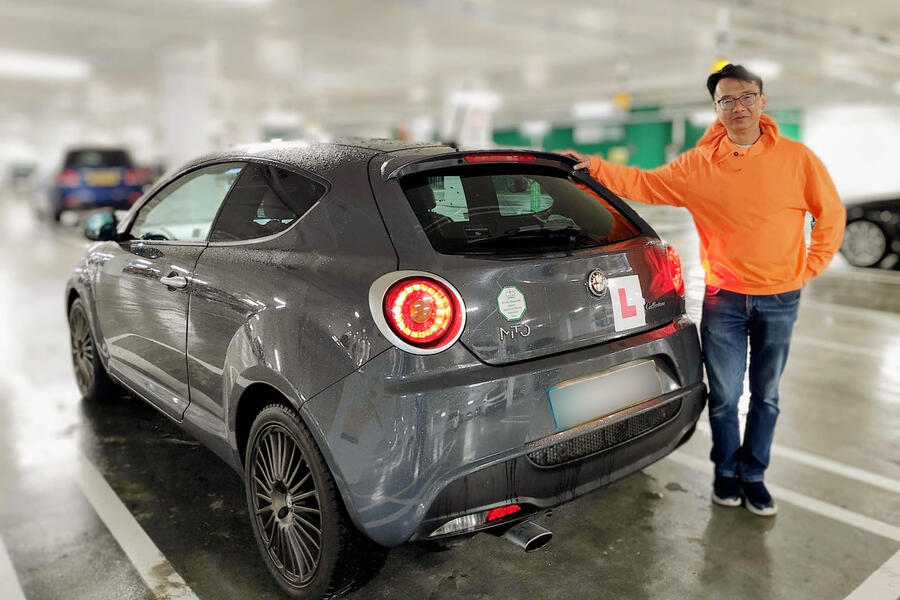
Indeed, the AA Driving School expects 130 examiners to leave their jobs this year, resulting in an actual net gain of around 320.
Tang added that the test backlog has brought significant ramifications for both him and his pupils. “Learners spend a lot of money now because they have to wait a long time,” he said. “For some who might need a test quickly – for example, for their jobs – they might have to wait six months, and that has an impact on their careers. I know some doctors who needed a driving licence to become a doctor and that unfortunately is affecting them as well, career-wise.”
Lee added that as well as financial challenges, the waiting times put learners under pressure to pass on their first attempt. “They know they’re staring down the barrel of a lengthy wait if they do need to take another one,” she said.
Tang called on the government to work more closely with instructors to resolve the issue and suggested an airline-style standby system could be the answer to long waiting times. “If one of those original candidates doesn’t turn up, you’re still taking one out [of the waiting list],” he said. “That would cut down the waiting list a lot.”
"Booking a driving test is awful"
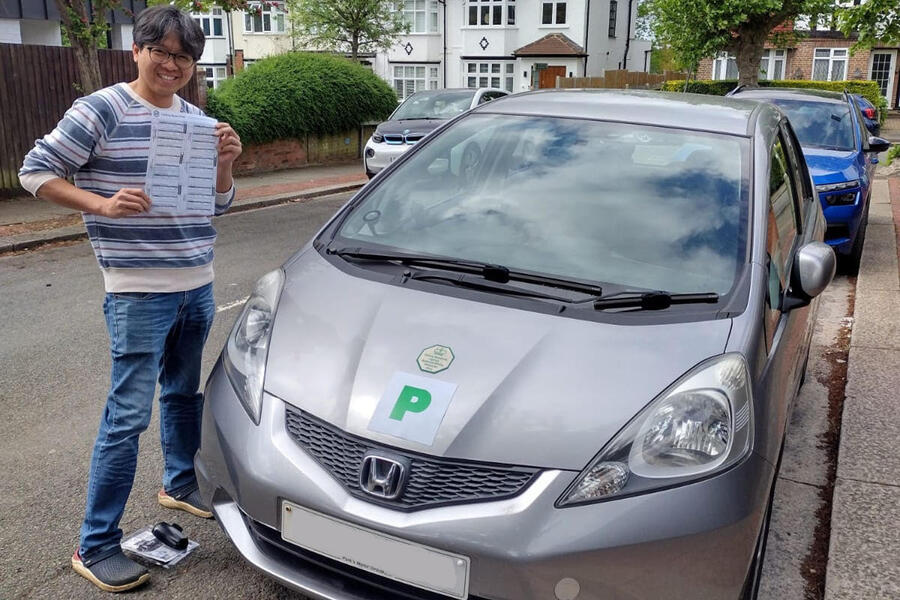
Heman Leung moved to the UK from Hong Kong in 2020. Because of the urbanisation in Hong Kong, he arrived with no driving experience but, soon after arriving in London with his family, he realised he needed a car.
“Booking a driving test is awful,” he told Autocar. “My booking was for half a year later.” He added that the stress from being unable to drive was “huge” because the long wait between each of his driving test failures left him plenty of time to “catastrophise”.
“There were a lot of issues that made me feel like I couldn’t take care [of my family]. I blamed myself a lot.”
Two years later, Leung passed his driving test on his fourth attempt. “It changed everything,” he said. He moved his two children to better schools farther from home and said driving makes him feel like a part of the wider community.
“I treasure my driving licence very, very much. I’ve even framed my L plates at home.”
How bots are hoovering up test slots
Search for a driving test online and you’ll find any number of services selling slots practically on demand at £200- £300, as opposed to the £62 that the DVSA charges. Many such services are fed test slots by automated programmes – ‘bots’ – which use driving instructors’ IDs to bulk-book tests quicker than humanly possible. This prevents real learners from booking a test through the DVSA when it releases slots at 6am every Monday.
The DVSA has taken action against the practice, having recently revised the terms and conditions for booking a test. It has also closed 800 business accounts for abuses.
But it remains an issue, as Tang told Autocar: “I’m still getting third-party apps telling me there are dates in May and June. If it was working, that would be shut down.”
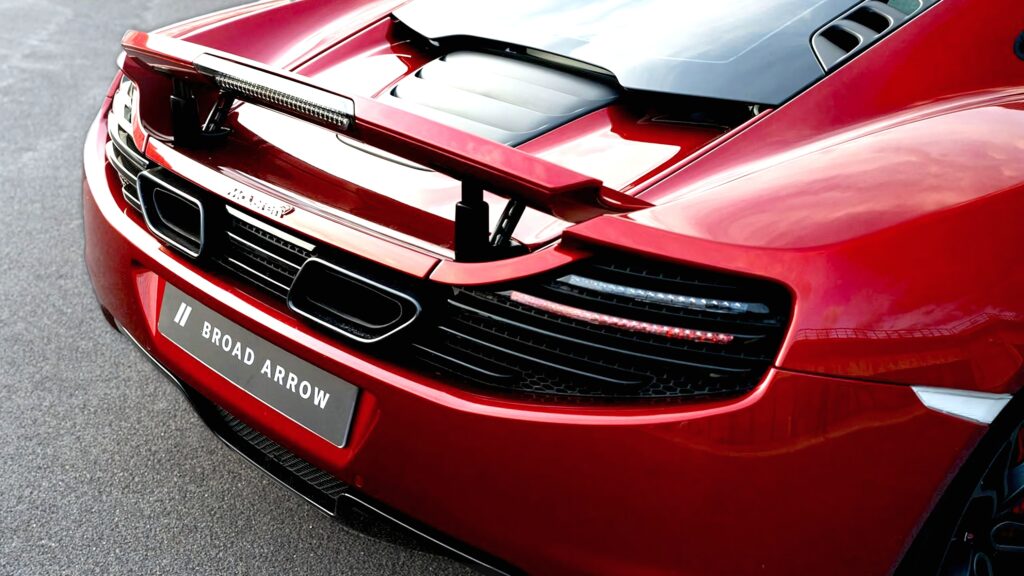
F1 Legends’ McLaren MP4-12Cs Hit the Auction Block: A Rare Opportunity
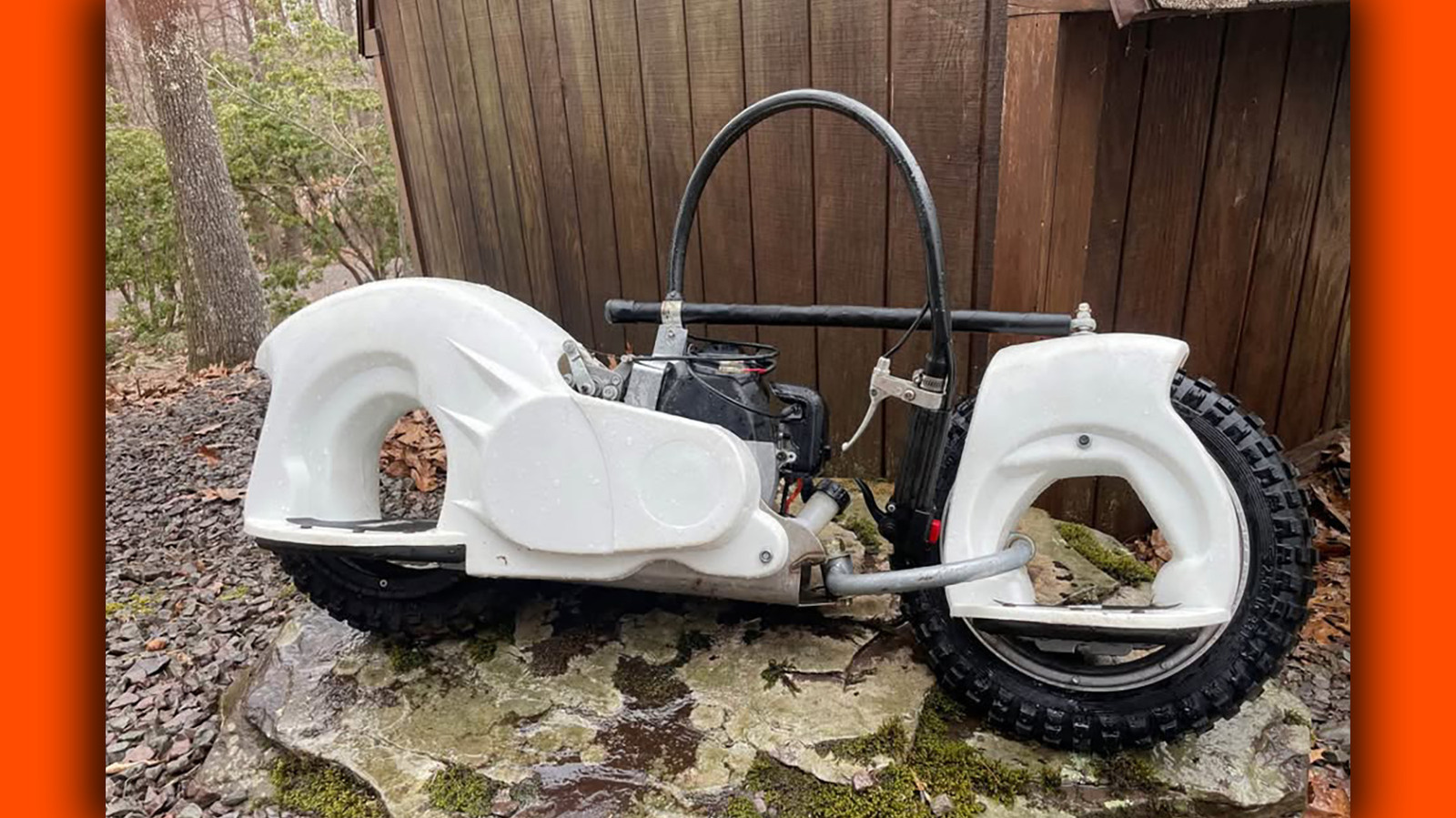
Revolutionizing Travel: The Ultimate Two-Stroke Off-Road Skateboard
MG Unveils Bold Cyber X SUV: A New Era of Electric Adventure
 Land Rover Defender-shaped EV unveiled in China as a follow-up to the Cyberster electric roadster
MG has taken to the Shanghai motor show to reveal a rugged, boxy SUV concept that previews the second model in its fashion-focused Cyber line-up.
The Cyber X is a bold, two-box, 4x4-inspired crossover measuring 4.3 metres long - making it roughly the same size as the Land Rover Defender 90 and slotting it in below the 4.5m-long MG S5 EV that recently arrived in the UK.
It has been revealed in concept form without an interior, but MG parent company SAIC’s design boss Jozef Kaban suggested to Autocar that the speed of development in China means it could quickly be made production-ready.
One priority of the concept is to demonstrate how the more enthusiast-focused Cyber line-up could be expanded, he explained, and to bring a new character to the MG family.
"One thing we have been talking about is the passion of MG and delivering experience which is not just going from A to B but a pleasure which makes you happy."
MG, Kaban said, “connects young and old people, rich and unrich people. Not many brands have the ability to do what MG does."
While the Cyber X previews a sibling to the Cyberster electric sports car and would likely share its fundamental underpinnings and technologies, it takes a radically different design approach - as part of Kaban’s plan to give the Cyber line-up as broad an appeal as possible.
"When you see the Cyberster, it's soft like a circle, with almost no edges, and with the other one coming, it's almost like plus and minus. They are completely different. But plus cannot live without minus. Their contrasts bring people together."
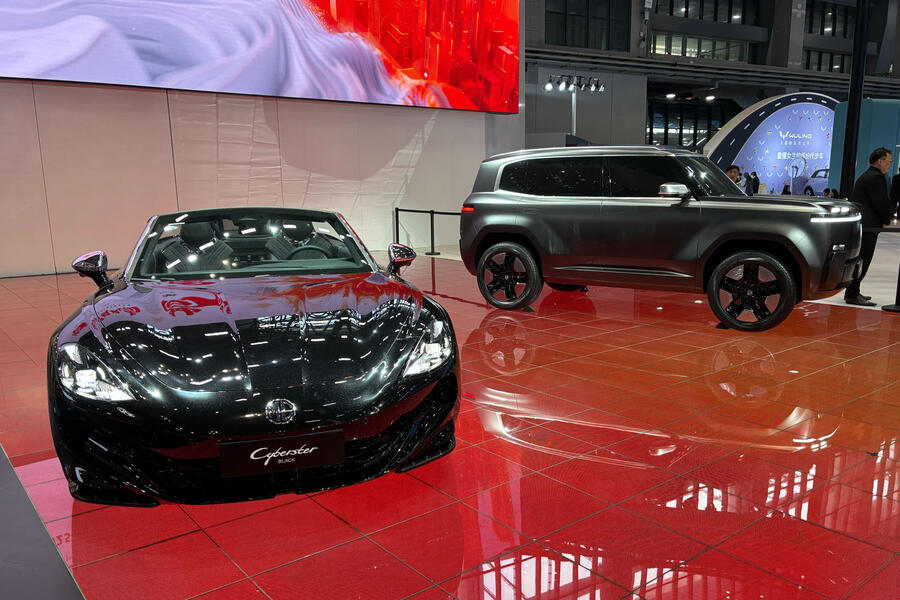
Kaban highlighted the octagonal outline of MG's emblem as a shape that could be interpreted as a "square circle or a round square" - a theme he says translates to the radically different design treatment for the sleek, flowing Cybester and its brutalist new SUV sibling.
"The point is to show that we are so diverse, we are different, and MG is the brand which is able to handle two characters, because they will have one thing in common: the joy in connecting people and in being fun to have."
Kaban said that the priority with the Cyber X's design was to "give families an emotional car, to give them joy by not needing to compromise at the stage of life when they have a family".
The production version of the Cyber X will be MG's third distinct SUV model in Europe. It's only slightly smaller than the ZS and S5, but Kaban said its radically different design and positioning means it can co-exist with its high-riding rangemates.
"Of course we have the HS and ZS, and they are going to live, but we could give another star next to them to shine, to make the family even stronger."
Kaban said the Cyber X's monolithic silhouette is not a reflection of a desire to rethink traditional SUV designs but rather a recognition that "being a little bit edgy doesn't need to hurt".
He referenced the unusual pop-up headlights – "like a [Ferrari] Testarossa" – as a particular design highlight, saying that the advent of the 'digital world' means some historic car design differentiators have been lost and the Cyber X concept is designed to explore ways of bringing some of that character back.