What Exactly Does a Spark Plug Do for Your Car?
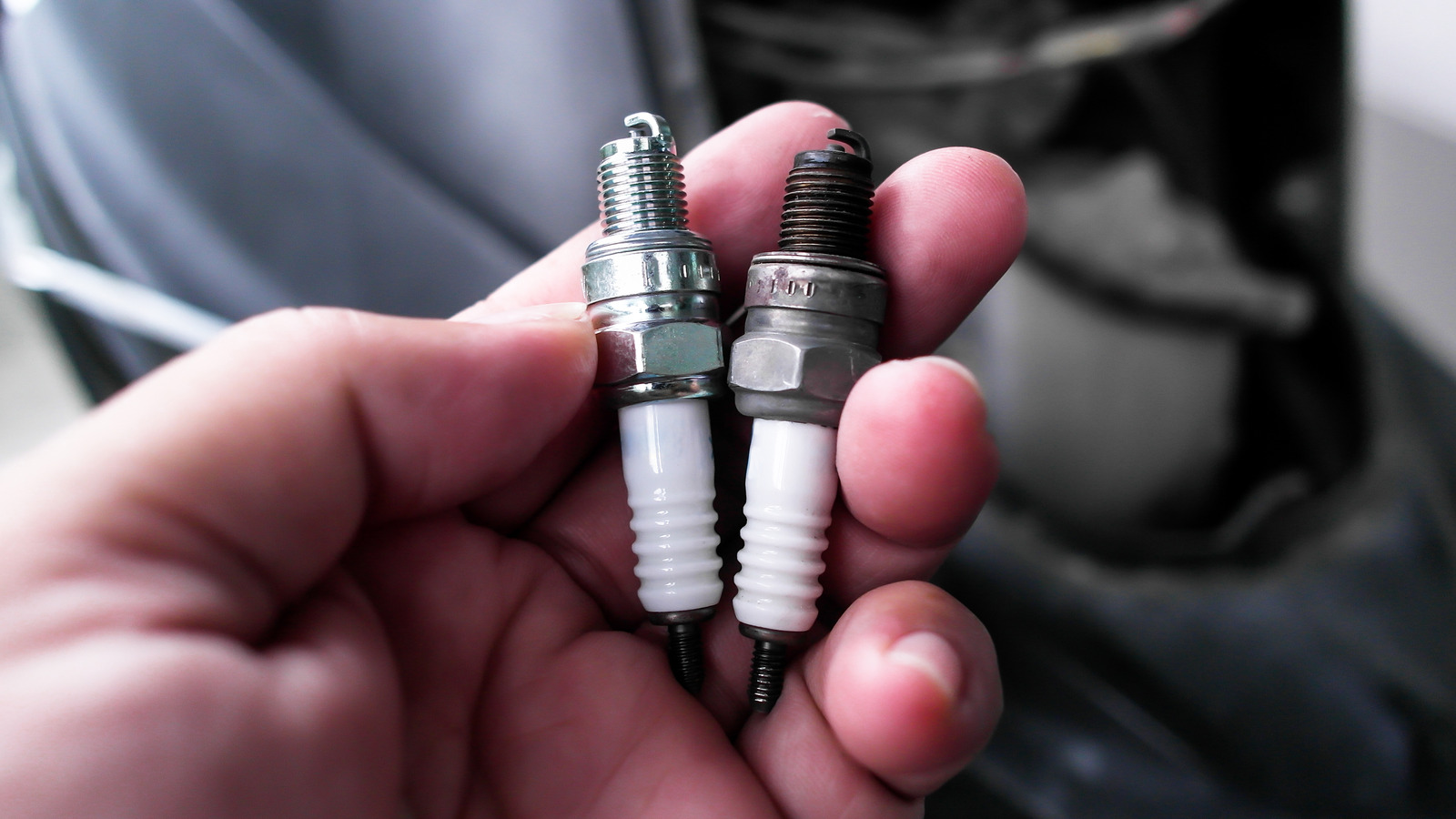
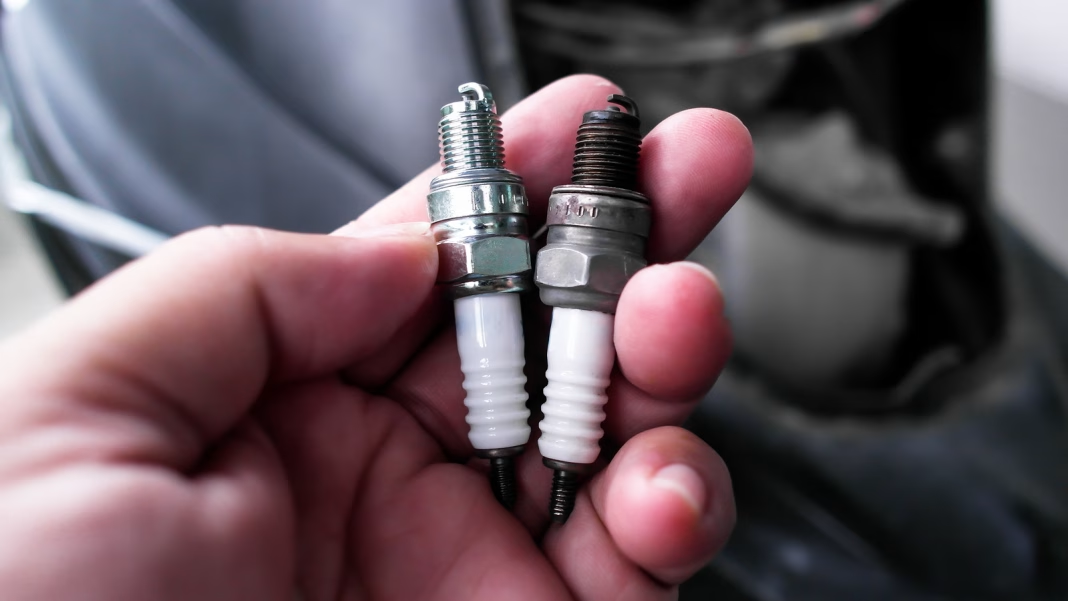
Ever wondered what keeps your engine humming along every time you turn the key? It all comes down to a tiny but mighty component: the spark plug. This little device ignites the air-fuel mixture inside your engine’s cylinders, creating the mini-explosions that power your car forward. Without a healthy spark plug, your vehicle might misfire, hesitate, or even refuse to start. In fact, the National Institute for Automotive Service Excellence reports that faulty spark plugs are one of the most common culprits behind engine performance issues.
Why Are There So Many Types of Spark Plugs?
It’s easy to assume all spark plugs are the same, but that’s far from the truth. Manufacturers design different types to suit a wide range of engines, driving conditions, and performance needs. The main variations come down to the materials used for the tip (or electrode), the shape and size, and even the number of ground electrodes. The result? Some plugs last longer, some offer better fuel efficiency, and others are built for high-performance engines. Choosing the right one isn’t just about following your owner’s manual—it’s about understanding how each type can impact your car’s behavior on the road.
Copper, Platinum, or Iridium: Which Material Matters Most?
Let’s break down the three most common spark plug materials. Copper spark plugs have been around the longest. They’re affordable and provide excellent conductivity, making them a solid choice for older vehicles or high-performance engines that run hotter. The downside? They wear out faster, usually needing replacement every 20,000 to 30,000 miles.
Platinum spark plugs step things up a notch. With a platinum disc welded to the tip, they last longer—often up to 60,000 miles—and maintain a sharper spark over time. This makes them a favorite for modern engines that require less frequent maintenance.
Iridium spark plugs are the current gold standard. Iridium is harder and more durable than platinum, so these plugs can last up to 100,000 miles. They also provide a more consistent spark, which can translate to smoother idling, better fuel economy, and lower emissions. According to a 2023 report from the Society of Automotive Engineers, switching to iridium plugs can improve fuel efficiency by up to 4% in some vehicles.
Do Specialty Spark Plugs Really Make a Difference?
You might come across double platinum, multi-ground, or even “performance” spark plugs at your local auto parts store. Are they worth the hype? Sometimes, yes. Double platinum plugs are designed for engines with distributor-less ignition systems, where the spark travels both ways. Multi-ground plugs can offer a longer lifespan and more reliable ignition in harsh conditions, like extreme cold.
Performance spark plugs, often marketed to enthusiasts, may feature unique electrode shapes or precious metal coatings. While they can provide a slight edge in horsepower or throttle response, the benefits are usually most noticeable in turbocharged or modified engines. For the average commuter, sticking with the manufacturer’s recommendation is usually the smartest move.
How Do I Know Which Spark Plug My Car Needs?
Here’s where things get personal. The best spark plug for your car depends on your engine type, driving habits, and even the climate where you live. Always start by checking your owner’s manual—it’ll list the exact type, size, and heat range your engine needs. If you’ve made modifications to your vehicle, or if you drive in extreme conditions (think: lots of stop-and-go traffic or frequent towing), you might benefit from upgrading to a longer-lasting or higher-performance plug.
Don’t forget about compatibility. Using the wrong spark plug can lead to poor fuel economy, rough idling, or even engine damage. If you’re unsure, consult a trusted mechanic or use an online compatibility tool from a reputable manufacturer.
What Are the Signs My Spark Plugs Need Replacing?
Spark plugs don’t last forever, and worn-out plugs can sneak up on you. Watch for these telltale signs: sluggish acceleration, trouble starting the engine, decreased fuel efficiency, or a rough idle. In some cases, your check engine light might even make an appearance. According to a recent AAA survey, nearly 30% of drivers ignore these symptoms until their car breaks down—a costly mistake.
If you’re handy, replacing spark plugs is a straightforward DIY job. Just be sure to use the correct torque and gap settings, or you could risk damaging your engine. Not comfortable with wrenches? No shame in letting a professional handle it.
Is It Worth Upgrading My Spark Plugs for Better Performance?
If you’re chasing every last bit of performance or efficiency, upgrading your spark plugs can be a smart move. Iridium or platinum plugs can help modern engines run smoother and cleaner, especially if you’re clocking lots of miles each year. For older cars or high-performance builds, copper plugs might still be the best bet for maximum spark.
But here’s the real-world truth: the biggest gains come from simply keeping your plugs in good shape. A neglected spark plug—no matter how fancy—will drag down your engine’s performance. Regular checks and timely replacements will do more for your car than any high-end upgrade.
The big takeaway? Choosing the right spark plug isn’t about perfection—it’s about smarter adjustments. Start with one change this week, and you’ll likely spot the difference by month’s end.