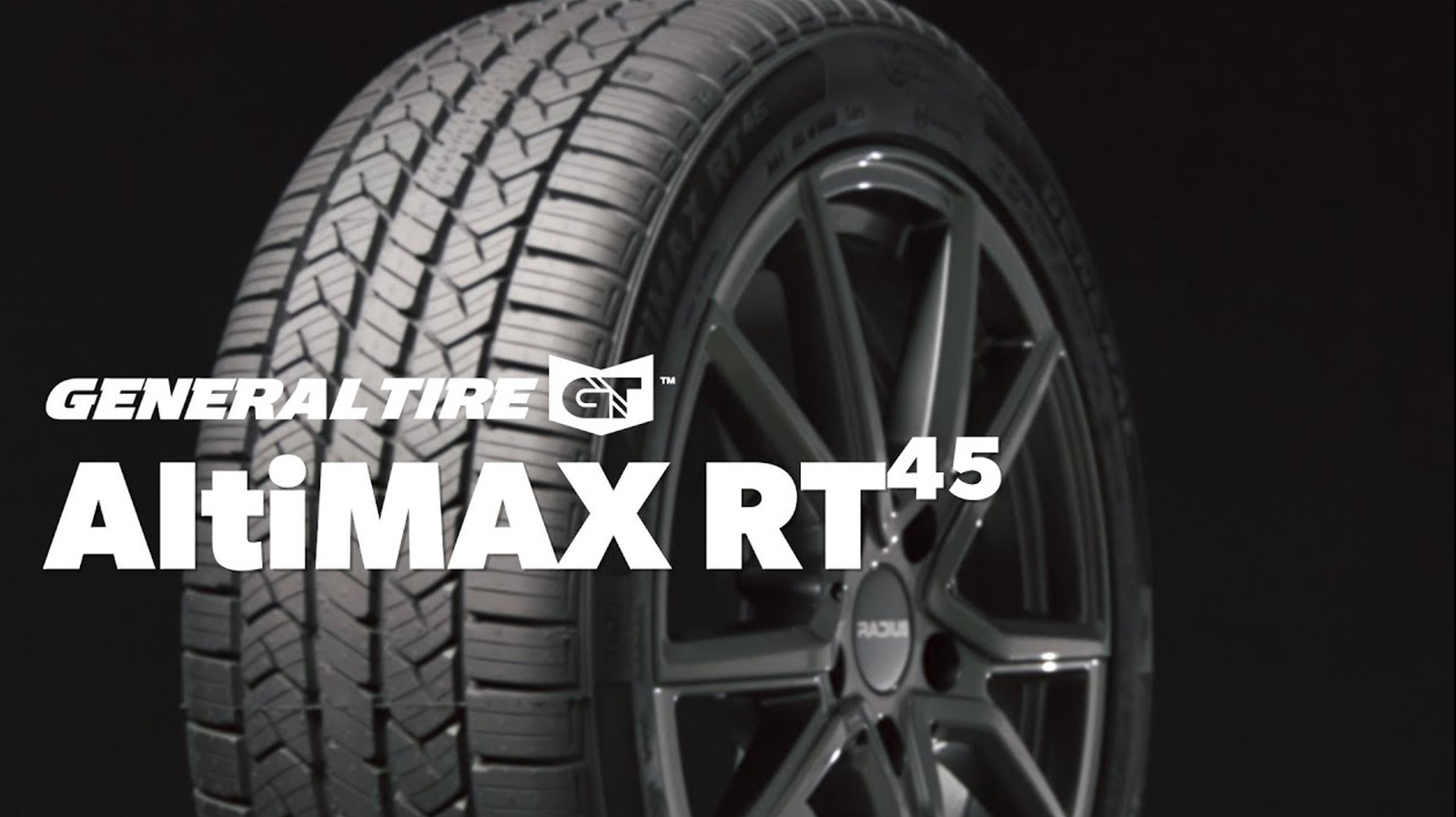
What’s Going On With the General Tire Altimax RT45 Recall?
If you’ve recently bought new tires, especially the General Tire Altimax RT45, you might want to double-check your set. Continental Tire has issued a recall for 542 of these tires after discovering a risk that they could suddenly lose air or even shed their tread. That’s not just a minor inconvenience—it’s a real safety concern that drivers shouldn’t ignore.
Why Are These Tires Being Recalled?
The heart of the issue is potential sudden air loss or tread separation. In plain English, this means the tire could deflate quickly or the outer layer could peel off while you’re driving. Both scenarios can make it tough to control your vehicle, especially at highway speeds or in challenging weather. According to data from the National Highway Traffic Safety Administration (NHTSA), tire-related crashes cause over 11,000 accidents annually in the US, with tread separation being a leading culprit in serious incidents. So, when a manufacturer spots even a small batch of risky tires, a recall is the right call.
How Can You Tell If Your Tires Are Affected?
Not every Altimax RT45 tire is part of this recall. Continental has provided specific DOT codes and production dates for the affected batch. The best way to check? Look for the DOT code on your tire’s sidewall—it’s a string of letters and numbers that tells you when and where the tire was made. If you’re unsure how to find or interpret this code, most tire shops or dealerships can help you out in minutes. And if your tires are on the list, don’t wait—get them inspected or replaced as soon as possible.
What Should You Do If Your Tire Is Recalled?
First things first: don’t panic. Tire recalls are more common than you might think, and manufacturers are required by law to replace or repair faulty products at no cost to you. Continental will typically notify registered owners directly, but if you bought your tires from a third party or online, it’s smart to be proactive. Call your tire dealer or visit Continental’s recall website for step-by-step instructions. Most shops can swap out the affected tires quickly, often within a day or two. And yes, the replacement is free.
Are Tire Recalls Really That Serious?
Absolutely. Even a single tire with a manufacturing defect can spell disaster on the road. The NHTSA’s research shows that tire failures are a leading factor in rollover crashes, which have a higher risk of injury or death. The good news? Recalls like this one are a sign that the system is working—manufacturers are catching problems early, often before any injuries occur. Still, it’s up to drivers to act fast when a recall notice lands in their mailbox or inbox.
How Can You Stay Ahead of Tire Safety Issues?
Recalls aren’t the only reason to keep an eye on your tires. Regular inspections—looking for cracks, bulges, or uneven wear—can catch problems before they become emergencies. The Rubber Manufacturers Association recommends checking tire pressure at least once a month and before long trips. And don’t forget to rotate your tires and check alignment; these small habits can extend tire life and improve safety. If you ever feel a strange vibration or hear odd noises from your wheels, don’t brush it off. Get it checked.
What If You’re Not Sure Where Your Tires Came From?
It happens. Maybe you bought your car used or inherited a set of tires from a friend. In these cases, jot down the DOT codes and reach out to the manufacturer or a reputable tire shop. Many shops will check recall databases for you at no charge. It’s a quick step that could save you a world of trouble down the road.
The Big Takeaway? Tire safety isn’t about perfection—it’s about smarter adjustments. Start with one change this week, and you’ll likely spot the difference by month’s end.