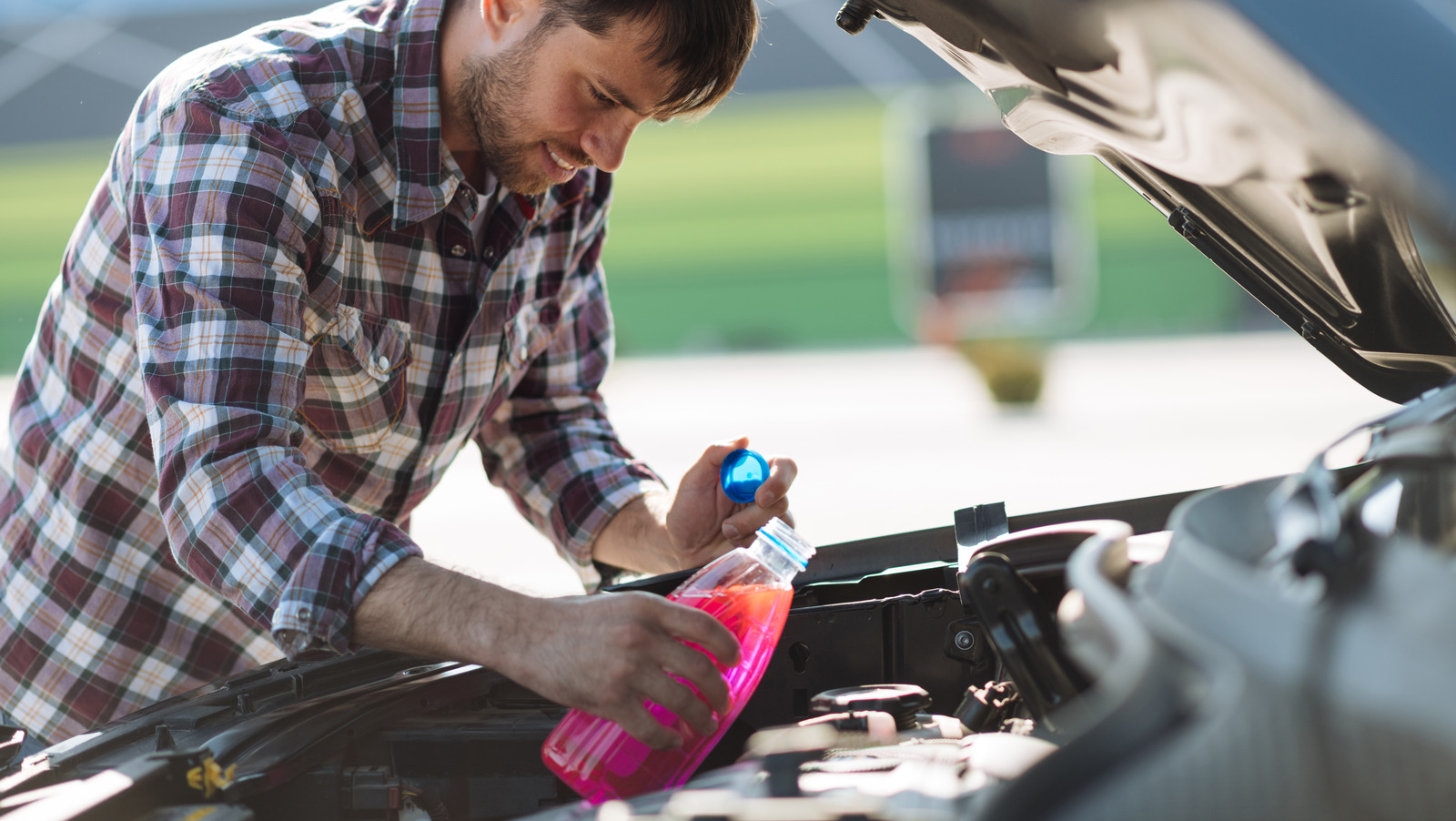
What Happens If You Accidentally Overfill Your Coolant Reservoir?
You’re topping off your car’s fluids, and suddenly—oops—there’s a little too much coolant in the reservoir. It’s a common slip, and if you’ve ever squinted at that translucent tank wondering if you’ve gone overboard, you’re not alone. But what actually happens when you overfill your coolant? Does it spell disaster for your engine, or is it just a minor hiccup?
First, let’s clear up a myth: Overfilling the coolant reservoir isn’t instantly catastrophic. Modern cars are built with a bit of forgiveness in mind. Most reservoirs have an overflow hose that allows excess coolant to escape if the pressure gets too high. So, if you’ve poured in a bit too much, your car will likely spit out the surplus once things heat up.
That said, consistently running with an overfilled reservoir can create problems over time. When the engine heats up, coolant expands. If there’s nowhere for that extra volume to go, you might see leaks, or worse, increased pressure that could stress hoses and seals. In rare cases, this could even lead to premature component wear or failure. It’s not about an immediate breakdown, but more about the long-term health of your cooling system.
How Can You Tell If You’ve Actually Overfilled?
It’s easy to misjudge the fill line, especially if the markings are faded or the coolant is hard to see. Most reservoirs have “MIN” and “MAX” lines. The sweet spot is right between them, ideally when the engine is cold. If the level is above “MAX,” you’ve overfilled.
You might also notice a puddle of coolant under your car after driving, or a faint sweet smell (that’s ethylene glycol, the main ingredient in most coolants). Sometimes, you’ll spot dried pink, green, or orange residue near the overflow tube. These are all signs your car is expelling the excess.
Is It Safe to Drive With Too Much Coolant?
If you’ve just slightly overfilled, you can usually drive without worry. The system will self-correct by pushing out the extra fluid. But if you’ve added a significant amount—enough that the reservoir is nearly brimming—it’s best to address it sooner rather than later.
Why? Because excessive coolant can cause pressure to build up, and while your car’s overflow system is designed to handle some excess, it’s not foolproof. Over time, you risk damaging hoses, gaskets, or even the radiator itself. Plus, spilled coolant is toxic to pets and wildlife, so it’s best to avoid unnecessary leaks.
What Should You Do If You’ve Overfilled?
Don’t panic. Here’s a simple fix you can do at home:
1. Wait until the engine is completely cool. Opening the reservoir while it’s hot can cause burns from pressurized steam.
2. Remove the reservoir cap slowly.
3. Use a turkey baster, siphon pump, or even a clean syringe to draw out the excess coolant until the level sits between the “MIN” and “MAX” lines.
4. Wipe up any spills, and dispose of the excess coolant properly—never pour it down the drain or onto the ground.
If you’re unsure how much to remove, err on the side of caution. It’s better to be a little under than over, as you can always add more if needed.
Can Overfilling Coolant Cause Engine Damage?
It’s unlikely that a one-time overfill will cause immediate engine damage, especially if you correct it quickly. However, repeated overfilling or ignoring persistent leaks can lead to bigger issues. According to a 2023 report from the Car Care Council, cooling system failures are among the top five causes of roadside breakdowns in North America. Keeping your coolant at the proper level is a simple way to avoid joining those statistics.
If you notice your temperature gauge creeping up, or if you see warning lights related to the cooling system, don’t ignore them. Persistent overheating can warp engine components and lead to costly repairs.
How Much Coolant Loss Is Normal?
A little bit of coolant loss over time is normal, especially in older vehicles. But if you’re topping off frequently or notice sudden drops in the reservoir, it’s worth investigating for leaks or other issues. A healthy cooling system should maintain its level between service intervals.
If you’re unsure, a quick pressure test at your local mechanic can reveal hidden leaks or weak spots in the system. It’s a small investment that can save you from major headaches down the road.
What’s the Best Way to Prevent Overfilling in the Future?
The simplest trick? Always check the fill lines before adding coolant, and add small amounts at a time. Use a flashlight to help see the level if your reservoir is cloudy. And remember, it’s best to check when the engine is cold, as coolant expands when hot and can give a false reading.
If you’re ever in doubt, consult your owner’s manual for the recommended coolant type and capacity. Every car is a little different, and using the right fluid in the right amount is key to keeping things running smoothly.
The big takeaway? Maintaining your coolant level isn’t about perfection—it’s about smarter adjustments. Start with one change this week, and you’ll likely spot the difference by month’s end.