Does Using Cruise Control Really Save Gas?
If you’ve ever found yourself on a long stretch of highway, thumb hovering over the cruise control button, you’ve probably wondered: does this feature actually help you save fuel, or is it just about comfort? The answer, like most things involving cars and efficiency, isn’t as straightforward as a simple yes or no. Let’s break down what’s really going on under the hood when you let your car take the wheel—so to speak.
How Does Cruise Control Affect Fuel Consumption on Highways?
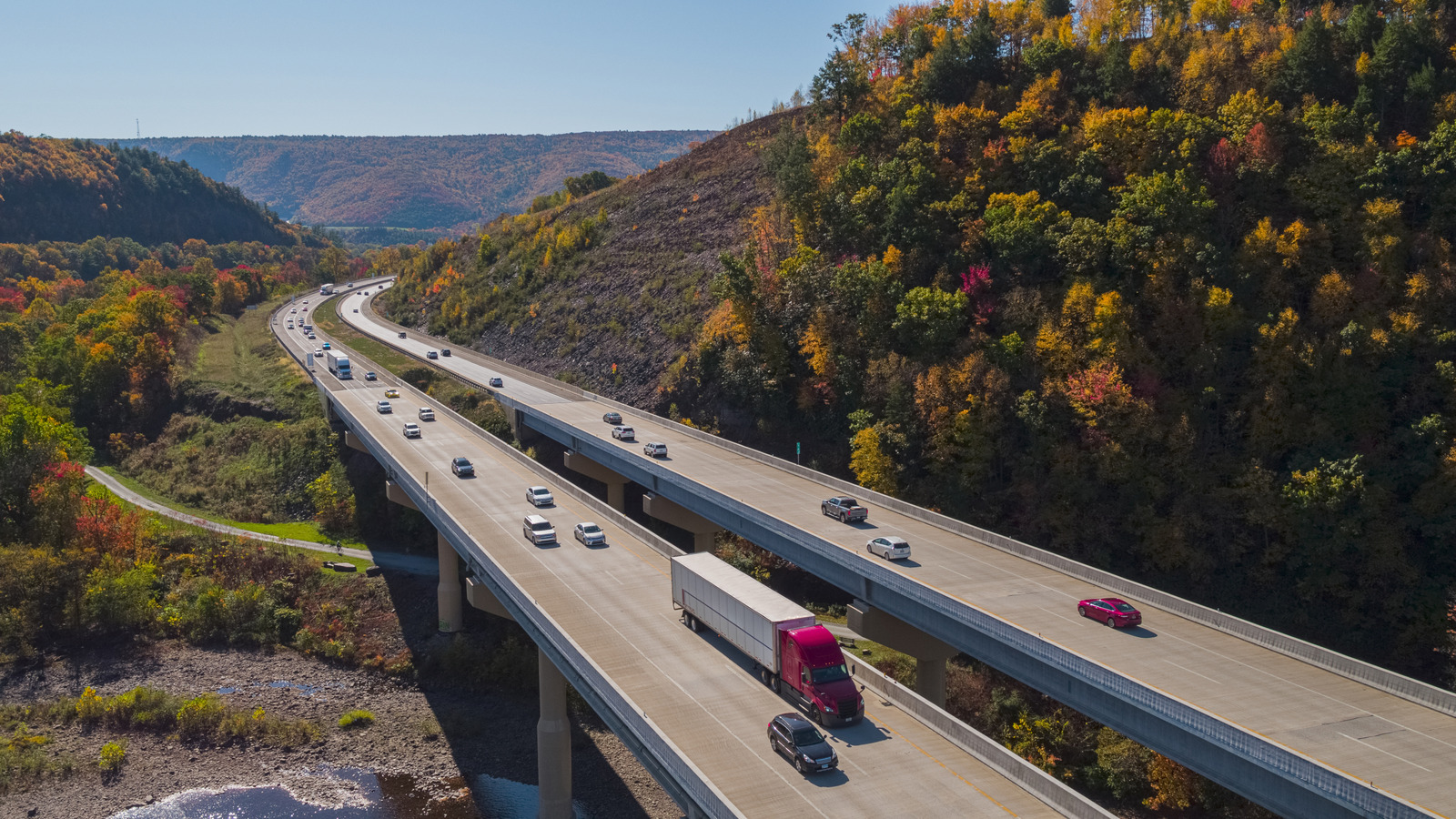
On flat highways, cruise control is a game-changer for fuel efficiency. Here’s why: the system maintains a steady speed, eliminating the little surges and dips that happen when you’re manually adjusting the accelerator. According to a study by the U.S. Department of Energy, maintaining a consistent speed can improve fuel economy by up to 14 percent compared to erratic driving. That’s not pocket change, especially if you rack up a lot of highway miles.
Think about it—every time you accelerate, your engine works harder and burns more fuel. Cruise control smooths out those spikes, keeping your car in its most efficient operating range. For folks with a lead foot or a tendency to speed up and slow down without realizing it, this feature can be a silent money-saver.
Are There Situations Where Cruise Control Wastes More Gas?
Absolutely. Not all roads are created equal, and cruise control isn’t always your friend. On hilly or winding terrain, cruise control can actually use more fuel. The system tries to maintain your set speed, so when you hit an incline, it’ll often downshift and pump more gas to keep you going just as fast uphill as you were on the flat. That’s not how most people drive manually—most of us naturally ease off the gas a bit on hills, which saves fuel.
A real-world example: A 2022 test by Consumer Reports found that on rolling hills, cruise control sometimes increased fuel consumption by 2-3 percent compared to attentive manual driving. It’s a small difference, but over time, it adds up—especially if your daily commute looks more like a roller coaster than a pancake.
Does Adaptive Cruise Control Change the Equation?
Modern cars are getting smarter, and adaptive cruise control (ACC) is a big leap forward. Unlike traditional systems, ACC automatically adjusts your speed to maintain a safe distance from the car ahead. This can be a blessing in stop-and-go traffic, but it’s not always a fuel-saver.
Here’s the catch: If traffic is heavy and speeds are constantly changing, ACC will brake and accelerate more often than a human might. That extra braking and accelerating can eat into your gas savings. However, on open roads with light traffic, ACC can still deliver the same steady-speed benefits as regular cruise control.
What About Weather and Road Conditions?
Cruise control isn’t just about gas mileage—it’s also about safety. In wet, icy, or otherwise slippery conditions, using cruise control can actually be dangerous. The system isn’t designed to handle sudden changes in traction, and it won’t react the way a human driver would if you start to skid. Most experts, including the National Highway Traffic Safety Administration, recommend turning cruise control off when the weather turns bad. Saving a few bucks on gas isn’t worth risking your safety.
Can Cruise Control Help Reduce Driver Fatigue?
While not directly related to fuel consumption, it’s worth mentioning that cruise control can make long drives less tiring. By taking over the throttle, it lets you relax your leg muscles and focus more on steering and staying alert. This can indirectly improve your fuel efficiency, too—a less fatigued driver is less likely to make those little mistakes that waste gas, like unnecessary speeding or sudden braking.
Are There Any Downsides to Relying on Cruise Control Too Much?
Like any tool, cruise control is best used in the right context. Relying on it too heavily can make you less attentive to changes in traffic or road conditions. Plus, if you’re not paying attention, you might miss opportunities to coast or slow down early for exits—both easy ways to save a bit more fuel.
The big takeaway? Cruise control isn’t about perfection—it’s about smarter adjustments. Start with one change this week, and you’ll likely spot the difference by month’s end. Use cruise control on flat highways for smoother, more efficient driving, but don’t be afraid to take back control when the road gets tricky. Your wallet—and your peace of mind—will thank you.