Ever wondered if filling your tires with nitrogen is worth the hype? You’re not alone. Many vehicle owners are curious about the benefits of nitrogen-filled tires versus the traditional air we’ve been using for decades. Let’s dive into what nitrogen really brings to the table and what fellow drivers have experienced.
What’s the Big Deal About Nitrogen?
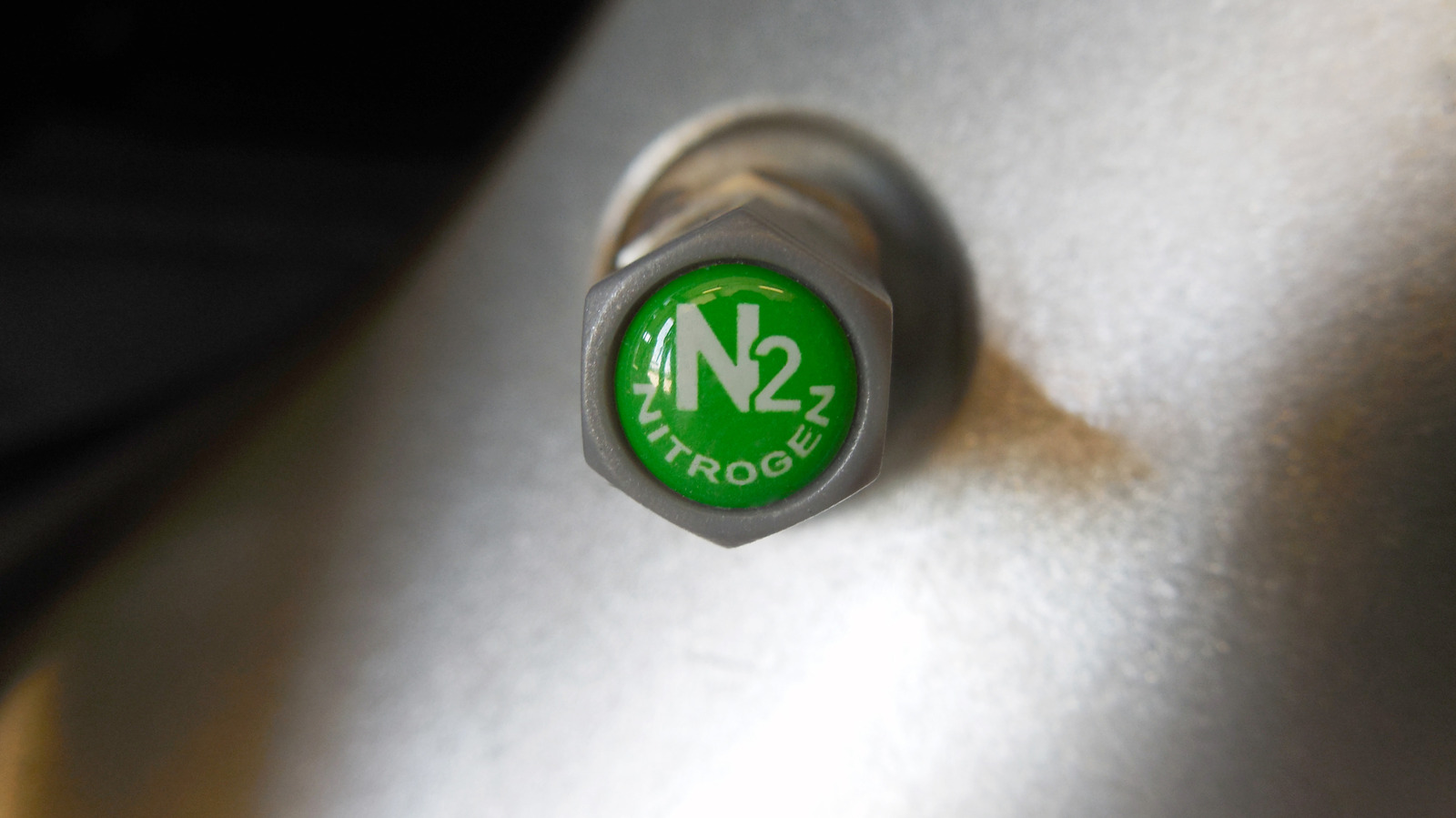
First off, let’s clarify what nitrogen-filled tires are all about. Unlike regular air, which is about 78% nitrogen, nitrogen filling uses nearly pure nitrogen gas. The idea is that nitrogen molecules are larger than oxygen molecules, which means they’re less likely to seep out of the tires over time. This could lead to better tire pressure retention, which is crucial for safety, fuel efficiency, and tire longevity.
But does it really make a noticeable difference? Many drivers who have switched to nitrogen report a few key benefits. For one, they often find that their tire pressure remains more stable over time. This can be especially beneficial in extreme weather conditions, where temperature fluctuations can cause air-filled tires to lose pressure more rapidly.
Real-World Experiences: What Are Drivers Saying?
Let’s hear from some vehicle owners who’ve made the switch. A common sentiment is that nitrogen-filled tires seem to hold pressure longer, reducing the frequency of checks and refills. One driver shared that after switching, they noticed their tires stayed at optimal pressure for weeks longer than before. This not only saves time but also contributes to better fuel efficiency—something we all appreciate at the pump.
Another benefit mentioned by users is improved ride quality. Some drivers report a smoother ride, attributing this to the consistent tire pressure that nitrogen provides. When tires are properly inflated, they perform better, leading to enhanced handling and comfort on the road.
However, it’s not all sunshine and rainbows. Some drivers argue that the difference isn’t significant enough to justify the cost of filling tires with nitrogen. Regular air is free, after all, and many people feel that as long as they maintain their tire pressure regularly, they can achieve similar results without the extra expense.
The Science Behind the Claims
From a scientific standpoint, there’s some merit to the claims about nitrogen. Studies have shown that nitrogen can reduce the rate of pressure loss compared to regular air. According to a study by the U.S. Department of Energy, tires filled with nitrogen can maintain their pressure better over time, which can lead to improved fuel economy and reduced tire wear.
That said, the actual difference in performance can vary based on driving habits, climate, and how often you check your tire pressure. For those who drive in extreme conditions or frequently travel long distances, the benefits of nitrogen might be more pronounced.
Is It Worth the Investment?
So, should you make the switch? If you’re someone who values convenience and wants to minimize the hassle of frequent tire maintenance, nitrogen could be a worthwhile investment. It’s particularly appealing for high-performance vehicles or those used in competitive settings where every bit of performance matters.
On the flip side, if you’re a casual driver who checks tire pressure regularly and doesn’t mind the occasional refill, sticking with regular air might be perfectly fine. The key is understanding your driving needs and habits.
The big takeaway? Nitrogen isn’t about perfection—it’s about smarter adjustments. Start with one change this week, and you’ll likely spot the difference by month’s end. Whether you choose nitrogen or stick with air, keeping your tires properly inflated is what truly counts for safety and performance on the road.