Do You Really Need to Bleed Your Brakes After Changing Pads?
Wondering if you have to bleed your brakes after swapping out those worn pads? You’re not alone. It’s one of those questions that pops up in every DIYer’s mind, and the answer isn’t as cut and dried as you might hope. Let’s break down when bleeding is necessary, when you can skip it, and how to spot trouble before it starts.
What Actually Happens When You Change Brake Pads?
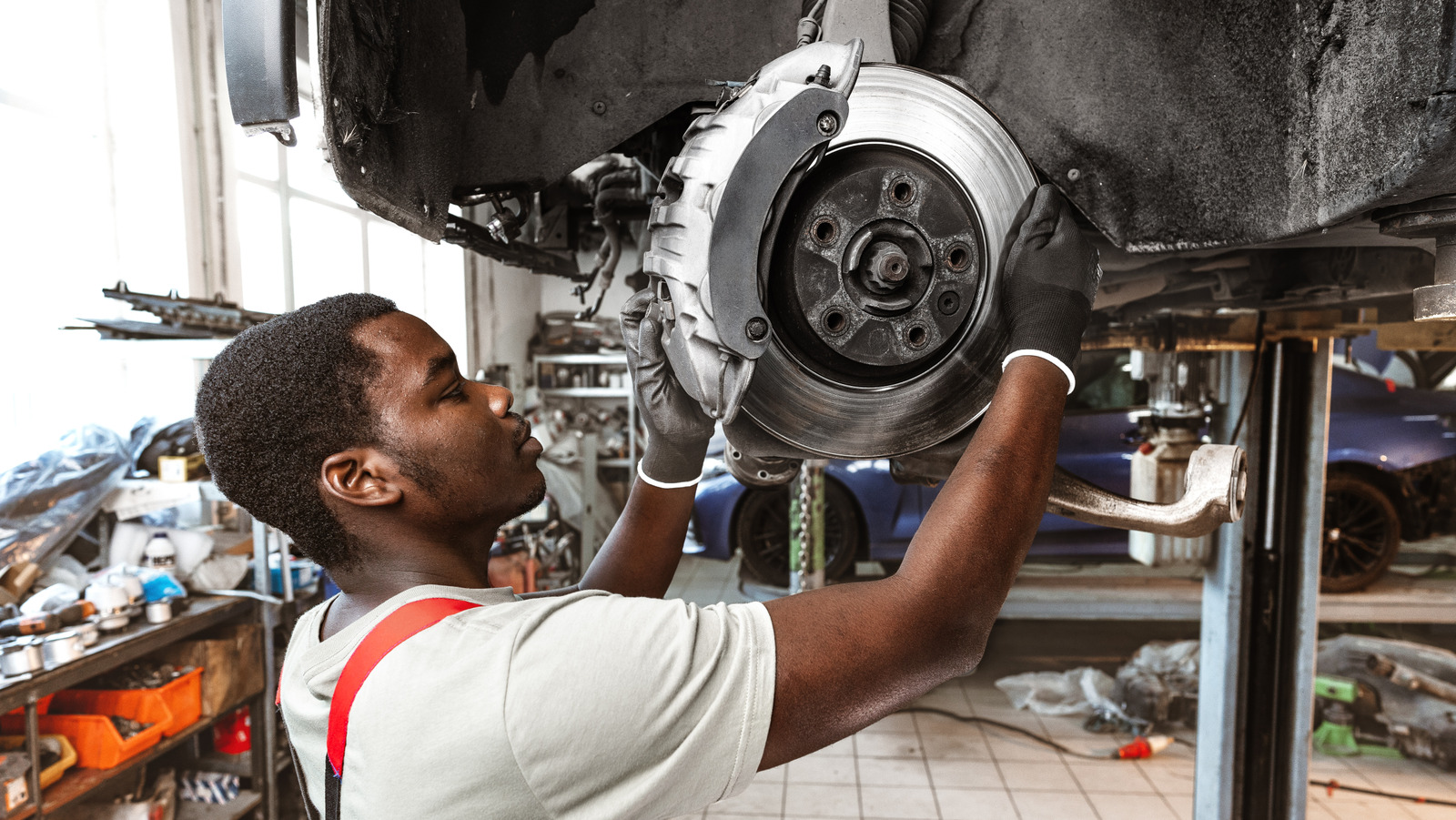
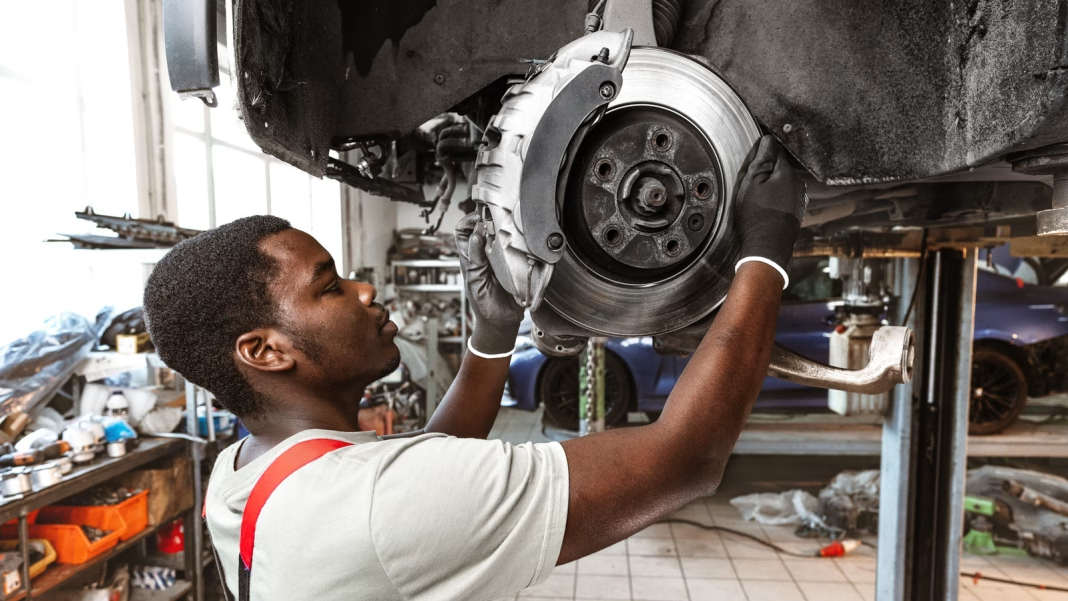
When you change your brake pads, you’re replacing the friction material that presses against your rotors to slow the car down. To fit the new, thicker pads, you usually have to push the caliper pistons back into their bores. This process can sometimes push brake fluid back up into the master cylinder. If you’re careful, and the system stays sealed, you typically won’t introduce any air into the lines. That’s key—air is the enemy of firm, responsive brakes.
But here’s the catch: if you accidentally let the brake fluid reservoir run dry, or if you disconnect any hydraulic lines, air can sneak in. Once that happens, bleeding is a must.
How Can You Tell If Air Got Into the System?
The most obvious sign? A spongy brake pedal. If, after changing your pads, the pedal feels soft or sinks further than usual before the brakes engage, that’s a red flag. According to the National Highway Traffic Safety Administration, a soft pedal can reduce stopping power and increase your risk of an accident. Don’t ignore it.
Another clue is inconsistent braking—if the pedal feel changes from one stop to the next, or if you hear odd noises, it’s time to investigate.
Are There Situations Where Bleeding Is Absolutely Required?
Yes, and they’re more common than you might think. Here’s when you should always bleed your brakes after a pad change:
– You opened any brake lines or fittings.
– The brake fluid reservoir got low enough to suck in air.
– You noticed leaks or contamination in the fluid.
– The pedal feels spongy or inconsistent after the job.
If none of these happened, and you were careful not to disturb the hydraulic system, you can usually skip bleeding. But if you’re unsure, it’s better to err on the side of caution.
What’s the Risk of Skipping the Bleed?
Skipping a needed bleed can compromise your safety. Air compresses, unlike brake fluid, which means your pedal might go to the floor before the brakes bite. According to a 2023 study by the Insurance Institute for Highway Safety, improper brake maintenance is a factor in 22% of mechanical-failure-related crashes. That’s not a stat you want to be part of.
Can You Bleed Brakes Yourself, or Should You Call a Pro?
Bleeding brakes isn’t rocket science, but it does require patience and the right tools. If you have a helper, a clear hose, and a catch bottle, you can use the tried-and-true two-person method. There are also one-person kits that use vacuum or pressure to make the job easier. Just be sure to use fresh, manufacturer-recommended brake fluid and follow the correct bleeding sequence for your vehicle.
If you’re not comfortable or if your car has advanced systems like ABS or electronic brake distribution, it’s smart to let a professional handle it. Some modern vehicles require special scan tools to cycle the ABS pump during bleeding.
What About Preventive Maintenance—Should You Bleed Anyway?
Even if you don’t have to bleed after every pad change, regular brake fluid maintenance is a good habit. Most automakers recommend flushing the fluid every two to three years, regardless of mileage. Brake fluid absorbs moisture over time, which can corrode components and lower the boiling point—bad news for performance and safety.
Anecdotally, seasoned mechanics will tell you that a quick bleed every time you’re in there can catch small issues before they become big headaches. It’s a little extra work, but it pays off in peace of mind.
So, What’s the Smart Move After Changing Your Pads?
Check your brake pedal feel before and after the job. If it’s firm and responsive, and you didn’t open the system or let the reservoir run dry, you’re probably in the clear. But if anything feels off, don’t gamble—bleed the brakes. It’s a small investment of time that can make a big difference in how your car stops.
The big takeaway? Brake maintenance isn’t about perfection—it’s about smarter adjustments. Start with one change this week, and you’ll likely spot the difference by month’s end.