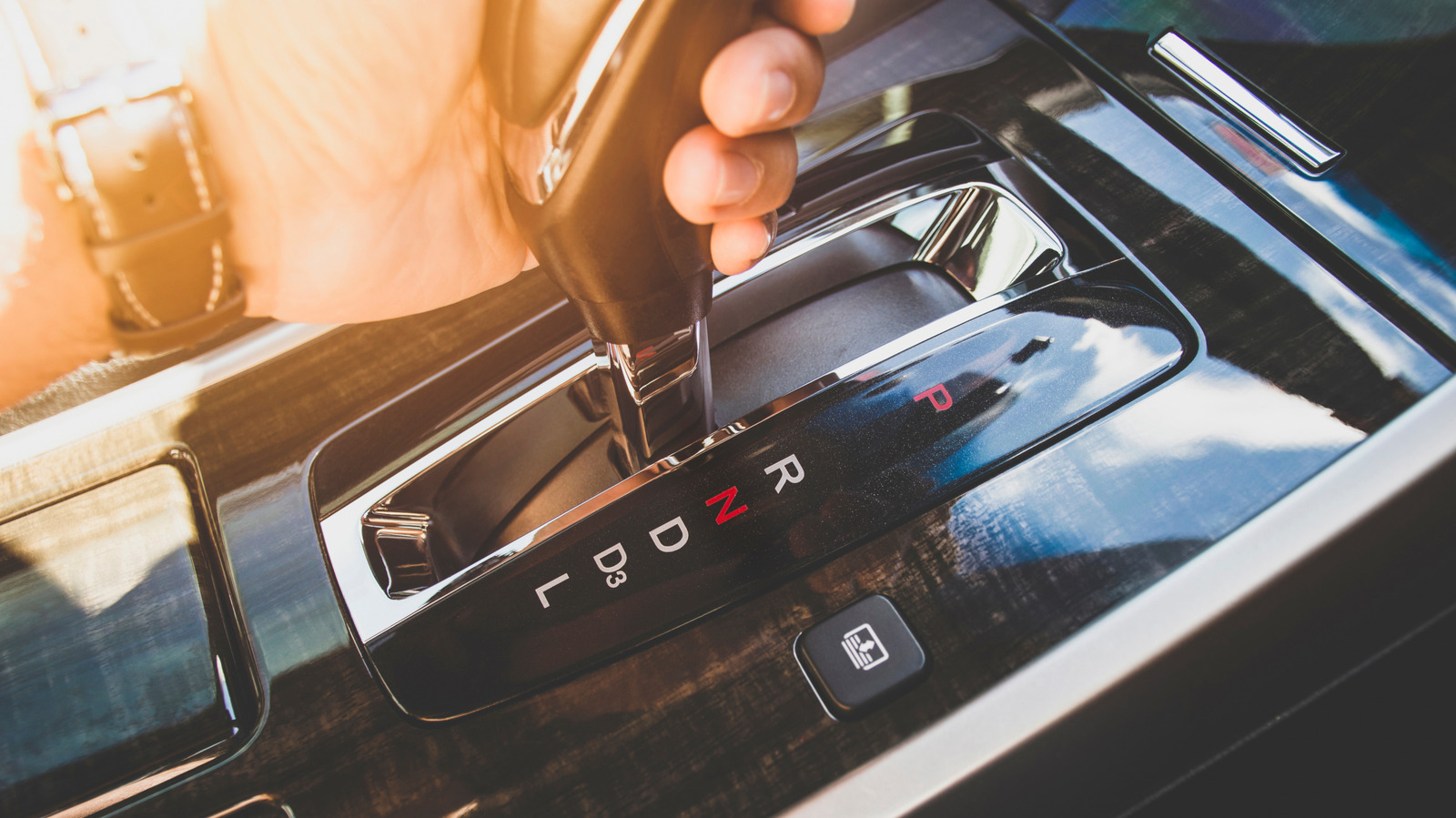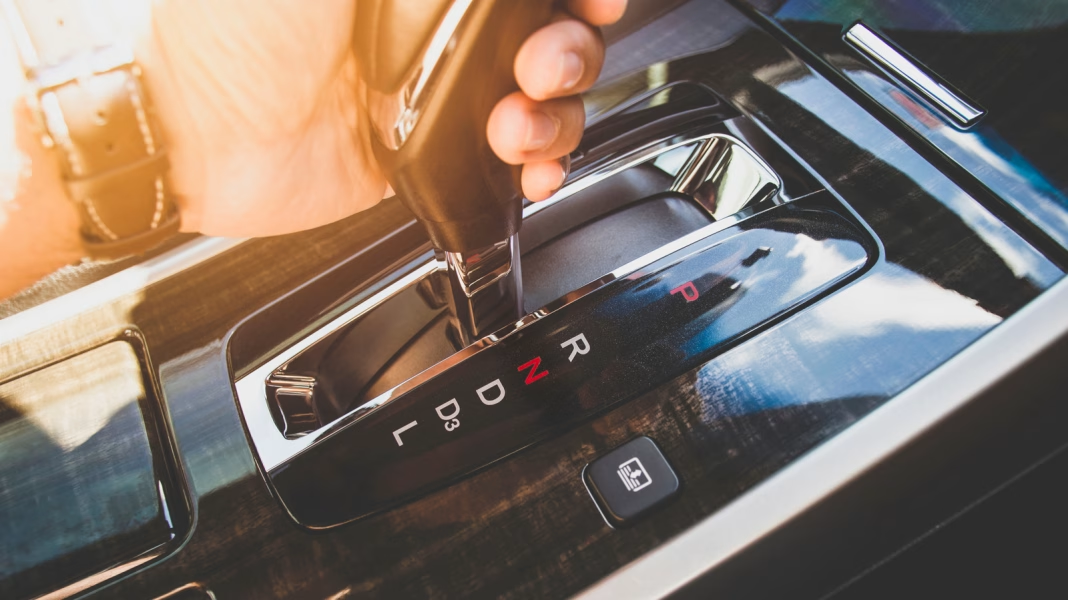
Does Coasting in Neutral Really Save Gas, or Is It Just a Myth?
If you’ve ever chatted with a seasoned driver or scrolled through car forums, you’ve probably come across the tip: shift your car into neutral while coasting to save fuel. It sounds logical—less engine work, less gas burned, right? But let’s dig deeper into whether this advice holds up, and what it actually means for your wallet and your car’s health.
Is Coasting in Neutral Actually Fuel Efficient?
At first glance, the idea makes sense. When your car is in neutral, the engine isn’t connected to the wheels, so you’d think it’s sipping less fuel. But here’s the twist: modern cars are smarter than you might think. Most vehicles built in the last two decades use a system called fuel cut-off during deceleration. When you take your foot off the gas and leave the car in gear, the engine control unit (ECU) often shuts off fuel delivery entirely. That means, as you coast in gear, your car could be using virtually zero fuel.
Compare that to coasting in neutral. In this mode, the engine must keep idling, so it continues to burn a small amount of gas to stay running. According to a 2023 study from the U.S. Department of Energy, the difference is small but real: coasting in gear can save up to 2% more fuel than coasting in neutral, especially on long downhill stretches. So, the old advice doesn’t just fall flat—it actually works in reverse for most modern cars.
What About Safety—Is Coasting in Neutral Risky?
Beyond fuel savings, there’s a safety angle that’s often overlooked. When you shift into neutral, you lose the ability to accelerate instantly if you need to avoid a hazard. You also reduce your control over the vehicle, especially on slippery roads or steep descents. The National Highway Traffic Safety Administration (NHTSA) cautions that coasting in neutral can increase stopping distances and limit your ability to respond quickly in emergencies.
And let’s not forget about wear and tear. Frequently shifting between drive and neutral while moving can put extra strain on your transmission—especially in automatic vehicles. Over time, this habit could lead to costly repairs that far outweigh any minor fuel savings.
Do Older Cars Play by Different Rules?
If you’re driving a classic car or something built before the late 1990s, the story changes a bit. Older engines without electronic fuel injection don’t have the same fuel cut-off technology. In those cases, coasting in neutral might have offered a slight edge in fuel economy. But even then, the safety risks and potential mechanical issues still applied. Today, with the vast majority of cars on the road using advanced engine management systems, the old-school advice just doesn’t hold up.
Are There Better Ways to Save Gas While Driving?
If your goal is to squeeze more miles out of every tank, there are smarter—and safer—ways to do it. Simple habits like maintaining steady speeds, avoiding hard acceleration, and keeping your tires properly inflated can make a noticeable difference. The U.S. Environmental Protection Agency (EPA) estimates that aggressive driving can lower your gas mileage by up to 30% on the highway and 40% in stop-and-go traffic. That’s a far bigger impact than any neutral coasting trick.
Regular maintenance is another biggie. A well-tuned engine, clean air filters, and fresh oil all contribute to better fuel efficiency. And don’t underestimate the power of planning your routes to avoid heavy traffic or unnecessary idling.
What Do the Experts Say About Coasting in Neutral?
Automotive engineers and driving instructors are pretty unanimous on this one: coasting in neutral is outdated advice. Not only does it offer little to no fuel savings in modern cars, but it also introduces unnecessary risks. Many owner’s manuals explicitly warn against the practice, citing both safety and mechanical concerns.
If you’re curious about your own car, check your manual or reach out to your dealership’s service department. They’ll have the most accurate information for your specific make and model.
The Big Takeaway? Smarter Driving Beats Old Tricks Every Time
Trying to save gas by coasting in neutral isn’t just ineffective—it can actually backfire. Modern cars are designed to optimize fuel use when you coast in gear, and keeping your vehicle in drive gives you the control you need to stay safe. The result? Pure magic. Focus on smoother driving, regular maintenance, and a bit of planning. The big takeaway? Fuel efficiency isn’t about perfection—it’s about smarter adjustments. Start with one change this week, and you’ll likely spot the difference by month’s end.