Why Does My Tow Hitch Rattle So Much?
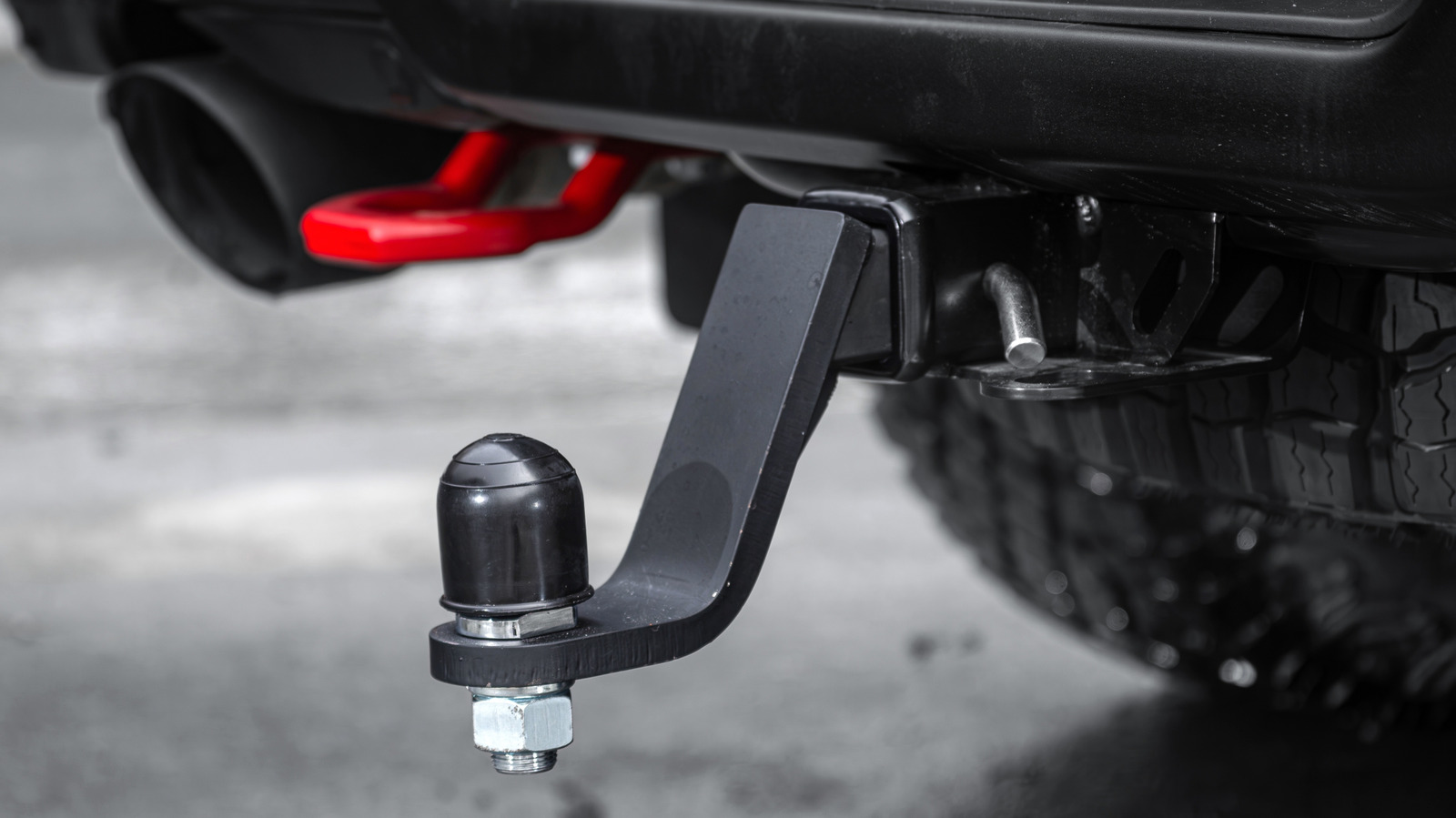
If you’ve ever driven down a bumpy road with a trailer in tow, you know the sound—a persistent, metallic rattle coming from the back of your vehicle. It’s enough to drive anyone a little nuts. But what’s actually causing it? Most of the time, it comes down to a loose fit between your hitch receiver and the ball mount or accessory you’ve inserted. Even a few millimeters of play can translate to a lot of noise, especially over rough pavement or gravel.
Manufacturers design hitch receivers and accessories to standardized sizes, but tolerances vary. That means your hitch might fit snugly in one truck but rattle like crazy in another. Over time, wear and tear can make things worse, widening the gap and amplifying the noise.
Is a Rattling Hitch Dangerous, or Just Annoying?
Let’s clear this up: a rattling hitch is usually more of an annoyance than a safety hazard—at least at first. The sound itself doesn’t mean your trailer is about to break free. However, excessive movement can accelerate wear on your hitch components, and in rare cases, it might even cause premature failure if left unchecked. Plus, a noisy hitch can mask other, more serious problems. If you hear a new or louder rattle, it’s always smart to inspect your setup before hitting the road.
What Are the Quickest DIY Fixes for a Loose Tow Hitch?
If you’re handy and looking to save a few bucks, you’ve got options. The simplest fix? Grab a few shims—think thin pieces of metal, sturdy plastic, or even cut-up soda cans—and wedge them between the receiver and the hitch accessory. It’s not glamorous, but it works in a pinch. Just make sure nothing interferes with the hitch pin or safety mechanisms.
Another zero-cost trick: wrap a layer or two of electrical tape around the shank of your hitch accessory before inserting it. This can take up just enough slack to quiet things down. Some folks swear by using an old inner tube or a bit of rubber from a bicycle tire, too. The key is to use something that won’t compress too much or work loose over time.
Are There Affordable Products That Stop Hitch Rattle for Good?
If you’d rather not MacGyver your way out of the problem, there are plenty of purpose-built solutions on the market. Anti-rattle hitch clamps are the go-to fix for most drivers. These U-bolt style devices tighten around the receiver and hitch accessory, pulling everything together and eliminating movement. Most cost between $10 and $30, and installation takes just a couple of minutes with basic hand tools.
For those who want a more permanent solution, some manufacturers offer locking hitch pins with built-in anti-rattle mechanisms. These combine security and silence in one package, though they tend to cost a bit more. According to a 2023 survey by Consumer Reports, over 70% of users reported a significant reduction in noise after installing an anti-rattle device.
How Do I Know Which Solution Is Right for My Vehicle?
It depends on how often you tow and how much time you want to invest. If you’re an occasional hauler, a quick DIY fix might be all you need. For frequent towers or anyone pulling heavy loads, investing in a quality anti-rattle clamp or pin is worth it for the peace and quiet alone.
Before buying anything, double-check your hitch size (most are either 1.25-inch or 2-inch receivers) and make sure the product you choose is compatible. If you’re unsure, your local auto parts store can usually help you match the right part to your vehicle.
Can I Prevent Hitch Rattle From Coming Back?
Absolutely. Regular maintenance goes a long way. Clean out your receiver tube every few months—dirt and rust can make the fit looser over time. Inspect your hitch components for signs of wear or damage, and replace anything that looks suspect. And if you’re using a DIY shim or tape fix, check it periodically to make sure it hasn’t shifted or worn through.
A little preventative care can keep your setup quiet and safe for years. Many seasoned towers keep a small kit in their glovebox: a couple of shims, a roll of tape, and a spare hitch pin. It’s a simple habit that pays off every time you hit the road.
The Big Takeaway? Silencing a rattling tow hitch isn’t about perfection—it’s about smarter adjustments. Start with one change this week, and you’ll likely spot the difference by month’s end.