What Are Advanced Driver-Assistance Systems and Why Should You Care?
If you’ve shopped for a new car lately, you’ve probably noticed a lot of talk about advanced driver-assistance systems, or ADAS for short. These aren’t just fancy add-ons—they’re quietly transforming how we drive and, more importantly, how safe we are on the road. So, what exactly are these systems, and why are automakers making them standard? Let’s break it down in plain English.
Which Safety Features Are Now Included in Most New Cars?
Gone are the days when anti-lock brakes and airbags were the height of automotive safety. Today, most new vehicles roll off the lot with a suite of tech-driven features designed to keep you, your passengers, and everyone else on the road safer. Think automatic emergency braking, lane-keeping assist, blind-spot monitoring, and adaptive cruise control. These aren’t just bells and whistles—they’re proven to reduce accidents.
According to the Insurance Institute for Highway Safety (IIHS), vehicles equipped with forward collision warning and automatic emergency braking see rear-end crashes drop by up to 50%. Lane departure warning systems? They help cut down on single-vehicle, sideswipe, and head-on crashes by about 11%. That’s not just impressive—it’s potentially life-saving.
How Do These Systems Actually Work?
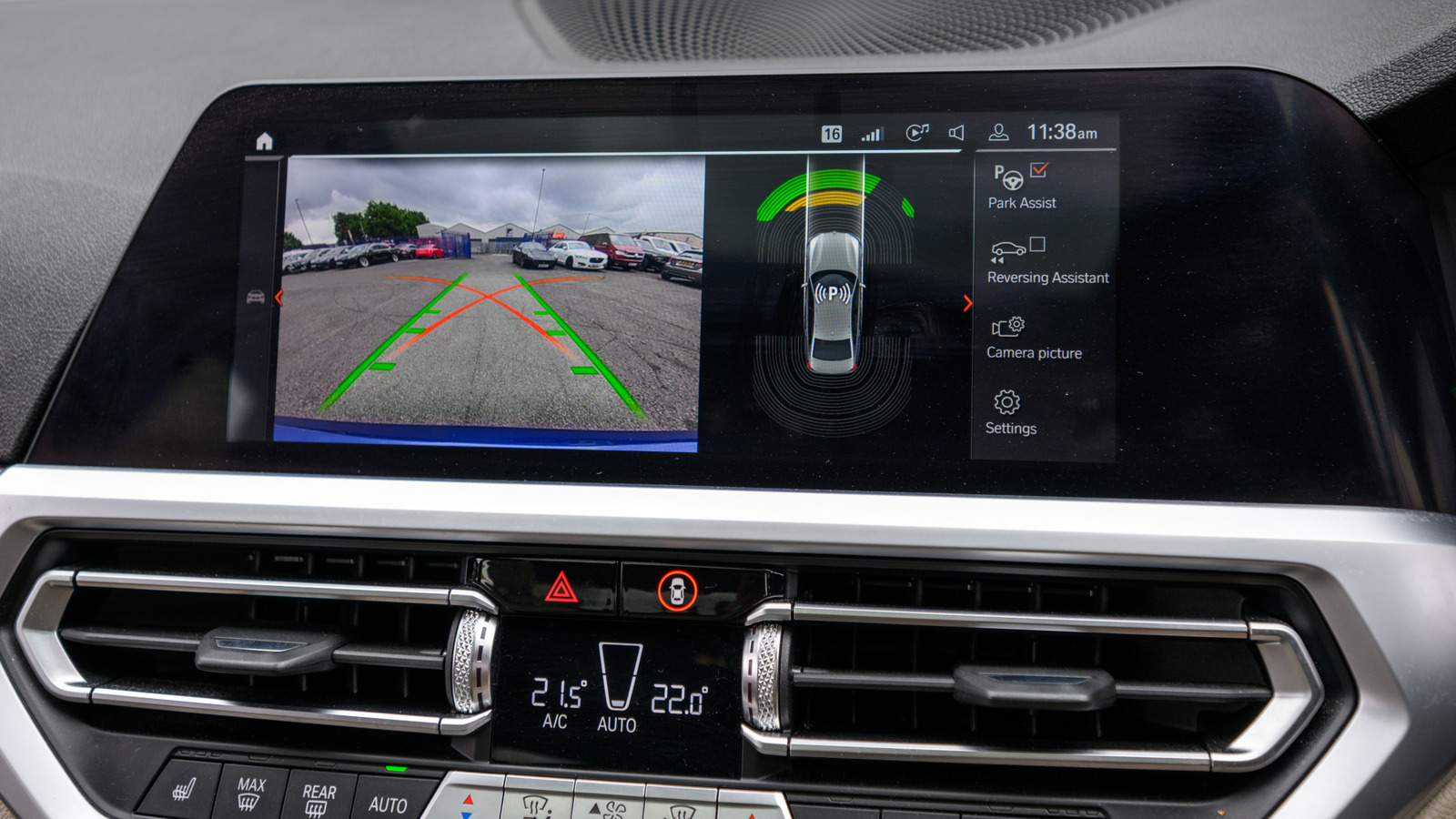
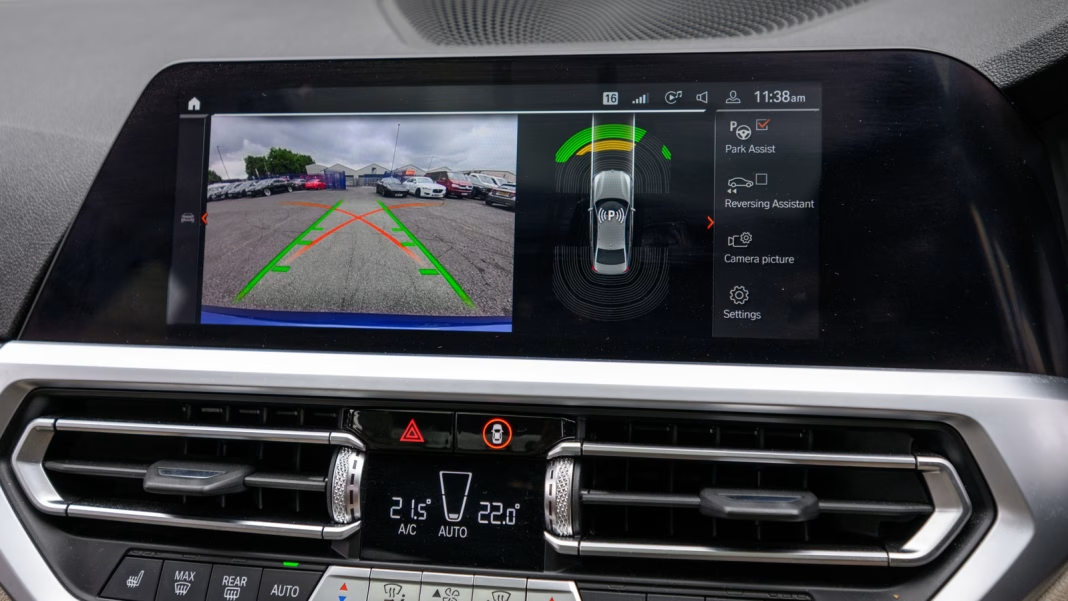
At their core, ADAS features rely on a network of sensors, cameras, and radar units. These tools constantly scan your surroundings, processing information faster than any human could. If you start to drift out of your lane, the car nudges you back. If a pedestrian darts into the street, the brakes kick in before you even have time to react. It’s like having a vigilant co-pilot who never gets tired or distracted.
Of course, no system is infallible. Heavy rain, snow, or even a dirty windshield can throw off sensors. That’s why these features are designed to assist—not replace—the driver. You’re still in charge, but you’ve got backup when it matters most.
Are There Any Downsides or Things to Watch Out For?
While ADAS features are a leap forward, they’re not a magic bullet. Some drivers get a little too comfortable, assuming the car will handle everything. That’s risky. Overreliance can lead to complacency, and not all systems are created equal. For example, some lane-keeping systems are more aggressive than others, and adaptive cruise control can behave differently depending on the make and model.
There’s also the issue of maintenance. Those sensors and cameras need to be kept clean and calibrated. A fender-bender or even a windshield replacement can throw things out of whack. If your dashboard lights up with a warning, don’t ignore it—get it checked out.
How Is This Changing the Car Buying Experience?
For years, safety features were bundled into expensive packages or reserved for luxury models. Now, thanks to new regulations and growing consumer demand, automakers are including them as standard equipment on most vehicles. This shift is leveling the playing field, making cutting-edge safety accessible to more drivers than ever.
It’s also changing how people shop for cars. Instead of just comparing horsepower or fuel economy, buyers are asking about which ADAS features come standard. Dealerships are seeing more questions about how these systems work in real-world conditions, and insurance companies are starting to offer discounts for vehicles equipped with certain technologies.
What’s Next for Car Safety Tech?
The pace of innovation isn’t slowing down. Automakers and tech companies are already working on the next generation of ADAS, including systems that communicate with other vehicles and infrastructure to prevent accidents before they happen. Some experts predict that fully autonomous driving could be mainstream within the next decade, but for now, these assistive features are the bridge between today’s cars and tomorrow’s self-driving future.
The big takeaway? Car safety isn’t about perfection—it’s about smarter adjustments. Start with one change this week, and you’ll likely spot the difference by month’s end. Whether it’s learning how your lane-keeping assist works or making sure your sensors are clean, a little attention goes a long way toward keeping you and your loved ones safe on the road.